If your electric scooter turns on but won't move, you're dealing with one of the most common faults riders report. The same fault shows up on mobility scooters, where a mobility scooter won't move or a mobility scooter beeping and not moving can leave you stranded. This guide covers why an electric scooter isn't accelerating, what causes it on a mobility scooter, and how to fix each issue.
Common Causes at a Glance
An electric scooter that powers on but stays still usually points to the throttle, the motor, the controller, or the battery. A loose throttle can stop the accelerator signal reaching the motor, while a faulty motor or jammed wheel keeps it still even with full power. The controller, which passes signals between throttle and motor, can also fail and cut off movement entirely.
Other causes include a brake switch stuck in the engaged position, a kick to start sensor that hasn't triggered, a battery that shows charge but can't hold voltage under load, and a firmware lock that needs resetting.
Safety First
Before touching any part of the scooter, turn it off and take it out of charging mode. Work in a dry, well lit space away from foot traffic, and avoid opening the motor or controller housing if it's still under warranty, since this can void your cover. If you're not confident with electrical parts, a repair technician is the safer choice.
How to Diagnose an Electric Scooter That Won't Move

Check the Throttle and Accelerator
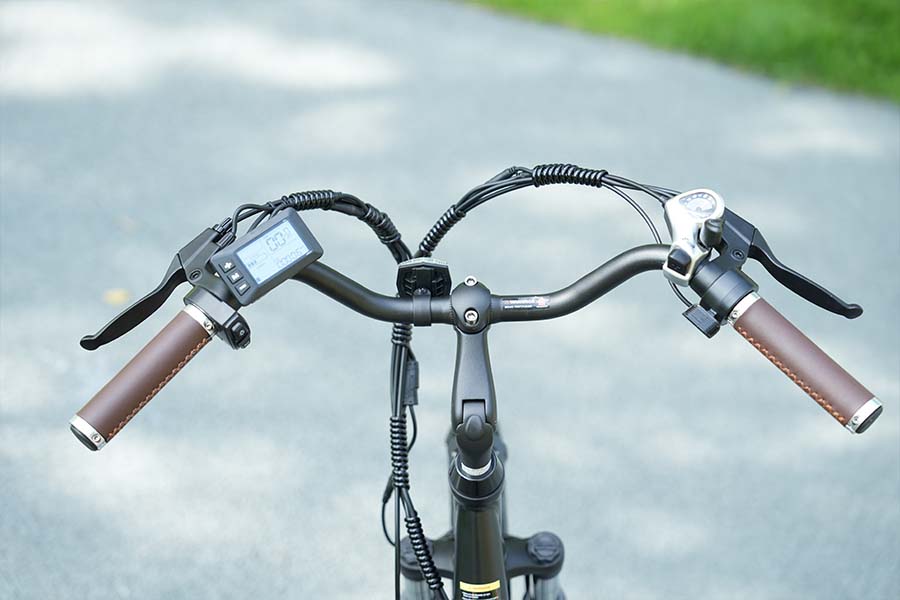
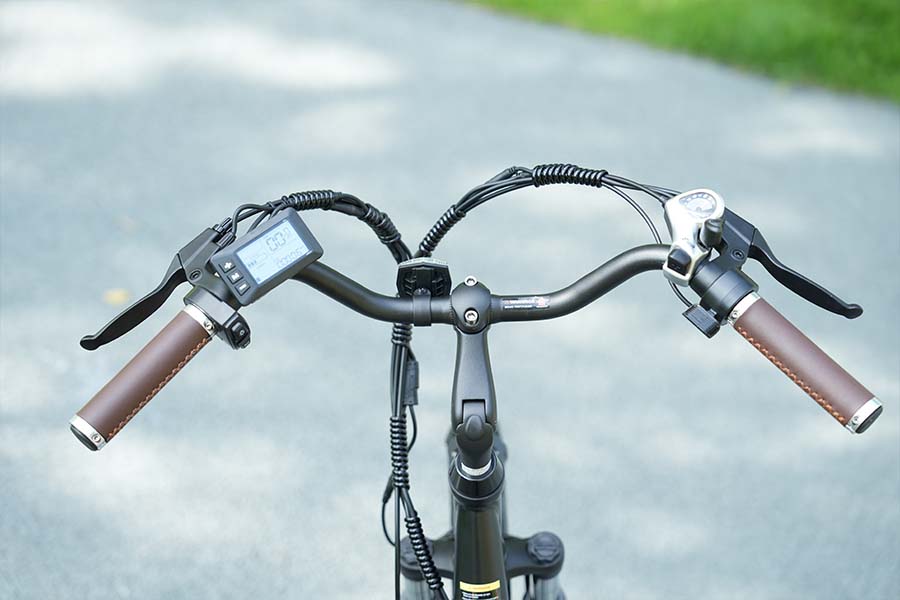
A damaged or unresponsive throttle is the most frequent reason an electric scooter turns on but isn't accelerating. Look for a throttle that feels loose, sticky, or gives no response when pressed. If you have a multimeter, test the voltage signal from the throttle as you engage it. On models with a kick to start feature, push off gently first, and if the motor still doesn't engage, the throttle likely needs repair or replacement.
Inspect the Motor and Wiring
A loose connector or jammed motor can also stop the wheel turning. Check the wiring around the motor and wheel hub for damage, then spin the wheel by hand. A stiff or grinding wheel, or clicking sounds, often points to internal motor damage.
Test the Controller (ESC)
The controller sends power from the battery to the motor based on the throttle signal. If it fails, the scooter won't move even with a full charge. Signs include no throttle response, no motor sound, a burning smell near the housing, or an error code on the display.
Check the Brake Lever and Sensor
A stuck or misaligned brake sensor can hold the scooter in brake mode even when the lever isn't pulled. Squeeze and release each brake lever to check it moves freely. If possible, disconnect the sensor briefly. If the scooter then moves, it needs adjusting or replacing.
Hidden Issues That Stop Movement

Battery Fails Under Load
A battery can read a full charge on a multimeter yet still fail once you apply the throttle, because ageing cells lose their ability to deliver current under load. Run a load test, or swap in a battery you know works, to confirm this.
Kick to Start Not Triggered
Some models need a manual push before the motor engages from a stop. Check your electric scooter's companion app for a kick to start setting, and try pushing off gently before applying the throttle.
Software or Firmware Lock
Certain electric scooters must be paired with their companion app before the throttle unlocks. Open the app for error messages or lock codes, then follow the reset instructions, usually a button combination on the display.
Overheating or Safety Lockout
Electric scooters are built to shut down if the motor or battery overheats. If yours stops suddenly after a longer ride, let it cool for fifteen to thirty minutes before restarting, and check your manual for the lockout indicator.
Explore our electric scooter with removable battery collection for easy swaps and hassle free charging.
How to Fix an Electric Scooter That Won't Move

Reconnect Loose Wires
Check the connections from the battery to the controller, throttle to display, and motor phase wires. Look closely at each connector for damage or exposed wire, and secure any loose plug so it won't work free while riding.
Replace Faulty Components
If the throttle, controller, or motor tests as faulty, a straightforward swap with a compatible part often solves the problem. If you're unsure about the repair, a repair shop can diagnose and fix it safely.
Update or Reset Firmware
Outdated firmware can also stop a scooter from moving. Check your companion app for updates, and if that doesn't help, try a factory reset using your model's button sequence. Check the manual first to avoid errors.
Check out our electric scooter with suspension models, engineered for a smoother, more comfortable ride.
My Mobility Scooter Won't Move: What to Check
Mobility scooters share some of the same faults as electric scooters, but a few checks are specific to them.
First, look for the freewheel or declutch lever, usually near a rear wheel. If it's set to freewheel mode for manual pushing, the motor disengages and the mobility scooter won't move under power. Switch it back to drive mode before troubleshooting further.
Next, confirm the key is fully turned and the battery connector at the base of the seat post is seated properly. A loose connector often lets the display power on while cutting drive current, which looks identical to a dead motor.
If your mobility scooter is beeping and not moving, count the beeps. Most models use a beep pattern to flag a specific fault, commonly a loose battery connection, a brake that hasn't released, or a seat safety switch that isn't fully engaged, since many mobility scooters won't drive unless the seat is locked. Check your model's manual to match the beep count to its cause.
If these checks don't resolve it, our X02 Mobility Scooter is built with a straightforward electromagnetic brake and swivel seat setup designed to avoid this kind of fault, and it's worth considering if your current model needs frequent repairs.
When to Call a Technician

If the throttle, motor, controller, and brakes all check out but the scooter still won't move, a technician can spot faults that aren't visible from the outside. Opening the motor or controller yourself can void your warranty, so contact the manufacturer first if it's still covered. Some repairs need specialist equipment most riders don't have at home.
Frequently Asked Questions
Why won't my electric scooter accelerate?
If your electric scooter turns on but doesn't accelerate, the throttle might be damaged or not sending a signal to the motor. It could also be a fault with the controller, motor, or brake sensor. Check for loose wires or error messages on the display, then test each part to find the cause.
How do I fix my electric scooter not moving?
Start by checking the basics, make sure the battery is fully charged and the wires are securely connected. Inspect the throttle, motor, controller, and brake levers for damage, and check the display for error codes. Refer to the user manual or a repair technician if you're unsure.
My mobility scooter is beeping and won't move, what does it mean?
Beeping on a mobility scooter usually means the freewheel lever is disengaged, the seat safety switch isn't locked, or the battery connector has come loose. On an electric scooter, beeping more often points to a stuck brake sensor or a throttle fault. Count the beeps and check them against your model's manual.
Can cold weather stop my scooter from moving?
Yes, cold weather can affect both electric scooter and mobility scooter batteries. Low temperatures reduce battery power, which can stop the motor working properly, and frozen brake cables or stiff motor parts add to the problem. Store your scooter somewhere warmer when not in use.
How do I tell if my controller is dead?
A dead controller won't send power to the motor even if the electric scooter turns on. Signs include no throttle response, no motor sound, or flashing error lights. A burning smell or physical damage near the controller, plus testing with a multimeter, can confirm it.
What does a hall sensor error mean?
A hall sensor error means the motor's sensors can't detect the wheel's position correctly. These sensors control how the motor spins, so if they fail or the wiring is damaged, the scooter won't move smoothly, or at all. Replacing the sensor or fixing the wiring usually solves it.
Read Related Articles












































Leave a comment