












What Electric Scooters Are Legal in the UK?
Electric scooters are everywhere these days, zipping through city streets and parks, but the big question remains: what electric scooters are legal in the UK?
If you’re curious about which scooters you can ride, where you can take them, and how to stay on the right side of the law, this article is for you.
Here, you’ll find everything you need to know in simple, clear language so you can ride safely, confidently, and legally.
Read on to discover the latest rules, helpful tips, and answers to your top questions about electric scooter legality in the UK!
What Are Electric Scooters?
Electric scooters, often called e-scooters, are stand-up vehicles powered by electric motors. They’re popular for quick trips, fun rides, and getting to school or work.
E-scooters are different from bikes and mopeds because you don’t need to pedal or use petrol. They run on rechargeable batteries and are super simple to use.
In the UK, you’ll spot all kinds of e-scooters, from lightweight models for kids to sturdy ones for adults.
UK Electric Scooter Laws Explained
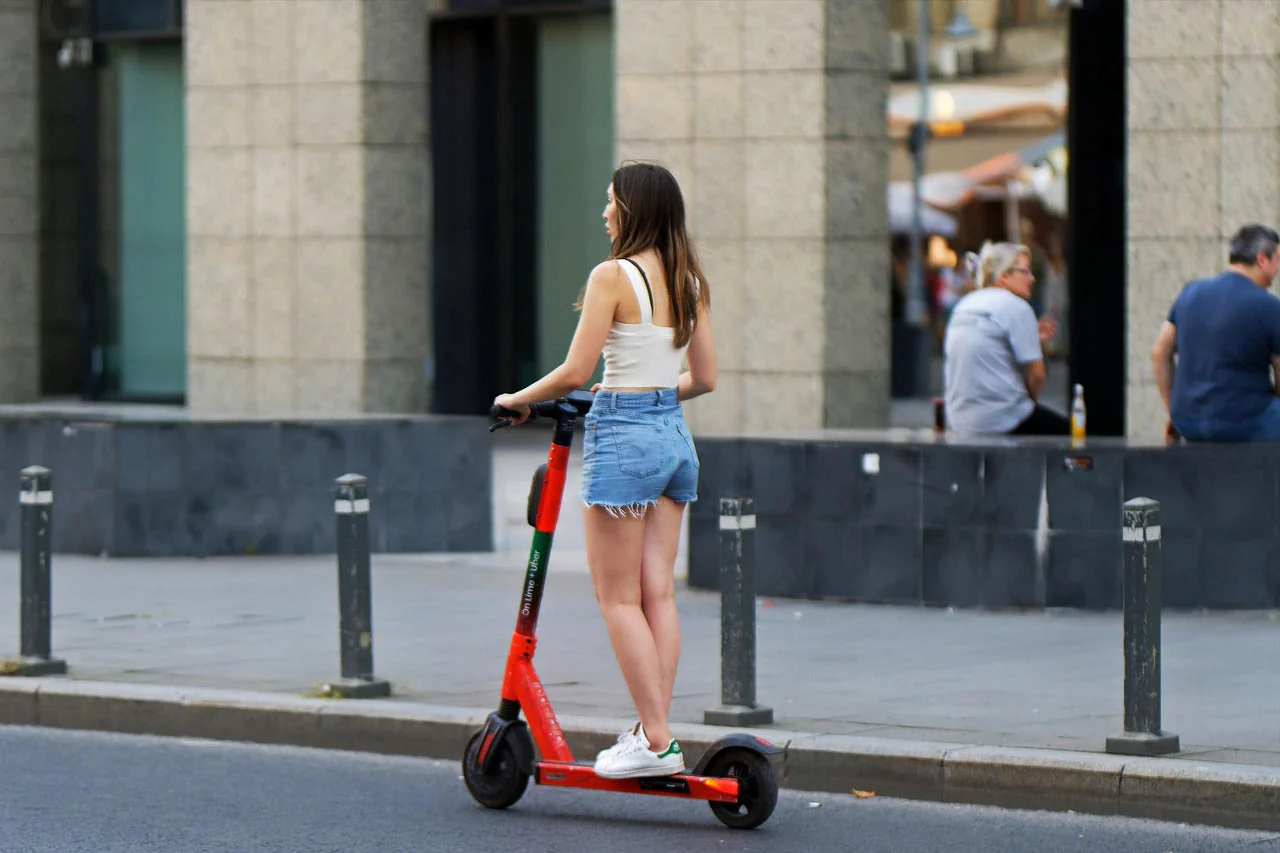
If you’re searching for what electric scooters are legal in the UK, understanding the law is the first step. Right now, the UK government treats electric scooters differently from bicycles or skateboards.
Here’s what you need to know:
- 🛴 Privately-owned e-scooters: These are not legal to ride on public roads, pavements, or cycle lanes. You can only use them on private land with the landowner’s permission.
- 🛴 Rental e-scooters: Some cities allow you to rent e-scooters as part of government-approved trials. Only approved rental e-scooters in government trial areas are legal to ride on public roads and cycle lanes.
Why the rules? The government wants to make sure e-scooters are safe for everyone before changing the law for privately-owned scooters.
Don’t forget to check out this helpful UK e-scooter law guide for more details on how the rules work!
Where Can You Legally Ride an Electric Scooter in the UK?
Figuring out where electric scooters are legal in the UK can be tricky. Here’s a simple breakdown:
🛴 Public Roads and Cycle Lanes
- Only approved rental e-scooters in government trial areas are allowed.
- You must follow the same rules as cyclists, like stopping at red lights and giving way to pedestrians.
🛴 Pavements
- No e-scooters, even rentals, are allowed on pavements. It’s against the law.
🛴 Private Land
- You can ride any type of e-scooter on private property, as long as you have the landowner’s permission.
🛴 Local Rules
- Some cities, like London and Manchester, have special rental schemes. Always check local council websites for the latest updates.
Want to know more about street-legal e-scooters? Browse this in-depth article on e-scooter legality in the UK!
Which Electric Scooters Are Legal in the UK Right Now?
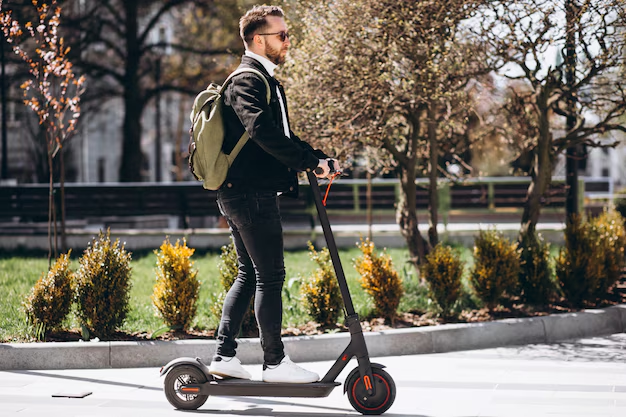
These scooters are part of government-approved trials and come with special features.
- Insurance: Rental e-scooters include insurance for riders.
- Speed Limiters: They can’t go faster than 15.5 mph (25 km/h).
- Safety Features: Lights, reflectors, and a bell.
You can’t buy a private e-scooter and ride it on public roads yet. The rules might change in the future, but for now, stick to approved rentals in trial areas if you want to ride legally outside private land.
You May Also Shop
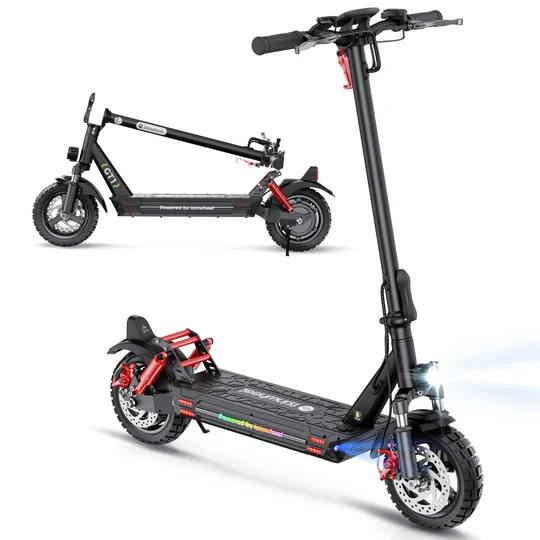
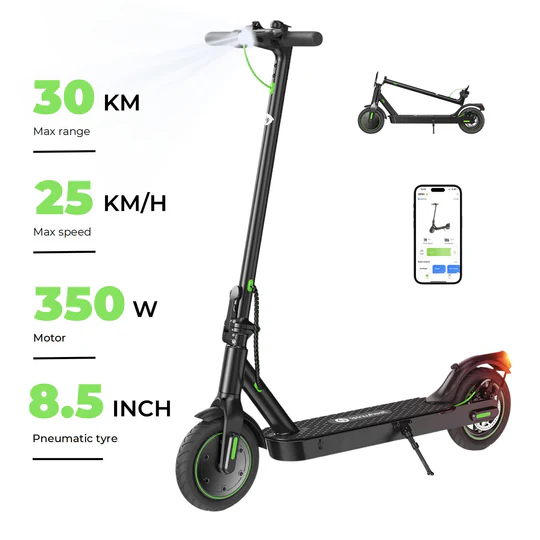
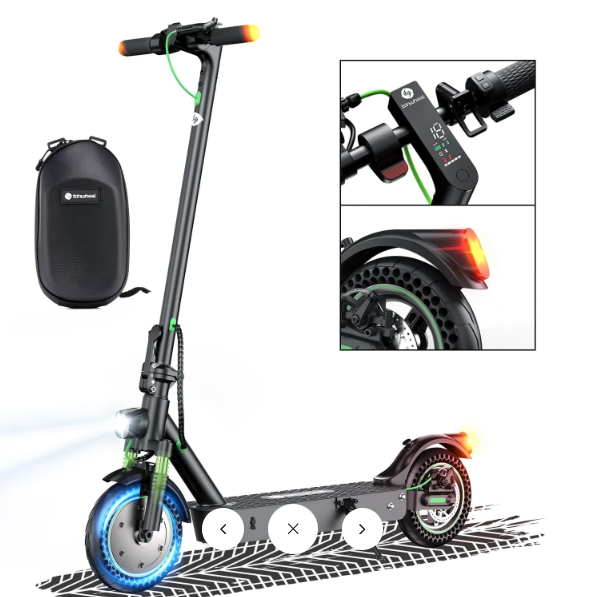
Discover the latest on compliant e-scooters and what makes them legal by checking out this guide on e-scooter regulations!
Requirements for Riding Legal E-Scooters
Even if you’re using a legal rental e-scooter in a trial area, there are some important rules to follow.
🛴 Age Limits and Licensing
- You must be at least 16 years old to rent an e-scooter.
- A valid provisional or full driving license is required.
🛴 Safety Equipment
- Helmets are recommended but not required by law.
- Always wear bright clothing and use lights at night.
🛴 Insurance and Registration
- Rental e-scooters come with insurance included.
- No need to register the scooter yourself.
🛴 Penalties
- Riding illegally can result in fines, penalty points on your license, or even having your scooter seized.
Don’t forget to check if you need a license for your e-scooter. Read this quick guide for all the details!
Upcoming Changes: Will Private Electric Scooters Become Legal?
The government has been running trials in different cities to see how safe and useful e-scooters are. There are talks about making private e-scooters legal in the future, but no new laws have been passed yet.
Keep an eye on government updates and news to find out when the rules might change.
If you want to stay ahead of the curve, check out what the future might hold for e-scooter legalization in the UK by reading this article on upcoming regulations.
Myths and Misconceptions About Electric Scooter Legality
There’s a lot of confusion about what electric scooters are legal in the UK. Here are some myths you might have heard.
- Myth: All e-scooters are illegal in the UK.
- Fact: Only privately-owned e-scooters are illegal on public roads. Rental e-scooters in approved trial areas are legal.
- Myth: You can ride your own e-scooter if you wear a helmet.
- Fact: Helmets are great for safety, but they don’t make an illegal scooter legal.
- Myth: Kids can ride e-scooters anywhere.
- Fact: Only people aged 16 and up with a valid license can use rental e-scooters on public roads in trial areas.
Don’t forget to check local council websites and government updates to stay informed about the latest rules.
Safe and Legal Alternatives to Electric Scooters
If you’re looking for ways to get around that are definitely legal, you have options.
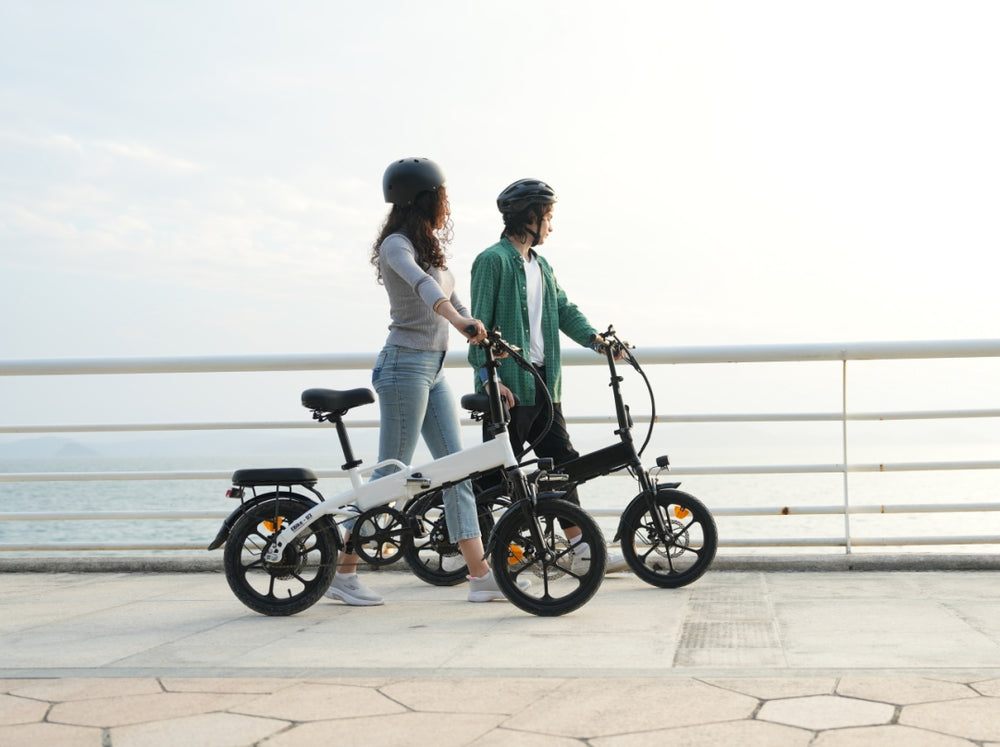
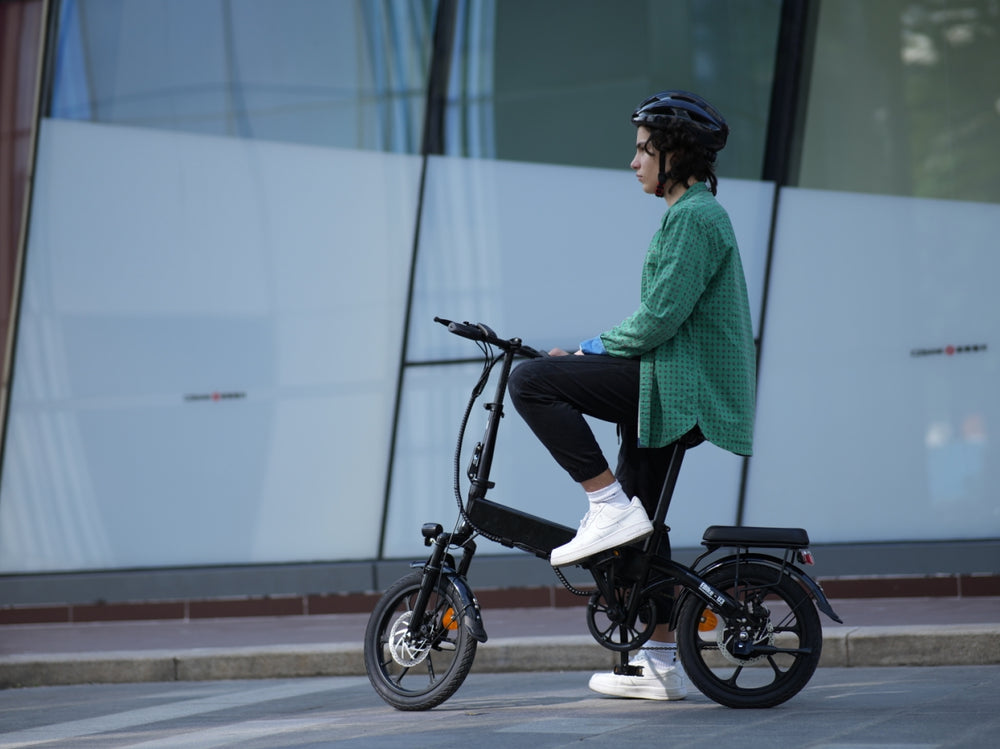
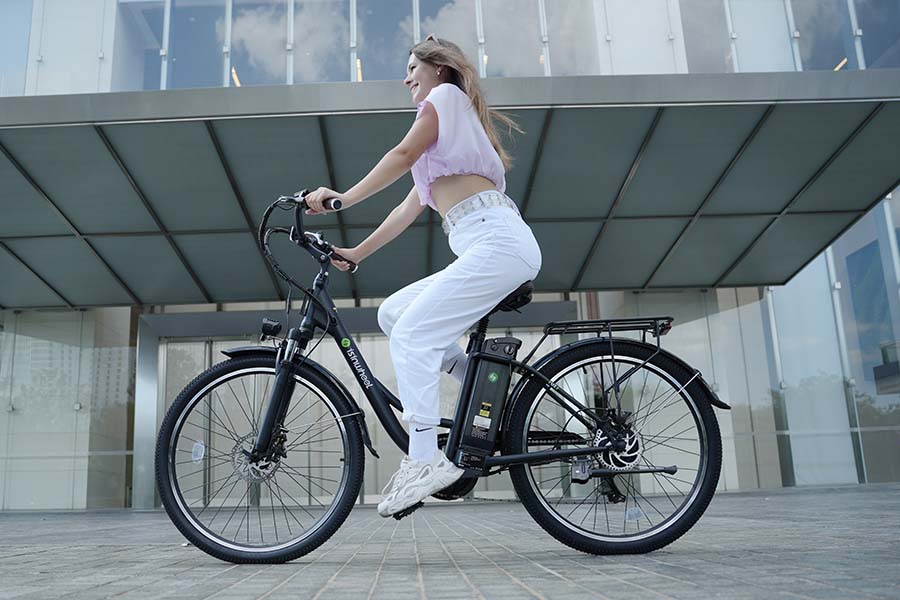
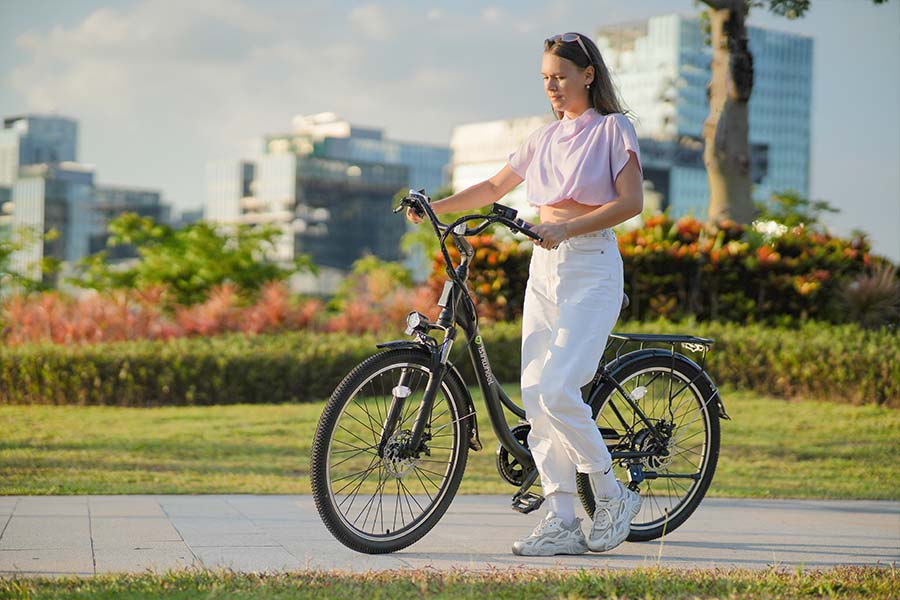
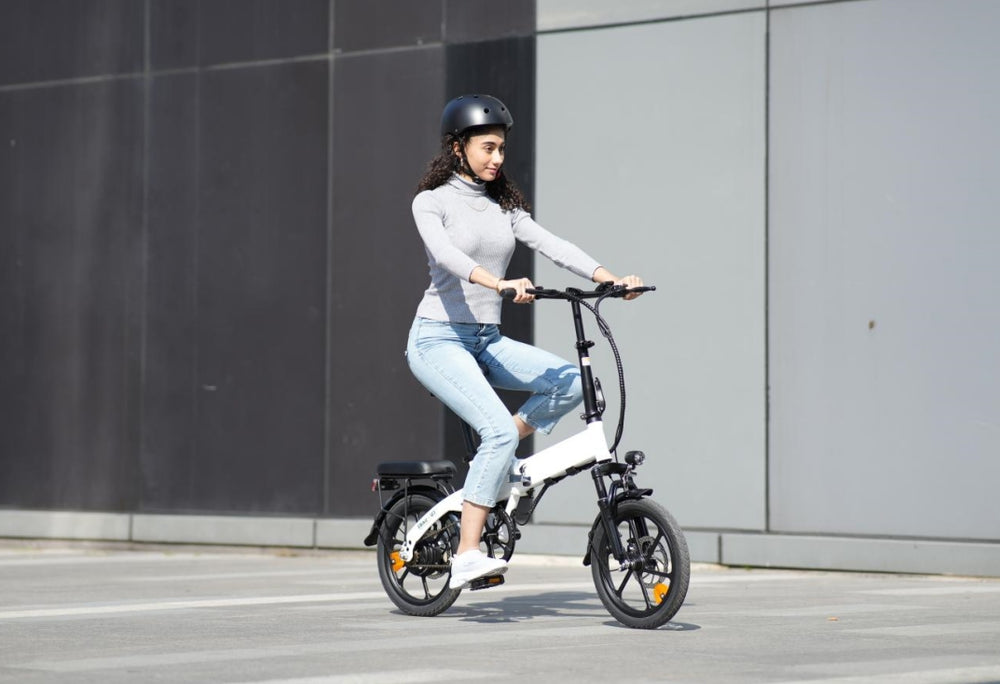
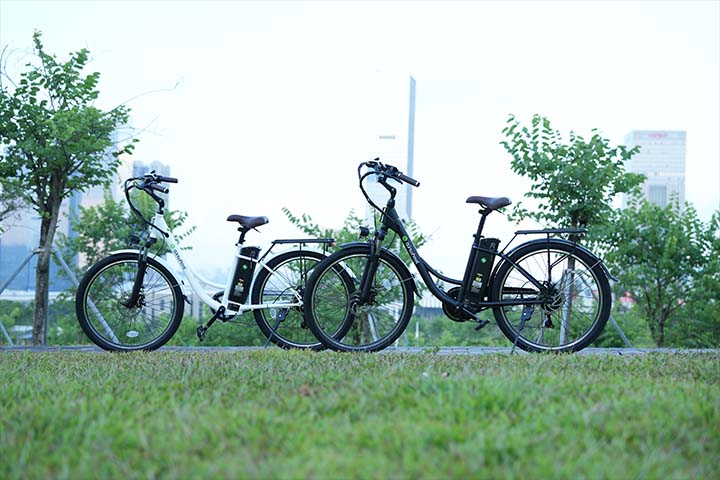
- E-bikes: Electric bikes that meet UK standards can be ridden on roads and cycle lanes without a license.
- Public Transport: Buses, trains, and trams are safe and reliable.
- Walking or Cycling: Great for your health and the environment.
E-scooters are fun, but until the laws change, these alternatives might be your best bet for getting around town.
You May Shop
Conclusion
Knowing what electric scooters are legal in the UK helps you enjoy your ride with confidence and peace of mind.
Right now, only government-approved rental e-scooters in trial areas are allowed on public roads and cycle lanes, and you’ll need at least a provisional license to use them.
Private e-scooters can only be used on private property, so always double-check the rules before you ride.
For more helpful information about electric scooters and the latest UK updates, visit Isinwheel’s website.
If you’re looking to shop for a high-quality, eco-friendly electric scooter or electric bike for any age that’s reliable and budget friendly, don’t forget to check out the great selection at Isinwheel.
Frequently Asked Questions About What Electric Scooters Are Legal in the UK
Are any electric scooters legal in the UK?
Yes, but only certain rental e-scooters that are part of government-approved trials in specific areas are legal to use on public roads and cycle lanes. Privately-owned electric scooters are not allowed on public roads, pavements, or cycle lanes. You can ride any type of e-scooter on private land with the landowner’s permission. Always check for the latest rules in your area before riding.
Will the police stop me on an electric scooter?
Police can stop you if you’re riding a privately-owned e-scooter on public roads or pavements, since this is not allowed under current UK law. If you’re using a legal rental e-scooter in an approved trial area, you should be fine as long as you follow the rules. The police may also stop you if you’re riding dangerously or breaking other traffic laws. It’s best to stick to legal areas and follow all safety guidelines.
Which electric scooter does not need a license in the UK?
Currently, all legal rental e-scooters require you to have at least a provisional driving license. There are no electric scooters that you can ride on public roads or cycle lanes without a license. However, you do not need a license to ride an e-scooter on private land with the landowner’s permission. Always make sure you meet the requirements before you ride.
What happens if you get caught riding an electric scooter in the UK?
If you’re caught riding a privately-owned e-scooter on public roads, pavements, or cycle lanes, you could face a fine, penalty points on your driving license, or even have your scooter seized by the police. The exact penalty depends on the situation and how the law was broken. To avoid trouble, only use rental e-scooters in approved trial areas or ride on private land with permission.
The Latest Posts


Explore isinwheel products
City E Scooter | Off-Road Scooter
Fastest Scooter | Kids Scooters






















Leave a comment