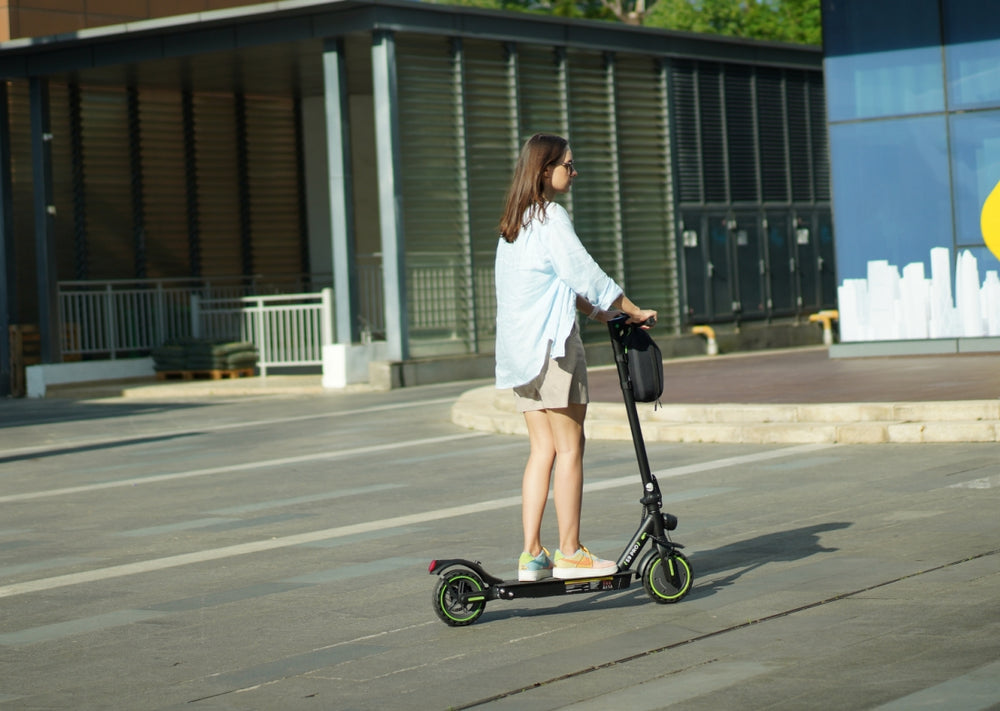
Are electric scooters street legal in the UK? The short answer is no for privately owned models. Private electric scooters cannot currently be ridden on public roads, pavements or cycle lanes anywhere in the UK. They can only be used on private land with the landowner's permission.
Rental electric scooters are different. Government backed trial schemes let riders use approved rental electric scooters on public roads and cycle lanes in specific areas, and these trials now run until May 2028.
This guide explains the current legal speed limit for electric scooters, who can ride a rental electric scooter, where private electric scooters can be used, and what might change in the years ahead.
Is It Legal to Ride an Electric Scooter on UK Roads?

Under the Road Traffic Act, electric scooters are classed as motor vehicles. A privately owned electric scooter would need insurance, registration, an MOT and a number plate to be used on a public road, and no scheme currently exists that lets private electric scooters meet these requirements.
As a result, riding a privately owned electric scooter on a public road, pavement, cycle lane or in a park is against the law across England, Scotland and Wales. Riders caught doing so risk a fine, penalty points on their driving licence and having the electric scooter seized.
Rental electric scooters operate under a separate set of rules. Because they are provided and insured by an approved operator as part of a government trial, riders can use them legally on public roads, except motorways, and in cycle lanes within designated trial areas.
What Is the Legal Speed Limit for Electric Scooters in the UK?

The legal speed limit for electric scooters used in government trials is 15.5mph. This is the maximum design speed allowed under the regulations that define a trial electric scooter, and some trial areas set a lower local limit, often around 12.5mph.
How Fast Does an Electric Scooter Have to Be Street Legal?
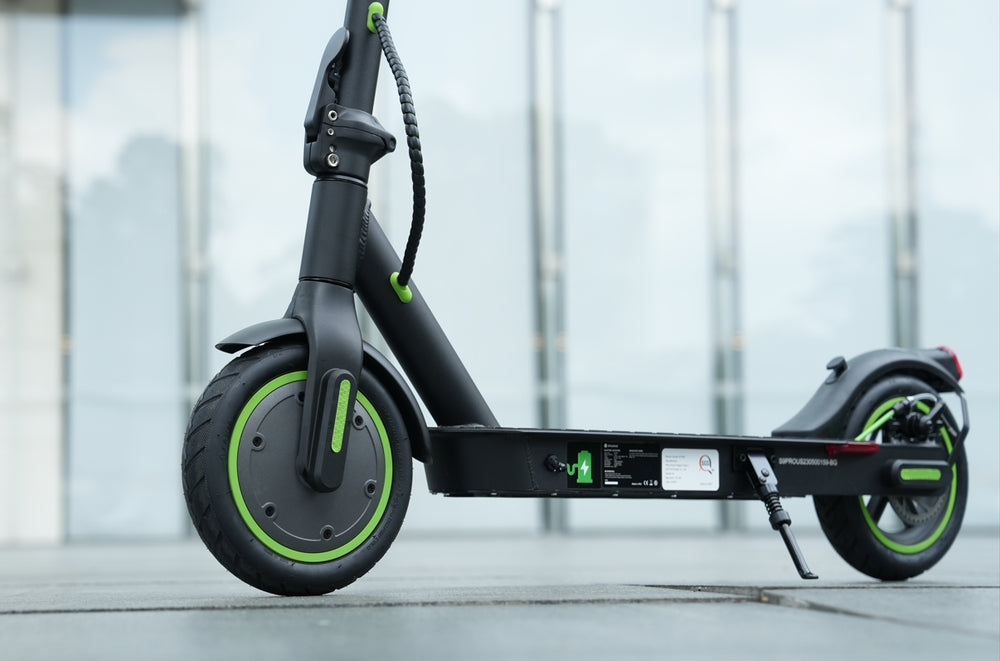
Meeting the 15.5mph limit alone does not make a privately owned electric scooter street legal. To count as a trial electric scooter under the technical specification, a machine must also:
-
Have a continuous motor power rating of no more than 500 watts
-
Weigh no more than 55kg, including the battery
-
Carry only one rider
-
Have two wheels in line, with handlebars linked to the front wheel
These technical limits describe the electric scooters that rental operators are permitted to deploy under trial conditions. A privately owned electric scooter that happens to match this speed, weight and power output is still not legal to ride on a public road, because private ownership sits outside the trial framework entirely.
Where Rental Electric Scooters Can Legally Operate
Government approved rental electric scooter trials are currently running in the following areas: Bournemouth and Poole, Brighton and Hove, Buckinghamshire, Cambridge, Cornwall, Essex, Gloucestershire, Leeds, Liverpool, London, Milton Keynes, North and West Northamptonshire, Norwich, Nottingham, Oxford, Plymouth, Salford, Slough, Solent, West Midlands, and the West of England Combined Authority.
Within these areas, riders can use rental electric scooters on roads, excluding motorways, and in cycle lanes, but never on pavements. Trial areas are added and removed periodically, so it is worth checking gov.uk for the latest list before travelling.
Licence, Age and Insurance Requirements
To rent and ride an electric scooter through an approved trial scheme, you need:
-
A full or provisional UK driving licence with category Q entitlement
-
To be at least 16 years old, since a provisional licence is the minimum entitlement accepted
-
Third party motor insurance, which the rental operator provides automatically
A cycle helmet is strongly recommended for rental riders, though it is not a legal requirement. Riding while under the influence of drink or drugs, or using a mobile phone while riding, carries the same penalties as drink driving and careless driving offences.
Private electric scooter owners do not need a licence to buy or own their electric scooter, but that ownership does not extend to a right to ride it in public.
Will Private Electric Scooters Become Street Legal?
The government has extended the rental trial programme five times since it launched in 2020, most recently pushing the end date from May 2026 to May 2028 so it can gather more safety and usage evidence. A second national evaluation of the trials is due to report in 2026.
Parliament introduced the E-scooters (Review and Awareness) Bill in February 2026, which asks the government to formally review existing electric scooter legislation and improve public awareness of the current rules. Ministers have also signalled interest in creating a new Light Electric Vehicle category that could eventually bring private electric scooters within the law, though no date has been confirmed.
Until any new legislation passes, the rules covering private electric scooters remain unchanged. They can only be used on private land, with the landowner's permission.
Where You Can Ride Your Private Electric Scooter Today
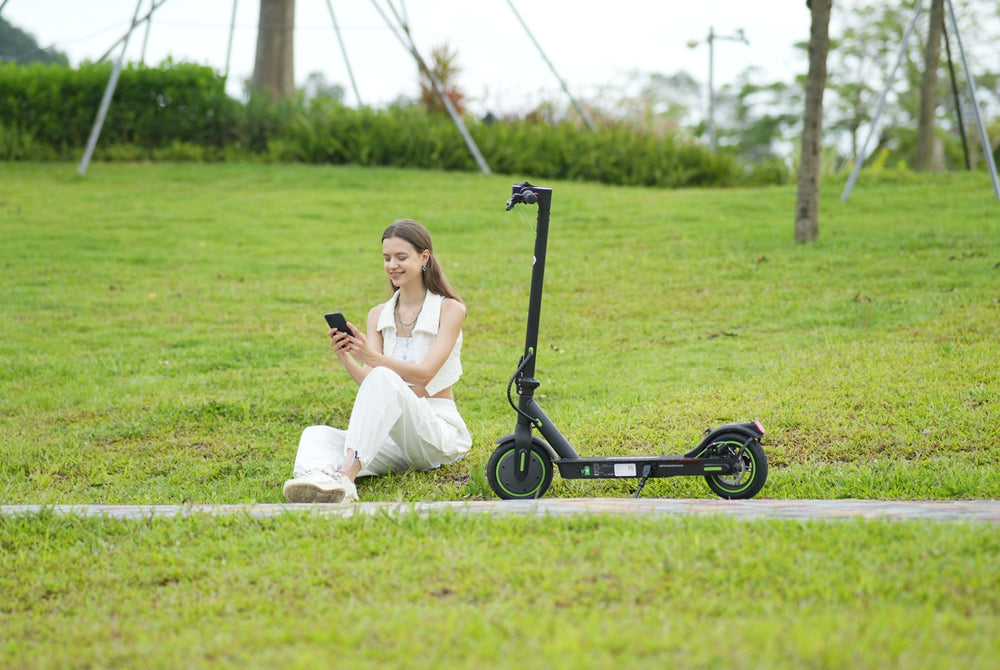
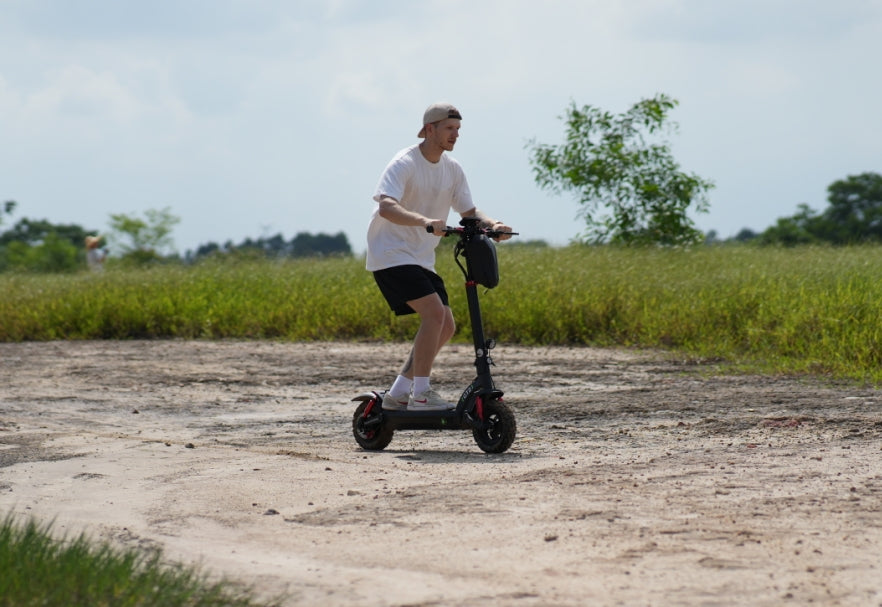
If you own a private electric scooter, private land with the owner's consent is the only lawful place to ride it in the UK right now. This includes your own garden, a farm track with permission, or a dedicated off road riding venue.
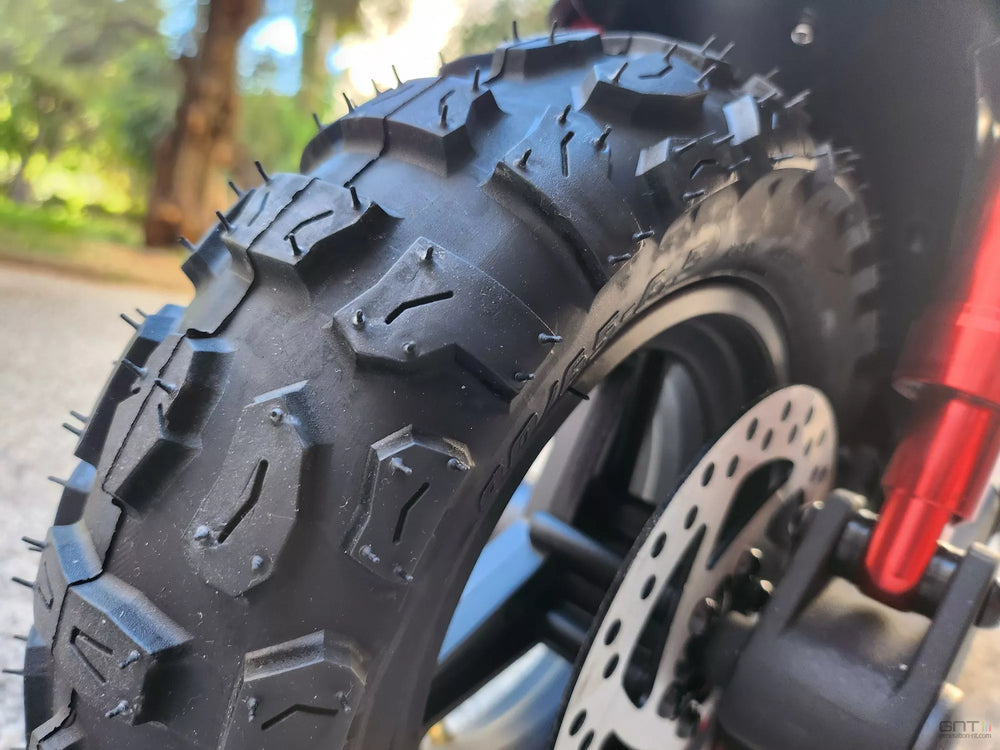
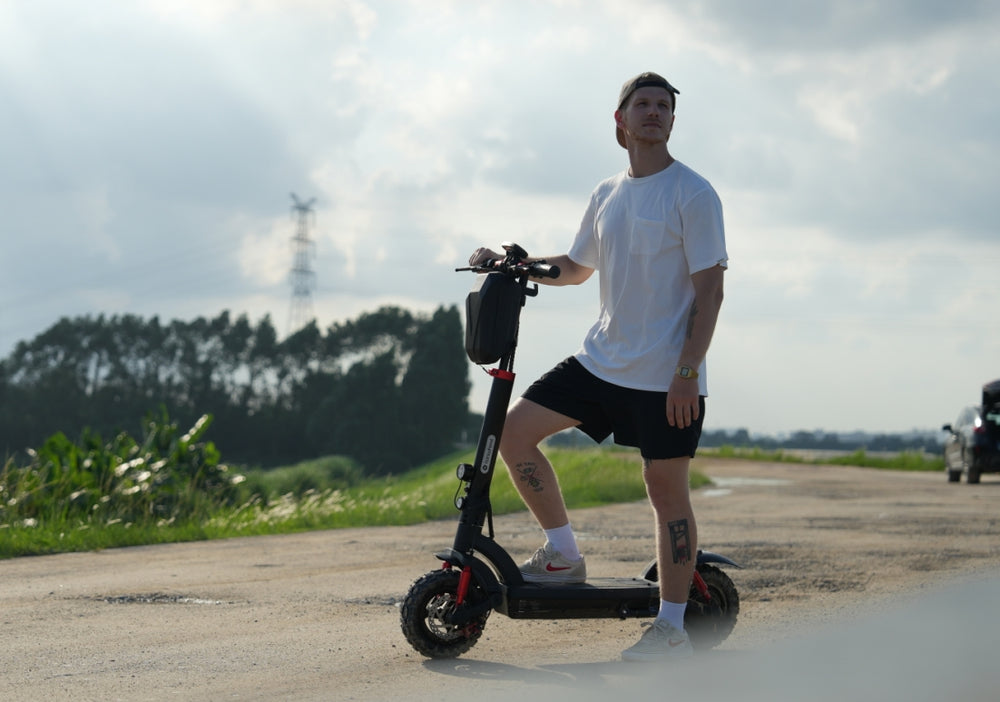
For riders who want more ground clearance and stability for uneven private land, isinwheel's off road electric scooter range includes models such as the GT1 Off-Road Electric Scooter, which pairs an 800W motor with 11 inch pneumatic tyres for a steadier ride on rougher terrain.
Before you buy or ride, it is worth reading isinwheel's full UK e-scooter usage notice and our guide on what to expect after owning an electric scooter, so you understand exactly where and how your electric scooter can be used.
Conclusion
Electric scooters remain a grey area for many UK riders, but the current rules are clear. Privately owned electric scooters are not street legal, and can only be used on private land. Rental electric scooters, by contrast, offer a genuine, insured way to ride on public roads and cycle lanes within approved trial areas, provided you meet the age, licence and insurance requirements.
With the rental trials now extended to May 2028 and a parliamentary review under way, change may be coming, but until new legislation is passed, private electric scooter owners should stick to private land.
Frequently Asked Questions
Is it legal to ride an electric scooter on the road in the UK?
Only if it is a rental electric scooter used within an official trial area. A privately owned electric scooter cannot legally be ridden on any public road, cycle lane or pavement anywhere in the UK.
What is the legal speed limit for electric scooters in the UK?
The legal speed limit for a rental electric scooter is 15.5mph, though some trial areas apply a lower local limit. This speed limit applies to trial electric scooters only, not to private ownership.
Are electric scooters allowed on the pavement in the UK?
No. Neither private nor rental electric scooters can be used on pavements. Rental electric scooters are restricted to roads and cycle lanes within their trial area.
Do I need a licence to ride an electric scooter?
You need a full or provisional UK driving licence with category Q entitlement to use a rental electric scooter. You do not need a licence simply to buy or own a private electric scooter, since ownership does not equal permission to ride it in public.
When will private electric scooters be legal in the UK?
There is no confirmed date. The government has extended rental trials to May 2028 to gather more evidence, and a parliamentary bill introduced in 2026 calls for a formal review of electric scooter law, but private electric scooters remain restricted to private land for now.


























Leave a comment