












3 Best Compact Electric Scooters for Daily Use and Commutes
Finding the best compact electric scooter can really smooth out your daily commute. Lightweight and portable models work great for city streets, quick errands, or just getting to class.
A good compact electric scooter is easy to carry, folds up fast, and still gives you enough power and battery life to get you where you need to go.
Lots of electric scooters used to sacrifice comfort or strength to stay light. These days, new models break that trend by using smarter designs and better parts.
You’ll spot compact scooters with larger wheels for smoother rides and strong motors that can actually handle hills and longer distances. Maybe you want something ultra-light, or maybe you care more about a balance between portability, power, and range—there’s something out there for every kind of rider.
Curious which one suits your style and commute best? Read on!
What Makes A Compact Electric Scooter "Best"

Picking the best compact electric scooter isn’t just about size. You’ve got to think about how easy it is to carry, what your commute is like, and how the ride actually feels day to day.
Size, Weight & Foldability—Ease Of Carrying And Storage
A top compact scooter should be as light as possible. Most lightweight models land between 25–30 pounds, and a few, like the E-Twow, go even lighter.
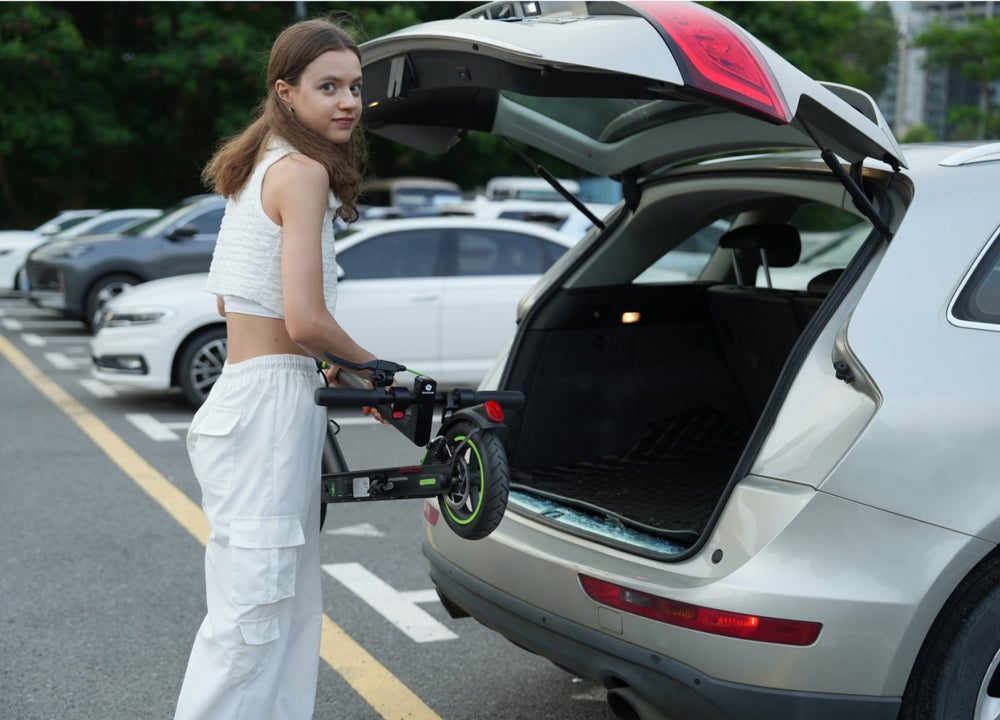
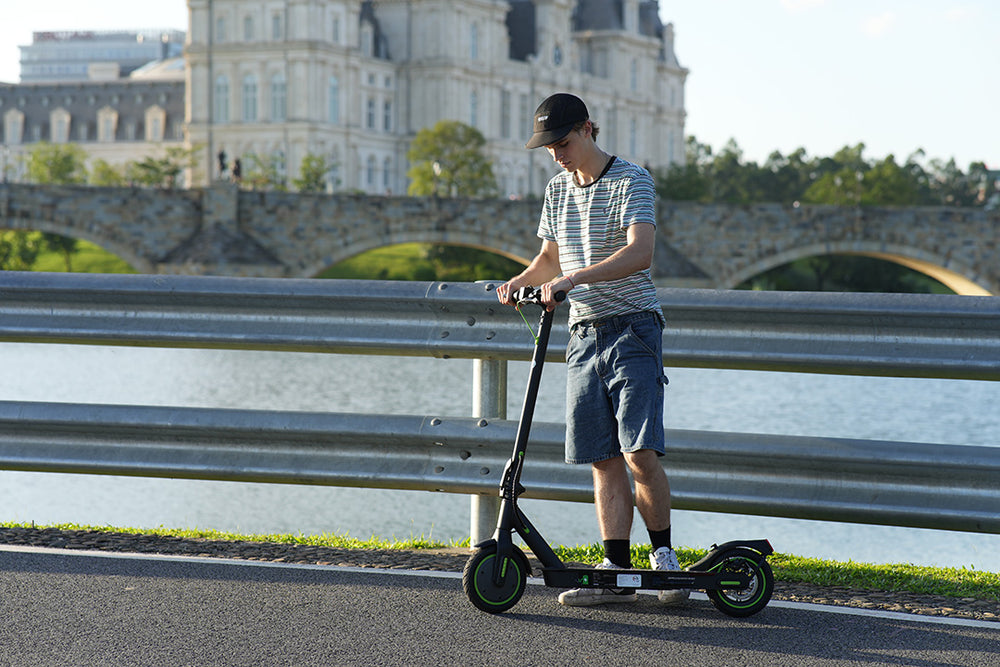
Low weight makes it way easier to carry your scooter up stairs or onto a bus. Folding mechanisms matter too—look for scooters that fold quickly and lock in place.
Quick folding saves you time and makes storage a breeze, whether you’re at home or work. Folding handlebars can shrink the scooter’s footprint even more.
If you live in a small apartment or need to stash it under a desk, check the folded measurements. Smaller is definitely better for tight spaces.
Keep in mind, scooters with pneumatic tires offer a smoother ride, but they might add a little bulk. You’ll have to decide which matters more for your routine.
Want to ride smart, safe, and stylish in urban areas? Dive into Commuting by Scooter: Gear, Laws, and Etiquette Full Guide for ultimate commuter confidence.
Range, Speed & Power—Balanced Performance In A Small Frame
You’ll want a scooter that can handle your whole commute without stopping to recharge. Most compact scooters have a range from 10 up to 30 miles per charge. The Niu Kqi3 Max, for example, almost hits 30 miles.
Top speed usually lands between 15–20 mph. Sure, faster is tempting, but safety on busy city streets matters too.
Smaller, lighter scooters might have a bit less battery and power, but newer motors manage to deliver enough acceleration for quick rides and urban slopes.
Think about your local terrain. Some scooters come with bigger batteries and strong motors for hills, but that adds weight. For city commutes, a good mix of modest speed, a reliable battery, and smooth tires—like pneumatic or air-filled—makes for a safer, more enjoyable ride.
Want compact speed that lasts? Check out our fast long range electric scooter collection for folding scooters with impressive mileage.
The Best Compact Electric Scooters From isinwheel
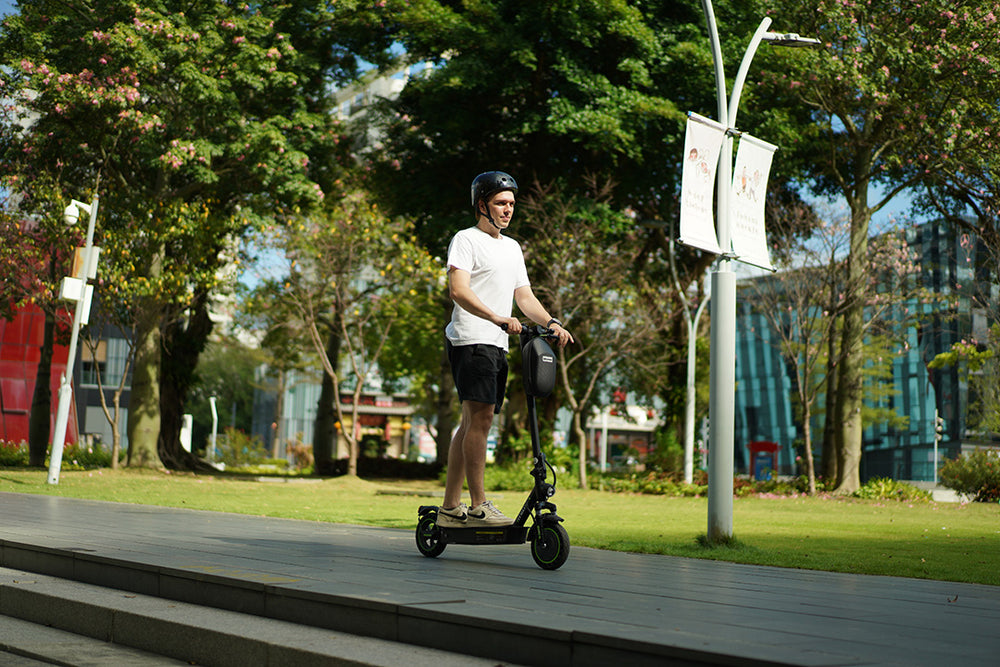
Isinwheel® has some of the most portable electric scooters out there, mixing strong performance with practical, user-friendly designs. Each model finds a balance between speed, range, and comfort, so you can pick what fits best—quick city rides or rougher paths.
iSinwheel® S9Pro Electric Scooter (350W)

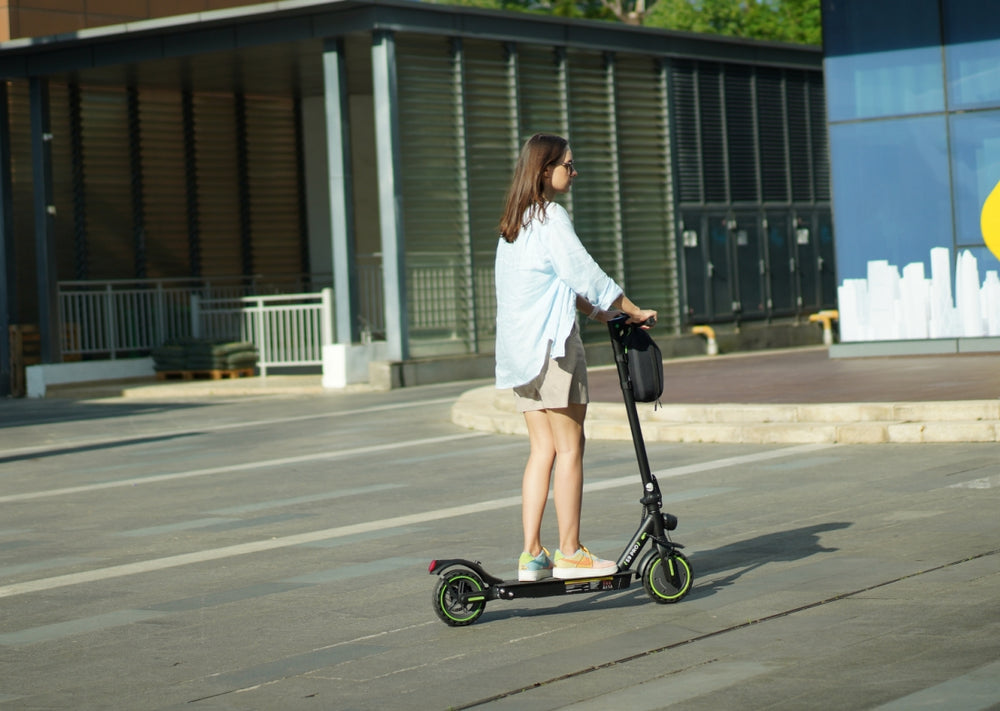
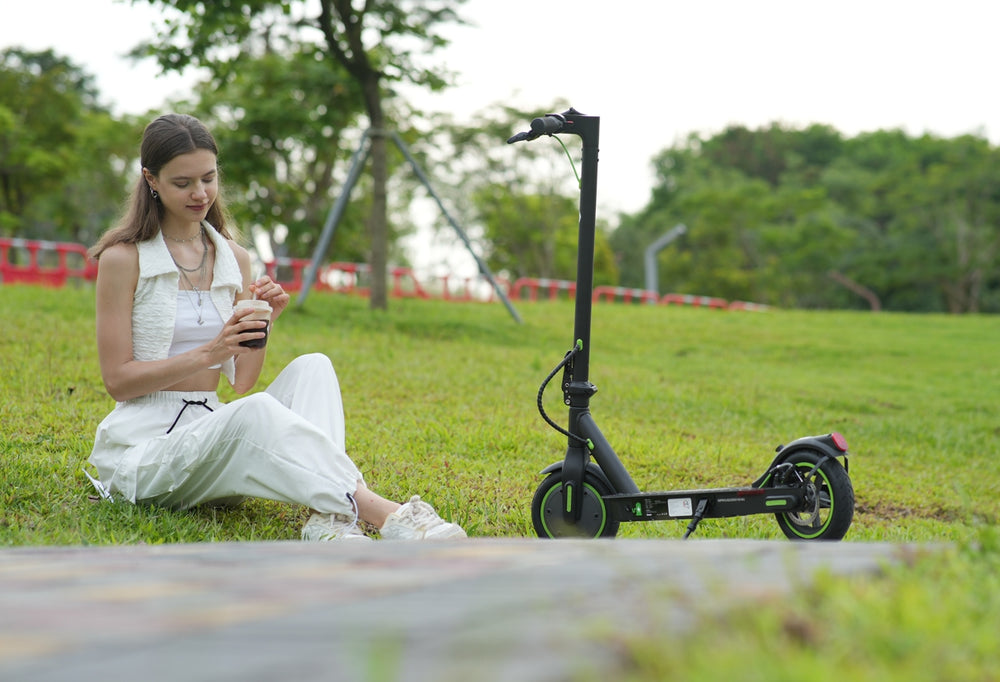
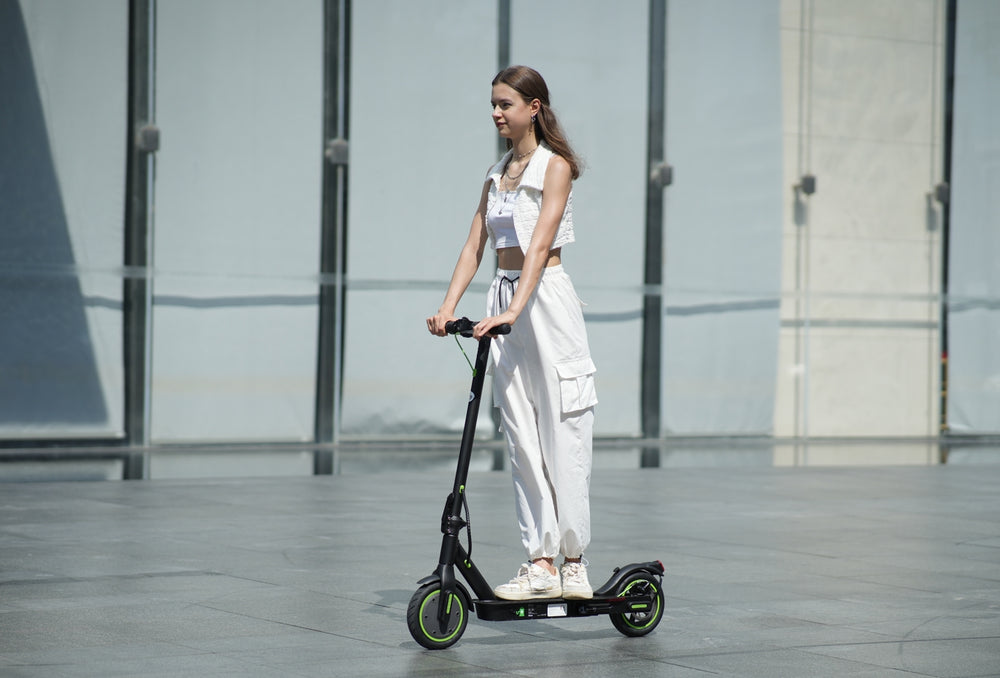
Looking for the best compact e‑scooter that fits city life effortlessly? The iSinwheel® S9Pro Electric Scooter For Adults 350W is your answer.
- Its 350 W motor offers two-speed modes controlled via the MiniRobot app—perfect for quick urban rides.
- Folds in seconds and weighs around 26 lbs, making it a breeze to carry or stash on public transport.
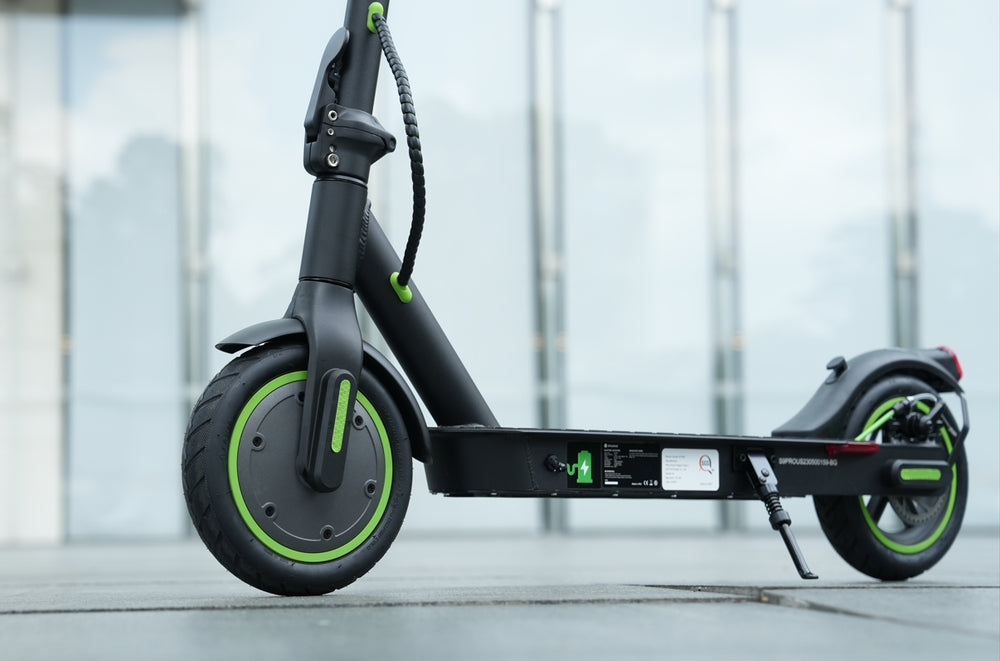
- Comes equipped with dual rear suspension, 8.5″ tires, and front/rear LED lights—ensuring a smooth and safe ride even on bumpy streets.
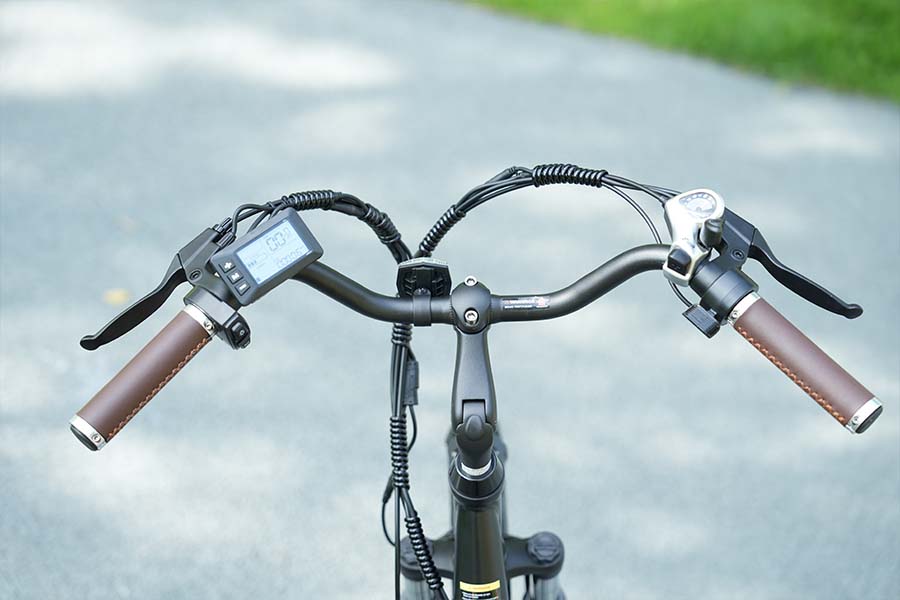
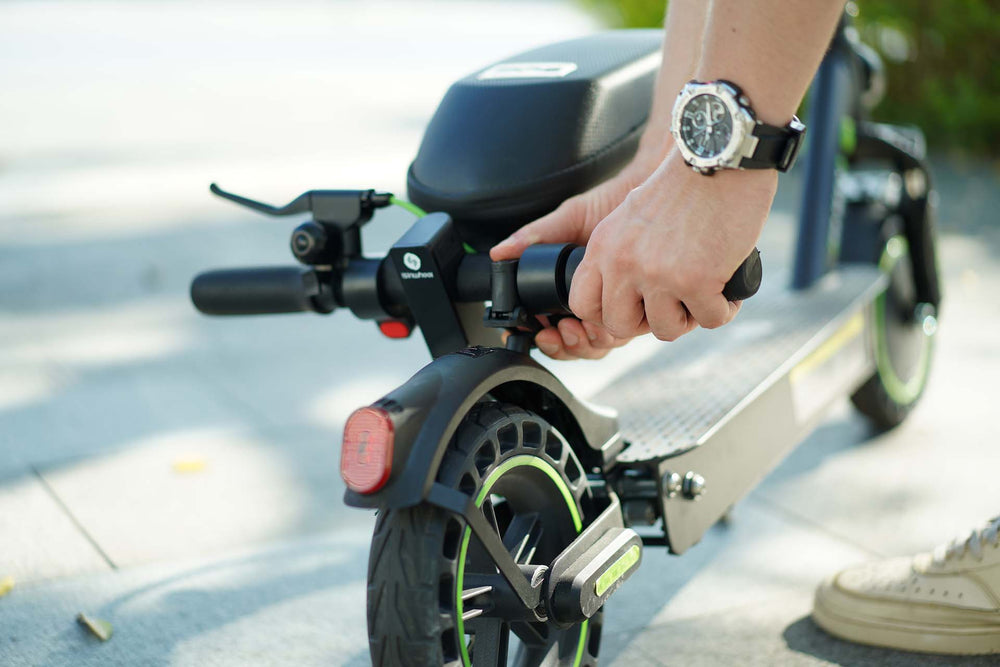
- Features a multi-functional LED display, cruise control, and IP54 splash resistance—traffic-ready tech in a portable form.
If compact convenience and daily commuting ease are top priorities, this is the scooter to beat.
iSinwheel® S10MAX SUV Electric Scooter (1000W)

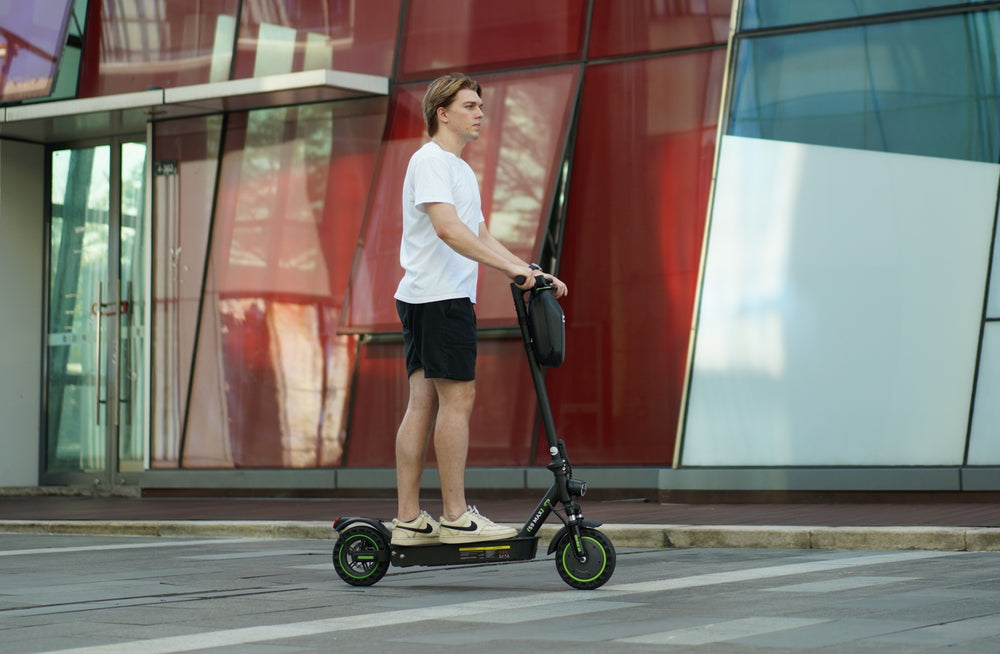
Ready for a compact powerhouse that’s still easy to carry? The iSinwheel® S10Max Electric Scooter (1000W) delivers impressive ride energy with a solid 1000 W motor, reaching up to 28 mph and offering long-distance performance—perfect for commuters seeking rugged portability.
- It folds neatly, and despite its strength, it remains surprisingly manageable for storage and transport.
- Dual suspension with 10″ pneumatic tires smooths out uneven surfaces, keeping your ride steady and enjoyable.
- Wide deck gives you room to stand comfortably on longer rides.
- A full lighting setup includes headlights, turn signals, and a rear brake light for visibility and safety.
- Dual braking (EABs + rear disc) offers robust, weather-resistant stopping power—perfect for urban commuting.
iSinwheel® GT2 Off Road Electric Scooter (1000 – 1200W)

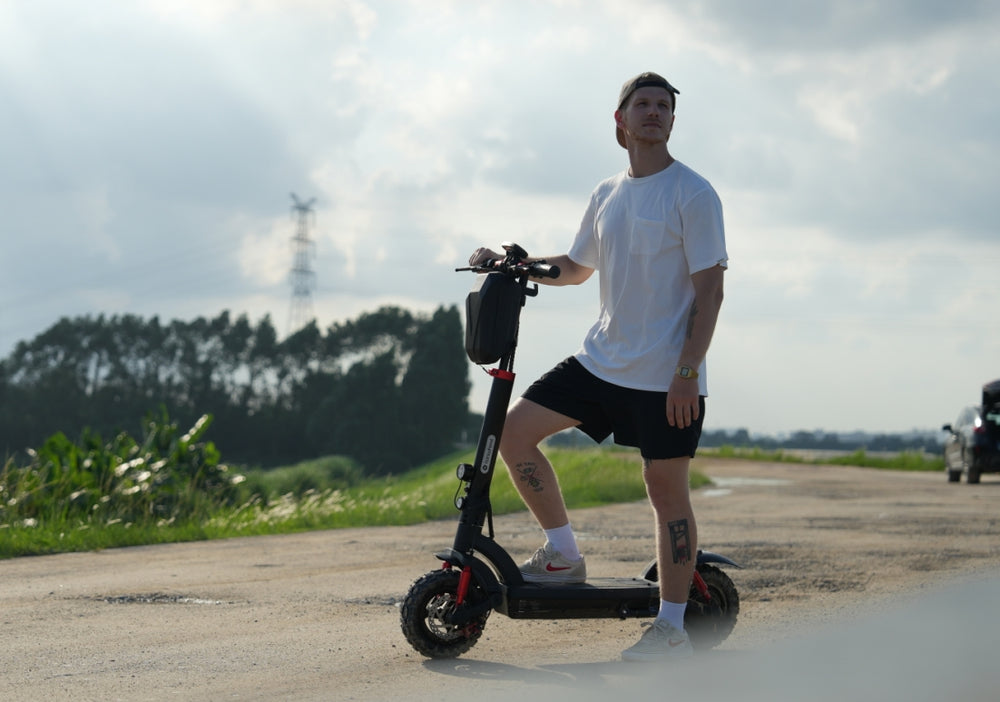
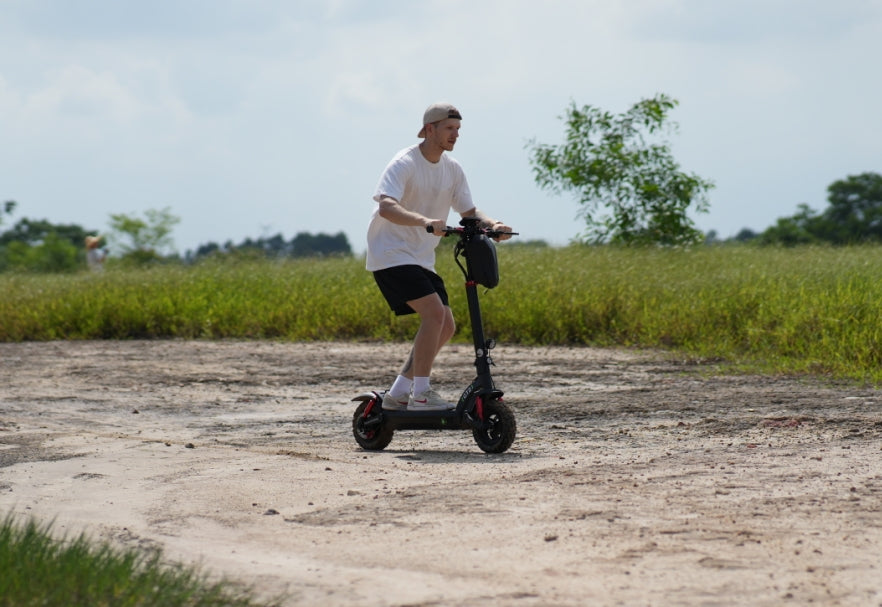
Designed for off-pavement thrills, the GT2 features a 1200 W peak motor (1000 W nominal) that conquers steep hills with ease and reaches speeds up to around 28 mph.
- The magnesium alloy frame folds compactly for easy storage and transport.
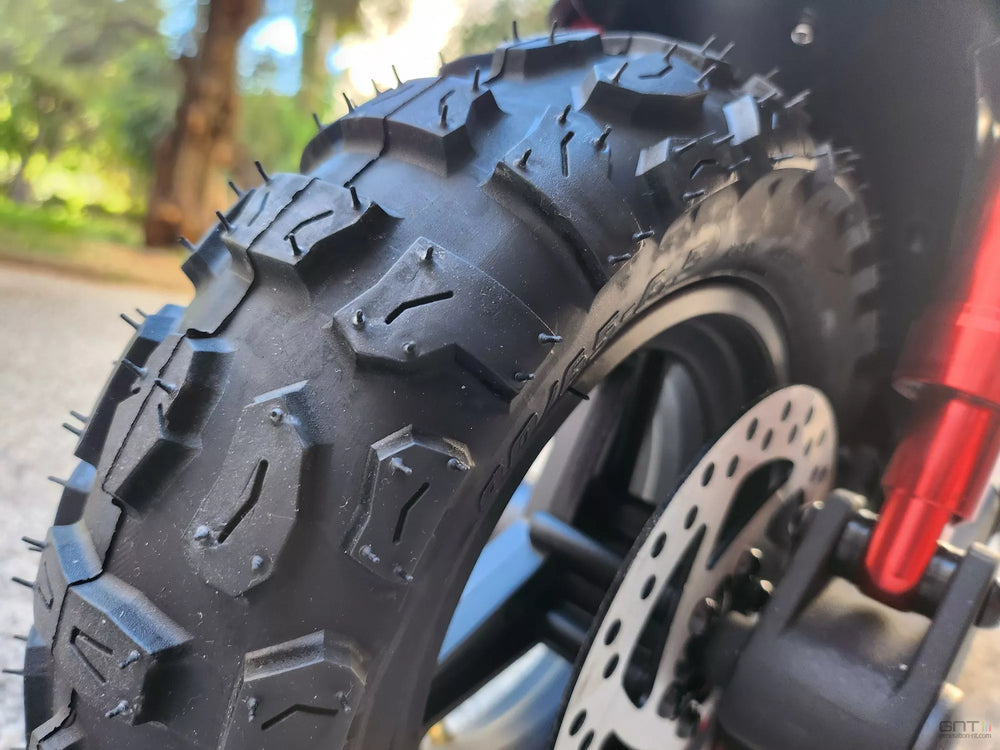
- With 11″ pneumatic off-road tires and both front and rear hydraulic or disc brakes & EABS, it delivers solid control and traction over gravel and dirt.
- The sturdy dual suspension system smooths out bumps, keeping rides comfortable on rough terrain .
- A bright LED display offers real-time speed, battery level, ride mode, and lighting status.
- Equipped with headlights, ambient lights, and turn signals, it keeps you visible—even on early morning or evening trails.
- Powered by a 48 V 15 Ah battery, the GT2 delivers up to approximately 37 miles of range—great for extended adventures.
Struggling to choose between a compact scooter or a bike? Compare both in Electric Scooter vs Electric Bike: Which Is Right for You? for the best ride option.
How To Choose The Best Compact Electric Scooter
Finding the right compact scooter means juggling power, comfort, and safety with your daily routine. You’ll want to think about how far you ride, the kind of routes you take, and who’s actually using the scooter.
Match Scooter Power & Range To Your Commute
The motor size and battery range really shape your daily travel. For city trips between 5 and 15 miles, a 250–500 watt motor usually does the trick on flat roads.
Got hills? Go for 350 watts or more. Compact models usually offer 10–18 miles per charge, but some stretch further.
Bigger batteries add weight, so ask yourself if you really need the extra range. For short trips, a lighter scooter is easier to haul on buses or into buildings.
Check recharge times, too. Faster charging can make life easier if you ride more than once a day.
Consider Suspension, Tires, And Braking For Comfort And Safety
Suspension and tires make a big difference for comfort and safety, especially in a busy city. Suspension systems—spring or air—smooth out rough pavement.
Solid tires need less care, but air-filled (pneumatic) ones grip better and absorb shocks. For city commuters, 8–10 inch pneumatic tires hit a nice balance between comfort and handling.
Brakes are crucial. Electronic, disc, and foot brakes all have their fans. Disc brakes give you strong stopping power and work well even in the rain.
Look for at least a front or rear disc brake for safer city rides. If you’re riding in traffic or bad weather, double check that the braking system fits your needs.
Durability And Load Capacity—Who’s Riding And How Often
Durability really comes down to build quality and how much weight your scooter can handle. Most compact scooters support 220–265 lbs, but double check if you’re carrying extra gear.
Aluminum frames stay light and resist rust. Steel frames are heavier but tougher. If you ride every day or share the scooter, a stronger frame will last longer.
Water resistance and solid construction matter if you’re out in all weather. Watch for reinforced decks and sturdy folding parts, especially if you fold the scooter a lot. A good warranty is always a plus for frequent riders.
Wondering how weight affects a compact scooter’s balance and portability? Learn more in Electric Scooter Weight Limits: What Riders Need to Know.
Final Thoughts
Choosing the best compact electric scooter means balancing portability, power, and performance. The isinwheel® S9Pro is perfect for light city travel with its easy carry and mild speed.
The S10MAX steps it up with longer range and faster top speeds in a surprisingly compact fold.
For adventure seekers, the GT2 delivers off-road readiness and peak power in a still-foldable package. Each model shines in its niche—from downtown cruising to weekend trails—so pick the one that fits your ride style, commute distance, and storage needs.
If you're ready to conquer trails or commuting routes, don’t miss our e-bike collection for longer rides and e-scooters for kids for fun family outings!
Frequently Asked Questions
What makes an electric scooter fast?
The speed of an electric scooter really comes down to motor power, battery voltage, and weight. Scooters with motors rated at 350W or higher usually hit faster speeds than the basic models.
A lightweight frame helps too, since the motor doesn’t have to work as hard. Most compact scooters try to balance speed with portability, so you’re not lugging around a tank just to go a bit quicker.
Manufacturers love to advertise brushless motors, claiming they’re more efficient. I’ve noticed that tire type and your battery’s charge level also make a difference—sometimes more than you’d expect.
Some scooters use direct drive motors, while others stick with hub motors. Hub motors show up a lot on compact scooters because they’re lighter and don’t break down as much.
If you’re after a zippier ride, check the motor specs and look for something rated at least 15-20 mph. That’s usually the sweet spot for city commuting anyway.
How to improve electric scooter range?
Want to get more miles out of your scooter? Start with the battery. Lithium-ion batteries last longer than the older ones, so you’ll want one of those.
Keep your tires pumped up and try to avoid sudden bursts of speed or hard stops. It’s surprising how much that helps.
Stick to lower speeds and flat roads if you can. Carrying less stuff also stretches your range, so maybe leave the heavy backpack at home.
I always try to charge my battery before it dips below 30%. Some scooters let you swap in a spare battery, which is a lifesaver for longer trips.
Keeping your scooter clean, lubricated, and generally in good shape stops you from wasting energy on friction or worn-out parts.
What is the most efficient speed for an electric scooter?
Most scooters hit their efficiency stride at moderate speeds, usually somewhere around 10-15 mph. If you push the throttle all the way, you’ll chew through the battery way faster.
Manufacturers usually design scooters to deliver their best range at those middle speeds, not at full tilt. Riding at a steady pace, rather than constantly speeding up and slowing down, helps you go further on a single charge.
If you can, pick flat, smooth routes. Hills and rough pavement always drain more energy—no getting around that.
Your scooter’s manual probably lists the ideal cruising speed. Battery performance charts usually show you’ll get the most range by keeping things steady and not maxing out the speed all the time.
Can you upgrade your electric scooter?
You can upgrade some parts, but compact scooters don’t give you as many options as you might hope. Most folks start with tires, lights, or grips.
If your model allows it, swapping in a bigger battery could boost your range, but that depends on the design and might mess with your warranty. Puncture-proof or wider tires can make your ride smoother and safer.
Brighter lights or extra reflectors help a ton for night rides. Changing out grips or decks can make long commutes way more comfortable.
Most scooters use integrated parts, so trying to upgrade the motor or controller isn’t easy and can get complicated fast. Always double-check your warranty and maybe reach out to the manufacturer before making any big changes.
How fast does a good electric scooter go?
A decent compact electric scooter for adults usually hits around 15-20 mph. Some pricier models push past that, but they tend to cost and weigh more.
For city commuting, 15 mph feels about right. You can keep up with urban bike traffic and still navigate pretty safely.
Many cities set the legal limit for scooters at 15 mph on public roads. Shared scooters almost always follow this rule.
If you go faster, you might run into trouble with local laws, especially on bike paths. It’s worth double-checking before you ride.
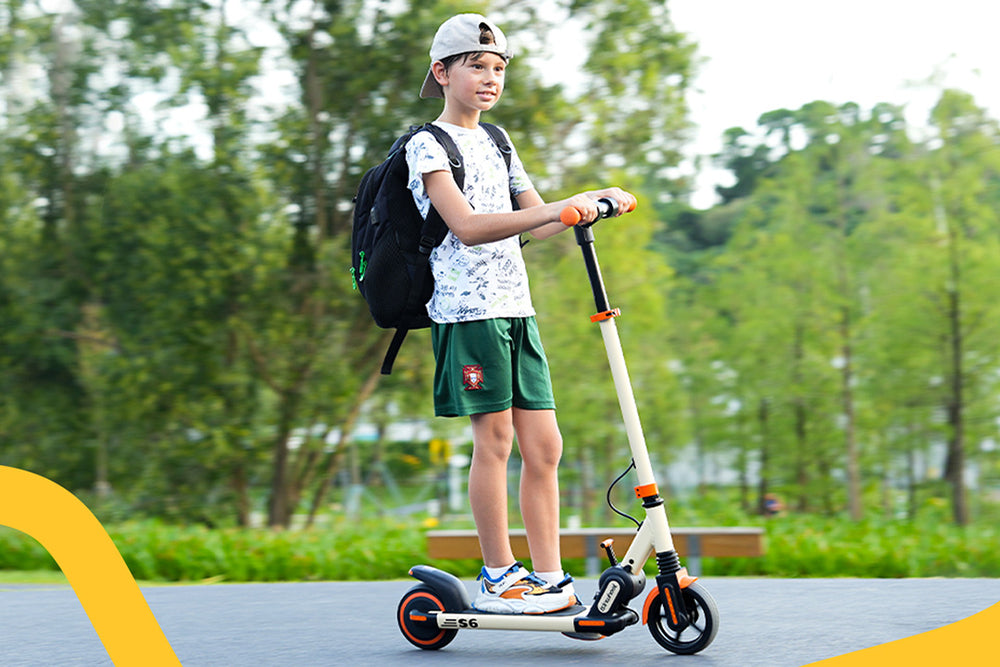
Manufacturers design scooters for kids and younger riders to be slower, usually maxing out at 10-12 mph. Always check the speed rating and see if it fits your area’s rules—and what you actually need.
The Latest Posts


Explore isinwheel products
City E Scooter | Off-Road Scooter
Fastest Scooter | Kids Scooters

best compact electric scooter ·










Leave a comment