












Commuting by Scooter: Gear, Laws, and Etiquette Full Guide
Commuting by scooter is becoming more popular in cities as people search for easier and faster ways to get to work or school.
Scooters offer a practical alternative to cars or crowded buses, making your daily trips smoother and more enjoyable.
You can save money, avoid traffic, and even help the environment by choosing a scooter for your commute.
In this guide, we explore everything you need to know about commuting by scooter, from benefits to safety and choosing the right model.
Whether you’re new to scooters or looking to improve your daily ride, there’s something here.
Why Commuting by Scooter Makes Sense in Today’s Cities

City life often means dealing with crowded roads, high travel costs, and rising concerns about pollution. Commuting by scooter addresses many of these challenges in practical, everyday ways that can benefit you.
Save Time in Traffic
Urban roads are known for heavy traffic, especially during rush hour. Scooters let you move through congested streets more smoothly than cars or buses. You can navigate smaller spaces and take shortcuts that larger vehicles cannot.
Scooters are exceptionally efficient for commutes between 2 and 8 miles. You are less likely to get stuck waiting in long lines of traffic, and parking is also easier, as scooters fit in much smaller spaces.
You spend less time searching for parking spots and can often park right at your destination. This makes your entire trip quicker, which is ideal if you value your time.
Cost-Effective Travel
Using a scooter is usually less expensive than driving a car or relying on public transport daily. Charging an electric scooter costs only a few cents for each trip, much cheaper than paying for gas or daily transit fares.
Here’s a simple breakdown of typical costs:
|
Mode |
Daily Cost |
Maintenance |
|
Electric Scooter |
Very low (charging) |
Minimal (tires, brakes) |
|
Car |
High (fuel, parking) |
Higher (repairs, insurance) |
|
Public Transit |
Moderate to high (fares) |
None (not owner) |
Maintenance on scooters is straightforward. You mostly need to check the tires, brakes, and battery. Unlike cars, scooters do not require oil changes or major repairs as often. Over time, the savings from lower running and upkeep costs add up.
Eco-Friendly Commuting
Scooters run on batteries and produce zero tailpipe emissions. By choosing a scooter over a car or even a bus, you actively help reduce air pollution.
Other environmental benefits include:
- Lower energy use: Scooters consume far less power compared to most vehicles.
- Small carbon footprint: The electricity used for charging is often cleaner than burning gasoline.
- Less noise: Scooters are much quieter, so they help reduce urban noise levels.
Switching to a scooter is a practical step if you want to shrink your carbon footprint. It’s also suitable for daily use without the guilt of adding to city pollution.
📌 Also Read: 5 Best Electric Scooter Navigation Apps for Easy Rides
How to Get Started with Commuting by Scooter
Deciding which type of scooter to use and what features to look for will help make your rides safer and more comfortable. It's also important to follow local rules to avoid fines or issues.
Choose Between Electric and Kick Scooters
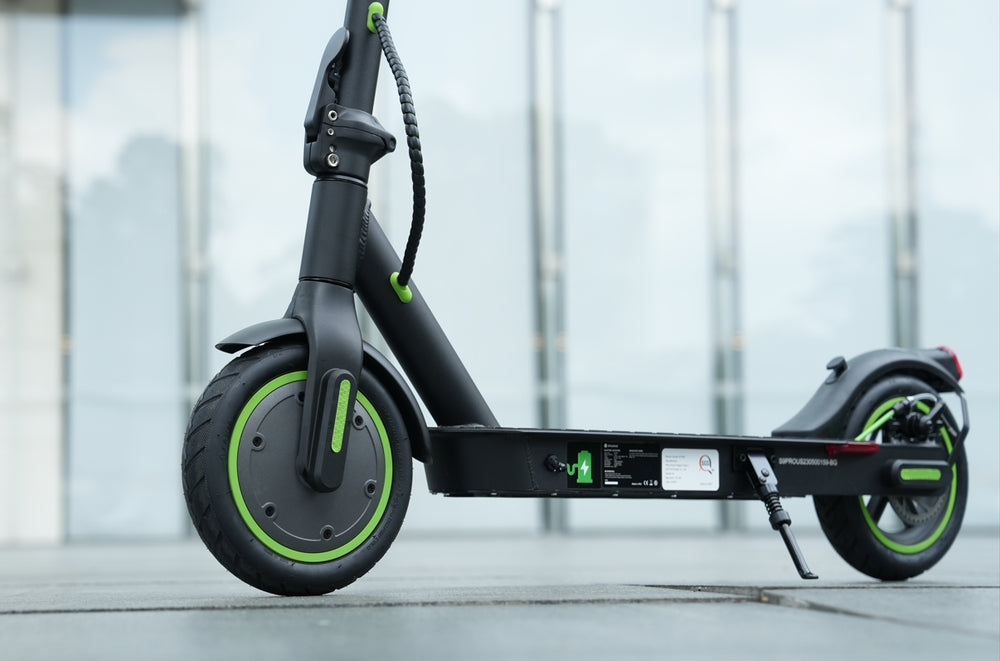
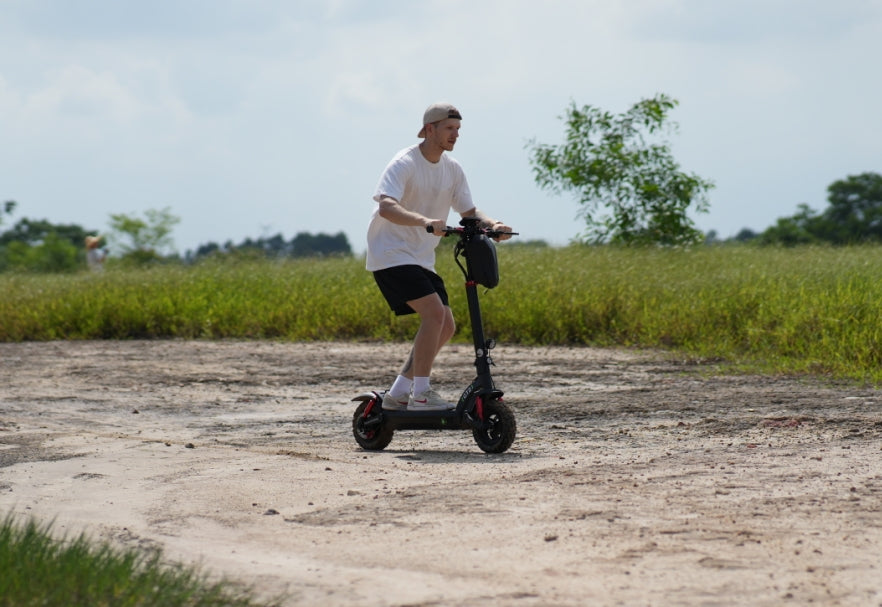
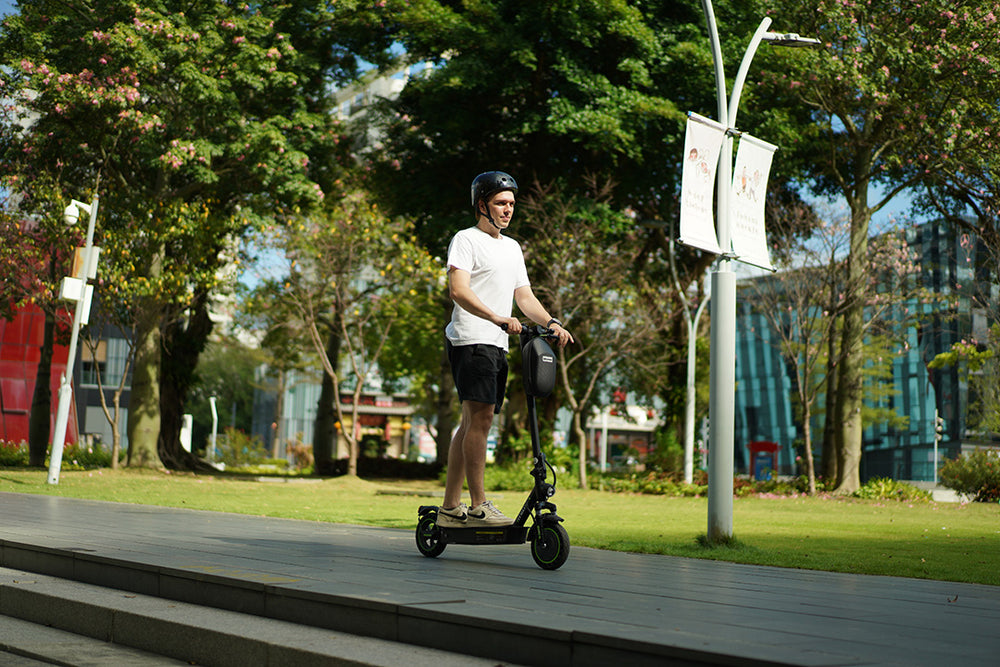
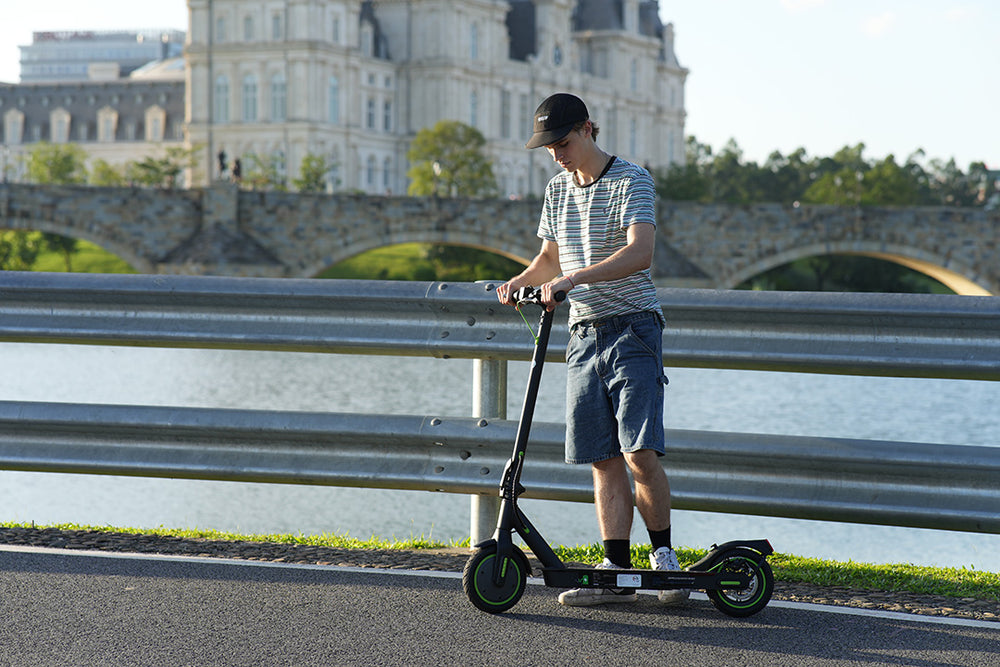
Electric scooters have a built-in motor and battery. They can reach speeds up to 15–20 mph (24–32 km/h) and travel longer distances. If you commute several miles or have hills, an electric scooter is usually the best choice.
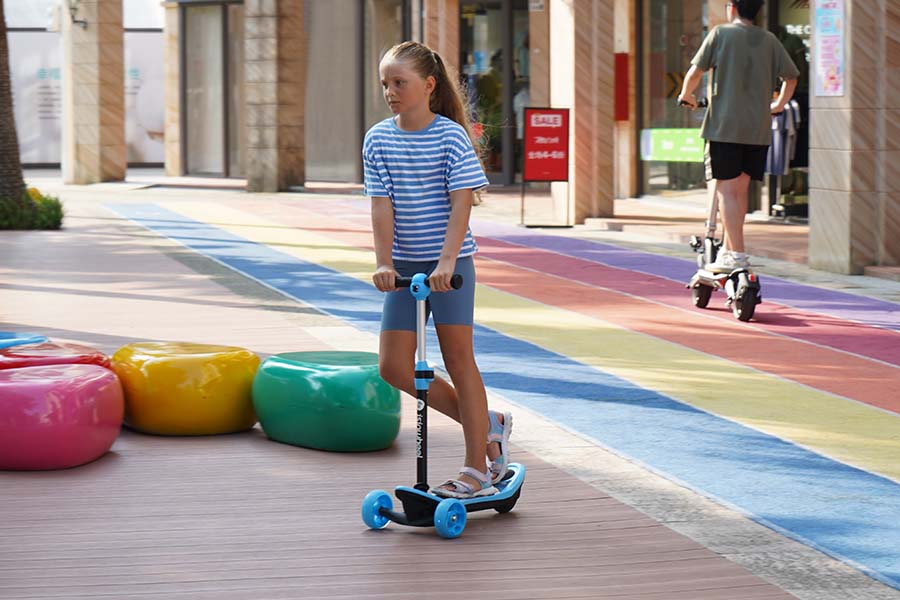
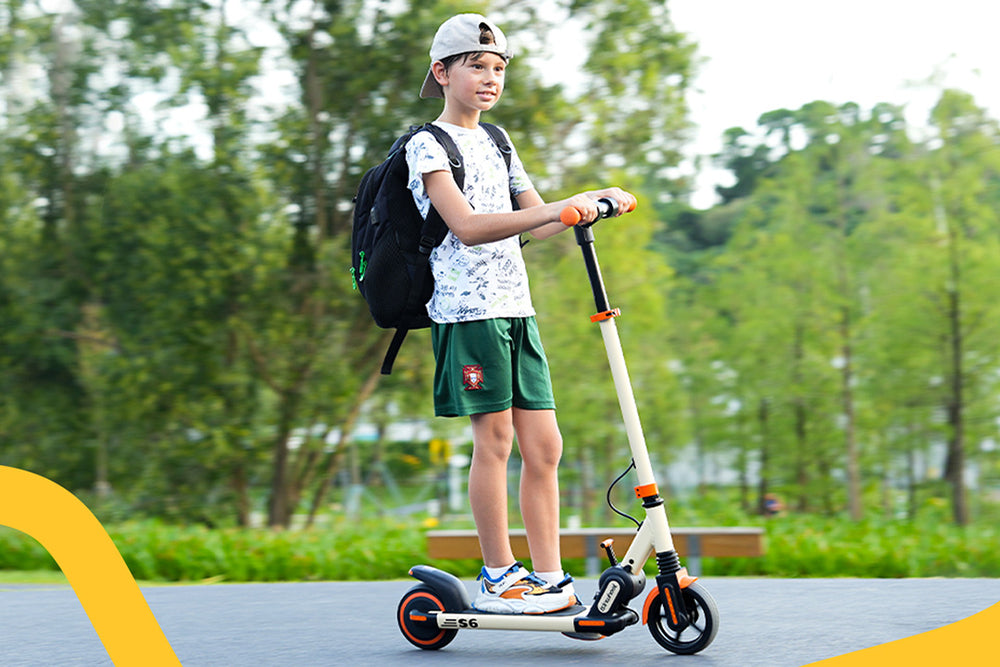
Kick scooters are powered by you pushing off the ground. They are very lightweight, simple to use, and easier to carry or store. Kick scooters work best for short trips, flat routes, or “last mile” rides after using public transport. They also tend to cost less than electric scooters.
|
Feature |
Electric Scooter |
Kick Scooter |
|
Motor |
Yes |
No |
|
Range |
Longer (up to 20+ mi) |
Short (1–2 mi) |
|
Weight |
Heavier |
Light, easy to carry |
|
Cost |
More expensive |
More affordable |
|
Best For |
Longer commutes |
Short distances |
Factors to Consider When Choosing a Commuter Scooter
Look for a scooter that matches your needs. Consider these factors:
- Battery life: Choose a scooter with enough range to cover your daily commute, with extra in case of detours.
- Weight: A lighter model makes it much easier if you have to carry it upstairs or onto public transport.
- Top speed: Some electric scooters can go faster, but higher speeds may not be allowed in crowded areas.
- Portability: Many scooters fold, which helps if you need to store them at work or at home.
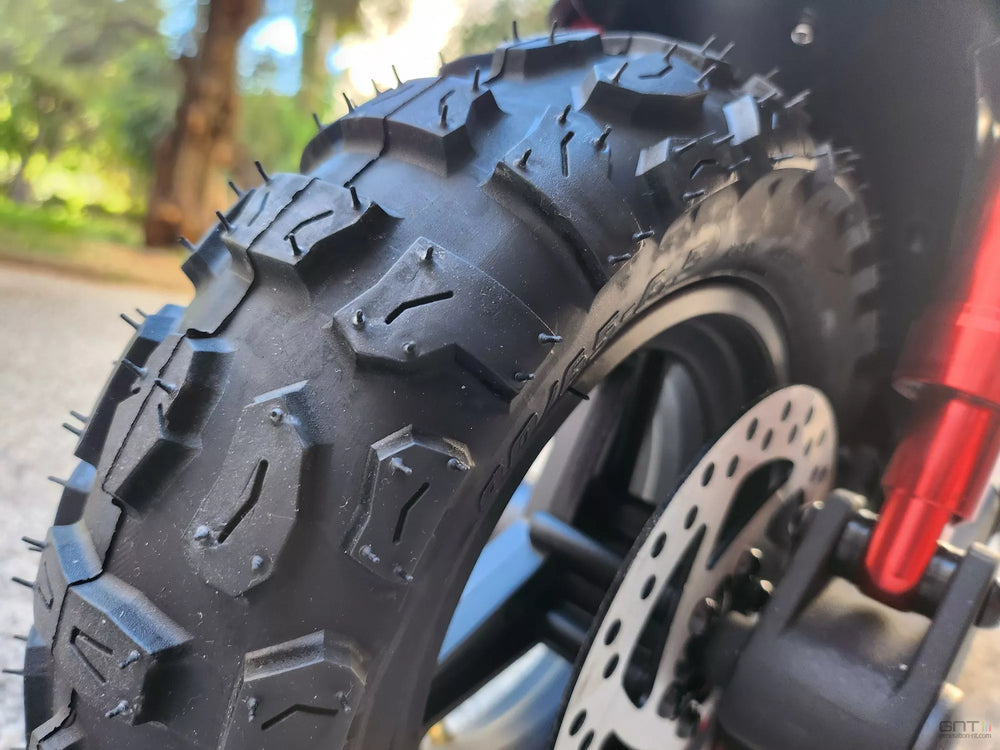
- Suspension and tires: Good suspension and larger tires offer a smoother ride, especially if you’ll go over bumps or rough ground.
Think about the terrain on your route. Hilly areas and rough streets require a sturdier scooter with more power and better wheels.
📌 Also Read: Electric Scooter Weight Limits
Understand Local Laws and Regulations
Before riding, check the rules for scooters in your city or state. Not all places allow electric scooters or kick scooters on the same roads.
- Some cities let scooters use bike lanes, while others ban them from sidewalks.
- There may be minimum age limits or helmet requirements, especially for younger riders.
- You might need a license or need to register your electric scooter in some locations.
- Rules can set speed limits or even restrict where you can park your scooter.
Ensure you know and follow these laws to ride safely and legally.
📌 Also Read: Electric Scooter UK Law: What You Must Know in 2025
Essential Tips for Safe and Smooth Commuting by Scooter

Commuting by scooter safely depends on the gear you use, your knowledge of the laws, and your handling of changing weather and road conditions. Attention to these details helps you avoid most common problems on your daily ride.
Safety Gear You Should Never Skip
A helmet is the most important piece of safety gear for scooter riders. It protects your head in case of a fall or crash. Choose a helmet that fits well and meets safety standards.
Use lights on your scooter, especially if you travel early in the morning, late in the evening, or in cloudy weather. Front and rear lights make you more visible to cars, bikes, and pedestrians. For added visibility, add reflectors to your backpack or jacket.
Wear gloves to protect your hands and improve your grip. Consider elbow and knee pads for extra protection if you are new to riding or if your route has many bumps and turns.
Here’s a quick list:
✓ Helmet (always)
✓ Scooter lights (front and rear)
✓ Reflective gear
✓ Gloves
✓ Optional: Elbow and knee pads
Learn the Rules of the Road
Know your local laws before riding your scooter on public roads or bike lanes. Most cities require scooters to use bike lanes or designated paths when available. Avoid sidewalks unless local regulations allow it.
Use hand signals to let others know when you are turning or stopping. Always check for cars, trucks, and other riders before crossing streets or changing lanes. Pay close attention at intersections and driveways, where cars might not see you.
Stay alert and ride predictably. Assume that drivers, cyclists, and pedestrians may not notice you. Keep both hands on the handlebars, and never use your phone while moving.
📌 Also Read: Electric Scooter Maintenance Guide
Weather and Road Conditions
If it’s raining, snowing, or icy, only ride if your scooter is rated for those conditions. Wet and slippery roads make it hard to stop quickly and increase the risk of losing control.
Look for scooters with water resistance or special tires if you often ride in bad weather. Always check your tire pressure and brakes before heading out. Avoid riding over puddles, slick leaves, or debris.
Use caution when roads are rough or damaged. Slow down for uneven pavement or potholes. Being careful in challenging weather or road conditions can help prevent falls and keep your commute safe.
Tips to Make Commuting by Scooter More Convenient

Getting the most out of your daily scooter ride means planning ahead and staying prepared. Small changes to your routine can help you get to work or school faster, safer, and with less stress.
Plan Your Route
Picking the correct route makes each commute smoother. Many map apps let you select bike or scooter paths, which are often safer and less crowded than busy streets.
If your scooter isn't made for rough terrain, consider the surface quality and avoid routes with big cracks, potholes, or steep hills. Smooth, well-lit roads are best, especially early in the morning or at night.
If you must cross busy roads, look for crosswalks or traffic lights to make it easier and safer. Checking your route ahead of time can also help you avoid construction, traffic jams, or hazards.
A simple tip: save your favorite routes or bookmark them in your navigation app for quick access. This will save you time and help you stay confident and focused every day.
Keep Your Scooter Charged and Maintained
A well-maintained scooter makes your commute reliable. Plug in your scooter every night so you start the day with a full battery. This also helps avoid sudden stops mid-ride.
Check tire pressure once weekly, low tires make rides feel bumpy and use up your battery faster. Make it a habit to inspect the brakes for wear so you can stop quickly in an emergency.
Other simple ways to protect your scooter:
- Use a lock if you leave it outside at school, work, or shops.
- Clean your scooter if it gets dirty, especially after riding in rain.
- Check lights and signals if you ride in the dark.
With these quick checks, your scooter stays safe and ready whenever needed.
Combine Scooters with Public Transport
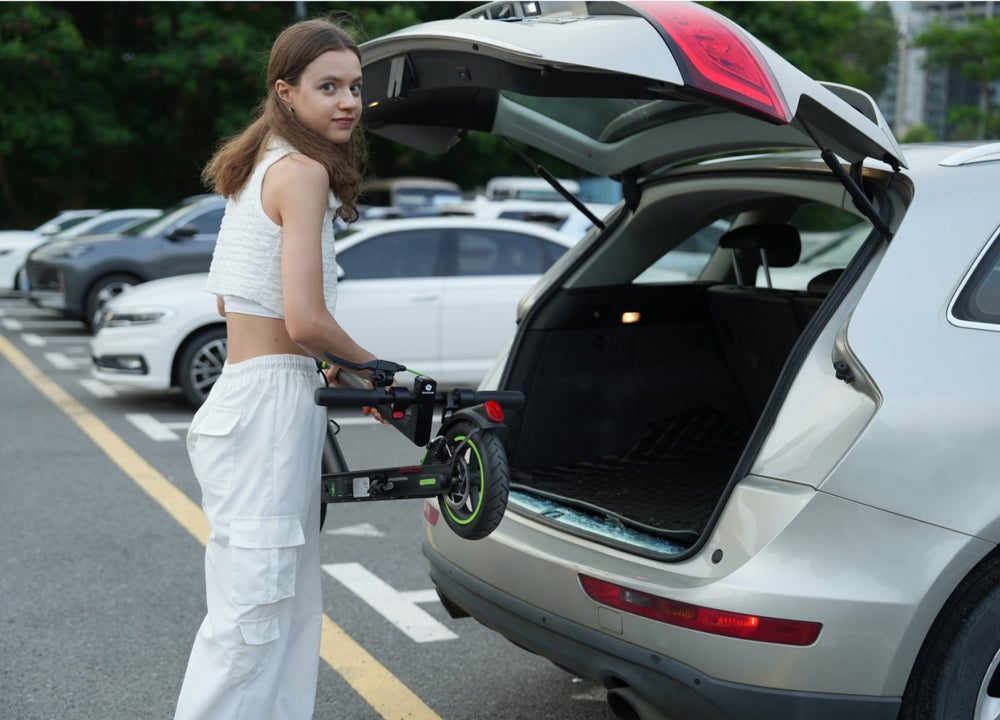
Using both a scooter and public transport helps you travel farther without the hassle. Many foldable scooters are light enough to carry on buses, trains, or subways.
For longer commutes, this makes it easy to reach places without parking or far from transit stations. It also saves time compared to walking the whole way.
Tips for combining scooters with public transit:
- Choose a scooter that folds and locks to store it under your seat or next to you.
- Check local transport rules; some places ask you to carry a case or bag.
- Plan your trip so you know where you’ll board and get off, and how you’ll cover the “last mile” on your scooter.
This mix-and-match approach helps you stay flexible and avoid traffic jams.
Conclusion
Electric scooters can make your daily commute simpler and less stressful.
You may find you save both money and time compared to driving or taking crowded public transport.
Key benefits of commuting by electric scooter:
- Lower costs on gas and parking
- A smaller carbon footprint
- Easier ways to get around traffic jams
- Convenient for short and medium distances
Switching to a scooter is also better for the environment. Electric scooters produce no tailpipe emissions and can help reduce city air pollution.
You might also notice better health, since standing and steering can keep you more active during the day.
Electric scooters are worth considering if you want a greener, faster, and less expensive commute.
Ready to ditch traffic? Grab an electric scooter from Isinwheel and hit the road!
Top Products You May Also Like 👍


Frequently Asked Questions
Scooters for commuting come with legal, safety, and practical considerations. Rules and best options can differ depending on the city, distance, and type of scooter you use.
Is commuting by scooter legal in my city?
The laws regarding scooters vary between cities and states. In the UK, electric scooters are legal in most places, but there are common rules like speed limits and using bike lanes. Some cities do not allow scooters on sidewalks or main roads. You should always check your local laws before riding your scooter.
How far can I commute by electric scooter?
Most electric scooters range between 10 and 30 miles on a full battery. The exact distance depends on your scooter model, your weight, the road surface, and how fast you ride. Longer commutes may require a scooter with a larger battery.
Do I need a license to ride a scooter?
For electric scooters, a license is usually not required in many cities in the US. If you are riding a gas-powered or larger scooter, you may need a driver’s license or even a motorcycle permit. Always look up the specific rules for your area.
What kind of scooter is best for commuting?
A good commuter scooter is lightweight, easy to fold, and has enough range for your full trip. You may also want a model with reliable brakes, front and rear lights, and some weather protection. Electric scooters are better for short city trips, while bigger models or gas scooters are better for longer routes.
Can I ride a scooter in the rain?
You can ride some scooters in light rain if they are made with waterproof parts. However, wet roads can be slippery and reduce brake power. Many scooter makers advise against riding in heavy rain or through deep puddles. Check the manufacturer’s guidelines before riding in wet conditions.
The Latest Posts


Explore isinwheel products
City E Scooter | Off-Road Scooter
Fastest Scooter | Kids Scooters

Benefits of Electric Scooter · electric scooter · Electric Scooter For Commuting ·











Leave a comment