













How to Ride a Bike: Guide for Beginners of All Ages
Learning how to ride a bike can be a fun and empowering experience for beginners of all ages. Whether you’re using a regular bike or an electric bike, cycling brings freedom, fitness, and enjoyment. This guide covers everything you need to get started: choosing the right bike, step-by-step riding instructions, safety tips, basic maintenance, and building confidence on two wheels.
How to Learn to Ride a Bike
Teaching someone how to ride a bike starts with proper preparation, including choosing the right bike, wearing essential safety gear, and practicing in a safe, flat area. Begin with mounting, balancing, pedaling, steering, and braking, gradually building endurance and confidence. Consistent practice, tracking progress, and staying safe help beginners—kids, teens, or adults—develop cycling skills and enjoy the freedom, fitness, and fun of riding a bike.
Preparing to Ride a Bike
Proper preparation is essential for beginners to enjoy cycling safely and confidently. Choosing the right bike, wearing protective gear, and practicing in a safe environment will make learning how to ride a bike easier and more fun.
Choose the Right Bike
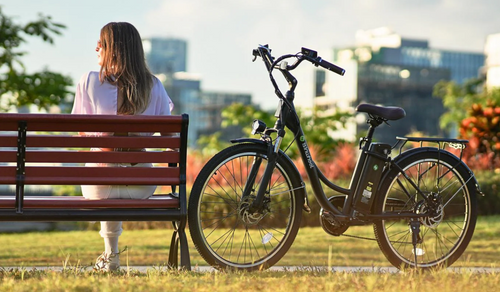
Selecting the right bike is crucial for beginner cyclists. Ensure the frame size matches your height, the saddle allows your feet to touch the ground, and handlebars are comfortable to reach. isinwheel electric bikes are beginner-friendly, offering pedal-assist modes, lightweight frames, and adjustable settings that help improve balance, control, and endurance. A well-fitted bike reduces fatigue and enhances safety, whether you’re learning on a regular bicycle or an electric bike.
Safety Gear Essentials
Safety gear is a must for all new riders. Always wear a helmet, along with knee and elbow pads, to protect against scrapes and injuries. Gloves improve grip, and bright or reflective clothing ensures visibility in all conditions. Optional gear like wrist guards, cycling lights, or sunglasses can boost confidence and safety while learning to ride.
Clothing and Footwear
Wear fitted, comfortable clothing that won’t get caught in pedals or the chain. Closed-toe shoes provide secure pedal contact and reduce slipping, while breathable fabrics keep you cool and comfortable. Layered clothing works well in cooler weather. Optional cycling shorts or gloves improve comfort for longer rides but aren’t required for beginners.
Best Practice Locations
Practice in quiet, flat areas like parks, schoolyards, empty parking lots, or smooth driveways. Soft surfaces like grass reduce minor fall impacts, while firm ground helps improve bike handling skills. Avoid busy streets until you are confident in controlling the bike and using brakes correctly. isinwheel electric bikes make it easier for beginners to tackle gentle slopes with pedal assist while focusing on balance and steering.
How to Ride a Bike – Step-by-Step Guide for Beginners
Step 1: Mount the Bike
Mounting correctly sets the foundation for control and confidence. Stand on one side of the bike and hold the handlebars firmly to stabilize it. Slowly swing your leg over the saddle and sit upright, keeping both feet on the ground. This provides a secure base before the bike starts moving.
A stable mount helps beginners—whether kids, teens, or adults—feel grounded during their first rides. If you’re wondering how do I teach my son to ride a bike or looking for tips on how to teach a child to ride a bike, practising this mounting position repeatedly will help them feel steady, safe, and confident before pedaling.
Step 2: Learn to Balance
Balancing is the core skill of cycling and the most important step when learning how to ride a bike. Begin by scooting forward with your feet, pushing lightly off the ground. As you pick up a little momentum, lift your feet and let the bike glide. This teaches your body how to stabilise naturally without forcing movement.
Keep your gaze forward, shoulders loose, and arms relaxed—tension causes wobbling. For parents searching for how to teach a child to ride a bike, encourage slow gliding sessions to help them master balance before trying any pedaling.
Step 3: Start Pedaling
Once balancing feels comfortable, it’s time to introduce pedaling. With one foot placed on a pedal in the “power position” (slightly forward at the 2 o’clock angle), push off strongly with the opposite foot. As the bike rolls forward, place the second foot on the other pedal and begin pedaling at a steady, controlled pace. Focus on smooth circles rather than fast, choppy movements. Keep your core stable and your eyes aimed ahead.
Step 4: Steering
Steering is about direction and body control. Your bike naturally follows your line of sight, so always look toward your destination—whether that’s a straight path, a gentle turn, or a wide arc. Use small, controlled handlebar movements rather than sudden jerks.
Lean slightly into turns and maintain relaxed elbows to keep the bike stable. New riders often oversteer, so practising wide, easy turns first builds confidence before more precise steering techniques.
Step 5: Using Brakes
Learning proper braking technique is crucial for safety and smooth riding. Apply both the front and rear brakes evenly, squeezing lightly instead of grabbing them suddenly. Gradual braking helps you stay balanced, especially at slower speeds or during unexpected stops. Shift your weight slightly backward as you brake to prevent pitching forward. Practise stopping at different speeds to build muscle memory and control.
Step 6: Stopping and Dismounting
As you come to a stop, reduce your pedaling effort, press gently on the brakes, and prepare one foot to touch the ground. Once the bike slows almost completely, place that foot down confidently and keep the other foot ready for balance.
After stopping fully, stay seated or stand and step off while keeping your hands on the brakes to prevent rolling. This step should feel natural after a few practice sessions and is essential for young riders learning the basics of safe bike handling.
Beginner Bike Tips
Cornering
When learning how to ride a bike, mastering cornering is essential for beginner cyclists. Proper cornering improves control, safety, and overall riding efficiency. Approach turns slowly—braking mid-turn can cause wobbling or instability. Keep your body relaxed, look through the corner, and lean your bike slightly while maintaining your weight centered over the pedals. Shift your outside pedal to the lowest position and apply light pressure for added stability. As you exit the turn, gradually pedal to regain momentum. Practicing cornering regularly helps new riders build confidence and ride more smoothly on varied routes.
Riding on Slopes
Learning how to ride uphill on a bike and down slopes builds confidence on varied terrain.
-
Downhill: Keep both hands on the brakes, apply them gently, and maintain a steady speed. Move your hips slightly back to stay balanced and avoid leaning too far forward.
-
Uphill: Shift to an easier gear before the climb, keep your cadence steady, and maintain a comfortable pace. Stay seated to maximise traction, and avoid pushing too hard early in the ascent.
-
Rolling terrain: Practice transitioning smoothly between pedaling and coasting to maintain momentum.
Understanding how to manage slopes helps new riders stay in control without feeling overwhelmed.
Gear Usage
Efficient gear use is an important tip for beginner cyclists. Shift into lower gears when approaching climbs to make pedaling easier, and use higher gears on flat terrain for smoother, faster riding. Shift before encountering heavy resistance—not during hard pedaling—to protect your drivetrain and maintain a steady cadence. Beginners should practice gentle shifting on quiet paths to build confidence and prevent sudden jerks or stalls.
Building Endurance and Confidence
Building endurance and confidence is a crucial part of learning how to ride a bike, especially for beginners. Start gradually by increasing your ride duration and distance, allowing your body to adapt to the saddle and pedaling motion. Short, consistent rides throughout the week are more effective for developing beginner cycling fitness than long, infrequent sessions. This approach helps strengthen your legs, core, and overall balance while minimizing fatigue and reducing the risk of injury.
Beginners often ask: How far should I ride? What pace is ideal? Even if you are already active through running, gym workouts, or other sports, cycling engages different muscles and coordination. Easing into riding ensures your body adapts safely, improves stability, and builds confidence on flat roads, gentle slopes, and varied terrain. Regular practice also reinforces essential skills like smooth pedaling, controlled braking, and accurate steering—all fundamental when learning how to ride a bike efficiently.
Hydration, nutrition, and tracking progress are vital for improving endurance. Keep a water bottle on hand and sip regularly, and bring light snacks for rides longer than 30–45 minutes. Using a cycling app or smartwatch to monitor distance, speed, and consistency can motivate beginners and show visible progress. By gradually increasing ride length and practicing fundamental cycling skills, you’ll naturally build the confidence and stamina to ride longer distances while mastering how to ride a bike safely and effectively.
isinwheel U1 – Perfect Electric Bike for Beginners
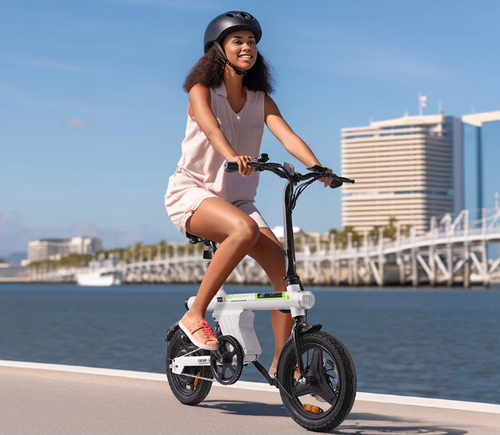
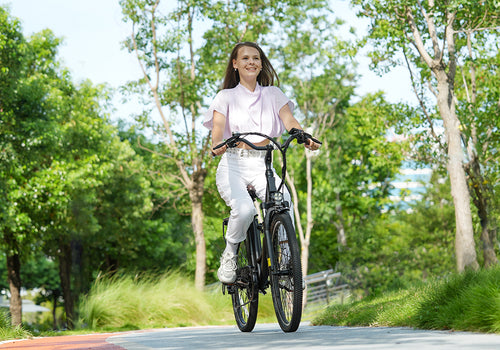
Learning how to ride a bike can be exciting, and the isinwheel U1 makes it even easier for beginners to gain confidence on two wheels. Lightweight, reliable, and designed for comfort, the U1 is ideal for first-time riders who want to experience the freedom of cycling without feeling overwhelmed. Whether you’re cruising through the city, commuting, or taking your first steps into electric biking, the U1 is built to help you master the basics smoothly and safely.
Key Features of isinwheel U1
-
Lightweight Design (23.2 kg): Easy to handle, maneuver, and control—perfect for beginners.
-
Safe and Reliable Braking: Front and rear disc brakes for consistent stopping power.
-
Moderate Top Speed (20 MPH): Fast enough for fun rides but safe for new riders learning how to ride a bike.
-
Compact Tire Size (14×1.95” Pneumatic Tires): Provides stable balance and smooth rides on various surfaces.
-
Comfortable Frame and Ergonomics: Adjustable saddle height and handlebars for a comfortable, confidence-boosting ride.
-
Beginner-Friendly Range (28 miles): Enough battery life for daily rides and short commutes.
With the isinwheel U1, learning how to ride a bike becomes more than just a skill—it’s an enjoyable experience that builds confidence, endurance, and a love for cycling.
Conclusion
Learning how to ride a bike is a journey that starts with proper preparation, following step-by-step instructions, and consistent practice. Remember to maintain your bike, wear the right safety gear, and ride in safe environments as you build your skills. Patience and persistence are key—every small improvement brings more confidence and control.
Start today and experience the joy, freedom, and fun of riding your bike with confidence! Whether on a regular bike or an isinwheel electric bike, taking that first ride can open up a world of adventure and fitness.
FAQs
How can I learn how to ride a bike in three simple steps?
Learning how to ride a bike can be simplified into three main steps. First, mount the bike safely and get comfortable balancing with both feet on the ground. Second, start pedaling smoothly while maintaining balance and keeping your eyes forward. Third, steer in the direction you want to go and use the brakes evenly to stop safely. Beginners can also practice on an electric bike like the isinwheel U1, which offers pedal-assist and stability features that make learning easier.
How to ride a bike in five steps?
Riding a bike in five steps makes it easier for beginners of all ages. Step one: mount the bike and hold the handlebars firmly. Step two: practice balancing by scooting or gliding with your feet. Step three: begin pedaling smoothly while maintaining balance. Step four: steer correctly by looking where you want to go and practicing gentle turns. Step five: brake evenly and dismount safely.
Can I teach myself how to ride a bicycle?
Yes, you can teach yourself how to ride a bicycle with patience and practice. Start in a quiet, flat area, and focus on balancing either by scooting with your feet or using a beginner-friendly electric bike like the isinwheel U1. Once you feel stable, start pedaling while keeping control and looking ahead. Repeating these steps consistently will help you gain confidence and master riding safely.
What part of your foot should you pedal with?
When pedaling a bike, place the ball of your foot on the pedal for maximum leverage and comfort. Keep your heels slightly raised and maintain a smooth, controlled pedal motion. Proper foot placement improves efficiency, reduces fatigue, and helps beginners learn how to ride a bike safely.
The Latest Posts


Explore isinwheel products
City E Scooter | Off-Road Scooter
Fastest Scooter | Kids Scooters



Leave a comment