Rainy days don't have to stop your e-bike adventures. Most electric bikes, including Isinwheel's quality models, can handle light to moderate rain with proper care.
Isinwheel electric bikes feature water-resistant components that help protect against wet conditions, combining durability with performance for all-weather riding.
Before heading out in wet weather, understand how rain affects your e-bike and take necessary precautions to keep both you and your bike safe.
Riding an Electric Bike in the Rain

Good news for riders who don't want to let a little rain stop their fun – most electric bikes can handle wet weather just fine! But there are some important things to know before you splash through those puddles.
Yes, most modern electric bikes can be ridden in the rain. However, this doesn't mean all e-bikes are created equal when it comes to water resistance.
Just like you wouldn't dive into a pool with your smartphone, you need to know your e-bike's limits in wet conditions.
Electric Bike Water Resistance Ratings (IPX Ratings)
Many quality electric bikes come with IPX ratings that tell you how water-resistant they are:
-
IPX4: Protected against water splashes from any direction
-
IPX5: Protected against low-pressure water jets
-
IPX6: Protected against powerful water jets
-
IPX7: Can withstand temporary immersion in water
Most electric bikes have components rated IPX4 or IPX5, meaning they can handle rain but not submersion. Check your manual or contact the manufacturer to find your bike's rating.
Check out our electric bikes made for all weather conditions at Isinwheel! Browse our electric bike collection and buy one today!
What Makes Most Modern E-bikes Rain-Ready
Today's electric bikes typically include several water-resistant features:
These features protect the vital electrical components from moisture. Higher-end models often have better protection, but even budget e-bikes usually have basic rain protection.
Now that you know your e-bike can likely handle the rain, let's look at how you should adjust your riding to stay safe when the roads get wet.
Essential Safety Tips for Riding Your E-bike in Wet Conditions

Riding in wet weather demands different skills than cruising on dry roads. Let's explore how to keep yourself safe while enjoying your rainy e-bike adventures.
Adjusting Your Riding Style for Rainy Weather
Rain changes how your e-bike handles:
-
Slow down! Your stopping distance will be longer
-
Brake earlier and more gently, using both brakes evenly
-
Take turns wider and more carefully
-
Avoid sudden movements or sharp turns
-
Lower your tire pressure slightly for better grip
-
Use lower assist levels for better control
Visibility Concerns: Being Seen and Seeing Others
Rain reduces visibility for everyone on the road:
-
Wear bright, reflective clothing
-
Use front and rear lights, even during daytime rain
-
Consider adding extra reflectors to your bike
-
Keep your glasses or visor clean
-
Signal your turns earlier and more obviously
-
Make eye contact with drivers whenever possible
Handling Slippery Surfaces and Puddles on Your Electric Bike
Wet roads present special challenges:
-
Avoid metal surfaces like manhole covers and grates
-
Cross train tracks at a 90-degree angle
-
Steer clear of painted road markings when possible
-
Don't ride through puddles if you can't see the bottom
-
Watch for oil slicks, especially at intersections
-
Ride in the tire tracks of cars where the road is driest
While adjusting your riding style is important, understanding how rain affects your e-bike's components will help you protect your investment for years to come.
How Rain Affects Different E-bike Components
Water and electronics usually don't mix well, but your e-bike has special protections built in. Let's look at how rain impacts each part of your electric bike and what deserves extra attention.
Protecting Your E-bike Battery from Water Damage
The battery is the heart of your e-bike and often the most expensive component:
-
Most e-bike batteries have some water resistance built-in
-
Never remove the battery in the rain
-
Consider a neoprene battery cover for extra protection
-
If your battery gets wet, dry it thoroughly before charging
-
Store your battery indoors after wet rides
Keeping Your Electric Motor Safe in Wet Conditions
E-bike motors are designed with some water resistance:
-
Mid-drive motors are generally better protected than hub motors
-
Avoid riding through deep water that reaches your motor
-
Let your motor dry completely after wet rides
-
Listen for unusual noises after riding in the rain
-
Consider a motor cover for additional protection
Display Units and Controllers: Vulnerabilities in the Rain
These electronic components can be sensitive to moisture:
-
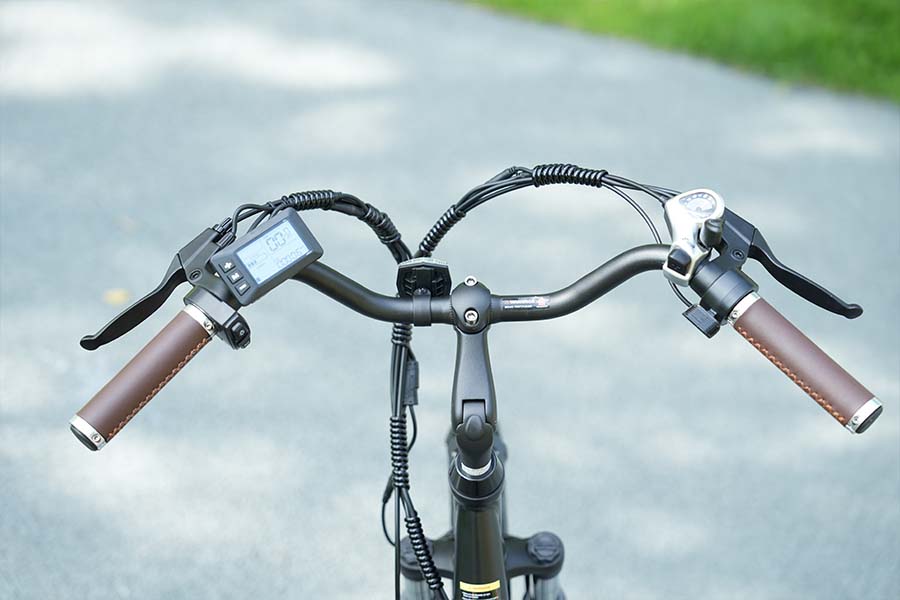
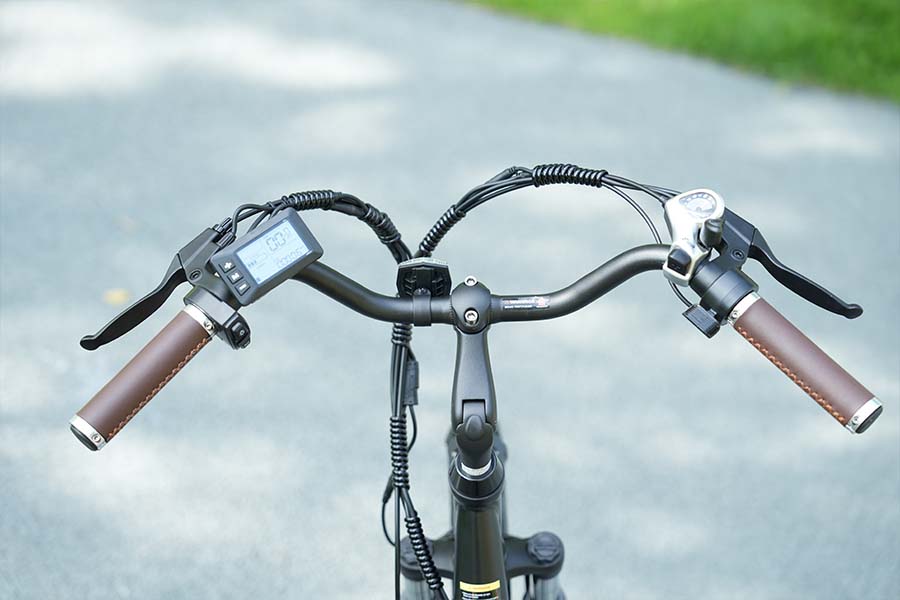
Use a plastic bag or specialized cover for your display in heavy rain
-
Gently dry the display and controls after your ride
-
Don't press buttons with wet fingers if possible
-
Check for condensation under the display screen
Are Electric Bike Connections and Ports Waterproof?
Electrical connections are potential weak points:
-
Most connectors have rubber seals but aren't completely waterproof
-
Check that port covers are securely closed before riding
-
Apply dielectric grease to connections for added protection
-
Inspect connection points regularly for corrosion
Now that you know what parts need extra protection, let's talk about gear that can help keep both you and your e-bike drier in wet conditions.
Find the perfect electric ride for any weather! Shop our full collection of electric rides at Isinwheel today!
Essential Gear for Rainy Day E-bike Rides
The right rain gear makes all the difference between a miserable slog and an enjoyable ride. These accessories will help keep you and your electric bike protected when the skies open up.
Waterproof Covers and Accessories for Your E-bike
Invest in these helpful accessories:
-
Handlebar covers for your controls and display
-
Neoprene battery covers
-
Full-coverage fenders for both wheels
-
Chain guards to protect your drivetrain
-
Seat covers for when you park outside
What to Wear When Riding Your Electric Bike in the Rain
Stay dry and comfortable with proper rain gear:
-
Waterproof jacket and pants (look for cycling-specific options)
-
Waterproof gloves to maintain grip
-
Shoe covers or waterproof shoes
-
Helmet cover or waterproof helmet
-
Glasses or clear goggles to protect your eyes
Having the right gear makes riding in the rain much more pleasant, but what you do after your wet ride is just as important as what you do during it.
Gear up for rain rides with our accessories! Browse and shop riding equipment and accessories at Isinwheel!
Caring for Your Electric Bike After Riding in the Rain

Your ride isn't over when you get home – a little post-ride care will keep your e-bike in top shape after wet weather adventures. These simple steps can prevent costly damage.
Proper Drying and Storage Techniques
Follow these steps after riding in wet conditions:
-
Wipe down the entire bike with a clean towel
-
Pay special attention to drying electrical components
-
Remove the battery if possible and store it indoors
-
Store the bike in a dry place
-
Leave it to air dry completely before your next ride
What to Check After a Wet Ride (Inspection Checklist)
Make these checks part of your post-rain routine:
-
Inspect electrical connections for moisture
-
Check that the battery contacts are dry
-
Look for water inside the display
-
Test brakes for proper function
-
Check that lights are working correctly
-
Lubricate your chain after it's completely dry
While most rain rides are perfectly fine with proper care, there are some weather conditions when it's smarter to leave your e-bike at home.
When Not to Ride Your Electric Bike in the Rain
Sometimes, the best riding decision is not to ride at all. Let's talk about when the weather makes e-biking too risky for both you and your bike.
Thunderstorms and Severe Weather Warnings
Be sensible about severe weather:
-
Never ride during lightning storms
-
Avoid riding in high winds that can push you into traffic
-
Stay home during flood warnings
-
Heavy downpours reduce visibility to dangerous levels
Signs Your E-bike May Not Be Suitable for Wet Conditions
Some red flags that your e-bike might not be rain-ready:
-
Exposed wiring or connections
-
Cracked battery casing
-
Missing rubber seals around the display or ports
-
Manufacturer warnings against wet conditions
-
Previous water damage or electrical issues
If you're concerned about your e-bike's ability to handle wet conditions, there are ways to improve its water resistance.
Waterproofing Your Electric Bike: DIY Methods and Professional Options
Not all e-bikes come fully ready for wet weather, but that doesn't mean you can't improve yours. From simple DIY fixes to professional services, here's how to make your bike more rain-friendly.
Affordable Ways to Improve Your E-bike's Water Resistance
Try these budget-friendly solutions:
-
Apply silicone sealant around vulnerable connections
-
Use electrical tape to cover exposed wiring
-
Add aftermarket fenders if your bike doesn't have them
-
Apply frame protectors at battery contact points
-
Use plastic bags as emergency covers
When to Consider Professional Waterproofing Services
Sometimes it's worth paying for expert help:
-
If you regularly ride in very wet conditions
-
For expensive high-performance e-bikes
-
When you notice signs of water getting into electrical components
-
After any water damage incident
-
Before winter in rainy climates
Conclusion
With the right knowledge, gear, and care, riding your electric bike in the rain can be safe and fun. Most modern electric bikes can handle wet conditions without problems, but you should always adjust your riding style for safety.
Isinwheel offers an impressive range of weather-ready electric bikes and scooters that are built to handle the UK's unpredictable climate.
Our electric bikes feature robust water-resistant components and smart designs that keep vital electronics protected even in wet conditions.
If you're looking for all-weather transport, check out Isinwheel's collection of electric bikes, scooters, and essential riding equipment. Our products combine durability with style, ensuring you can keep moving regardless of what the forecast brings.
Don't forget to explore our accessories to upgrade your wet-weather riding experience with fenders, covers, and other rain-friendly gear.
So don't let a little rain stop your adventures – grab your Isinwheel ride and enjoy the journey, rain or shine!
Frequently Asked Questions
Will Rain Damage My Electric Bike's Battery?
Modern e-bike batteries have protective casings that shield them from light to moderate rain. However, they're not completely waterproof and shouldn't be submerged in water. To protect your battery, avoid riding through deep puddles, dry your bike thoroughly after wet rides, and store the battery indoors when not in use.
How Does Rain Affect Electric Bike Performance and Range?
Riding in the rain typically reduces your electric bike's range by 10-20% due to increased rolling resistance and the energy needed to push through water. Wet conditions also affect traction, which might require more power to maintain stability. To maximize range in wet weather, ride at moderate speeds, use lower assist levels, and ensure your tires are properly inflated.
Can I Ride Through Puddles on My Electric Bike?
It's best to avoid puddles when riding an electric bike because you can't see potential hazards like potholes or debris underneath. Deep puddles can submerge electrical components and cause damage, particularly to the motor and battery connections. If you must cross a puddle, slow down, keep a steady pace, and lift slightly off the seat to absorb shocks.
Is It Safe to Clean My Electric Bike With a Pressure Washer?
Never use a pressure washer to clean your electric bike. The high-pressure water can force moisture into sealed electrical components and bearings, causing serious damage. Instead, clean your e-bike using a damp cloth, gentle spray from a garden hose (avoiding electrical components), or specialized bike cleaners. Always ensure connections are dry before your next ride.
Related Articles:
Best Electric Bikes for Women
Things You Will Only Know After Owning an Electric Scooter



















Leave a comment