Will Medicare Pay for a Mobility Scooter? (2025 Coverage Rules)
|
by Annalyn Bernaldo
If you’ve been asking, “will Medicare pay for a mobility scooter,” you’re not alone.
A mobility scooter can make a significant difference in daily life, especially for those who struggle with walking long distances.
The good news is that Medicare Part B may cover up to 80% of the cost if you meet certain medical conditions and have a prescription from your doctor.
In this article, we’ll break down the 2025 Medicare updates, explain the coverage rules, and walk you through how to apply. Find out exactly what Medicare will and won’t cover this year.
Will Medicare Pay for a Mobility Scooter? Understanding Coverage
Medicare Part B may help pay for a mobility scooter if you meet specific rules. This is part of Medicare’s coverage for durable medical equipment (DME).
You must follow these steps to qualify:
Your doctor must state in writing that you have a medical need for a mobility scooter for use in your home.
The equipment must be necessary for daily activities, such as moving around your home.
You need to have an in-person medical visit with your doctor.
The supplier providing the scooter must accept Medicare assignment.
If you qualify, Medicare Part B typically covers 80%of the cost of renting or purchasing the scooter after you have met your deductible. You are responsible for the remaining 20%.
Here’s a simple breakdown:
Medicare Part B Step
Details
Medical Need
Doctor writes an order if a scooter is needed at home
Supplier Requirement
Must buy or rent from a Medicare-approved supplier
Patient Cost
Pays 20% of costs after deductible is met
Not all scooters are covered. Your need must be proven and your doctor must follow Medicare’s process.
If you have questions, you can check with your doctor or call Medicare to confirm your coverage before buying or renting a mobility scooter.
Medicare covers mobility scooters, but only if you meet their specific requirements. Here’s a clear breakdown of what’s needed:
Key Eligibility Requirements
1. Doctor’s Prescription & In-Person Exam
You must have a face-to-face exam with your doctor or healthcare provider.
This visit must occur within 6 months before the scooter is prescribed.
Your doctor must confirm that a cane, walker, or manual wheelchair won’t meet your mobility needs.
2. Medical Necessity
Your doctor must document that you have a medical condition limiting your mobility.
Medicare requires proof that you can safely operate the scooter in your home.
3. Home Environment
Your home must be suitable for using a scooter, with enough space to maneuver.
Without these steps, Medicare will not approve your claim. If you qualify, your doctor will assist in submitting the necessary paperwork.
Need more details? Check Medicare’s official guidelines or ask your healthcare provider.
Mobility Limitations That Qualify
Your mobility problems must be severe enough to meet Medicare’s standards. Medicare covers scooters for individuals who have difficulty moving around their home independently, even with the assistance of a cane, walker, or manual wheelchair.
To qualify, you usually need to have:
Trouble moving across rooms or levels in your house
Daily activities, like using the restroom or preparing meals, are hard or not possible without help
Symptoms such as weakness, balance problems, joint pain, or breathing trouble that limit walking
Medicare does not cover scooters just for outdoor use or convenience. The primary reason should be related to mobility in your home and the ability to perform important daily tasks safely.
How to Get a Mobility Scooter Covered by Medicare
Medicare will help pay for a mobility scooter, but you must follow their specific process.
Here’s how it works in simple steps:
Step 1: Get a Medical Evaluation
Schedule an in-person exam with your doctor.
Be honest about your mobility issues (walking, standing, daily tasks).
Your doctor must confirm:
You struggle to move around inside your home.
A cane, walker, or manual wheelchair won’t work for you.
Bring examples of tasks you can’t do without help—this strengthens your case.
Step 2: Get a Detailed Prescription
If approved, your doctor must write a detailed order, not just a brief note. It must include:
Ask if they accept Medicare assignments, as this can lower your cost.
The supplier will assist in selecting the right scooter and handle billing.
Step 4: Submit Your Paperwork
The supplier usually files the claim, but you should verify:
Medical records
The doctor’s detailed order
Any extra forms
Your Medicare info
Keep copies of everything. Mistakes can cause delays or denials.
What If Medicare Denies Your Claim? You can appeal, but getting it right the first time is easier. If you follow these steps carefully, approval is much more likely.
Need help? Contact Medicare or your doctor’s office for guidance.
What Types of Mobility Scooters Does Medicare Cover?
Medicare covers some types of mobility scooters if you meet particular medical needs and get a doctor’s prescription.
The type of equipment and models that are covered must meet Medicare’s requirements, and not every product on the market will qualify.
Medicare-Approved Power Mobility Devices
Medicare Part B may help pay for a power scooter or wheelchair if you meet these requirements:
What's Covered?
Power-operated vehicles (POVs/scooters)
Power wheelchairs
Key Eligibility Rules
Your doctor must confirm:
You have significant difficulty moving around inside your home
A cane, walker, or manual wheelchair won't meet your needs
The device must be primarily for home use (not just for outdoor mobility)
Important Notes
Not all scooters qualify – Only Medicare-approved models from certified suppliers are covered
Supplier verification is crucial – Some may offer non-covered models, so always ask:
"Is this scooter Medicare-approved?"
"Do you accept Medicare assignment?"
Tip: Always get your doctor's detailed order first before shopping for a device. This prevents unexpected denials.
Differences Between Scooters, Power Wheelchairs, and Manual Wheelchairs
There are essential differences between mobility scooters, power wheelchairs, and manual wheelchairs:
Mobility scooters typically have three or four wheels, handlebars for steering, and a seat that allows you to sit upright. They work well if you can get in and out of the scooter and have some upper body strength for steering.
Power wheelchairs utilize a joystick for control and require less upper-body movement. These are a better option if you cannot use handlebars or if you need extra support to stay upright.
Manual wheelchairs must be pushed by you or someone else. These are better suited if you have sufficient upper body strength and don’t require a lot of motor power.
Medicare’s coverage depends on your specific needs. Your ability to move, your home’s layout, and what you use most at home will affect which device Medicare will cover.
Brands and Models Typically Covered
Medicare covers standard models of mobility scooters and power wheelchairs made by approved manufacturers. The coverage does not always include luxury, custom, or high-performance models.
Common brands you may see with Medicare coverage include:
Pride Mobility
Drive Medical
Golden Technologies
Invacare
Popular models covered may be basic versions like the Go-Go Elite Traveller from Pride Mobility. Higher-cost or feature-rich scooters may not be approved unless your doctor and supplier show a strong medical reason.
Always check with your durable medical equipment (DME) supplier. They can tell you what models are on Medicare’s approved list and what paperwork you’ll need.
If you choose a model that is not on the approved list, you may need to pay out of pocket. Ensure you obtain a detailed written order from your doctor and confirm coverage before purchasing or renting any equipment.
Costs and Payment: What You'll Actually Pay
Medicare covers part of the cost for mobility scooters, but you will still have some out-of-pocket expenses. The exact amount you pay depends on factors like your deductible, coinsurance, the type of scooter, and whether you rent or buy it.
Medicare Part B Deductible and Coinsurance
Medicare Part B considers mobility scooters to be durable medical equipment. After you meet your yearly Part B deductible,
Medicare pays 80% of the approved amount for your scooter. You are responsible for the remaining 20%.
For example, if the Medicare-approved amount for a scooter is $1,000 and you have already paid your deductible, Medicare would pay $800. You would owe $200 out of pocket.
Key out-of-pocket costs include:
Yearly Part B deductible (amount set by Medicare each year)
20% coinsurance after the deductible is met
Your costs may be higher if the supplier does not accept Medicare assignment.
Rental vs. Purchase Options
Depending on your medical needs and the type of scooter, you may have the option to rent or buy your device. Medicare often requires you to rent the scooter first, especially for power scooters.
If you rent, you usually pay the 20% coinsurance each month, plus any outstanding deductible. After a specific period, often 13 months, the scooter may become yours if you still need it.
Buying a scooter means you pay your portion of the cost upfront, plus any remaining deductible. The supplier must be enrolled in Medicare; otherwise, you may not receive coverage.
Consider these factors:
Is renting or buying more cost-effective for your needs?
Is the supplier enrolled in Medicare?
Does the scooter meet your doctor’s prescription requirements?
Supplemental Insurance Considerations
Many people have supplemental insurance like Medigap or a Medicare Advantage Plan (Part C) to help lower out-of-pocket costs. These plans may help pay your 20% coinsurance or deductible.
If you have extra coverage:
Medigap can pay some or all of the costs that Medicare does not cover.
Medicare Advantage Plans may offer different benefits, but you must follow the plan’s rules.
Please check with your plan provider for the exact coverage details and any additional requirements. Some plans may require you to use specific suppliers or get prior approval.
Ensure your supplemental insurance is active before you receive your scooter to avoid unexpected bills.
Common Reasons for Medicare Denials (And How to Appeal)
Medicare may deny a claim for a mobility scooter for several reasons. Paying attention to paperwork and the supplier you use can help you avoid problems.
Insufficient Medical Documentation
Medicare requires proof that a mobility scooter is medically necessary. Your doctor needs to provide detailed notes explaining why you require a scooter to navigate around your home. This includes demonstrating that you have difficulty with daily activities such as bathing, dressing, or navigating without assistance.
If the doctor’s records are missing details or do not clearly show your need, Medicare may deny your claim. Some common documentation issues include:
Missing or incomplete doctor’s notes
Lack of a face-to-face exam within the last six months
Not showing attempts with less advanced devices, like walkers or canes
To avoid this problem, ask your doctor to include all relevant medical information in their notes. Double-check that all paperwork is completed correctly before submitting it to Medicare.
Choosing a Non-Participating Supplier
Medicare only covers scooters bought or rented from suppliers who are enrolled and approved by Medicare. If you use a non-participating or out-of-network supplier, Medicare may not pay at all. This means you would have to pay the full cost out of pocket.
To make sure your claim is accepted:
Find a supplier who “accepts assignment” from Medicare
Ask the supplier if they are approved before you order a scooter
Check the official Medicare website or call Medicare for a list of approved suppliers
If you already bought a scooter from a non-participating source, it is unlikely Medicare will cover any costs.
Appealing a Denied Claim
If Medicare denies your claim, you have the right to appeal. Start by reading the denial letter to determine the reason and identify any missing information. The appeals process includes several steps:
Request a review of your claim (called a “Redetermination”)
Submit updated documents, like new doctor’s notes or more detailed explanations
Use the instructions from your denial notice for where and how to send your appeal
You can also ask your doctor or supplier to help with the appeal. If your Medicare Advantage plan denies coverage, you follow a similar process for appeals. Always submit your appeal within the time limits listed in your denial letter.
Alternative Options If Medicare Won't Cover Your Scooter
If Medicare will not pay for your mobility scooter, you still have a few ways to get help.
Medicaid: Some state Medicaid programs might cover mobility scooters. Coverage rules are different in each state, so you need to check with your state’s Medicaid office.
Veterans Benefits: If you are a veteran, you may qualify for a free or discounted scooter through the Department of Veterans Affairs (VA). Contact your VA health care provider for details.
Non-Profit Organizations: Some groups help people with disabilities obtain mobility devices. Examples include the Mobility Equipment Recyclers, the ALS Association, and local charities.
Payment Plans or Rentals: Many medical supply companies let you rent a scooter or pay in monthly installments. Ask about payment options before making a purchase.
Family and Community Resources: Sometimes, churches or community groups offer grants or help pay for mobility equipment. Local social workers can also help you find resources.
Check Out Related Products:
X02 Mobility Scooter: Reliable & Easy to Use
Smooth 5 mph rides with stable rear-wheel drive (250W motor)
Handles 20° inclines for versatile terrain use
12.4-mile range per charge – ideal for daily trips
Supports up to 264 lbs (UKCA certified for safety)
Medicare has clear rules about coverage for mobility scooters. Coverage depends on your medical need, your doctor's order, and the type of insurance plan you have.
Will Medicare pay for a mobility scooter for arthritis?
If your arthritis limits your ability to move around at home and your doctor says a scooter is medically necessary, Medicare Part B may cover it. Your doctor needs to document your condition and why you need the scooter.
How often will Medicare pay for a new mobility scooter?
Medicare typically covers a new mobility scooter every five years. You may be able to obtain a replacement sooner if your current scooter is damaged beyond repair or if your condition changes and you require a different type.
Does Medicare cover the cost of mobility scooter batteries?
Medicare covers replacement batteries for your scooter if you obtain them from a Medicare-approved supplier and the batteries are deemed medically necessary. You may need your doctor to confirm the need.
Can I obtain a mobility scooter through my Medicare Advantage plan?
Many Medicare Advantage plans cover mobility scooters, often with similar rules as Original Medicare. You may have extra benefits or different requirements, so check with your plan for details.
What conditions qualify for a mobility scooter?
To qualify, you must have a medical condition that makes it difficult to move around at home. Conditions may include arthritis, multiple sclerosis (MS), certain injuries, or other mobility issues. Your doctor must demonstrate why you require the scooter for daily activities within your home.
Who qualifies for a mobility scooter?
You qualify if you have a medical need, cannot use a cane or walker safely, and can drive the scooter on your own. A doctor must provide a written order, and the scooter must be necessary for use within your home.
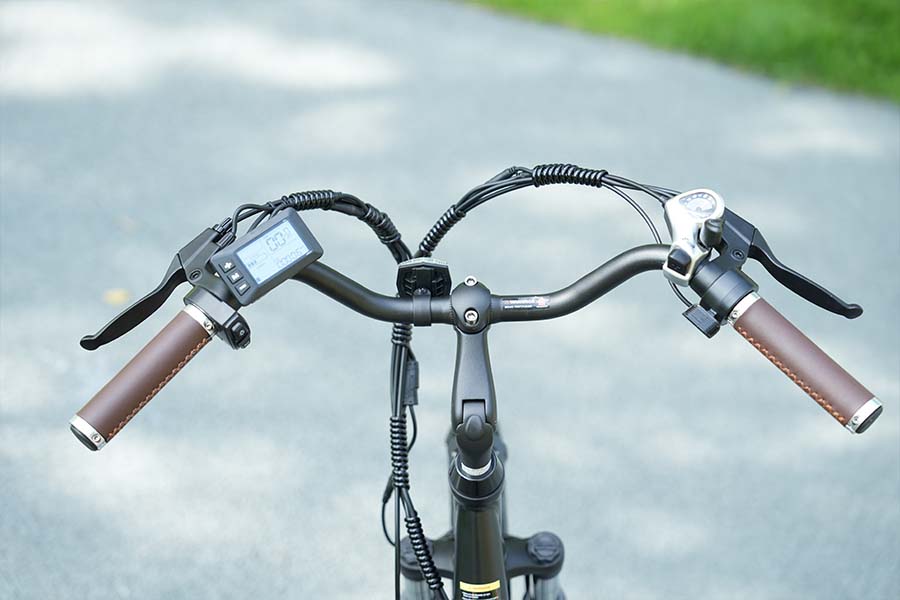
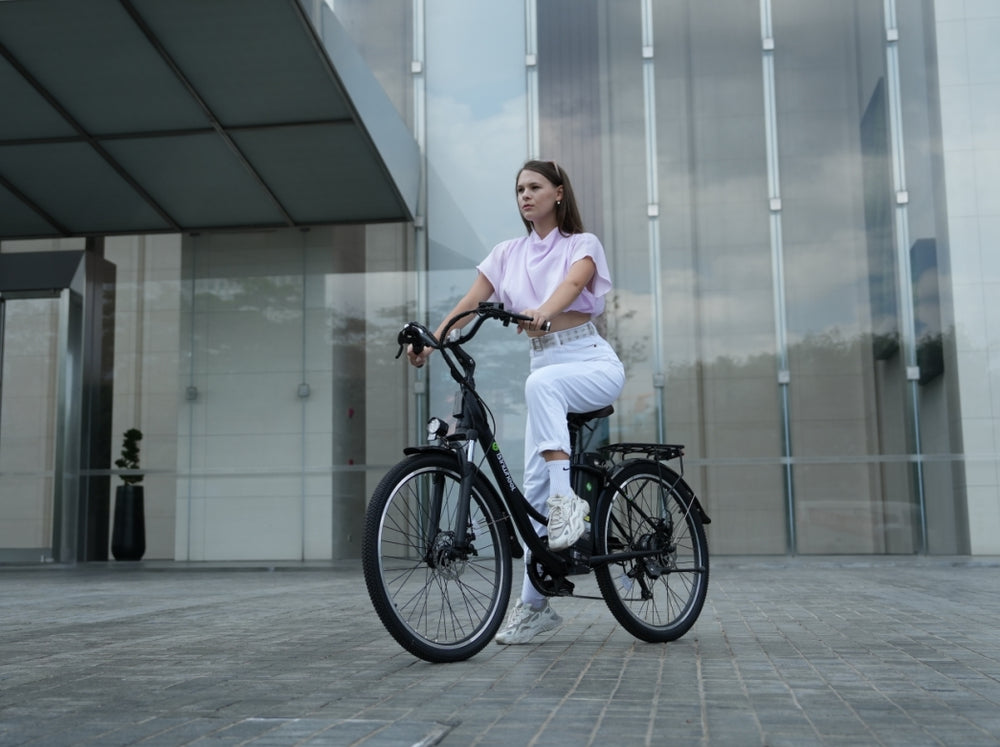
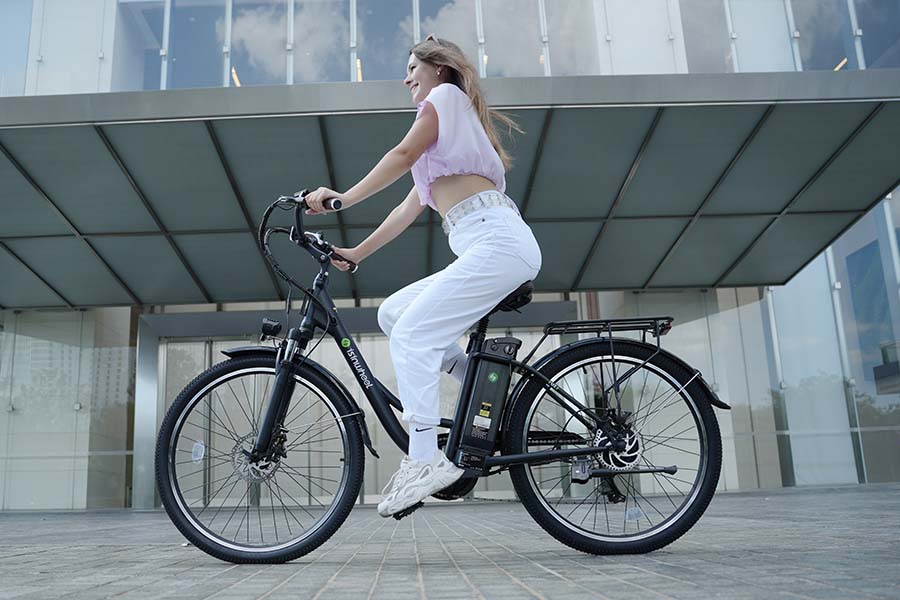
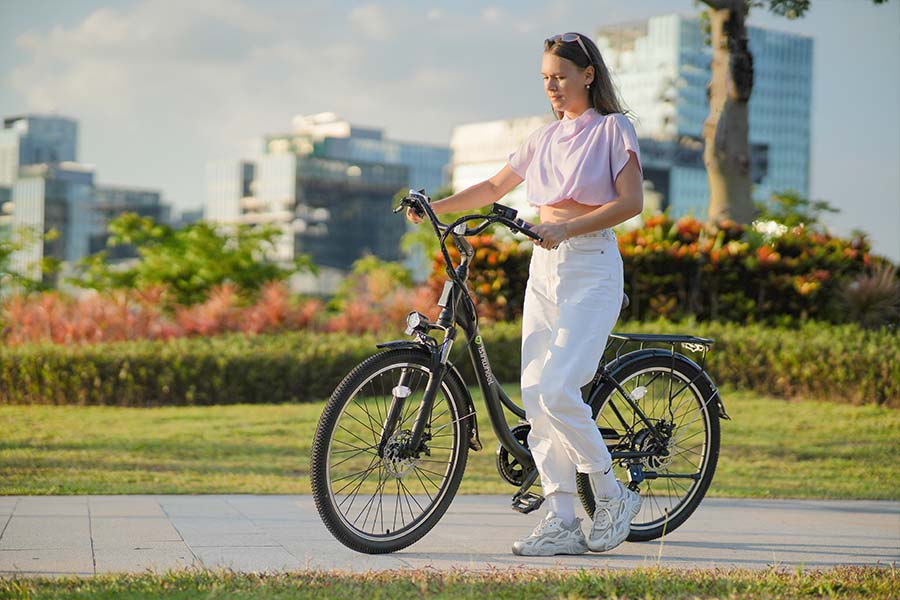
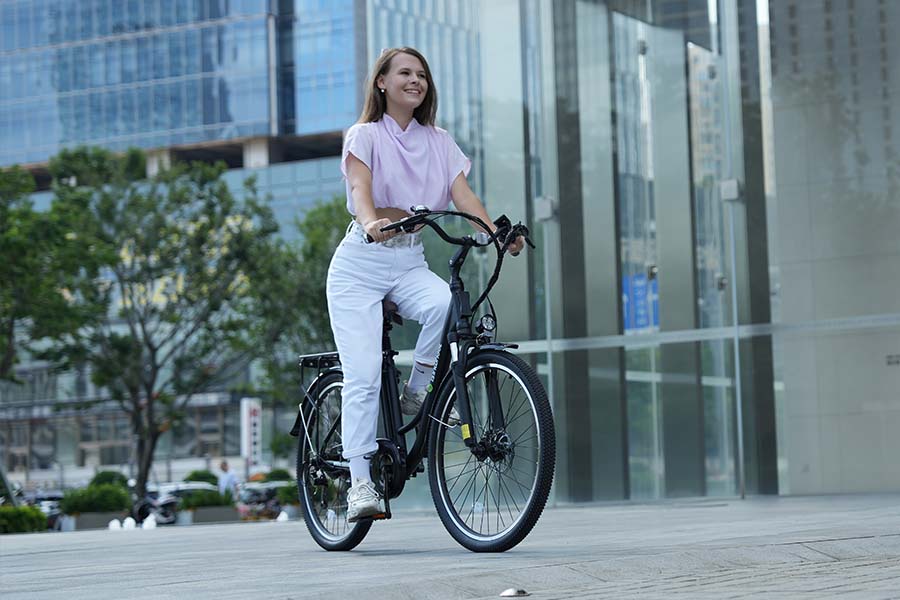
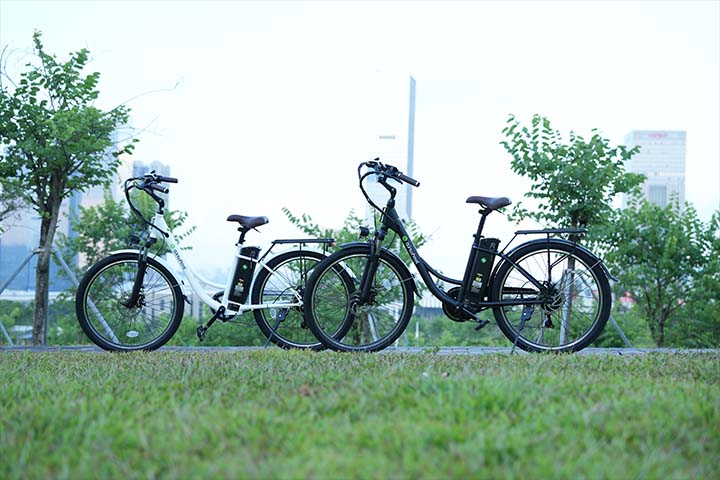
Step-through ebikes, these ingeniously designed transportation tools, exude the charm of convenience and comfort. Their distinctive design redefines the traditional top tube, bringing users a whole new riding experience.
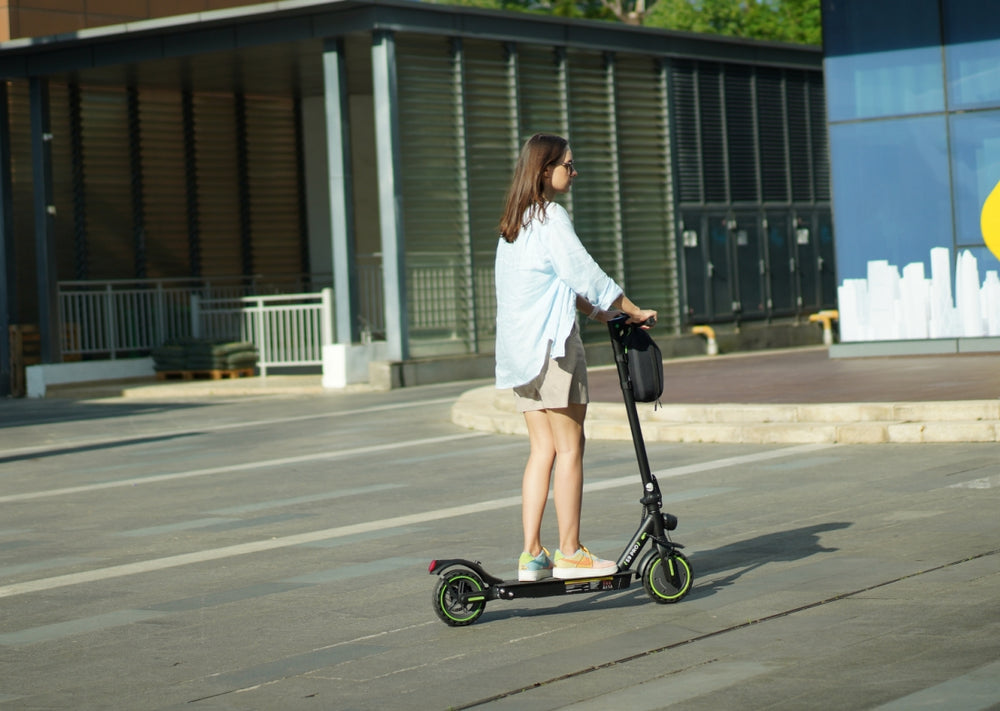
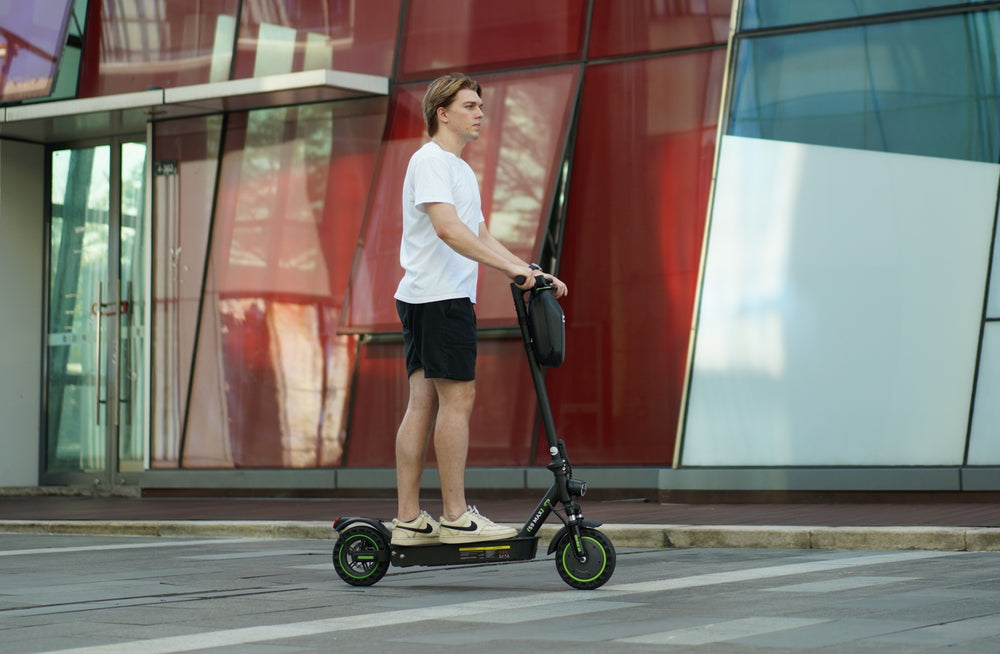
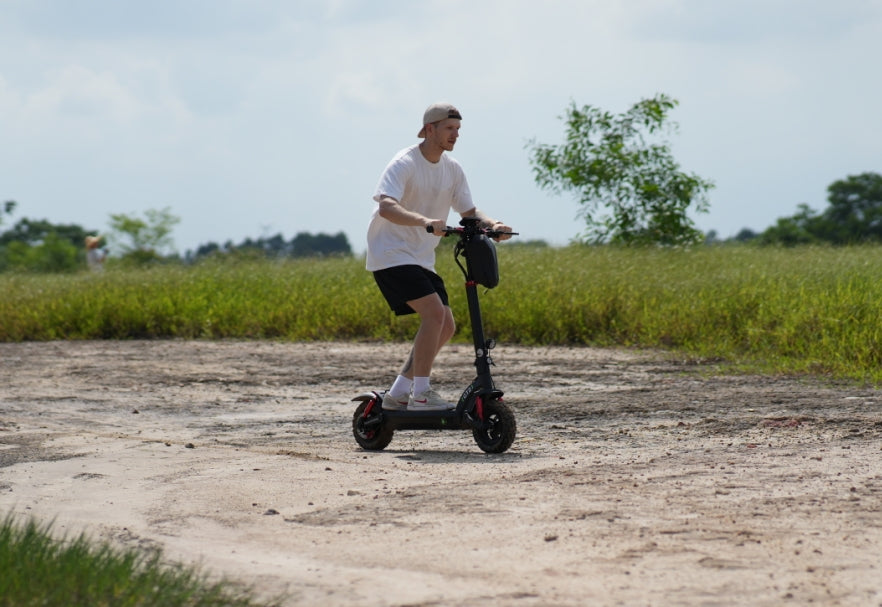
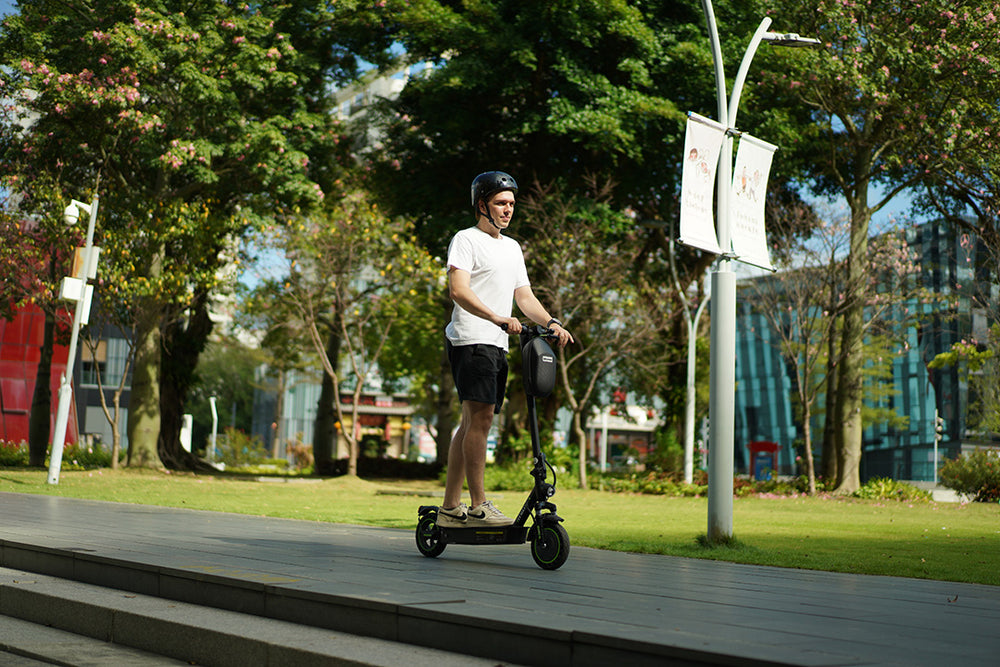
The big-wheeled scooter, as if a poet mastering the terrain, dances over rugged landscapes, playing a smooth melody with its unique rhythm. It doesn't fear bumps; instead, it finds rhythm in them, effortlessly crossing potholes like an elegant dancer leaping over obstacles.
When searching for the perfect step-through electric bike, you embark on a captivating journey of exploration. With the market rapidly evolving, choosing the right electric bike to suit your needs is akin to seeking treasure, requiring careful research and comparison.
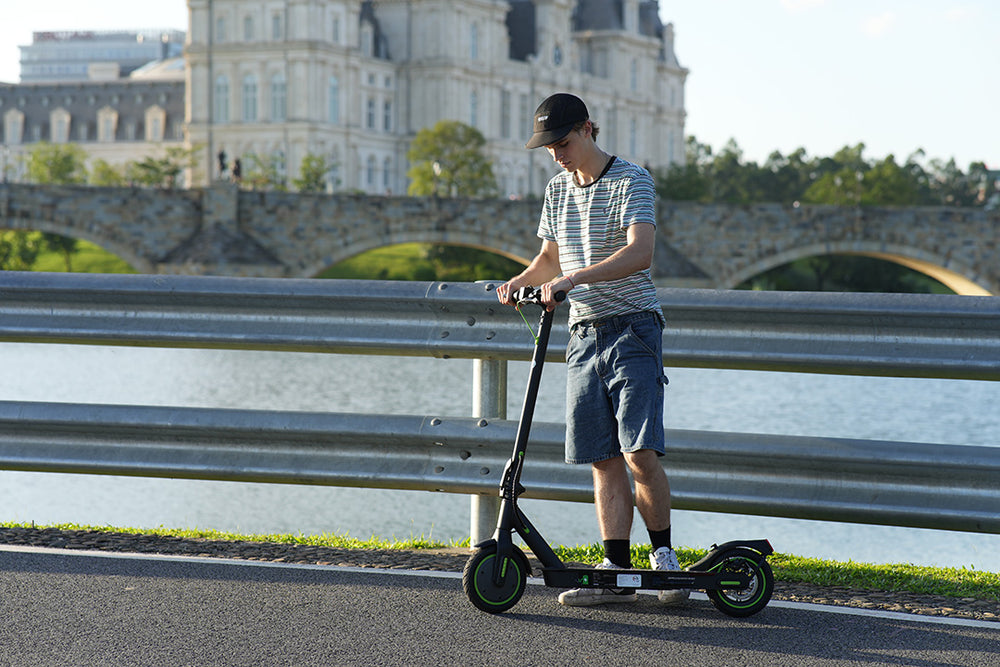
Two-wheeled scooters, like a nimble pair of twins, glide gracefully through the city streets, bravely weaving between the crowds. Their slender and elegant figures resemble dancers, gracefully performing on the urban stage. Each start is full of vitality and momentum, as if they want to showcase their endless possibilities to the whole world.
Stepped electric bikes are rapidly becoming the preferred choice for urban commuters and leisure riders, thanks to their unparalleled convenience and comfort. These bicycles feature a step-through frame design, making it exceptionally easy to mount and dismount, suitable for both young and elderly riders.
With the continuous improvement of society's awareness of health and environmental protection, the electric bicycle market has experienced a sustained growth trend over the past decade. From 3,900 units in 2005 to over 500,000 units in 2020, this data is impressive.
When considering your commuting options, the best adult scooter is an irresistible choice. It's not only a convenient and cost-effective way to travel, but also an environmentally friendly one.
Electric bikes for adults are like the perfect blend of traditional bicycles and electric cars. Whether you're male or female, it can effortlessly meet your commuting needs.
Cheap electric scooters are becoming a new choice for people's leisure travel. These portable means of transportation are not only budget-friendly but also able to easily meet the short-distance travel needs in cities.
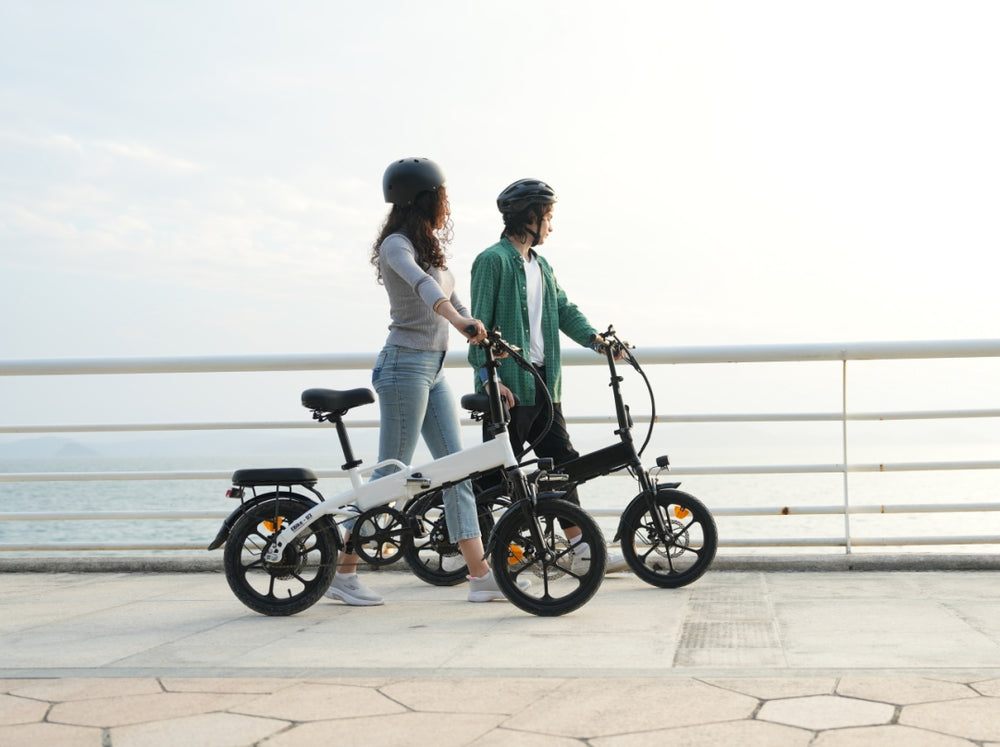
In the UK, folding electric bicycles have become the preferred choice for convenient commuting, and now, the emergence of foldable electric bicycles has taken the commuting experience to a whole new level. Don't hesitate anymore!
The fastest electric scooters on the market are those designed for off-road use. This is mainly because high-speed electric scooters are not allowed on streets for safety reasons and are prohibited by traffic regulations. Thus, the fastest electric scooters are typically used for off-road exploration or travel.
Adult scooter suitable for commuting have showcased outstanding speed advantages in urban transportation. With their rapid movement, they offer passengers the convenience of bypassing congestion and saving valuable commuting time. Their compact size and flexibility enable them to effortlessly weave through busy city streets, even navigating smoothly in narrow spaces, and discovering more convenient alternative routes.
When you're looking forward to a relaxed and enjoyable cycling experience without the effort of pedalling, our throttle electric pedal assist bicycles are your ideal choice. Unlike traditional electric mountain bicycle, our design is specifically made for swift urban cycling, allowing you to enjoy the journey effortlessly.
There might be electric scooters for sale near you. You can look for them using the following tips, but I would also suggest considering buying one online.
Firstly, you can use map applications on your smartphone, such as Google Maps or Apple Maps, and search for "electric scooter shops" or "electric scooter retailers" to find nearby stores.
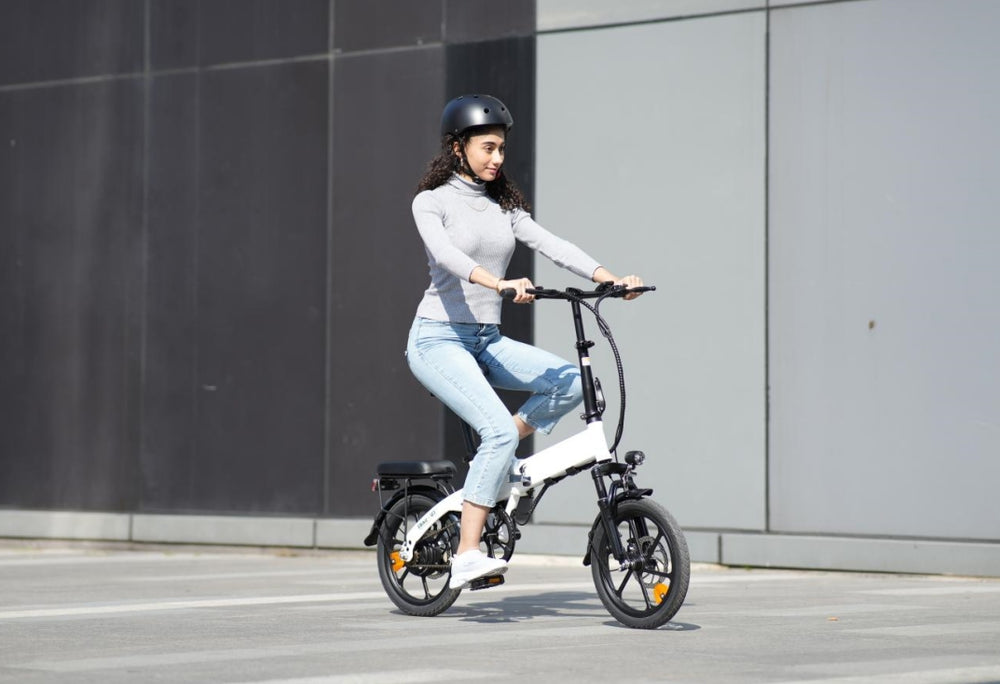
Fold up electric bikes are a recent innovation in the cycling world, combining convenience with versatility perfectly. They offer the portability and convenience of traditional fold up bikes while adding electric assistance for a more relaxed and quicker riding experience.
Adult folding electric scooters have become a popular choice for commuting and eco-friendly travel in the UK and globally. Millions have integrated these portable electric scooters into their daily lives, reducing carbon emissions and enhancing the joy of commuting.
The folding electric bike is an ideal choice for urban commuting, combining portability with electric assistance to offer users a convenient, efficient, and practical mode of transportation.
If you're looking for an electric scooter with a speed of 30mph, then its price will be over £700. While our GT2 doesn't reach 30mph, only 28mph, it is still very fast. The reason we recommend choosing it is that it offers great value for money and has a stylish design. Currently, the price of the GT2 is only £598.99. You can get it for less than £600.
Isinwheel's U3 mini folding electric bike offers exceptional value at under £500, combining affordability with quality for daily commuting. For those with a higher budget, the U2 model under £1000 provides additional features.
Choosing a nearby electric scooter shop in the UK offers significant advantages. Firstly, the location of these shops is typically very convenient, allowing customers to easily walk or cycle there.
Not only can these electric bikes reduce environmental pollution, but they also offer convenient commuting options, significantly reducing commute times. Electric bikes equipped with throttle functions provide riders with more powerful assistance, making cycling smoother. With the advantages of both, electric bikes with throttles are becoming increasingly favoured by consumers.
Many people will ask or are looking for what kind of children's electric scooter is suitable for a 3-year-old child, so what kind of electric scooter is suitable for a child who is 3 years old or above?
When considering allowing a 12-year-old to ride an electric scooter, there are several key factors that need careful consideration. Firstly, understanding local regulations and laws is crucial to ensure that the child's actions comply with legal requirements. Some places may specify the minimum age for using electric scooters or have regulations regarding safety requirements, and it is essential to adhere to these regulations.
The warm breeze of spring brings the ideal opportunity to ride your electric bike. Are you eagerly prepared? If your electric bike has been in hibernation in the cold winter, a few essential maintenance steps are crucial before embracing the new season.
The transportation challenges faced by urban professionals have always been a headache. In this fast-paced modern society, traffic congestion and time constraints have become major obstacles for many professionals in their daily commute.
An eBike, short for Electric bike, or sometimes referred to as an electric bicycle, is a type of bicycle powered by a battery that provides power to a motor, which in turn assists pedaling through the use of motorized assistance. This type of motor can be activated by the rider through pedal actions, a throttle, or a combination of both.
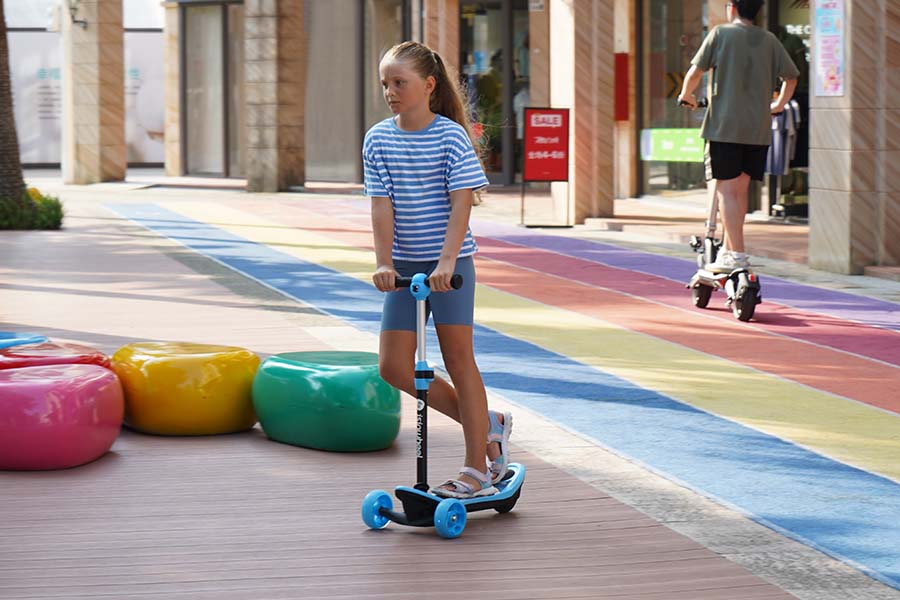
A 5-year-old child is suitable for riding a 3-wheeled electric scooter. The stability and balance of a 3-wheeled electric scooter are advantageous for children who are just starting with electric scooters. Additionally, the three wheels provide extra safety for a 5-year-old child.
Yes, electric bikes are commonly used as a daily commuting means of transportation. This is mainly because they offer effective convenience and environmentally friendly electric power for daily commutes. Equipped with an electric assist system, electric bikes can provide additional powerful assistance to riders when needed, making it easier to tackle uphill climbs or long-distance travel.
Great news from isinwheel! PayPal installment functionality is now live, adding flexibility to your checkout. Whether you prefer a one-time payment or installments, it's your choice. Enjoy an enhanced shopping experience with more options at isinwheel - Your wheels, your rules! 🛒✨
In recent years, electric scooters have become a popular mode of transportation for adults, with a wide range of options available in the market. Among them, isinwheel stands out as a particularly prominent and cost-effective choice. Below, I will introduce the prices and types of isinwheel electric scooters.
As of January 1, 2021, the United Kingdom has implemented a new Value Added Tax (VAT) law that has significant implications for consumers and businesses alike. iSinwheel.co.uk, a prominent online retailer, is affected by this change, and customers will now find that the prices listed on their platform already include VAT.
Electric bike have transformed our commuting and travel habits, providing a sustainable and straightforward alternative to traditional modes of transportation. Below, we will introduce the epitome of future commuting— the U2 and U3 electric bike.
In the context of severe urban traffic congestion, electric scooters have become a flexible and convenient solution. Additionally, electric scooters are favored as a means of physical exercise. Riding an electric scooter not only provides a quick and enjoyable mode of transportation for urban professionals, helping them to cope with the pressures of busy work and life but also contributes to relieving stress in everyday life.
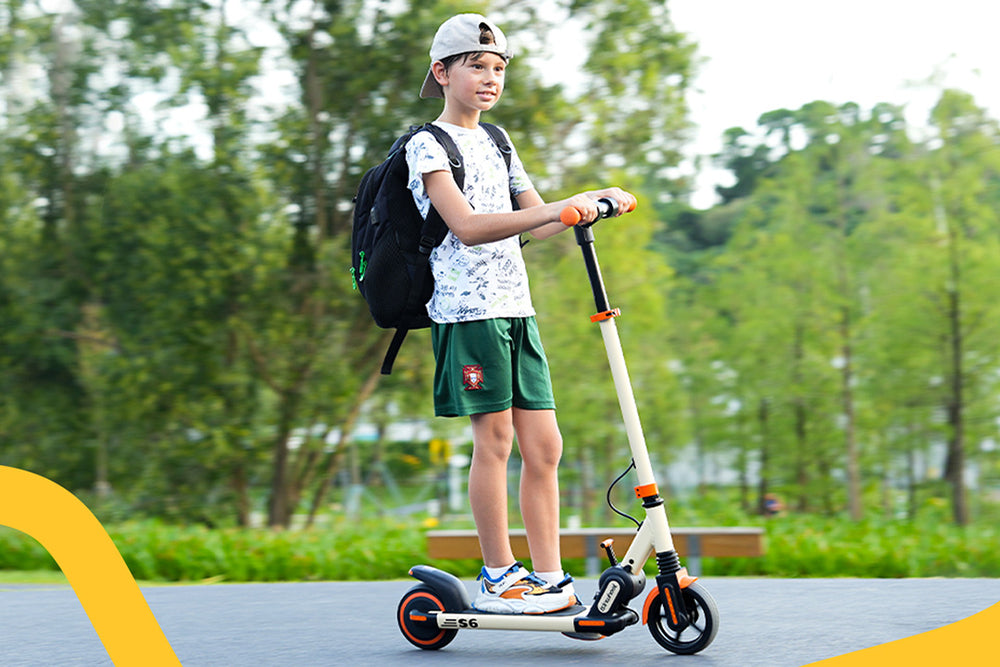
In today's society, electric scooters for kids are becoming more and more popular among children. This trend is not only because e-scooters are stylish and exciting in their own right, but also because they play an active role in teaching children about sustainable transportation and promoting their independence.
Electric scooters are becoming increasingly popular as a convenient and eco-friendly mode of transportation in the United Kingdom. However, their usage involves complex legal issues, leading to uncertainty.
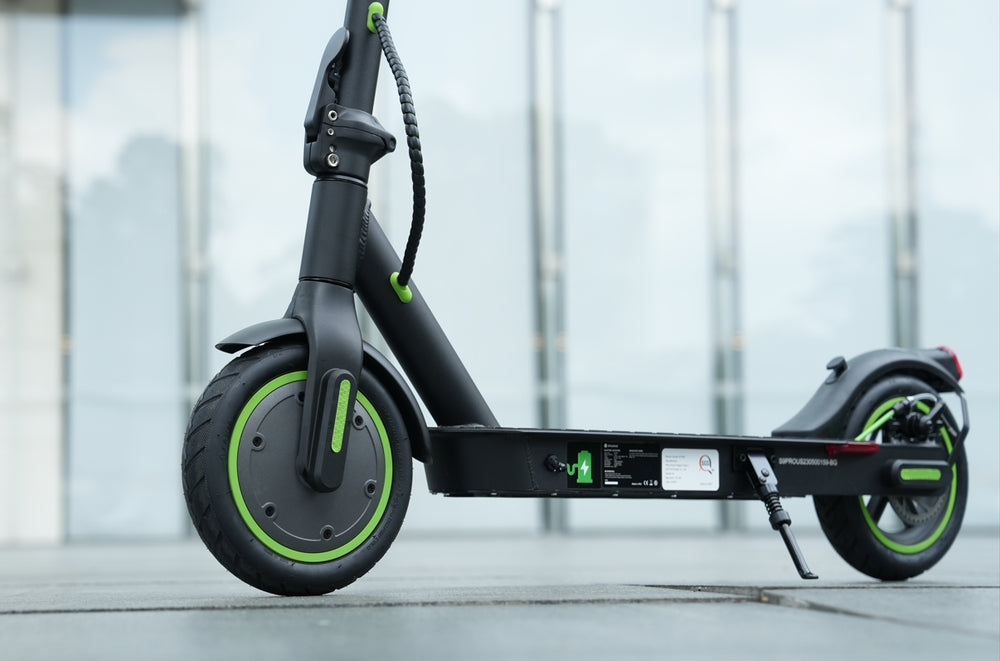
When you get tired of paying for gasoline, or the annoyance caused by traffic jams, choosing the isinwheel brand S9pro electric scooter for commuting will be your best choice.





























Leave a comment