













Bike Parts Name: The Complete Guide to Every Part of a Bicycle
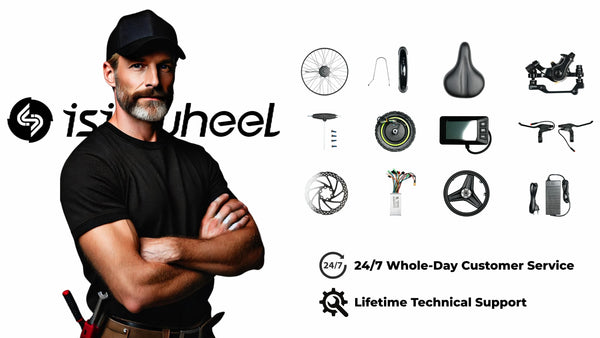
Knowing the names of bike parts and the parts of a bicycle helps riders maintain, repair, and upgrade their bikes with ease. isinwheel e-bikes use the same components, making it simple to understand and keep your ride in top condition.
Every Part of a Bicycle
Bike Frame Parts
The frame is the backbone of any bicycle, supporting all components and shaping ride performance. Knowing the bike frame parts name is essential for maintenance, upgrades, and finding the right fit for your riding style.
Top Tube
The top tube links the head tube at the front to the seat tube at the rear. Road bikes usually have a horizontal top tube, while modern mountain and gravel bikes often feature a sloped design.
The slope affects standover height, handling, and comfort. Its length also influences reach and posture, making it essential to match the top tube geometry to your riding style for optimal efficiency.
Down Tube
The down tube runs from the head tube to the bottom bracket, forming the main support structure of the bike. It can be made from aluminium, steel, titanium, or carbon fibre, each balancing weight, strength, and ride comfort.
Some down tubes feature integrated cable routing or mounts for water bottles, combining durability with practical functionality. Its design directly impacts frame stiffness and overall performance.
Seat Tube
The seat tube extends from the bottom bracket up to the seatpost, supporting the saddle and influencing pedaling dynamics. Its angle and length determine rider position and comfort.
Many frames include curves or cutouts in the seat tube to accommodate wider tires or shorter chainstays. These adjustments improve clearance, handling, and ride comfort on rough terrain.
Head Tube
The head tube sits at the front of the frame, holding the headset bearings that allow the fork to rotate smoothly. Modern head tubes often feature larger lower bearings for improved stability and steering precision.
Length and diameter vary by bike type and geometry, affecting handling, control, and comfort during aggressive or long rides.
Chainstays and Seatstays
Chainstays connect the bottom bracket to the rear axle, while seatstays run from the top of the seat tube to the rear axle. Together, they form the rear triangle, supporting the rear wheel and transmitting pedaling forces efficiently.
Their shape, length, and material affect stiffness, traction, and ride responsiveness. Proper design ensures a balance between comfort, power transfer, and stability across different terrains.
Fork
The fork holds the front wheel and plays a vital role in steering, shock absorption, and overall ride feel. Road bikes usually feature rigid forks for light weight and efficiency, while mountain and gravel bikes use suspension forks to handle rough terrain.
Materials like aluminium, carbon, and steel affect weight, strength, and vibration damping. Suspension travel is tuned to the terrain, providing control and comfort for technical trails or smooth roads.
Wheels and Wheel Parts
The wheelset plays a major role in speed and stability, and knowing each part—especially when looking at a bicycle parts diagram—helps you choose the right setup. Below are the essential bike components explained clearly for all riding styles.
Rims
Rims form the circular structure of the wheel and are typically made from aluminium or carbon fibre. These materials balance weight, stiffness, and durability for different terrain and riding demands.
You’ll find clincher, tubeless, and tubular rim types, each offering unique benefits for road, gravel, or MTB riding. Rim-brake models include a braking track, while disc-brake rims eliminate this surface for added strength.
Rim depth affects aerodynamics and crosswind stability, while rim width influences tyre sh
Spokes
Spokes connect the hub to the rim and help distribute weight while transferring pedaling force. They can be straight-pull, which aligns directly with the hub, or J-bend, which uses a traditional curved end.
Most spokes are made of steel for reliability, though aluminium and carbon options are used in high-performance wheels. The number of spokes and their lacing pattern impact wheel stiffness, durability, and handling.
Wheel builders also adjust spoke tension to keep wheels true and strong, making proper maintenance essential for long-term performance.
Hubs
The hub is the center of the wheel, containing bearings that allow it to spin smoothly. Front hubs focus on stability and steering, while rear hubs also support the cassette for shifting.
Disc brake hubs include rotor mounts, using either a six-bolt interface or a Centerlock system. High-quality hubs reduce friction, last longer, and provide better power transfer through improved bearing design.
Choosing the right hub type affects braking feel, wheel durability, and long-term maintenance needs.
Freehub
The freehub attaches to the rear hub and allows the bike to coast when you stop pedalling. It houses the cassette and uses an internal engagement mechanism to respond quickly when pedalling resumes.
Engagement speed affects acceleration, especially during technical riding, hill climbs, or sprinting. The freehub must match the cassette standard used on the bike.
Regular cleaning and lubrication help maintain smooth operation, reduce wear, and improve drivetrain efficiency.
Axles
Axles hold the wheels securely in the frame and fork, keeping them aligned during riding. Quick-release axles use a lever system and are common on older and entry-level bikes.
Thru-axles screw directly into the frame or fork, improving stiffness and ensuring accurate rotor alignment on disc brake systems. They also reduce flex during cornering and heavy braking.
Axle diameter and length vary across disciplines, so matching the correct axle standard is essential for compatibility and safe handling.
Drivetrain & Groupset
The drivetrain and groupset power your bike and control gear shifting. They include the crankset, chain, cassette, derailleurs, and bottom bracket. Knowing these parts helps you maintain smooth performance and choose compatible upgrades.
Crankset (Chainset)
The crankset, also called the chainset, consists of the crank arms and chainrings. Bikes may have a single, double, or triple chainring setup. Single chainrings (1x) are common on modern mountain and gravel bikes for simplicity, while double and triple setups provide a wider gear range for road and touring bikes. Crankset material, size, and design influence pedaling efficiency and weight.
Chain
The chain connects the crankset to the cassette, transmitting pedal power to the rear wheel. Chains must match the number of cassette sprockets for smooth shifting. Regular cleaning, lubrication, and inspection prevent wear and extend drivetrain life. Quick-links or rivets are used to join chain ends, with some being reusable for easier maintenance.
Cassette
The cassette is the cluster of sprockets on the rear wheel’s freehub, determining your gear range. It comes in different sizes and speeds, typically from 8 to 13 gears. Compatibility with your derailleur, chain, and crankset is critical for smooth shifting. Mountain, road, and gravel bikes may feature cassettes optimized for their specific terrain and riding style.
Front & Rear Derailleurs
Derailleurs move the chain across the chainrings and cassette to change gears. Front derailleurs handle chainrings, while rear derailleurs manage the cassette. They can be mechanical, using cables, or electronic, using wired or wireless signals for precise shifting. Proper adjustment ensures reliable gear changes and prevents chain drops.
Derailleur Hanger
The derailleur hanger attaches the rear derailleur to the frame and protects it during impacts. It is designed to bend or break in a crash to save the frame and derailleur. Hangers are usually frame-specific, but some universal options exist. Regular inspection and replacement are key for maintaining drivetrain performance.
Bottom Bracket
The bottom bracket houses the bearings that allow the crankset to rotate smoothly. There are multiple types, including threaded, press-fit, and cartridge systems. Materials and bearing quality—steel, ceramic, or hybrid—affect durability, friction, and pedaling efficiency. Correct standard selection is critical for crankset compatibility.
Brakes and Shifters
Brakes and shifters give you control over speed and gears. Understanding the different systems helps you choose the right setup and keep your bike performing safely and smoothly.
Disc Brakes
Disc brakes use calipers to press pads against a metal rotor attached to the wheel hub. This setup delivers powerful and consistent stopping in all conditions.
They come in two types: hydraulic, which uses fluid for stronger, smoother braking, and mechanical, which uses cables for easier maintenance.
Rotor sizes typically range from 140mm to 203mm. Larger rotors provide more cooling and stopping power, especially for heavier bikes or steep descents.
Rim Brakes
Rim brakes slow the bike by squeezing pads directly onto the wheel rim. They are lightweight, simple to maintain, and common on road bikes.
Caliper brakes offer strong performance on smooth surfaces, while cantilever styles provide more tire clearance and were used on older MTB and cyclocross bikes.
However, rim brakes lose some efficiency in wet conditions and can wear down the rim over time. Proper pad selection and alignment are essential.
Brake Levers & Shifters
Brake levers control braking force and, on many road bikes, are integrated with shifters. This lets you shift gears and brake from the same hand position.
Shifters operate the derailleurs either mechanically with cables or electronically for faster, more precise gear changes.
Good ergonomics, adjustable reach, and proper setup improve comfort, control, and shifting accuracy.
Finishing Kit
The finishing kit includes the parts you touch while riding—handlebars, stem, saddle, and seatpost. These components shape comfort, control, and bike fit, making them essential for a smooth and efficient ride.
Handlebars
Handlebars play a major role in steering control, comfort, and riding posture. Their design varies by discipline to match terrain and rider preference.
Road handlebars include drop sections that allow multiple hand positions and improved aerodynamics. They help riders switch between relaxed cruising and aggressive sprinting.
Mountain bike bars are wider and flat, offering stability and precise control on technical trails. Gravel handlebars often feature flared drops to boost stability on uneven surfaces.
Common materials include aluminium for durability, carbon for low weight and vibration damping, and steel for added strength in specific setups.
Stem
The stem connects the handlebars to the steerer tube and directly influences reach, comfort, and handling response.
Lengths vary from short options for quick, responsive steering to longer stems that improve stability at higher speeds. Angle adjustments help fine-tune rider posture and weight distribution.
Stems are typically made from aluminium or carbon, offering different balances of weight, stiffness, and strength depending on the riding style.
Saddle
The saddle supports the rider and impacts comfort over long rides. Saddles differ in shape, padding, and purpose, from flat road racing saddles to wider mountain bike designs. Rail materials include steel, titanium, or carbon, affecting weight and compliance. Fit is highly personal, and many brands offer trial or adjustable options to ensure the right choice.
Seatpost & Dropper Post
The seatpost holds the saddle and allows height adjustments to achieve proper pedaling efficiency. Standard posts may offer setback options to fine-tune rider fit.
Dropper posts add on-the-fly height changes using a remote lever. Lowering the saddle improves control on descents, while raising it restores full pedaling power on climbs.
Both aluminium and carbon seatposts are common, each offering different benefits in strength, weight, and vibration reduction.
Pedals
Pedals are the interface between your feet and the bike, directly affecting control, power transfer, and comfort. Understanding the differences between pedals, clipless pedals, and flat pedals helps you choose the right option for your riding style.
Flat Pedals
Flat pedals are two-sided platforms that allow easy foot placement and removal. They are ideal for mountain biking, casual riding, technical trails, and pedal-assist e-bikes. Many feature pins or textured surfaces to improve grip with regular shoes, enhancing control and safety on rough terrain.
Clipless Pedals
Clipless pedals attach directly to compatible cycling shoes using cleats, offering superior pedaling efficiency and stability. They can be single-sided or double-sided, with mountain bike pedals often featuring two-sided entry for easier engagement. Road pedals are usually single-sided, focusing on weight savings and aerodynamic efficiency. Proper cleat alignment is essential for comfort and injury prevention.
Tyres and Tubes
Tyres are a critical component for grip, speed, and ride comfort. Choosing the right tyres, inner tubes, tubeless tyres, and tyre inserts can dramatically affect performance on road, gravel, or mountain trails. Understanding the differences helps optimize your cycling experience.
Road vs MTB Tyres
Road and mountain bike tyres differ in width, tread, and puncture resistance. Road tyres are narrow, lightweight, and smooth for speed and low rolling resistance. MTB tyres are wider, with aggressive tread patterns to improve traction on loose or uneven terrain. Tyre choice impacts handling, comfort, and performance across different surfaces.
Tubeless vs Tube
Tubeless tyres eliminate the need for inner tubes, reducing punctures and rolling resistance. They use a tight rim seal and liquid sealant to prevent leaks. Traditional tyres with inner tubes are simpler to install and replace but are more prone to flats. Tubeless systems require proper rim compatibility and maintenance but offer smoother, more reliable rides.
Tyre Inserts
Tyre inserts sit between the tyre and rim to provide extra protection against punctures and pinch flats. They are common on mountain bikes and increasingly on gravel bikes. Inserts allow lower tyre pressures for better traction and comfort while reducing the risk of rim damage on rocky or rough terrain. Proper installation ensures enhanced safety and performance.
Bearings & Headsets
Bearings are small but vital, and learning their names of bike parts helps ensure compatibility across steering, pedaling, and wheel rotation. These bike components explained below help illustrate how critical bearings are to smooth operation.
Headset Bearings
Headset bearings allow the fork to rotate smoothly inside the head tube, ensuring precise steering and stable handling. They come in two main types: loose ball bearings and sealed cartridge bearings, each offering different performance benefits.
Sealed bearings provide excellent protection from dirt, water, and debris, making them low-maintenance and ideal for most riding conditions. Loose ball bearings can deliver smooth performance but require regular cleaning, lubrication, and tension adjustments to maintain steering accuracy.
Bottom Bracket Bearings
Bottom bracket bearings support the crankset and play a major role in efficient power transfer. They are available in threaded, press-fit, and cartridge systems, and choosing the right standard ensures proper fit with your crankset and frame.
Steel bearings offer reliable durability, while ceramic bearings reduce friction for smoother pedaling and better performance under load. Routine maintenance—cleaning, lubrication, and timely replacement—helps prevent wear and keeps the drivetrain running efficiently.
Other Bearings
Bearings are also found in wheel hubs, pulley wheels, and other rotating components throughout your bike. These bearings reduce friction, improve efficiency, and keep key systems like the drivetrain and wheels running smoothly.
Inspecting and replacing worn bearings prevents rough performance, unwanted noise, and long-term damage. Proper care ensures smoother rides, better speed retention, and longer component lifespan.
Conclusion
Knowing each bike parts name and the key parts of a bicycle helps you ride smarter and maintain your bike with confidence. Whether you’re checking a bicycle parts diagram or learning the names of bike parts, this knowledge improves every ride. The same applies to e-bikes—brands like isinwheel make maintenance simple thanks to clear, well-designed components.
The Latest Posts


Explore isinwheel products
City E Scooter | Off-Road Scooter
Fastest Scooter | Kids Scooters







Leave a comment