












What You Need to Know About Airless Bike Tires
Airless bike tires are gaining popularity as a reliable, puncture-proof alternative to traditional tubes. Made from solid foam or polymer materials, they eliminate flats and reduce maintenance—ideal for commuters and everyday riders. This guide covers how airless tires work, their pros and cons, and how to choose the right option for your bike.
What Are Airless Bike Tires?
Airless bike tires, also known as solid or non-pneumatic tires, are designed to give cyclists a puncture-proof, low-maintenance ride. Unlike traditional air-filled tires, they rely on solid foam or polymer materials to maintain their shape and support the rider. These tires are ideal for commuters, e-bike users, and cyclists who often ride on rough or debris-filled roads.
Airless tires work by using high-density foam cores or solid inserts that absorb shocks and provide stability without the risk of flats. The materials used are durable, flexible, and long-lasting, ensuring consistent performance over time and reducing the need for frequent repairs or tire replacements.
Compared to pneumatic or tubeless tires, airless tires eliminate air-related maintenance and provide flat-free cycling. While they may feel slightly firmer and heavier, the trade-off is a hassle-free ride that saves time, effort, and the inconvenience of roadside repairs.
Pros and Cons of Airless Bike Tires
Advantages
Airless bike tires are puncture-proof, making flat tires a thing of the past. This reliability makes them ideal for commuters, city riders, and e-bike users who want a maintenance-free cycling experience.
These tires also require minimal upkeep, as there is no need to monitor air pressure or refill tires. This low-maintenance design saves time and effort, allowing cyclists to focus on riding rather than tire care.
Airless tires are durable and long-lasting, built to handle rough terrain, debris, and frequent use. Their extended lifespan provides consistent performance over thousands of miles, making them a cost-effective and practical solution for everyday cycling.
Drawbacks
While reliable, airless tires can feel firmer than traditional pneumatic tires, which may reduce comfort on bumpy or uneven roads.
They are generally heavier, which can affect acceleration, climbing, and handling, and they often have slightly higher rolling resistance, requiring more effort over long rides.
Installation can also be more challenging than standard tires, sometimes needing special tools or professional help to fit properly.
Who Should Use Airless Bike Tires?
Commuters
Airless bike tires are ideal for daily commuters who want a reliable, flat-free ride. By eliminating the risk of punctures, these tires help riders avoid unexpected delays caused by flats or low tire pressure. Their low-maintenance design also means less time spent checking or inflating tires, making them perfect for busy city riders and short-distance commuting.
E-Bike Riders
For e-bike users, airless tires offer enhanced durability and consistent performance. They can handle the added weight of electric motors and cargo without frequent maintenance or flats. Riders benefit from smooth, reliable rides in urban settings, on rough streets, or over uneven surfaces, reducing downtime and repair costs.
Recreational and City Cyclists
Casual cyclists and recreational riders also gain from airless tires. They provide a worry-free riding experience for short trips, city streets, parks, and mixed urban terrain. These tires let riders enjoy cycling without concerns about flats, tire pressure, or sudden maintenance interruptions.
Who Should Not Use Airless Tires
Airless bike tires may not be the best choice for performance-focused cyclists or long-distance riders. The firmer ride, heavier weight, and slightly higher rolling resistance can impact speed, acceleration, and comfort over long distances. Competitive riders or those tackling challenging terrains may prefer traditional pneumatic tires for better grip, shock absorption, and agility.
Airless Tires by Bike Type
Road & Hybrid Bikes
Airless tires are an excellent option for road and hybrid bikes, particularly for urban commuting, daily travel, and short-to-medium distance rides. They provide a puncture-proof, low-maintenance alternative to traditional air-filled tires, helping riders avoid flats and constant tire pressure checks.
These tires deliver reliable traction and consistent handling on paved streets, bike lanes, and mixed urban terrain. While firmer than pneumatic tires, they maintain stability and performance, making them ideal for commuters who prioritize convenience and durability over maximum cushioning.
For riders looking to reduce maintenance and ride confidently in city traffic or crowded streets, airless tires offer a practical, long-lasting solution that saves time and reduces the risk of unexpected tire issues.
Mountain Bikes
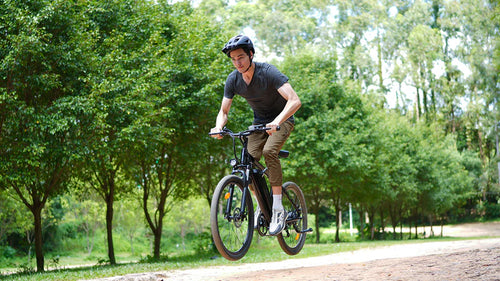
For mountain biking, airless tires offer exceptional durability and protection against rough terrain, including sharp rocks, roots, and trail debris. They eliminate the worry of flats, allowing riders to focus fully on their trail performance.
While they are heavier and firmer than standard tires, airless tires provide consistent grip and stability across rugged paths. However, their reduced shock absorption can slightly affect handling on technical downhill trails, so riders should weigh comfort versus puncture-proof performance.
These tires are especially valuable for recreational or casual mountain bikers who want to minimize tire maintenance while still enjoying off-road adventures.
Gravel Bikes
Gravel cyclists benefit from airless tires’ puncture-resistant design across varied surfaces, such as dirt paths, gravel tracks, and light off-road trails. They provide reliable performance and minimal maintenance, which is essential for long rides over unpredictable terrain.
While slightly firmer than air-filled tires, they maintain consistent traction and durability across gravel, packed dirt, and urban edges. Riders who value flat-free reliability and durability over ultimate comfort will find airless tires highly practical for gravel and mixed-surface riding.
Fat Tire Bikes
Airless options for fat tire bikes are more limited due to the wider design requirements. When available, they offer puncture-proof reliability and durability, making them suitable for soft surfaces like snow, sand, and loose urban terrain.
Installation may be more complex, and the firmer ride can affect comfort and handling, particularly for riders who rely on fat tires for shock absorption. Cyclists should weigh the benefits of low-maintenance, flat-free riding against potential compromises in agility and ride comfort.
How Long Airless Bike Tires Last
Airless bike tires are built for long-lasting, puncture-proof performance, making them a reliable choice for commuters, e-bike riders, and casual cyclists. Depending on riding style and terrain, these tires typically last 3,000 to 5,000 miles, providing consistent performance without the risk of flats or sudden tire failure.
Durability is influenced by factors such as rider weight, terrain type, and riding frequency. Rough roads, sharp debris, and frequent off-road use can accelerate wear, while smooth streets and moderate use help maximize the lifespan of airless tires.
Unlike traditional pneumatic tires, which are prone to punctures and pressure loss, airless tires wear gradually over time, maintaining flat-free performance throughout their lifespan. This makes them a low-maintenance, dependable option for riders seeking convenience and long-term reliability.
How to Choose the Best Airless Bike Tires
Tire Size
Selecting the correct tire size is critical for safety, handling, and overall ride quality. Airless tires come in a range of diameters and widths to fit road bikes, mountain bikes, hybrid bikes, and gravel bikes. Choosing a size that matches your bike’s rim ensures proper alignment, prevents wobbling, and maintains optimal traction on different surfaces.
Weight Rating
The weight rating indicates the maximum load a tire can safely support. Riding a tire above its weight limit can cause premature wear, reduced stability, and poor performance, while a properly rated tire provides durability and consistent ride quality. Consider both rider weight and additional gear or cargo when evaluating the right tire.
Terrain
Your usual riding terrain heavily influences which airless tire is best. Smooth asphalt requires less aggressive tread, while rough roads, gravel, or light trails need reinforced, puncture-resistant designs. Matching tires to your terrain improves traction, ride comfort, and safety, and reduces the risk of uneven wear or damage.
Riding Frequency
How often you ride should guide your tire selection. Daily commuters or long-distance riders benefit from high-durability airless tires that withstand constant use without losing performance. Occasional or recreational cyclists may prioritize lighter, more flexible tires that offer comfort and easier handling while still providing flat-free reliability.
Budget Considerations
Airless tires range from budget-friendly options to premium designs. While higher-end tires cost more upfront, they often offer longer lifespan, better materials, and enhanced ride quality, ultimately saving money on flats and maintenance. Balance your budget with performance, durability, and your riding needs to select the most cost-effective option.
Cost Breakdown & Installation Overview
Average Price
Airless bike tires generally cost more than traditional pneumatic tires due to their specialized materials and design. Prices can range from $50 to $150 per tire, depending on size, durability, and intended use. While the upfront cost is higher, riders often save money over time by avoiding flats, frequent replacements, and maintenance costs.
Installation Tools/Requirements
Installing airless tires can be slightly more challenging than standard tires. Some models require special tools or adapters to fit the solid or foam cores onto the rim properly. Ensuring correct installation is essential for ride safety, tire longevity, and optimal performance.
DIY vs. Professional Installation
Many riders can install airless tires themselves with basic mechanical skills, but professional installation is recommended for first-time users or complex bike setups. A professional ensures the tire is securely seated, balanced, and properly aligned, reducing the risk of damage or handling issues. Choosing the right installation method depends on experience, tools, and comfort level.
Discover Our isinwheel E-Bikes
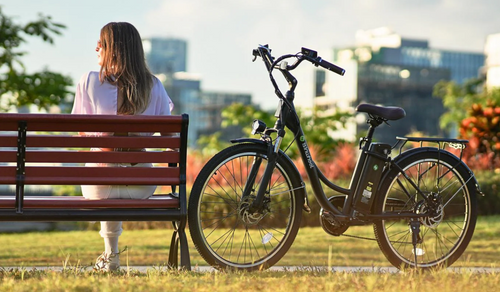
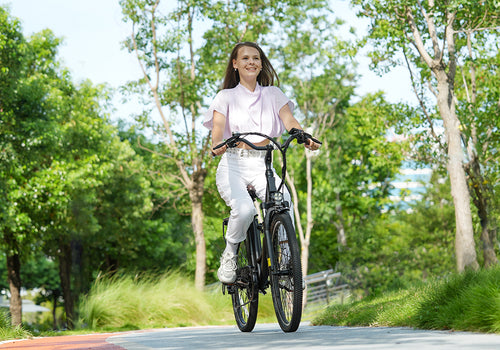
Experience the ultimate combination of power, performance, and reliability with isinwheel e-bikes. Designed for commuters, city riders, and recreational cyclists, our e-bikes provide flat-free riding options, smooth acceleration, and long-lasting battery life. Explore our versatile models below to find the perfect fit for your cycling needs.
|
Images |
 |
 |
 |
 |
 |
 |
|
Models |
||||||
|
Top Speed |
20 MPH |
20 MPH |
18.6 MPH |
21.7 MPH |
19 MPH |
20 MPH |
|
Peak Power |
500W |
500W |
500W |
500W |
500W |
750W |
|
Battery |
36V 7.8Ah |
36V 13Ah |
36V 7.8Ah |
36V 10.4Ah |
36V 10.4Ah |
36V 10.4Ah |
|
Max Range |
28 miles |
65 miles |
35 miles |
60 miles |
55 miles |
55 miles |
|
Speed (before unlock) |
10/15/25 km/h |
6/10/15/20/25 km/h |
10/15/25 km/h |
6/10/15/20/25 km/h |
6/10/15/25 km/h |
6/10/15/20/25 km/h |
|
Speed (after unlock) |
15/25/32 km/h |
10/15/20/25/32 km/h |
15/25/30 km/h |
6/10/15/20/35 km/h |
15/25/30 km/h |
10/15/20/25/32 km/h |
|
Brake System |
front and rear disc brakes |
mechanical brake |
disc brakes |
mechanical disc brakes |
dual disc brakes |
dual disc brakes |
|
Max Load |
120 kg |
120 kg |
120 kg |
150 kg |
120 kg |
120 kg |
|
Net Weight |
23.2 kg |
27 kg |
23.3 kg |
27kg |
26.5 kg |
28.4 kg |
|
Suspension |
Rear mid shock absorber |
Front suspension |
Adjustable front fork + comfort saddle |
Hydraulic fork |
Dual |
Aluminum front fork |
|
Max Climb |
20% |
37% |
25% |
20% |
20% |
20% |
|
Tire Size |
14×1.95" |
26×1.95" |
16×1.75" |
26×1.95" |
16×2.15" |
26×1.95" |
|
Tire Type |
Pneumatic |
Pneumatic |
Pneumatic |
Pneumatic |
Pneumatic |
Pneumatic |
|
IP Rating |
IPX4 |
IP65 |
IPX65 |
IPX5 |
IPX4 |
IPX4 |
|
Removable Battery |
No |
Yes |
No |
Yes |
Yes |
Yes |
|
Rider Height |
150–185 cm |
160–192 cm |
155–185 cm |
160–190 cm |
140–180 cm |
150–192 cm |
Conclusion
Airless bike tires are perfect for commuters, city riders, and e-bike users seeking a puncture-proof, low-maintenance ride. While less ideal for long-distance or performance cycling, they offer durability and reliability for daily use.
For the best experience, pair them with isinwheel e-bikes, designed for powerful performance, long-range rides, and hassle-free commuting.
FAQs
Are airless bike tires better?
Airless bike tires are better for puncture-proof, low-maintenance, and durable riding, ideal for commuters and casual cyclists. They are less suited for performance or long-distance rides due to firmer ride and added weight.
How long will airless tires last?
Airless bike tires typically last 3,000–5,000 miles, depending on terrain, rider weight, and riding frequency, providing consistent flat-free performance.
Why can't we use airless tires?
Airless tires are heavier and firmer, which can reduce comfort, speed, and handling. For a smoother, more efficient ride, pneumatic tires like those on isinwheel e-bikes are a better choice for commuting and recreational cycling.
Do they make airless tires for bicycles?
Yes, airless tires are available for commuter bikes, city bikes, gravel bikes, and some mountain bikes. Options for fat tire and performance bikes exist but are more limited.
The Latest Posts


Explore isinwheel products
City E Scooter | Off-Road Scooter
Fastest Scooter | Kids Scooters




Leave a comment