













Bike Seat Stem Sizes Guide: Find the Perfect Fit
Choosing the right bike seat stem size is essential for comfort, control, and performance. A properly sized stem improves riding posture, reduces fatigue, and helps prevent injuries. Understanding bike seat stem sizes ensures a secure fit and a smoother, more efficient ride every time.
Why Bike Seat Stem Sizes Matter
Selecting the right bike seat stem size is essential for comfort, efficiency, and safety while riding. The correct stem ensures proper bike fit, improves rider posture, and optimizes power transfer for more effective pedaling.
Using the wrong size can reduce handling and steering responsiveness, strain your body due to poor reach, and compromise stability. This increases the risk of fatigue, discomfort, or even injury on longer rides.
Whether you ride road, gravel, or mountain bikes, understanding and choosing the proper bike seat stem size helps you achieve smoother, safer, and more efficient rides. Proper sizing enhances control, confidence, and overall cycling performance.
Common Bike Seat Stem Sizes
Understanding common bike seat stem sizes is crucial for selecting the right fit for your bike. Stem diameter, length, and angle all affect handling, comfort, and overall ride performance. Choosing the correct size ensures your handlebars fit securely and your riding posture is optimized.
Here are the most popular stem sizes:
|
Stem Diameter |
Common Lengths |
Typical Use |
Notes |
|
25.4mm |
60–120mm |
Road / Gravel |
Lightweight, precise handling |
|
31.8mm |
70–130mm |
MTB / Road |
Most common, strong and versatile |
|
35mm |
50–100mm |
Mountain Bikes |
Heavy-duty, supports wider handlebars |
Stem diameter matters because it determines handlebar compatibility, stiffness, and strength. A smaller diameter stem like 25.4mm is lightweight and ideal for road or gravel bikes, while 31.8mm is the standard choice for most riders due to its versatility and durability. The 35mm diameter is used on modern mountain bikes for added stiffness and to support wider handlebars, especially under heavy loads or aggressive riding.
Choosing the right stem size ensures better bike fit, improved handling, and safer rides, making it an essential part of optimizing your cycling performance.
How to Measure Your Bike Seat Stem Size
Selecting the correct bike seat stem size is crucial for comfort, control, and performance on UK roads and trails. Measuring accurately ensures your stem fits your handlebars and frame, improving posture, handling, and pedalling efficiency.
1. Measure Stem Diameter
The stem diameter determines compatibility with your handlebars. To measure, use a pair of calipers and measure the clamp area where the stem attaches to the handlebars. If calipers aren’t available, wrap a tape measure around the stem clamp to get the circumference, then divide by π (3.1416) to find the diameter.
Most modern bikes in the UK use 31.8mm stems, while older road and gravel bikes may have 25.4mm stems. Mountain bikes sometimes use 35mm stems for extra stiffness and strength. Choosing the correct diameter prevents slipping, improves stability, and enhances ride safety.
2. Measure Stem Length
Stem length is the distance between the handlebar clamp centre and the fork steerer tube centre. Proper stem length ensures a comfortable reach to the handlebars and correct riding posture. A stem that is too long can overstretch your arms and cause shoulder strain, while a stem that is too short may feel cramped and reduce steering precision.
Common UK sizes vary from 70mm to 130mm, depending on bike type and riding style. Road cyclists often prefer medium lengths for speed and aerodynamics, while mountain bikers may opt for shorter stems for agility on technical trails.
3. Measure Stem Angle (Rise/Tilt)
The stem angle, also called rise or tilt, affects handlebar height and rider posture. A positive angle raises the handlebars for a more upright, comfortable ride, ideal for commuting or leisure cycling in the UK. A flat or negative angle lowers the bars for an aggressive, aerodynamic stance, preferred by road racers.
Adjusting the stem angle can also relieve pressure on the wrists, neck, and lower back, improving long-ride comfort. Some stems allow minor angle adjustments without changing the stem entirely, which is handy for fine-tuning fit.
4. Why Accurate Stem Measurement Matters
Correctly measuring your bike seat stem size ensures compatibility with your bike and riding style. It improves handling, stability, and pedalling efficiency while preventing discomfort, fatigue, and potential injuries. UK cyclists benefit from getting the fit right, especially on longer rides, hilly terrain, or technical trails where control is critical.
Choosing the Right Bike Seat Stem for Your Riding Style
Selecting the correct bike seat stem size depends on your riding style and bike type. The right stem improves comfort, control, and pedalling efficiency, making your rides smoother and safer.
Road Bikes
For road cyclists, a lightweight, aerodynamic stem is ideal. Moderate lengths, usually between 90mm and 110mm, help maintain an efficient, aggressive riding position without overstretching the arms. Carbon or aluminium stems are popular for their stiffness and vibration absorption.
Beginners may prefer slightly longer stems for comfort and stability, while advanced riders often choose shorter, stiffer stems for improved responsiveness and speed during sprints or races.
Mountain Bikes (MTB)
Mountain biking requires shorter, robust stems to improve handling on technical trails. Stem lengths of 50mm to 80mm are common, providing precise control on rough terrain. Aluminium or steel stems offer durability and strength under heavy loads and impacts.
Beginner MTB riders benefit from slightly longer stems for stability, while advanced riders often use shorter stems to enhance manoeuvrability on steep descents and tight corners.
Gravel Bikes and Commuting
For gravel bikes or everyday commuting, a balanced stem prioritises comfort and control. Stem lengths typically range from 80mm to 100mm, with moderate angles to maintain an upright yet efficient riding position. Aluminium stems are widely used for their durability and affordability.
Beginners should focus on comfort and adjustability, while experienced riders may prefer a stem that allows a slightly lower, aerodynamic position for longer rides.
Material Matters: Aluminium vs Carbon vs Steel
The material of your bike seat stem affects weight, durability, and ride comfort, making it a key factor in overall bike performance. Aluminium stems are strong, lightweight, and affordable, making them ideal for mountain bikes, gravel bikes, and commuting. They offer a good balance of stiffness and durability, performing well on rough terrain and daily rides.
Carbon stems are lighter and excel at absorbing vibrations, making them perfect for road bikes and long-distance rides. They reduce fatigue over extended rides, improve comfort, and enhance performance for competitive or endurance cyclists.
Steel stems are heavier but extremely durable and strong, suitable for vintage bikes or heavy-duty commuter bikes. Choosing the right material ensures your bike seat stem matches your bike type and riding style, improving handling, control, and overall ride quality.
Stem Angle and Reach: How They Affect Your Ride
The stem angle (rise/tilt) and reach impact rider posture, comfort, and pedaling efficiency. A higher rise gives a more upright, relaxed position, reducing strain on the back and wrists, while a lower or negative angle creates a more aerodynamic stance for road bikes.
Stem reach affects control and pedaling. Too long can overstretch your arms, too short can feel cramped. Adjust the stem angle gradually and test ride for the best fit. Correct stem angle and reach improves comfort, handling, and cycling performance.
isinwheel E-Bikes: Perfect for Your Ideal Bike Seat Stem Fit
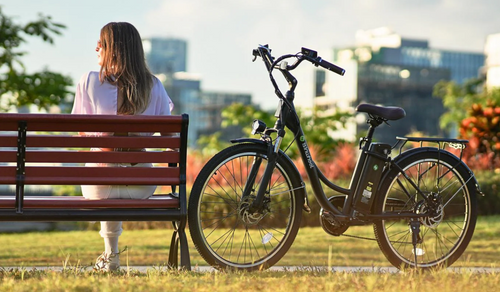
Upgrading to an isinwheel e-bike complements your choice of bike seat stem size by offering adjustable riding positions, comfort, and performance. These e-bikes are designed to accommodate various stem lengths, angles, and rider heights, making them ideal for road, mountain, or urban cycling. With advanced features and versatile sizing, Isinwheel e-bikes ensure a smoother, more efficient ride every time.
|
Images |
 |
 |
 |
 |
 |
 |
|
Models |
||||||
|
Top Speed |
20 MPH |
20 MPH |
18.6 MPH |
21.7 MPH |
19 MPH |
20 MPH |
|
Peak Power |
500W |
500W |
500W |
500W |
500W |
750W |
|
Battery |
36V 7.8Ah |
36V 13Ah |
36V 7.8Ah |
36V 10.4Ah |
36V 10.4Ah |
36V 10.4Ah |
|
Max Range |
28 miles |
65 miles |
35 miles |
60 miles |
55 miles |
55 miles |
|
Speed (before unlock) |
10/15/25 km/h |
6/10/15/20/25 km/h |
10/15/25 km/h |
6/10/15/20/25 km/h |
6/10/15/25 km/h |
6/10/15/20/25 km/h |
|
Speed (after unlock) |
15/25/32 km/h |
10/15/20/25/32 km/h |
15/25/30 km/h |
6/10/15/20/35 km/h |
15/25/30 km/h |
10/15/20/25/32 km/h |
|
Brake System |
front and rear disc brakes |
mechanical brake |
disc brakes |
mechanical disc brakes |
dual disc brakes |
dual disc brakes |
|
Max Load |
120 kg |
120 kg |
120 kg |
150 kg |
120 kg |
120 kg |
|
Net Weight |
23.2 kg |
27 kg |
23.3 kg |
27kg |
26.5 kg |
28.4 kg |
|
Suspension |
Rear mid shock absorber |
Front suspension |
Adjustable front fork + comfort saddle |
Hydraulic fork |
Dual |
Aluminum front fork |
|
Max Climb |
20% |
37% |
25% |
20% |
20% |
20% |
|
Tire Size |
14×1.95" |
26×1.95" |
16×1.75" |
26×1.95" |
16×2.15" |
26×1.95" |
|
Tire Type |
Pneumatic |
Pneumatic |
Pneumatic |
Pneumatic |
Pneumatic |
Pneumatic |
|
IP Rating |
IPX4 |
IP65 |
IPX65 |
IPX5 |
IPX4 |
IPX4 |
|
Removable Battery |
No |
Yes |
No |
Yes |
Yes |
Yes |
|
Rider Height |
150–185 cm |
160–192 cm |
155–185 cm |
160–190 cm |
140–180 cm |
150–192 cm |
Conclusion
Choosing the right bike seat stem size is essential for comfort, control, and overall cycling performance. Riders should carefully consider stem material, diameter, length, angle, and their riding style to ensure proper fit and safety.
Check your bike’s specifications and upgrade your stem today for a safer, more comfortable ride, whether you’re on a road bike, mountain bike, or commuter e-bike. Proper sizing enhances handling, reduces fatigue, and makes every ride more enjoyable.
FAQs
How to determine your bike stem size?
To determine your bike stem size, measure the distance from the steerer tube to the handlebar clamp for the correct stem length, check the diameter of your handlebar clamp to ensure compatibility, and consider the stem angle to match your riding posture, comfort, and style.
How do I know what size seatpost I need?
To know what seatpost size you need, measure the internal diameter of your bike’s seat tube using calipers, or refer to your bike manufacturer’s specifications, and choose a seatpost that fits snugly without requiring excessive force or shims.
What is the 0.883 rule?
The 0.883 rule, also called the LeMond Method, helps set the ideal saddle height for maximum pedaling efficiency. Measure your inseam by marking the top of a book or stick between your legs and measuring from the floor. Multiply your inseam by 0.883 to determine the distance from the top of the saddle to the center of the bottom bracket, ensuring optimal leg extension and reduced knee strain.
What size seat clamp for a 27.2 seatpost?
A 31.8mm seat clamp is ideal for use with frames that require a 27.2mm seatpost, such as the Inspired Fourplay, Inspired Hex, and Inspired Element. This clamp size ensures a secure fit, prevents slipping, and maintains proper alignment for a safe and comfortable ride.
The Latest Posts


Explore isinwheel products
City E Scooter | Off-Road Scooter
Fastest Scooter | Kids Scooters










Leave a comment