Brakes are one of the most important safety features on any electric scooter, yet riders often only think about them once something goes wrong. A spongy lever, a squeaking sound, or a scooter that takes longer to stop are all signs of a fairly common electric scooter brake problem. The good news is that most issues have a clear cause and a straightforward fix. This guide covers how e scooter brakes work, how to diagnose the most common faults, and what to do before calling in a professional, whatever type of brake your scooter uses.
How Electric Scooter Brakes Work and How to Spot a Fault
The Three Main Types of Braking Systems
Most electric scooters use one of three braking systems, and each behaves differently when something goes wrong.
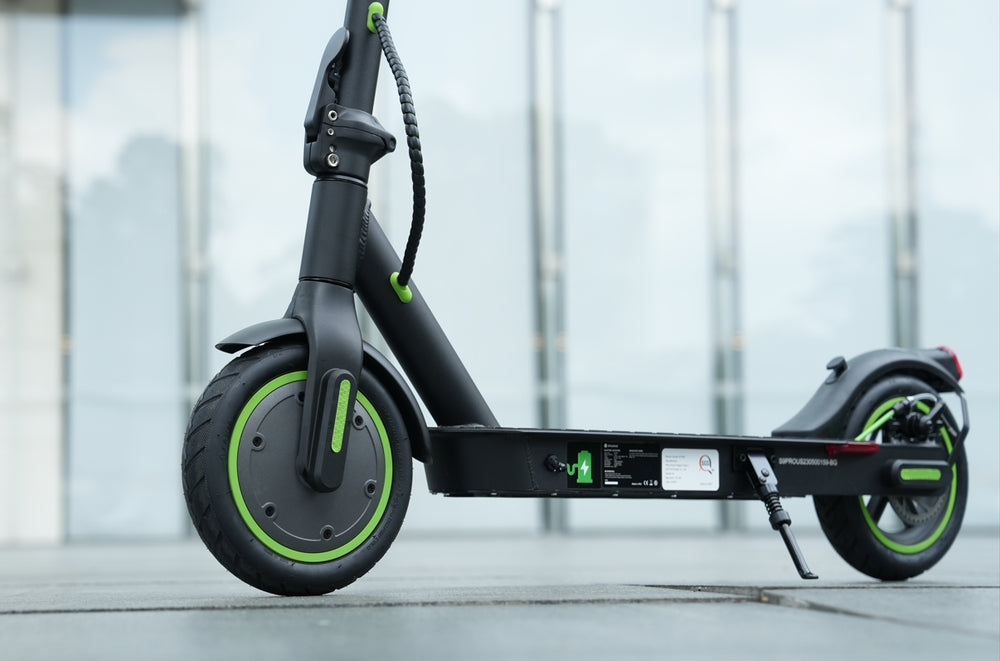
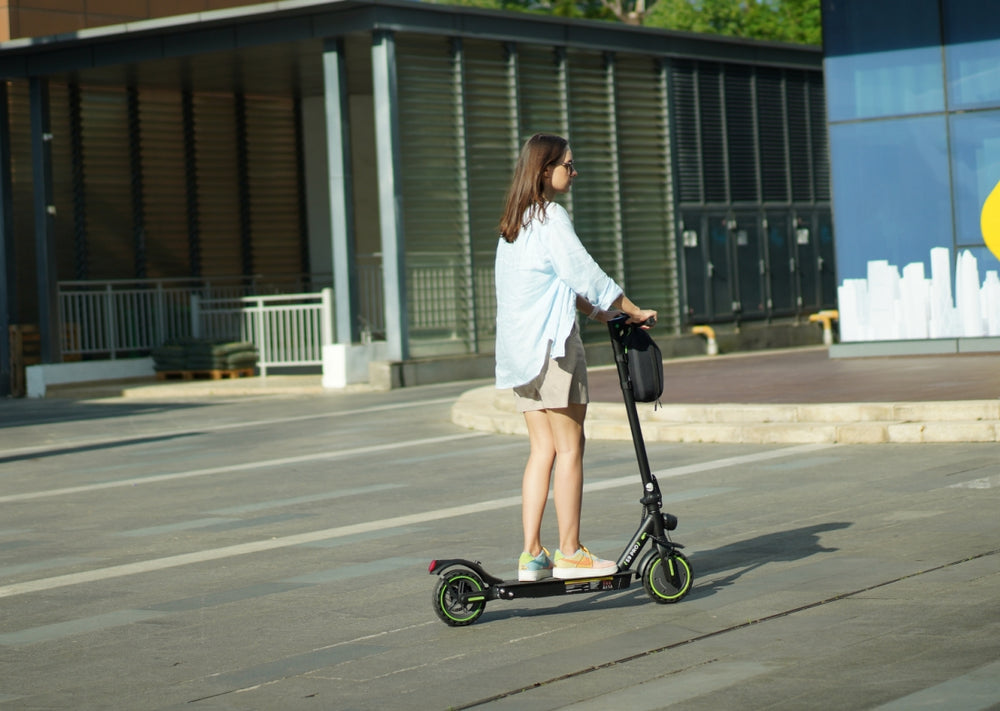
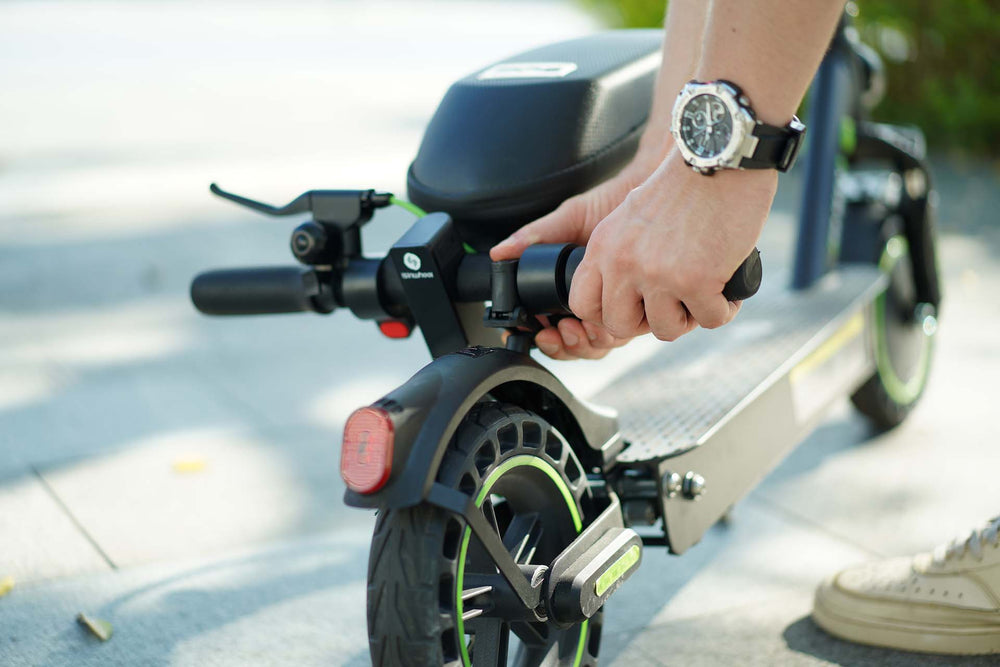
Mechanical brakes, usually disc or drum types, work through a cable connected to the lever. Pull the lever and the cable tugs the calliper, pressing the pads against the disc. They are cheap to maintain, but the cable stretches over time and needs regular adjustment. Many commuter e-scooters, including the isinwheel S9 Portable Electric Scooter, use mechanical disc brakes alongside an electronic braking system for dependable everyday stopping power.
Hydraulic brakes use pressurised fluid instead of a cable, giving a firmer, more progressive feel that copes well with frequent stopping. They occasionally need bleeding to clear air bubbles from the line. You'll typically find this setup on higher-performance models such as the isinwheel GT4 Dual Motor Electric Scooter, which features dual hydraulic disc brakes for stronger and more consistent braking.
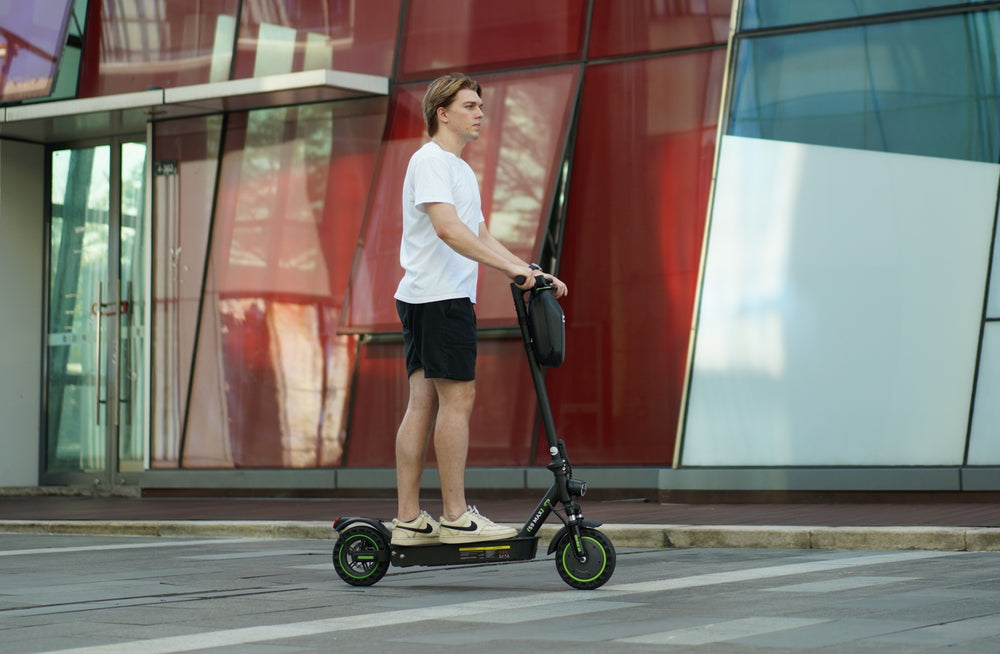
Electronic, or regenerative, brakes work through the motor itself, slowing the wheel electrically while feeding a little charge back into the battery. It is clever, but a faulty sensor or controller can cause a brake problem that has nothing to do with pads or discs at all. any modern scooters, including the isinwheel S10MAX Long-Range Electric Scooter, combine an electronic braking system with mechanical disc brakes to improve stopping performance and rider control.
The Parts That Do the Work
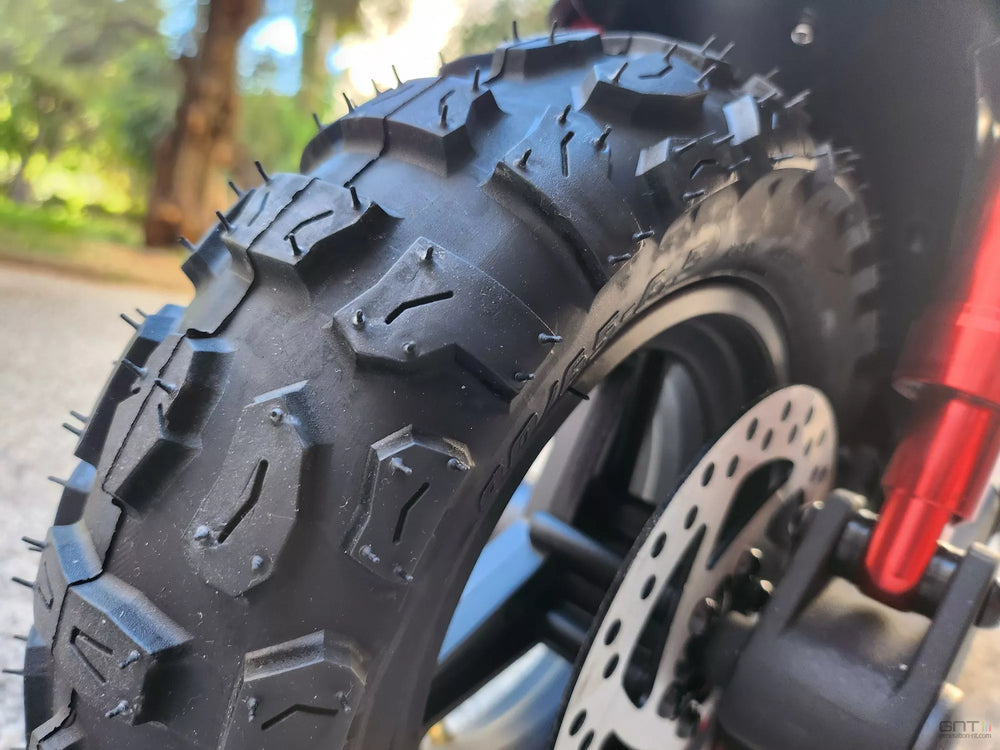
The disc and pads create the friction that slows the wheel, so a warped disc or worn pad noticeably cuts your stopping power. The cable, or the hydraulic line on fluid based systems, carries the force from your hand to the calliper, and a loose cable or contaminated fluid is one of the most common causes of a spongy lever. The calliper keeps the pads pressed evenly against the disc, while electronic brakes also rely on a small sensor that sends signals to the motor. If that sensor drifts out of calibration, braking can feel jerky.
Common Signs Something Is Wrong
Squeaking or grinding noises usually point to worn or misaligned pads. Longer stopping distances often mean low hydraulic pressure or a slack cable. A soft or spongy lever is a classic sign of air in the hydraulic line, and vibration or jerking under braking usually means a warped disc. Catching any of these early stops a small annoyance turning into a genuine safety risk.
How to Diagnose an Electric Scooter Brake Problem
Check the Brake Disc
Look for wear, cracks, or warping, and check for discolouration that suggests overheating. Measure the disc thickness against the minimum figure in your scooter's manual. Replace it if it is too thin or visibly warped.
Inspect the Brake Pads
Pads wear down gradually, so check their thickness and look for uneven wear, glazing, or contamination from oil or road grime. Bed new pads in properly so they make full, even contact with the disc.
Check the Cable and Housing
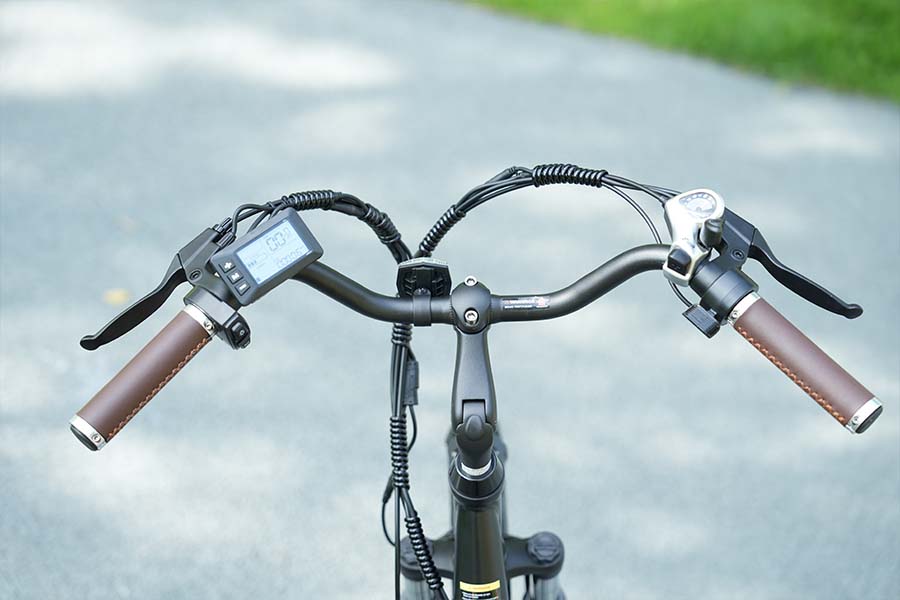
On mechanical systems, a loose or seized cable is often the culprit behind a spongy lever. Look along its length for corrosion, fraying, or kinks, and adjust the tension so the brake responds promptly without dragging.
Examine the Calliper and Pistons
The calliper needs to sit square to the disc so the pads wear evenly. Check that it moves freely and is not rubbing constantly. On hydraulic systems, look for fluid leaks around the pistons or hoses, since even a small leak reduces braking power.
Types of Brakes and How to Fix Common Faults
Hydraulic Disc Brakes
A spongy lever, loss of pressure, or excessive lever travel usually comes down to air in the line, a fluid leak, or a damaged hose. A full bleed and fresh brake fluid will normally restore proper feel and stopping power.
Drum Brakes
Drum brakes, still fitted to some models, tend to develop weak performance or a grinding noise. More often than not, tightening the cable solves it. If the shoes are badly worn, replacement is the safer option.
Electronic or Regenerative Brakes
Inconsistent braking or a motor that will not respond properly usually traces back to a faulty sensor or a controller that needs recalibrating. Diagnosis simply means finding the faulty part and swapping it out.
Maintaining Your Brakes to Avoid Future Problems
Use a proper, non greasy brake cleaner on the discs and callipers, taking care not to get any on the pads, especially after riding in the rain or through dusty conditions. Lubricate only the axles and pivot points, never the friction surfaces, and check lever travel and cable tension regularly so the brake stays responsive.
Most riders should expect to replace brake pads every 500 to 1,000 kilometres, depending on how and where they ride. Replace discs once they reach the minimum thickness stated by the manufacturer, and always change pads in pairs to keep wear even.
Repairing a Brake Problem and Replacing Parts
Remove the faulty component carefully, then fit the replacement, whether that is a pad, disc, cable, or calliper, following the manufacturer's guidance during reassembly. Before putting everything back together, check disc and calliper alignment, cable or hydraulic tension, and that every fastener is properly tightened, since skipping this step is how new rattles and vibrations creep in.
Once reassembled, test the brakes at low speed on flat ground. Pay attention to lever feel, stopping power, and any unusual noise or vibration before trusting the scooter on the road again.
Getting the Most Out of Your Braking Performance
Organic pads brake quietly and progressively and are gentler on the disc. Ceramic pads offer more power and cope better with heat, though they can be noisier when cold, so pick whichever suits how you ride. Adjusting the lever's contact point to suit your hand reduces travel and sharpens response, cutting down on fatigue over a long ride. Regenerative braking extends your range, eases wear on the mechanical brakes, and gives better control on descents, so it is worth keeping an eye on the sensor to make sure it stays accurate.
When to Call in a Professional
Book your e-scooter in with a specialist if the lever stays soft despite adjustment, if noises persist after maintenance, or if you spot a hydraulic leak or a sensor fault. These point to problems beyond a simple home fix. A poor adjustment or badly bled system can mean reduced stopping power, faster wear on parts, or a fault that costs more to fix later. A qualified technician gets it right first time and keeps you safe.
Frequently Asked Questions
How do I tighten the brakes on an electric scooter?
First work out whether you have a mechanical or hydraulic system. For a mechanical brake, turn the adjustment screw on the lever or calliper until the lever feels firm and the pads just touch the disc. For a hydraulic brake, check the fluid level and bleed the system if needed to clear any air. Always test at low speed afterwards.
How do I repair the brakes on an electric scooter?
Start by identifying the cause, whether that is worn pads, a warped disc, a loose cable, or a hydraulic or electronic fault. Replace the pads or tighten the cable on a mechanical brake, or check the fluid level and bleed a hydraulic system. On an electronic brake, you may need a new sensor or controller. Test at low speed once done.
Why has my electric scooter stopped braking properly?
This usually comes down to worn pads or a worn disc, a loose or seized cable on mechanical brakes, or low or contaminated hydraulic fluid. On electronic systems, a faulty sensor or controller is often to blame. Identify the cause, carry out the repair, and test carefully before riding normally again.
How much does it cost to repair electric scooter brakes in the UK?
Costs vary depending on the type of brake and the extent of the repair. As a rough guide, a simple cable adjustment typically costs around fifteen to twenty pounds, replacing brake pads is usually around twenty to twenty five pounds, and a full hydraulic bleed tends to sit around thirty to thirty five pounds. More involved jobs, such as replacing a calliper or lever, generally cost between twenty five and thirty five pounds. These are guide prices only and will vary between workshops.







































Leave a comment