













How to Turn On Electric Scooter Light – Easy Steps for Safer Night Rides
Turning on your electric scooter light is crucial for safe riding, especially in low-light conditions. Whether you’re commuting home after sunset, navigating poorly lit streets, or riding during rainy or foggy weather, having fully functional lights ensures you are visible to other road users and can clearly see the path ahead.
Proper scooter lighting isn’t just a convenience—it’s a key safety feature. By knowing how to activate your headlight and taillight correctly, you can prevent accidents, comply with local UK safety regulations, and enjoy a more confident, stress-free ride in any lighting condition.
Understand Your Electric Scooter Model
Before turning on your electric scooter light, it’s important to understand that controls and features can vary depending on the brand and model. Familiarising yourself with your scooter ensures you use the lights correctly and safely, preventing potential damage or visibility issues.
Locate the Light Switch
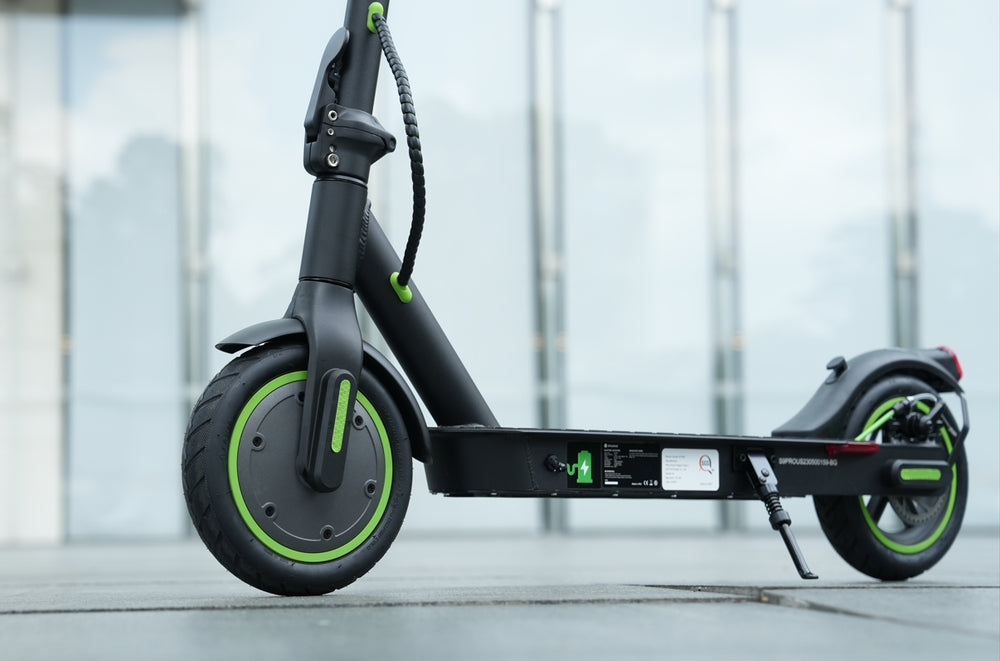
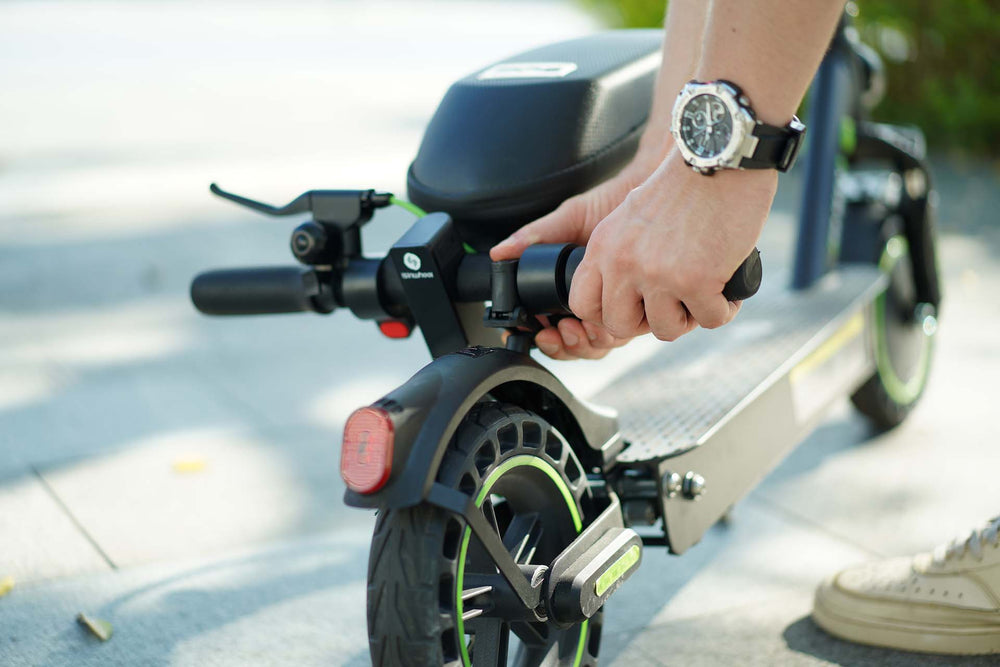
Most electric scooters have a dedicated switch or button for lights. Some models feature separate controls for the headlight and taillight, while others may use a single button to activate both simultaneously. Take time to locate these switches on your handlebars, console, or stem so you can quickly access them when needed.
Check the Manual
Every scooter model can have unique functions, such as adjustable brightness or automatic light modes. Reading the manufacturer’s manual provides crucial information about your scooter’s lighting system, switch positions, and any special features. This ensures you operate the lights safely and maintain their longevity.
Turn On Your Electric Scooter
Before turning on the electric scooter light, make sure the scooter itself is switched on. Most electric scooters require power before the lights can function, so understanding how to start your scooter safely is essential for both performance and visibility. Activating your scooter properly ensures that all electronic systems, including headlights and taillights, operate correctly.
Locate the Power Button
The power button is usually found on the handlebar console or near the base of the scooter. Some models may integrate the button into the stem or display panel. Look for a symbol resembling a circle with a vertical line (the universal power icon). Familiarising yourself with this button’s location makes it quicker and safer to start your scooter.
Press-and-Hold Technique
Most scooters require a 1–3 second press-and-hold to power on. Simply tapping the button may not activate the system. Holding the button briefly allows the display, throttle, brakes, and lights to initialize properly. This small step can prevent common startup issues and ensures the scooter is ready for a smooth ride.
Check the Display Indicators
Once powered on, check the display panel for key indicators such as battery level, speed mode, and the headlight icon. Confirming these indicators helps you ensure that your scooter is fully operational and ready for use. If any warnings or low battery alerts appear, address them before turning on the lights to avoid reduced visibility or system malfunction.
Activate the Lights
After powering on your scooter, the next step is to activate the lights to ensure safe riding. Properly functioning lights are essential for visibility during night rides, early morning commutes, or low-light conditions. Follow these steps to make sure your lights work correctly.
Locate the Light Switch/Button
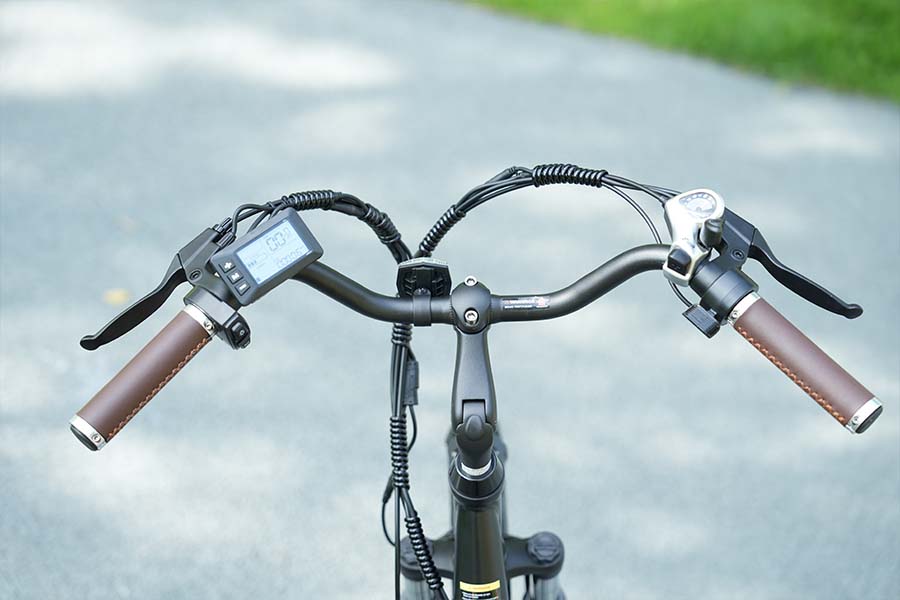
Most scooters feature a light switch that may be a sliding switch, dedicated button, or integrated into the console control. For portable electric scooters, the switch is usually on the handlebars. Knowing its location allows you to quickly turn the lights on or off while riding.
Front and Rear Lights
Always check that both the headlight and taillight are active before setting off. Some models have separate controls for front and rear lights, while others activate both simultaneously. A quick visual check ensures maximum visibility and safety on the road.
Adjust Brightness (If Available)
Certain scooters come with adjustable brightness settings. If your model allows it, adjust the light intensity depending on the conditions—higher brightness for dark streets, lower for well-lit areas. Correct brightness helps preserve battery life while keeping you visible.
Test the Lights
Before hitting the road, always test your scooter lights to ensure they are working properly. A quick inspection can prevent accidents and improve your visibility during night rides or low-light conditions.
Walk-Around Test
Perform a walk-around check to verify that both the headlight and taillight are functioning. Make sure the lights are bright and steady, not flickering. This simple step helps confirm your scooter is fully visible to other road users.
Ask a Friend to Help
If possible, have a friend assist you in checking the lights. They can stand behind or in front of the scooter to confirm the lights are pointing in the right direction and providing adequate illumination. This extra check increases safety, especially for new riders.
Check Display Indicators
Most scooters display a light icon on the dashboard when the headlights or taillights are active. Confirm that this indicator is lit before riding. Checking the display ensures the lights are properly powered and helps spot any system warnings early.
Safety Tips While Using Scooter Lights
Riding with lights is essential, but combining them with proper electric scooter safety practices ensures you stay fully protected on the road. Follow these tips every time you ride:
-
Always Wear Reflective Gear
Wearing reflective clothing or accessories increases your visibility, making it easier for drivers and pedestrians to see you in low-light conditions. -
Avoid Riding in Blind Spots
Stay out of drivers’ blind spots and maintain a safe distance from other vehicles. Proper positioning on the road ensures your lights are effective and you remain visible. -
Be Cautious in Wet or Slippery Conditions
Rain, fog, or wet surfaces reduce traction. Use a gentle throttle, brake early, and ride slowly to maintain control while your lights help you see and be seen. -
Follow Local Road Rules
Always adhere to UK traffic laws, including speed limits and designated cycling/scooter paths. Using lights responsibly along with legal compliance ensures safer riding for you and others.
Troubleshooting Common Issues
Even the best scooters can encounter light problems. Identifying and fixing these issues quickly ensures electric scooter safety and reliable visibility for night rides and low-light conditions.
-
Lights Won’t Turn On
If your scooter lights fail to activate, first check the battery charge and ensure the scooter is switched on. Inspect the light switch and wiring for loose or damaged connections. Most startup problems are simple fixes, preventing unnecessary downtime. -
Dim or Flickering Lights
Dim or flickering headlights usually point to a low battery or minor electrical issues. Recharge the battery fully, check bulbs for damage, and ensure all connections are secure to restore consistent light output. -
Consult the Manual or Customer Support
When troubleshooting doesn’t solve the issue, refer to your manufacturer’s manual for model-specific guidance. Contact official customer support for advice or replacement parts. Following official instructions ensures safe operation and protects your scooter warranty.
Explore isinwheel E-Scooters for Powerful Night Rides
Looking for a reliable scooter with excellent lighting and performance? isinwheel e-scooters offer advanced features, long-range batteries, and powerful motors, making them perfect for safe commuting and night riding. With multiple models to suit every rider, you can enjoy superior speed, comfort, and durability on UK roads.
|
Images |
||||||||||
|
Feature |
||||||||||
|
Motor Power |
350 W |
500 W |
1000 W |
800 W |
1000 W |
1200 W |
1250 W |
1000 W |
2400 W |
1000 W |
|
Range |
30 km |
40 km |
60–70 km |
45 km |
50 km |
60 km |
70 km |
70 km |
80 km |
61 km |
|
Top Speed |
30 km/h |
35 km/h |
45 km/h |
45 km/h |
45 km/h |
45 km/h |
50 km/h |
60 km/h |
72 km/h |
45 km/h |
|
Battery |
36 V 7.5 Ah |
36 V 10 Ah |
54.6 V 15.6 Ah |
48 V 10 Ah |
48 V 12.5 Ah |
48 V 15 Ah |
48 V 15.6 Ah |
48 V 18.2 Ah |
58.8 V 18.2 Ah |
48 V 13 Ah |
|
Charging Time |
3–4 h |
3–6 h |
6–7 h |
4–5 h |
5–6 h |
5–7 h |
6–7 h |
3–4 h |
6–7 h |
5–6 h |
|
Max Load |
100 kg |
120 kg |
150 kg |
150 kg |
200 kg |
150 kg |
150 kg |
150 kg |
150 kg |
330 lbs |
|
Net Weight |
13.8 kg |
15.6 kg |
22.1 kg |
23.8 kg |
22 kg |
22.5 kg |
27.3 kg |
46.3 kg |
33.4 kg |
27.4 kg |
|
Suspension |
Dual |
Quad |
Front + Rear |
Front Fork + Rear |
Quad |
Dual |
Dual Swingarm |
Oil + Dual Rear Springs |
Dual Swingarm + Hydraulic |
Front Swingarm + Rear Dual-Spring |
|
Tires |
8.5″ pneumatic |
10″ pneumatic |
10″ off-road |
10″ off-road |
10″ off-road |
11″ off-road |
10″ × 2.75″ |
4″ wide snow tires |
12″ × 2.75″ Tubeless Off-Road |
10″ pneumatic |
|
Brakes |
EBAS + Disc |
EBAS + Disc |
Dual Disc + Elec |
Dual Disc + Elec |
Dual Disc + EABS |
Dual Disc + Elec |
Dual Disc + EABS |
Triple (Disc + Elec) |
Dual Hydraulic Disc Brakes |
Front & Rear Disc + Hidden Electronic |
|
IP Rating |
IP54 |
IP54 |
IP54 |
IPX4 |
IPX4 |
IP54 |
IP54 |
IPX5 |
IP54 (Body), IPX7 (Battery) |
IP54 |
|
Climbing Ability |
20 % |
20 % |
35 % |
30 % |
25 % |
35 % |
30 % |
40 % |
50 % |
30 % |
Conclusion
Turning on your electric scooter light is essential for safe riding, especially during night rides or low-light conditions. To recap the key steps: power on your scooter, locate the light switch, activate the lights, test them, and then enjoy a safe, well-lit ride.
Always ensure your lights are functioning before every ride to stay safe and visible on UK roads. Following these steps not only improves your personal safety but also helps you comply with local regulations and enjoy a confident, stress-free riding experience.
FAQs
How do I turn on the electric scooter headlight?
To turn on the electric scooter headlight, first power on the scooter. Locate the light switch, usually on the handlebars or integrated into the display console. Press or toggle the switch to activate the headlight, and visually confirm it is on before riding.
How do I turn the light on an electric scooter?
After switching on the scooter, find the dedicated light button or switch. Some scooters allow separate control for the headlight and taillight, while others activate both together. Make sure the lights are fully functional before starting your ride.
How do I turn on the light on my electric bike?
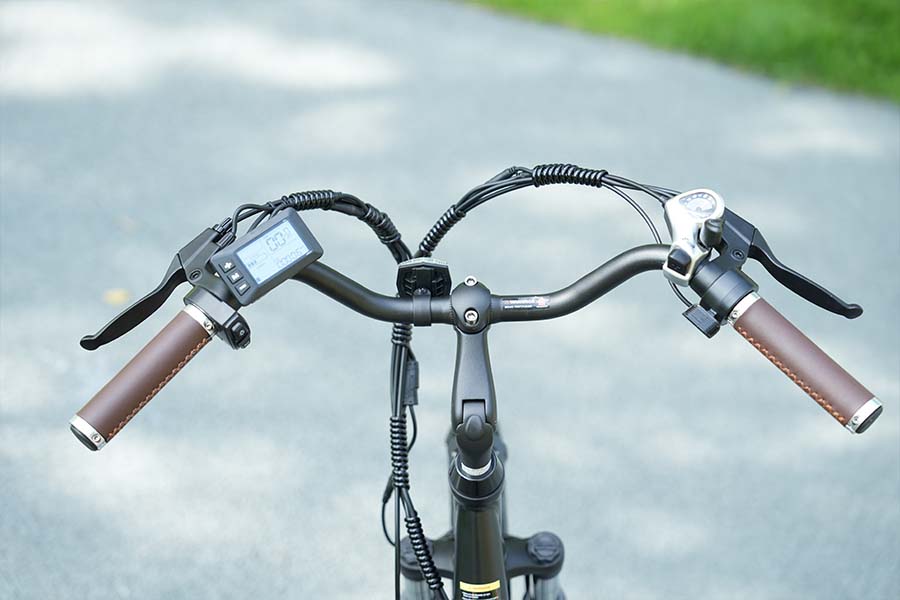
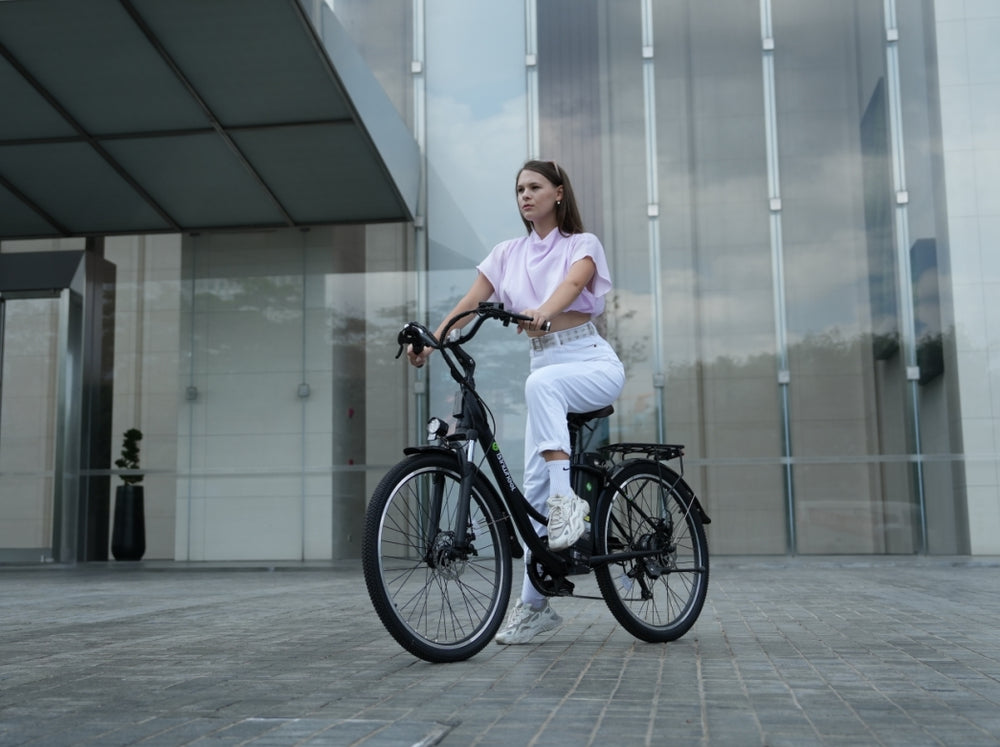
Most electric bikes have a light button on the handlebar or display panel. Press or toggle this button to turn on the headlight and rear light. Always check the lights before riding in low-light conditions to ensure visibility.
Do electric scooters have headlights?
Yes, most modern electric scooters come equipped with headlights and taillights. These lights are essential for night riding, low-light visibility, and rider safety, and some models even offer adjustable brightness or automatic activation features.
The Latest Posts


Explore isinwheel products
City E Scooter | Off-Road Scooter
Fastest Scooter | Kids Scooters











Leave a comment