Gridlocked roads, sky-high fuel costs, and the never-ending hunt for parking. Sound familiar? For millions of commuters across the UK, this is just a normal Tuesday. The good news is that the electric scooter daily commute is fast becoming the smarter, more affordable alternative to sitting in traffic.
The isinwheel electric scooter gives you a lightweight, foldable, and genuinely enjoyable way to get around town. Whether you are covering the last mile from the station or ditching the car entirely, it can save you real money, shave time off your journey, and do something good for the planet too. In this guide, we cover the real cost savings, UK-relevant considerations, top isinwheel models, and practical tips for building a scooter into your everyday commute.
The Real Cost of Commuting by Car vs Electric Scooter
Most people massively underestimate what their daily commute actually costs them. When you add up fuel, insurance, parking, road tax, and ongoing maintenance, the average UK driver spends somewhere between £4,000 and £7,500 per year just getting to and from work. That figure quietly chips away at your pay packet every month.
Now compare that with a quality foldable adult electric scooter like the isinwheel S9 MAX. The initial purchase is a fraction of those annual motoring costs, and charging the battery typically costs just pennies per trip. Most riders spend well under £30 a year on electricity for their daily commute. Here is a simple comparison:
-
Car: Fuel approximately £1,800 per year + insurance around £700 + parking £500 + maintenance £400 = over £3,400 in variable costs alone
-
isinwheel electric scooter: A one-off purchase cost + roughly £25 to £30 per year in electricity + minimal servicing
For commutes under 15 km, a lightweight electric scooter is honestly one of the most cost-effective transport options you will find. Most riders break even on their purchase within just a few months of switching.
Riding an Electric Scooter in the UK: What You Need to Know
The UK legal landscape for privately owned electric scooters is evolving, so it is worth staying up to date with the current rules before you ride. At the time of writing, privately owned e-scooters may only be used on private land with the landowner's permission. On public roads, pavements, and cycle lanes, only government-approved rental scooters from official trial schemes are currently permitted.
That said, the government has signalled clear intent to legalise private e-scooters on public roads, and legislation is expected to follow. In the meantime, many riders use their isinwheel scooter on private land, within their workplace premises, or in areas where local trials apply. Always check the latest government guidance before heading out.
The isinwheel S9 MAX and GT1 are built with safety and compliance in mind, and both models are well-positioned to meet expected future UK standards around speed limits and build requirements. Getting ahead of the curve now means you will be ready to ride the moment the rules catch up with the technology.
isinwheel S9 MAX and GT1: Built for the British Commute
Two isinwheel models stand out as the go-to choices for daily commuting. Both have been designed with urban riders in mind, and both punch well above their weight when it comes to performance and practicality.
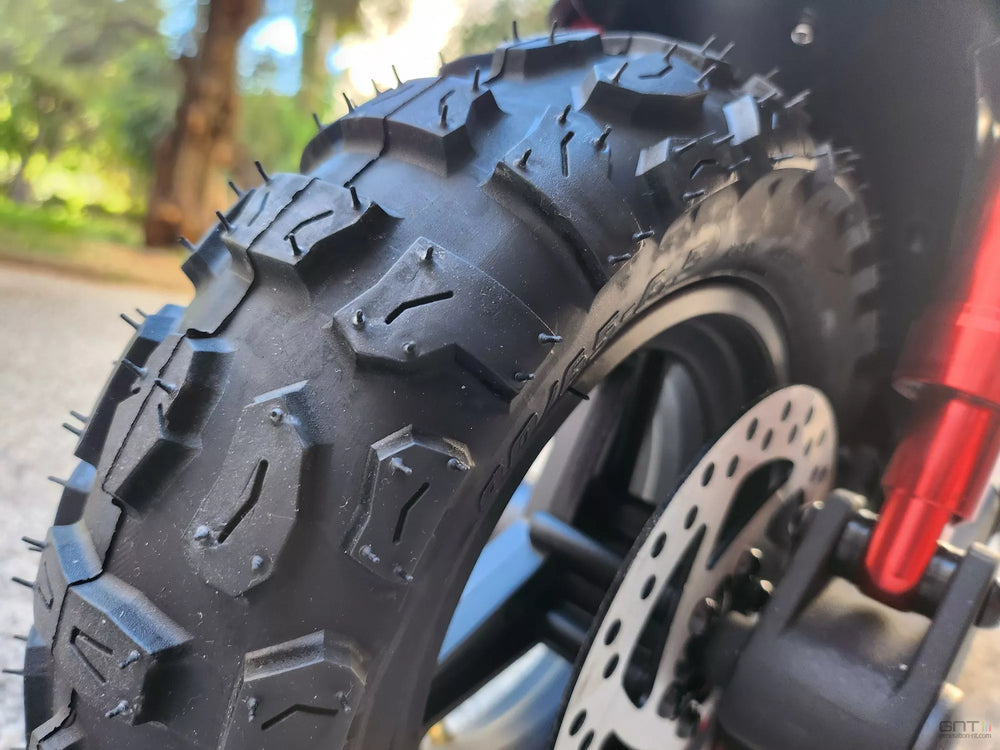
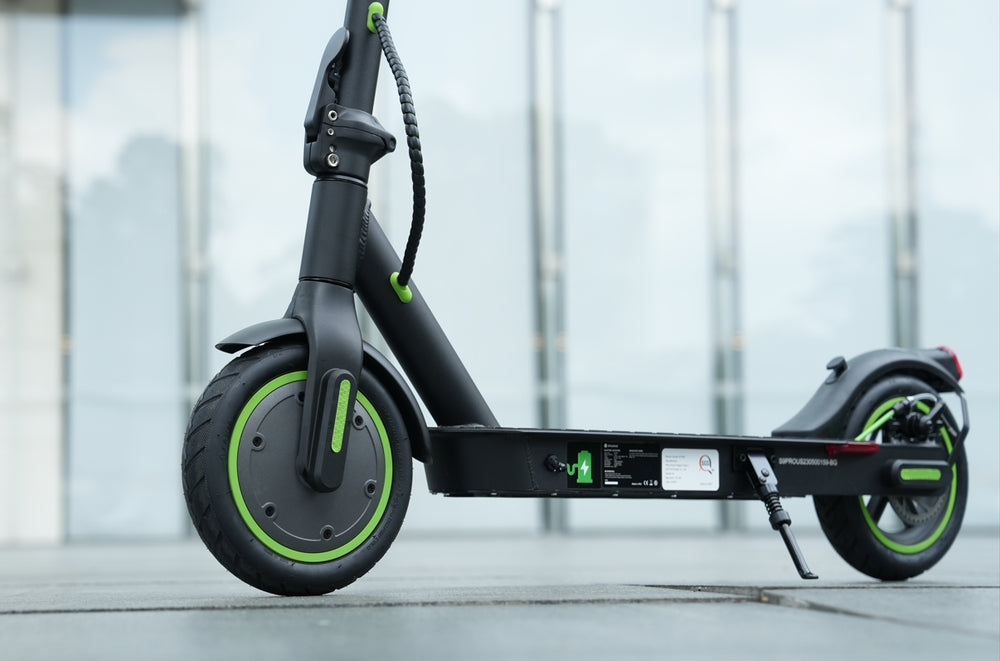
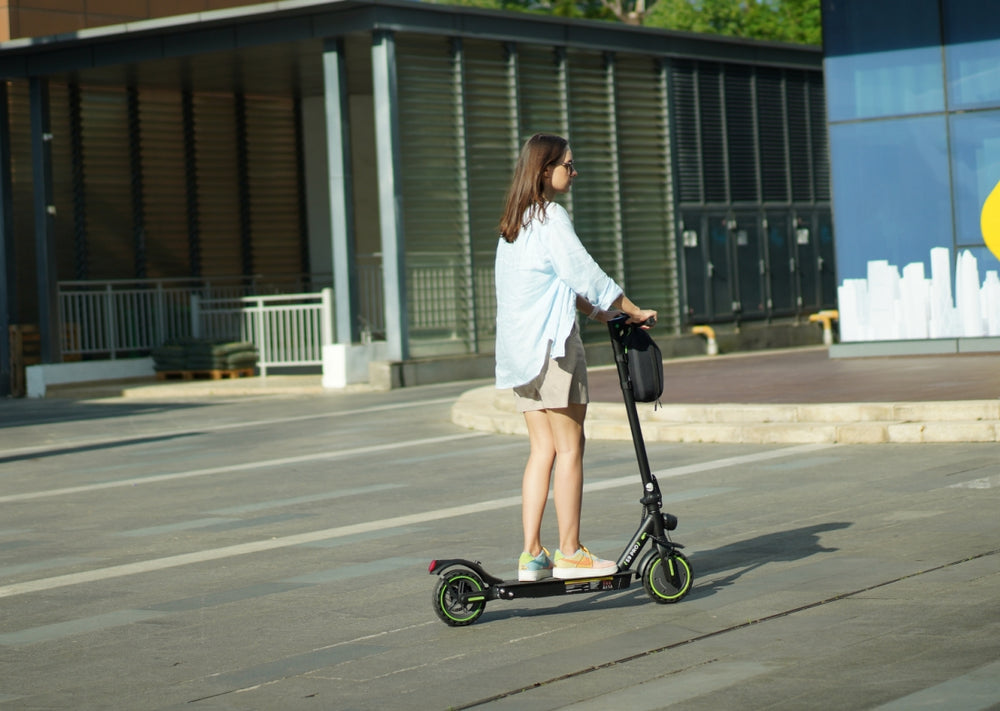
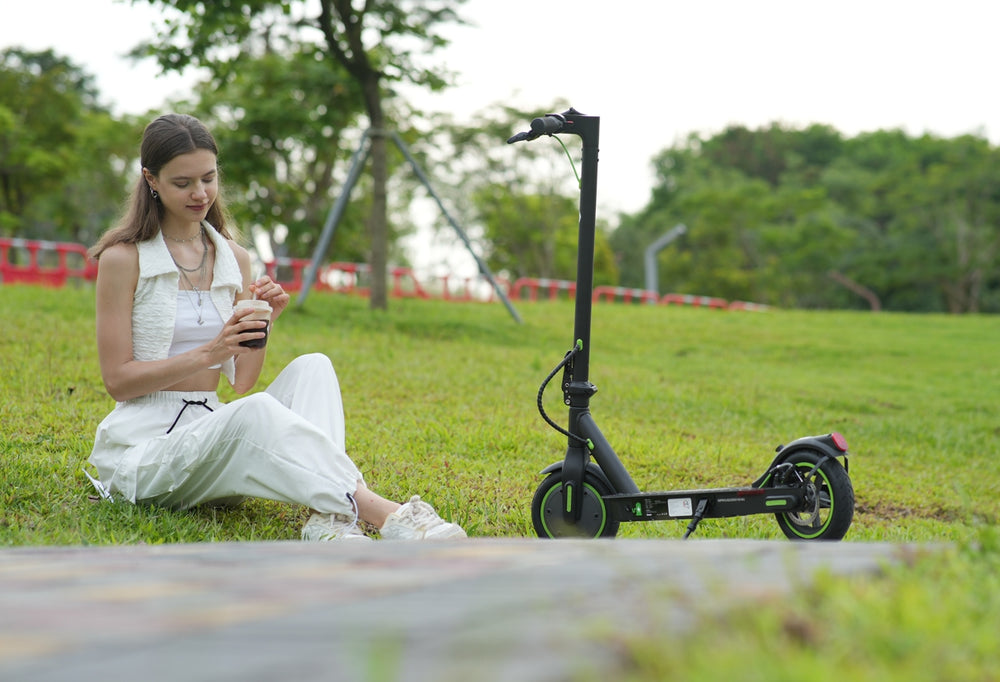
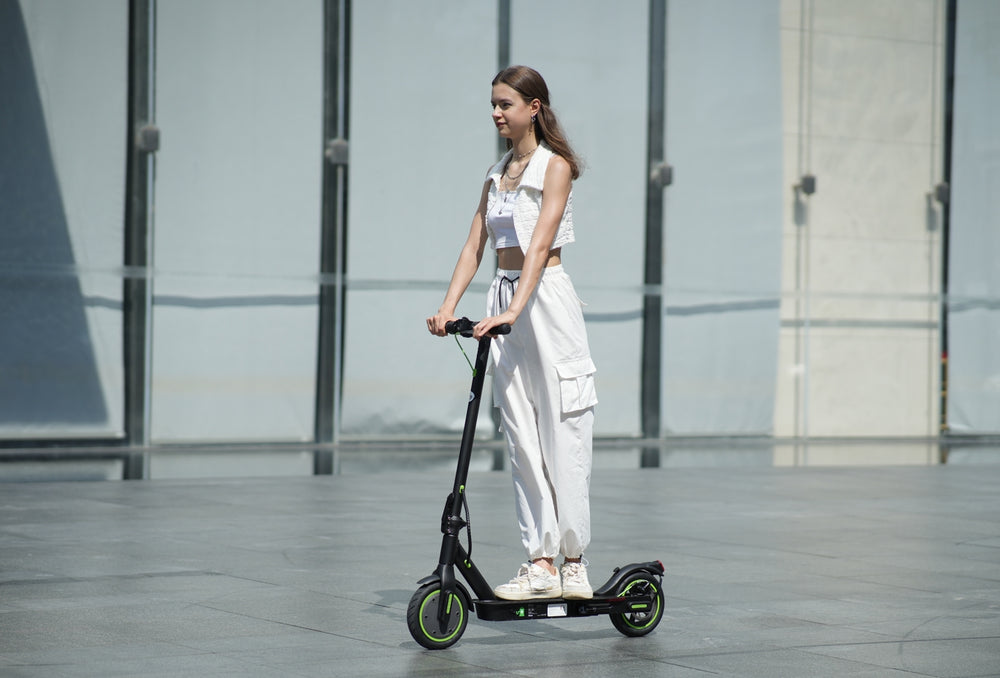
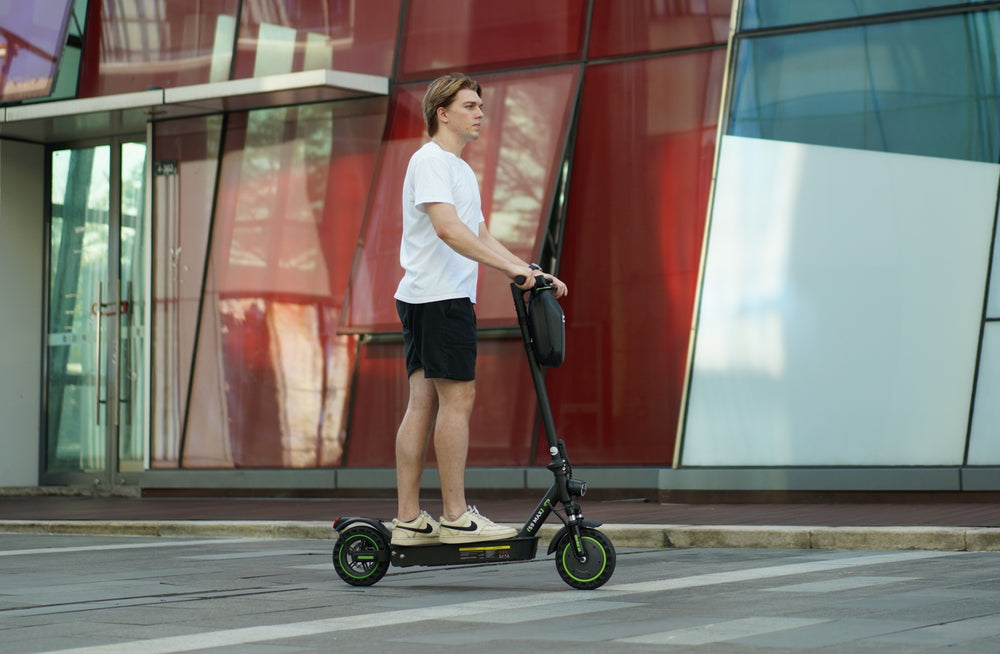
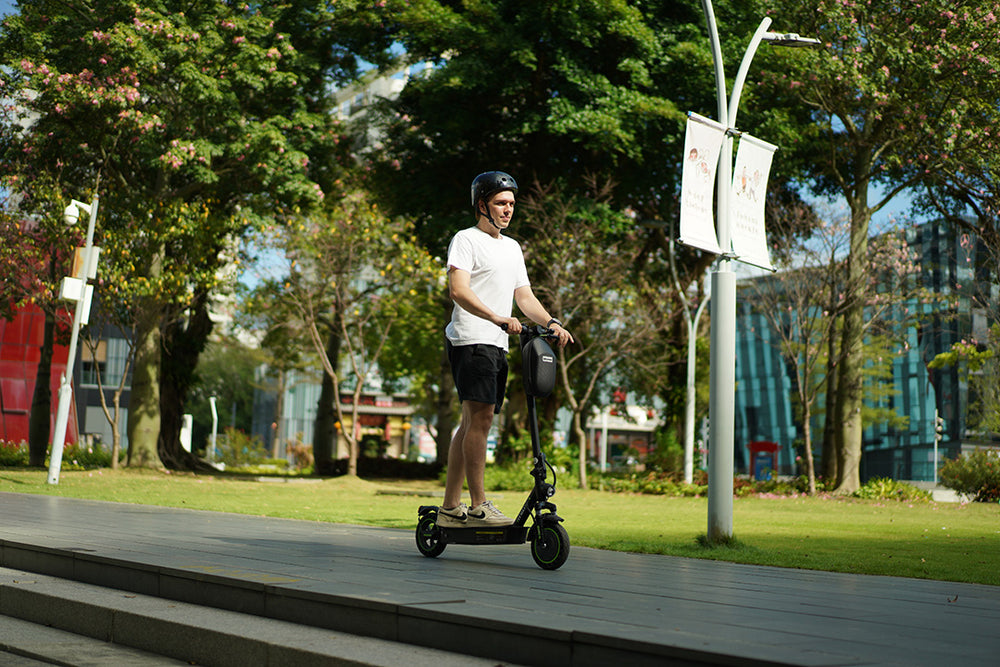
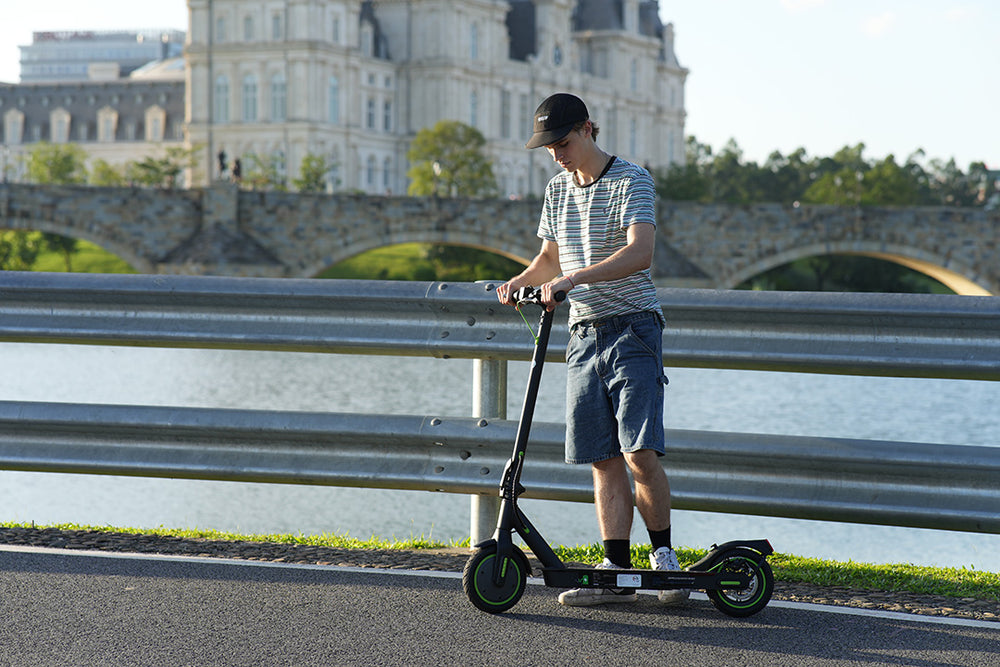
The isinwheel S9 MAX Adult Scooter is the model most riders reach for when range and reliability matter. Its battery delivers up to 35 km on a single charge, which comfortably handles the average UK round trip without any mid-day top-up anxiety. The 10-inch self-sealing tyres roll smoothly over city streets and patchy surfaces, while the dual suspension soaks up the kind of road imperfections that are pretty much unavoidable on UK roads. At under 15 kg, it is light enough to carry onto public transport or tuck under a desk at the office.
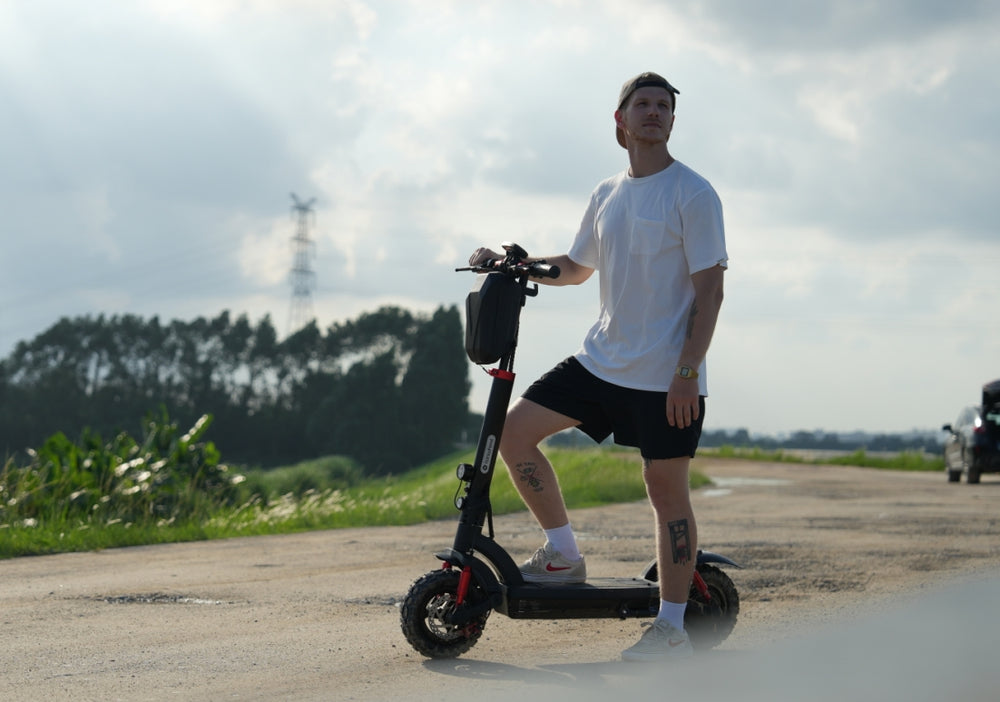
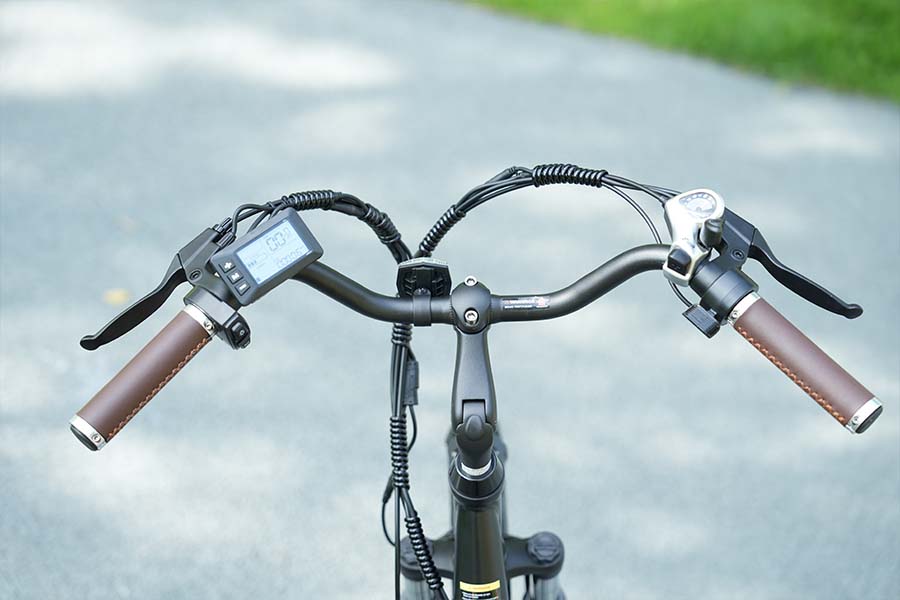
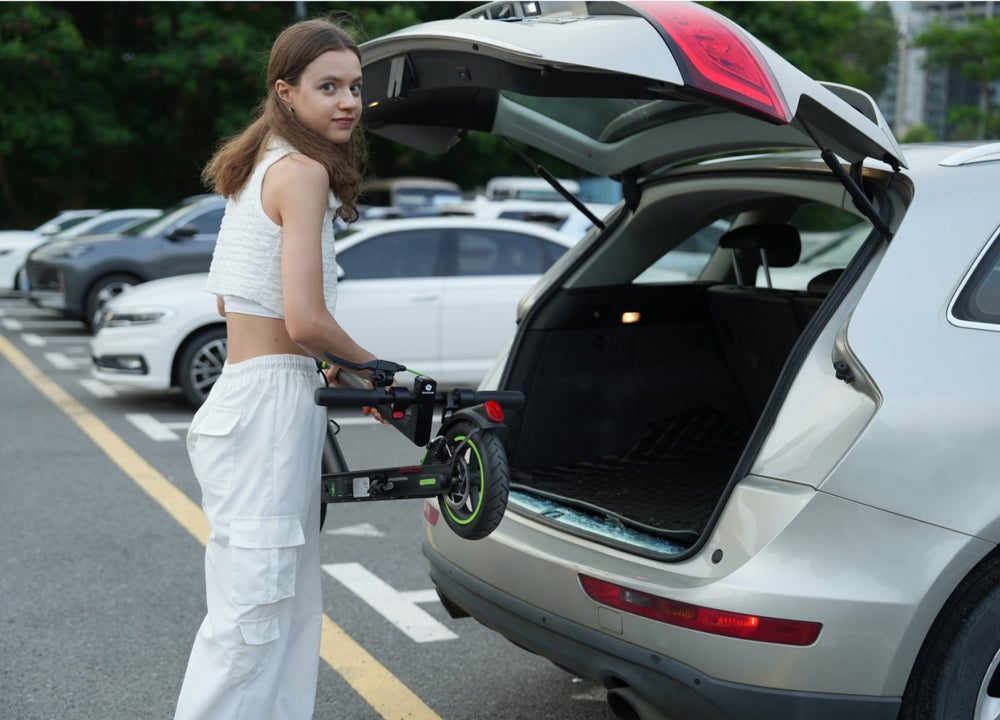
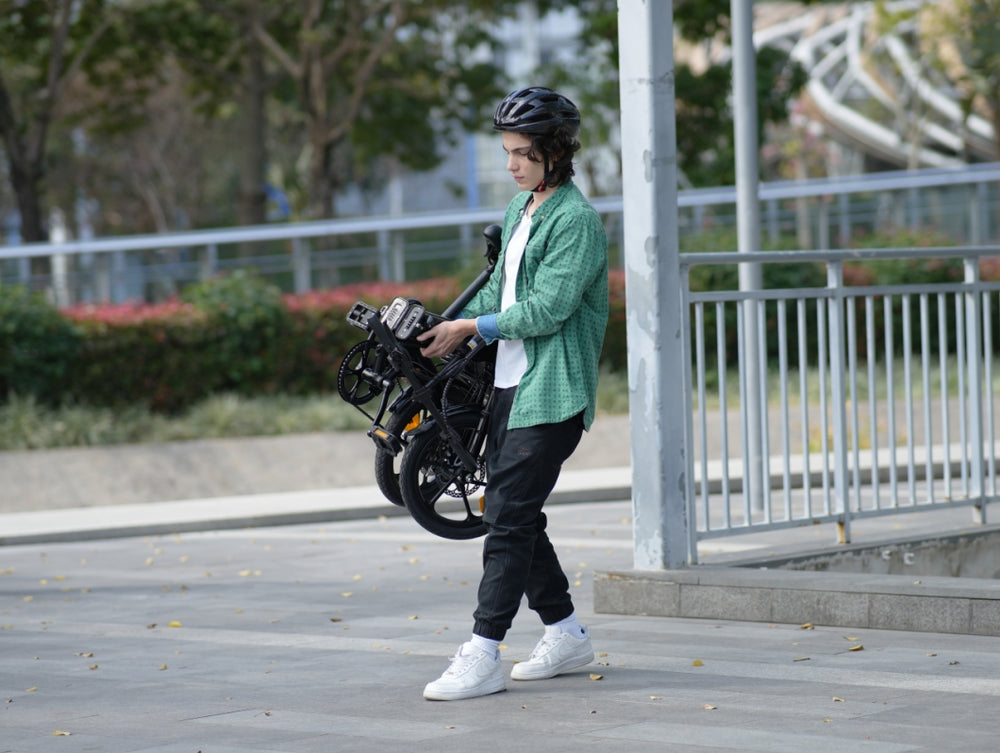
The isinwheel GT1 Off-Road Electric Scooter is a great pick for commuters who want a bit more zip in their ride without giving up practicality. Its frame folds down in seconds, making it ideal for combining with buses or trains. It features an intuitive LED display, a USB charging port for keeping your phone topped up on the go, and regenerative braking that extends battery life during the stop-and-start rhythm of city riding.
Both models share some genuinely useful everyday features:
-
One-second folding mechanism for seamless multi-modal commuting
-
IPX4 water resistance, so light rain will not stop your journey
-
Front LED headlight and rear brake light for visibility in low-light conditions
-
Cruise control mode to take the strain out of longer stretches
Explore the full range of models at isinwheel.co.uk to find the right fit for your commute distance and riding style.
Combining Your City Electric Scooter with Public Transport
One of the biggest strengths of a lightweight electric scooter is its ability to plug the gaps in your existing commute. That tricky last mile from the station to the office? A folded isinwheel takes care of it in minutes. Here is how to make the combination work:
On the London Underground and Overground
Transport for London allowsfolded e-scooters on the Tube and Overground, provided they are carried and not ridden. Both the S9 MAX and GT1 fold within TfL's standard luggage dimensions. Try to avoid the busiest carriages during rush hour out of consideration for other passengers.
On National Rail
Most National Rail operators allow folded personal mobility devices in designated luggage areas. Policies can vary between train operating companies, so it is worth checking with your specific operator before you travel. As a general rule, if it folds and fits, you should be fine.
A few practical tips for smooth multi-modal commuting:
-
Always keep your scooter folded inside stations and on platforms
-
A carrying strap makes navigating escalators and stairs much easier
-
Charge at the office during the day so you are ready for the ride home
-
Apps like Citymapper and Google Maps now include scooter routing to help plan your full journey
How Much Could You Save by Switching to an isinwheel Electric Scooter?
The numbers really do stack up. A typical UK commuter travelling 8 km each way can save a substantial amount compared to running a car. Even switching from a monthly rail or bus pass can pay off when you factor in how much of the journey an e-scooter can replace.
-
Car commuting: between £3,500 and £5,500 per year when all costs are included
-
Annual bus or rail season ticket: anywhere from £1,000 to £2,500 depending on your route
-
isinwheel S9 MAX: a one-time purchase, plus around £25 to £30 per year in electricity costs
Many isinwheel riders save upwards of £2,000 a year. Beyond the money, there is the time. Cutting even 20 minutes off your daily commute adds up to over 80 hours a year back in your pocket. That alone feels like a decent raise.
Some UK employers also offer Cycle to Work-style sustainability benefits that can help offset the cost of greener commuting options. It is worth checking with your HR team to see what is available at your workplace.
Conclusion
The isinwheel electric scooter is not just a gadget. For a growing number of UK commuters, it is becoming an everyday essential that makes getting to work quicker, cheaper, and far less stressful. With models like the isinwheel S9 MAX and isinwheel GT1 offering genuine range, solid build quality, and practical foldability, there has never been a better time to rethink how you commute.
Whether you are replacing the car entirely or just solving that last-mile headache, isinwheel gives you a smarter way to move through the city. Visit isinwheel.co.uk to explore the full range and find the model that fits your commute. This is a great choice for riders who want performance, reliability, and a commute they can actually look forward to.
FAQs
Q1: Which isinwheel scooter is best for a 10 km daily commute in the UK?
The isinwheel S9 MAX is the top recommendation. Its battery range covers a 20 km round trip comfortably on a single charge, and the dual suspension handles the varied surfaces you tend to encounter on UK roads. If you prioritise maximum portability and a slightly lighter carry, the GT1 is also a strong option worth considering.
Q2: Can I take my isinwheel scooter on the Tube or a train?
Yes, folded scooters are permitted on the London Underground and most National Rail services, provided they are carried and not ridden inside stations or on trains. Both the isinwheel S9 MAX and GT1 fold to dimensions within TfL's accepted limits. Always check your specific train operator's policy if you are travelling on National Rail services outside London.
Q3: Is the isinwheel scooter suitable for riding in the rain?
Both the isinwheel S9 MAX and GT1 carry an IPX4 water resistance rating, meaning they can handle splashing water from any direction. They are well-suited to the light rain that is very much a feature of the British commute. That said, riding at speed through standing water or in heavy downpours is not recommended, as this can push beyond the limits of the rating and affect both the scooter and your safety.
Q4: How long does a full charge of the S9 MAX take for daily commuting?
A full charge of the isinwheel S9 MAX takes around 4 to 6 hours. Most users recharge their scooter overnight or at the office. The range can reach up to 35 km under normal urban riding conditions.
Q5: Can my employer reimburse the purchase of an isinwheel electric scooter?
Yes. In the UK, some employers may offer support through cycle-to-work schemes or wider sustainable travel benefits, depending on company policy. However, electric scooters are not always included in standard cycle-to-work schemes, so eligibility can vary. It is best to check directly with your HR department to see what options are available in your workplace.





















Leave a comment