Electric scooter acceleration problems can turn a smooth ride into a frustrating one. If your e-scooter suddenly feels slow, jerks when accelerating, or keeps turning off when accelerating, there is usually an identifiable cause behind it. In most cases, the issue comes down to a weak battery, a faulty throttle, loose wiring, or a struggling motor.
If you are asking why your electric scooter is not accelerating properly, the good news is that most causes are easier to diagnose than they seem. A few simple checks can help you spot the fault early.
Common Causes of Electric Scooter Acceleration Problems
Low or Defective Battery
A weak battery is one of the most frequent causes of poor acceleration on an electric scooter. Your e-scooter may fail to start properly, show a noticeably reduced range, or cut out mid ride without warning. To carry out a quick check, make sure the battery is fully charged, inspect the connectors and cables for any signs of corrosion or damage, and if possible, test with a compatible replacement battery to rule out a fault.
Problem with the Throttle
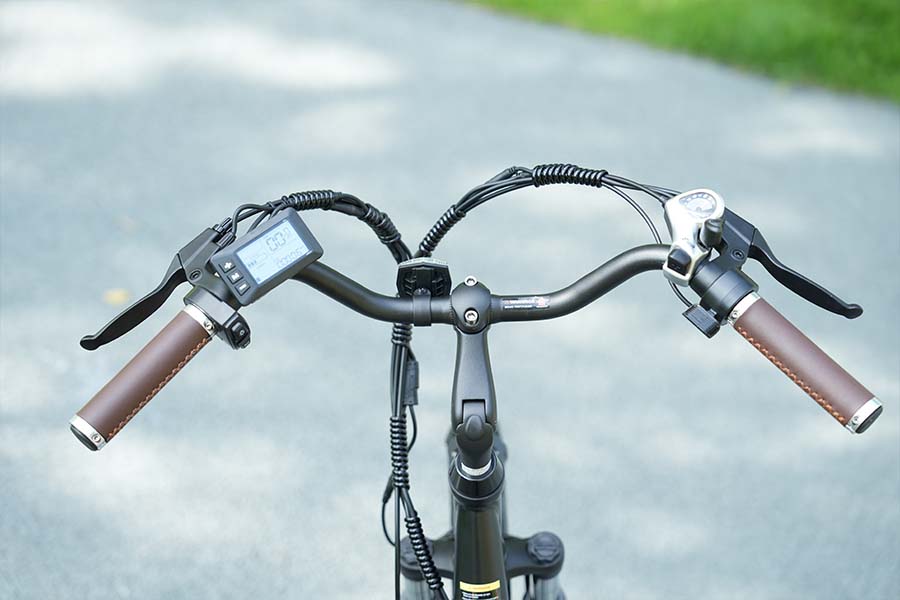
The throttle can be affected by both mechanical and electronic faults. On the mechanical side, a stuck trigger or a broken spring can prevent the throttle from responding correctly. Electronically, a faulty sensor or short circuit can cause similar symptoms. A throttle fault can look exactly like a battery problem, since the electric scooter simply will not pick up speed even with a full charge.
Electric Scooter Keeps Turning Off When Accelerating
If your electric scooter keeps turning off when accelerating, particularly under hard throttle or on an incline, this usually points to a protective cutout rather than a single broken part. Pulling full throttle from a standstill demands a sudden surge of current, and if the battery voltage sags below the low voltage protection threshold set by the battery management system, the controller cuts power to protect the cells. An ageing battery pack is more prone to this kind of voltage drop. Overcurrent protection can trigger in a similar way, particularly when climbing a slope or carrying a heavier rider, and an overheating controller can shut down as a safety measure until it cools. Loose connectors between the battery, controller and motor can also cause intermittent cutouts that feel identical to a low voltage trip.
Electric Scooter Jerks When Accelerating
A jerky or stuttering feel when you twist the throttle is usually a sign of an inconsistent power supply rather than a single fault. Loose or corroded connections between the battery, controller and motor can interrupt current flow just as demand peaks. A throttle with a misaligned or worn sensor can send an inconsistent signal to the controller, causing power to surge and drop rather than build smoothly. Dirt around the motor or wiring that has come loose from vibration can produce the same stuttering sensation. Some jerkiness is normal on a brand new electric scooter while you adjust to the throttle response, but jerking that continues after the first couple of weeks of riding usually points to a fault worth investigating.
Faulty Motor or Controller
A failing motor or controller can restrict acceleration or cause your e-scooter to stop unexpectedly. Keep an ear out for unusual noises from the motor, and watch for slow or erratic acceleration. If your electric scooter has a display screen, check for any error codes, as these can point directly to the source of the problem.
Jammed Brakes or Mechanical Components
Poorly adjusted brakes or wheels that are rubbing against the frame can make it feel as though the electric scooter is not accelerating properly. Before assuming there is an electrical fault, check that the brakes are fully released and that the wheels spin freely. This simple mechanical check can save a lot of diagnostic time.
Effective Solutions for Electric Scooter Acceleration Problems
Check and Recharge the Battery
Start here. Make sure the battery is fully charged and that the terminals are clean and firmly connected. If the battery is ageing or showing signs of deterioration such as reduced range or inconsistent power delivery, it may need replacing to restore normal performance. Genuine replacement batteries for isinwheel models are available in the battery collection.
Inspect the Throttle and Cables
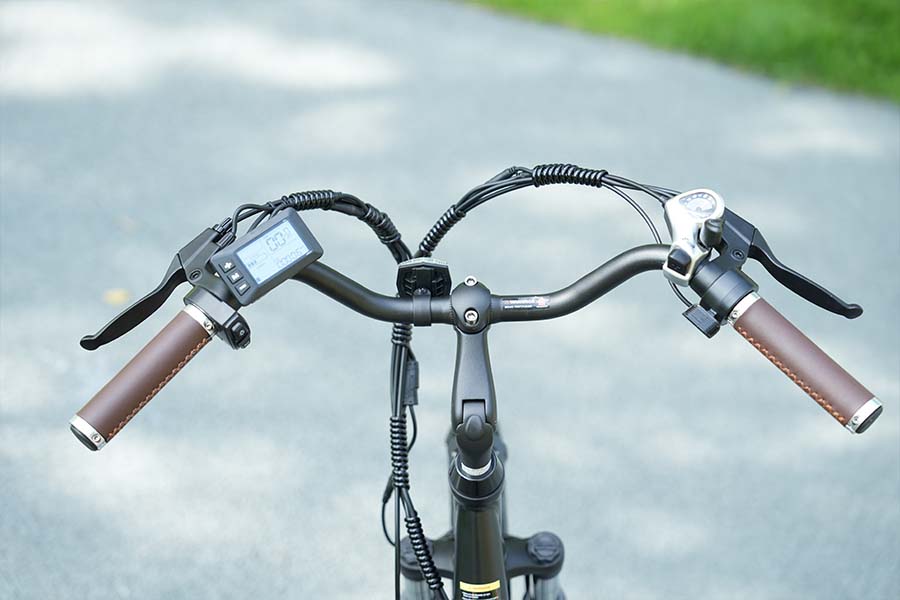
Check the throttle trigger or button to make sure it is operating correctly. Look along the cables for any signs of fraying, loose connections, or visible damage. Mechanical and electronic throttle faults are a common cause of sluggish or unresponsive acceleration, and they are often straightforward to fix once identified.
Reset the Electric Scooter
Many electric scooters allow a simple system reset, either via a physical button or through the associated mobile app. This can clear temporary software glitches or sensor errors and restore normal acceleration. It is worth trying before moving on to more involved diagnostics.
Check the Connectors and Wiring
Since loose or corroded connectors are a leading cause of both jerking and cutting out when accelerating, open the deck cover if you are comfortable doing so and check that every connector between the battery, controller and motor is seated firmly. Applying a small amount of dielectric grease after cleaning can help prevent corrosion from returning.
Check the Motor and Controller
If the electric scooter is still not accelerating properly after the steps above, inspect the motor and controller more closely. Listen for any unusual sounds, check that electrical connections are secure, and make sure nothing is obstructing the motor. A faulty motor or controller may need to be repaired or replaced by a specialist, and genuine replacement parts for isinwheel models can be found on the replacement parts page.
Seek Professional Help if Needed
If none of the solutions above resolve the issue, take the electric scooter to a qualified technician. A professional can carry out an accurate diagnosis and make the necessary repairs safely, avoiding further damage. Some faults, particularly those involving the controller or internal wiring, are genuinely best left to someone with the right tools and expertise. You can find a local repair partner through the repair shop directory.
Tips to Prevent Acceleration Problems on Your Electric Scooter
Keep the battery and motor well maintained. Regularly check the battery's state of charge, clean the contacts, and listen for any unusual sounds from the motor.
Inspect cables and connectors every few weeks. Loose, worn, or corroded cables can disrupt the flow of electricity and reduce throttle responsiveness over time.
Do not exceed the recommended weight limit. Carrying loads beyond the manufacturer's specified capacity puts additional strain on the motor and reduces acceleration.
Store your electric scooter in a dry place. Moisture is one of the biggest causes of corrosion, short circuits, and impaired acceleration in electric scooter electronics.
Fixing Acceleration Issues: A Quick Recap
Acceleration problems on an electric scooter can stem from a range of causes, from a flat battery to more complex issues with the motor or controller. Working through the checks methodically, battery first, then throttle, then connectors, motor and controller, will usually identify the problem without significant cost. Regular maintenance prevents most of these issues from developing in the first place. If mechanical wear is contributing to the problem, our guide on removing and inspecting the rear wheel is a useful next step.
Frequently Asked Questions
Why is my electric scooter not accelerating?
A fully charged battery does not always mean everything else is working correctly. The issue could be a faulty throttle, a failing motor or controller, jammed brakes, or an active safety mode. Check the cables and connections first, then inspect the throttle, and reset the electric scooter if the problem continues.
Why does my electric scooter keep turning off when accelerating?
This is usually a protective cutout triggered by voltage sag, overcurrent protection, or an overheating controller rather than a single broken part. It is more common with an ageing battery, on inclines, or under hard acceleration. Check the battery charge and connectors first, and if the cutouts continue, have the battery and controller tested by a technician.
Why does my electric scooter jerk when accelerating?
Jerky acceleration is typically caused by an inconsistent power supply, most often loose or corroded connectors, a worn throttle sensor, or debris around the motor. Some jerkiness is normal on a new electric scooter, but persistent jerking after a couple of weeks is worth investigating.
How do I reset my electric scooter?
Begin by fully powering off the electric scooter and disconnecting the battery if the design allows for it. Some models have a dedicated reset button, while others can be reset through the companion mobile app. A reset can resolve software or sensor issues and restore normal acceleration. If it does not work, consult the manufacturer's manual or speak to a professional for further guidance.
Where is the fuse located on an electric scooter?
The fuse is typically found in or near the battery compartment, often beneath the footboard, and may be a cylindrical fuse or housed inside a plastic holder. You will usually need to remove the lower casing to access it, and any replacement should match the manufacturer's specifications.







































Leave a comment