Most UK car charging points are built for electric vehicles, not e-bikes, so a direct connection usually isn't possible. You can only charge an electric bike at a car charging station if it has a standard three pin socket and the operator allows it. Some public charging locations provide these sockets alongside EV chargers, but many only offer vehicle specific connectors that are not compatible with e-bike chargers. This guide walks through the charging point types, the legal picture, the costs, and safer alternatives.
Can You Charge an Electric Bike at a Car Charging Point?
As EV charging points spread across UK car parks, motorway services, and city streets, more cyclists are asking whether they can charge an electric bike at a car charging station. It's a fair question, especially on a long ride when the battery indicator starts flashing.
The honest answer is: sometimes, but not as standard. Car charging stations are built around electric vehicles, so charging an e-bike there is the exception rather than the rule. Whether it works depends on the socket type, the site's rules, and a bit of luck.
Types of EV Charging Points in the UK
Not every charging point is the same, and knowing the difference matters before you plug in.
Type 2 (AC) Charging Points
Type 2 connectors are the UK standard for slower, alternating current charging and are found in car parks, workplaces, and on street bays. They're designed to talk to a car's onboard charger and deliver far more power than an e-bike battery needs. An e-bike charger simply cannot plug into a Type 2 connector, so this type of point is a dead end unless it also has a separate socket.
Rapid and Ultra Rapid (DC) Chargers
Rapid and ultra rapid chargers, often using CCS or CHAdeMO connectors, push high voltage direct current into a car's battery in minutes rather than hours. These are found at motorway services and dedicated charging hubs. They are completely unsuitable for e-bikes. Never attempt to connect a bike charger or adapter to one, as it can destroy the battery or cause a fire.
Standard Three Pin Sockets
Some public car parks, campsites, and local authority sites include an ordinary 230V three pin socket alongside the EV bays. This is the only realistic and safe option for charging an e-bike at a car charging station, since it matches the voltage and current your bike charger already expects.
What You Need to Charge Your E-Bike Safely
A few basics make all the difference between a safe top up and a damaged battery.
- Your original charger. Always use the charger that came with your e-bike, or one recommended by the manufacturer.
- Access to a 230V socket. This is the only voltage an e-bike charger is designed for.
- A certified adapter, if needed. An adapter changes the plug shape, not the voltage or current, so make sure it's genuinely compatible.
- Permission from the site operator. Confirm you're allowed to use the socket before you plug in.
Skipping any of these steps is where most charging mishaps happen, from tripped circuits to swollen batteries.
How to Charge an Electric Bike at a Charging Station
If you've found a site with a standard socket, follow these steps.
1. Find a compatible point. Look specifically for a three pin socket rather than a Type 2 or rapid charging bay.
2. Check the terms of use. Many sites are reserved for electric vehicles only, so read any signage or app instructions first.
3. Plug in your original charger. Avoid third party chargers or unbranded adapters.
4. Stay nearby. Keep an eye on the battery and the cable, and don't leave the bike unattended for long stretches, especially in the rain.
Is It Legal to Charge an E-Bike at a Car Charging Point in the UK?
There's no blanket right to use a car charging point for anything other than a vehicle. Charging an electric bike at a car charging station is entirely down to the site's own terms of use rather than any specific rule about e-bikes.
Public and private sites can set their own conditions. Some council-run car parks are relaxed about a bike being plugged into a general purpose socket, while private operators and motorway service stations tend to reserve every socket for cars. If a member of staff or clear signage says the point is for vehicles only, it's best to respect that and look elsewhere, since an unauthorised connection could be seen as a breach of the site's rules.
Charging Time and Cost
Most e-bike batteries hold somewhere between 300 and 750Wh. On a standard 230V socket, a full charge typically takes three to six hours, depending on the battery size and charger output.
Car charging stations aren't built with small, low power devices in mind. A rapid charger can deliver tens of kilowatts to top up a car in minutes, while an e-bike charger draws well under 0.25kW. Public charging points also tend to charge by the kWh, by the session, or by the minute, which makes them a pricier way to top up than a plug at home, a café, or a hotel.
Safety Risks to Avoid
A little caution goes a long way when you're charging away from home.
- Never use a car connector or rapid charger. These deliver far more current than an e-bike battery can handle, risking permanent damage or fire.
- Skip uncertified adapters. A poorly made adapter may not regulate voltage properly, which can cause shocks or damage the battery.
- Protect the cable from the weather. Rain and extreme cold can lead to short circuits, so route cables carefully and keep connections dry.
- Don't leave your bike unattended. Public charging bays aren't always monitored, so a sturdy lock and a bit of vigilance go a long way.
- Avoid long sessions on general sockets. Some outlets aren't rated for extended low power charging, and overloading them can trip a breaker or cause overheating.
Better Ways to Charge Your Electric Bike
Relying on car charging points is rarely the most convenient option, so it's worth planning ahead. Many cafés, hotels, and visitor centres across the UK now offer a plug for guests, which is often far easier than hunting for a compatible EV bay. Mapping your route around these stops makes longer rides much less stressful, and a spare battery or portable power bank is worth considering for remote routes where sockets are scarce.
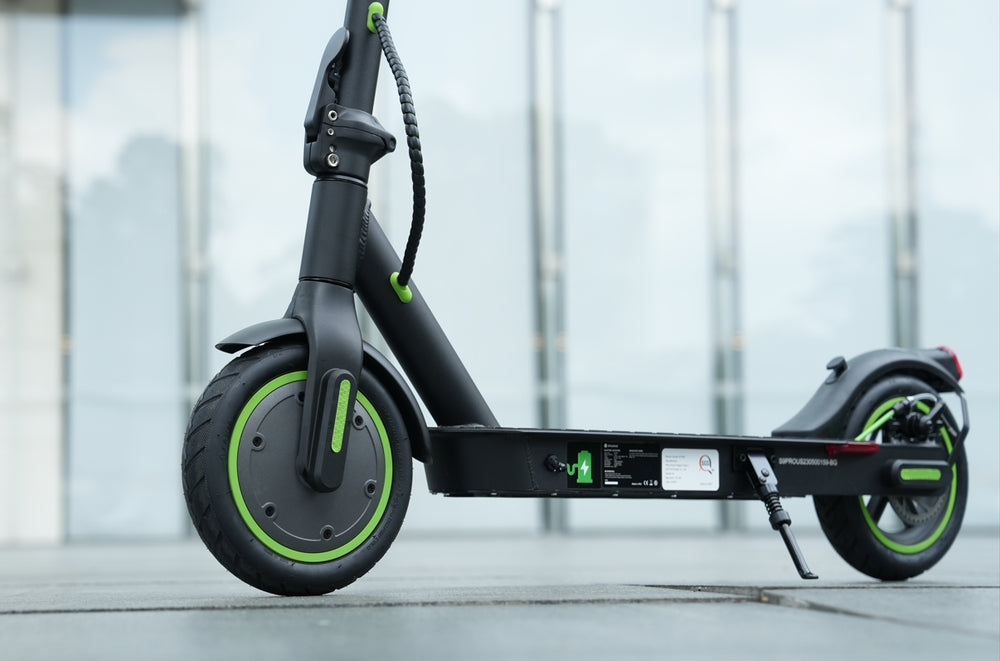
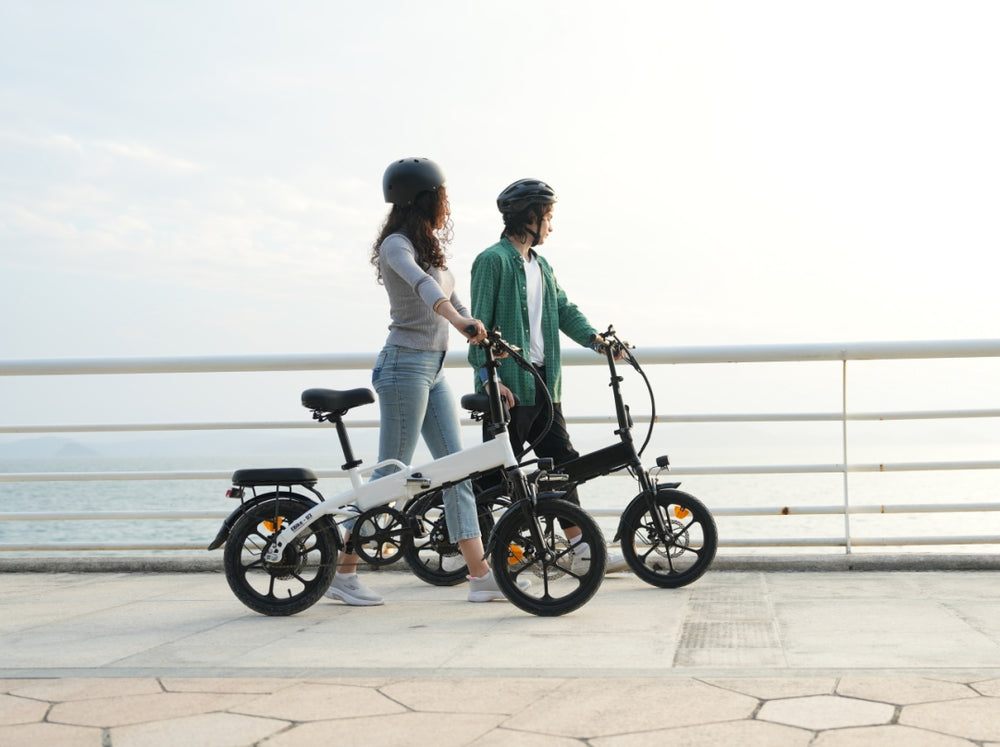
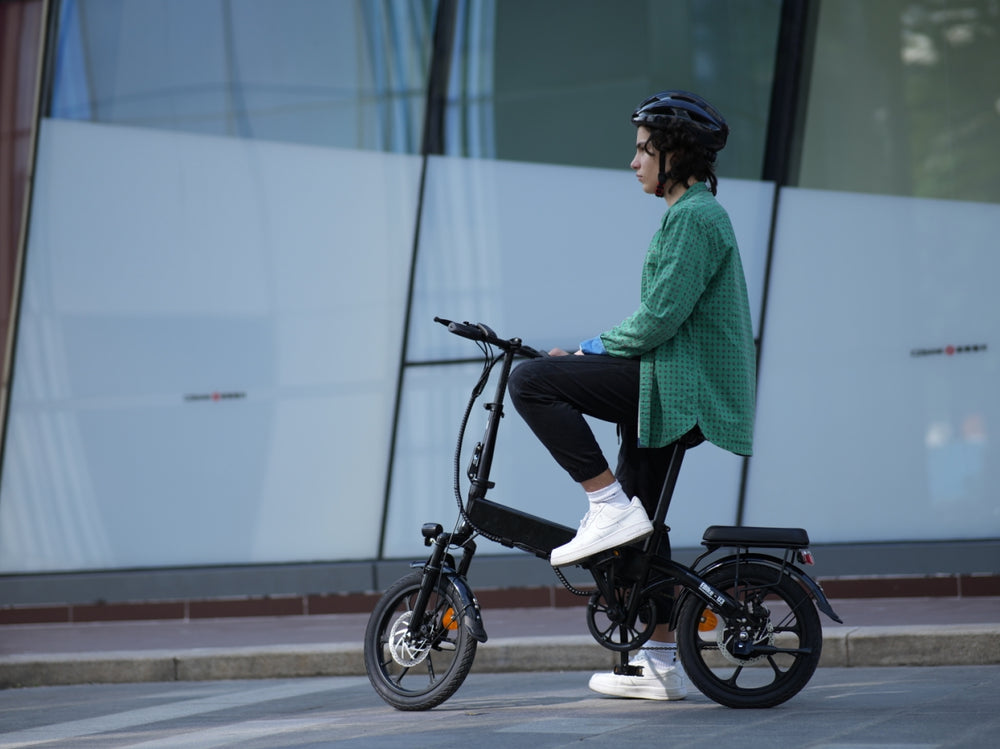
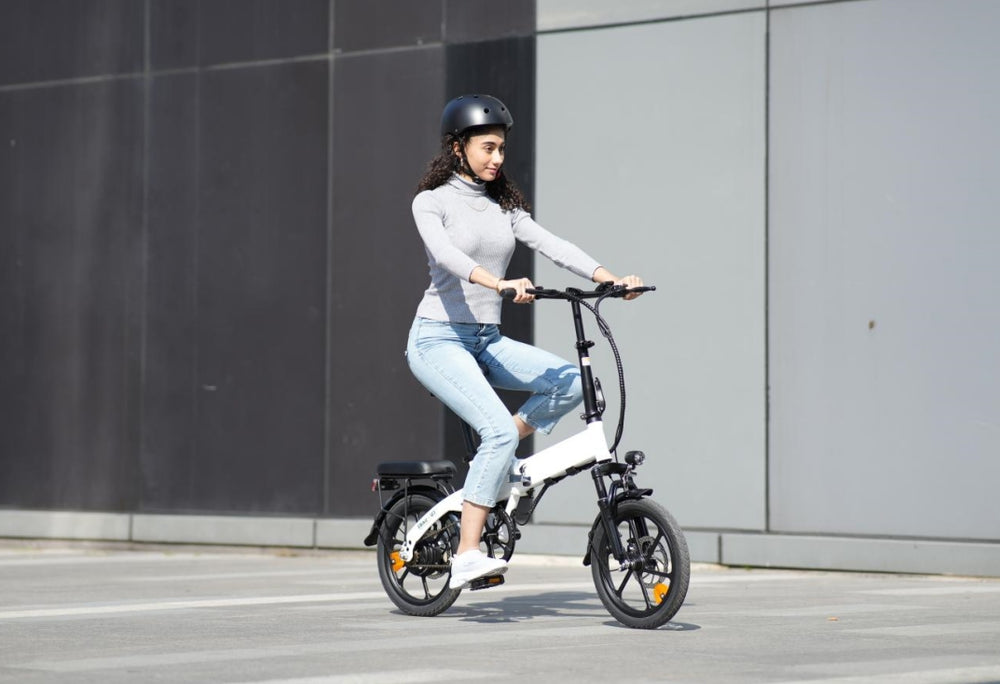
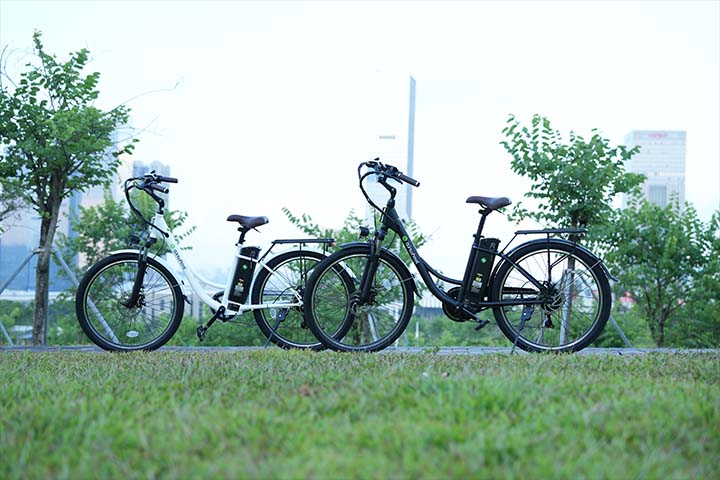
If you're shopping for a new e-bike built for longer days out, it's worth looking at something with real range built in. The isinwheel U4 foldable electric bike pairs a removable battery with a fold flat frame, so topping it up at home, in the office, or at a café is simple, and you're not left hunting for a compatible charging point halfway through a ride.
Conclusion
Charging an electric bike at a car charging station only really works when the site has a standard three pin socket and the operator is happy for you to use it. Type 2 and rapid car chargers are off limits, and treating them otherwise risks real damage to your battery. For most riders, a café stop, a hotel plug, or simply charging at home remains the safest and most reliable way to keep an e-bike topped up.
FAQ
Where can I find charging points for my electric bike in the UK?
Look beyond dedicated EV bays. Cafés, hotels, campsites, and community centres across the UK often have a standard socket available for customers, and mapping apps can help you spot public charging hubs along your route, even if most are built for cars.
Can I charge my e-bike using my car?
It's sometimes possible using a car's 12V socket or a USB port, but these only provide a trickle of power, suitable for small accessories rather than a full e-bike battery. Always use a compatible charger and check your bike's manual first, since this is a backup option rather than a proper charging method.
How do I pay at a UK EV charging station?
Most modern points accept contactless bank cards, while some still require an app or an RFID card from the network operator. It's worth checking the payment method before you arrive, particularly if you're only after a standard socket rather than an EV bay.
Can charging at a car charging station damage my e-bike battery?
Yes, if you use the wrong connector. Rapid or Type 2 car chargers deliver far more current than an e-bike battery is designed for, which can cause overheating or permanent damage. Stick to your original charger and a standard 230V socket to keep your battery safe and performing well.






































Leave a comment