Shopping for a full suspension e-bike but not sure you actually need one? You are not alone. Riders looking at an electric mountain bike often get stuck choosing between two frame builds: full suspension and hardtail. The difference affects how comfortable your ride feels, how much your servicing bill comes to, and even how far your battery stretches on a single charge. This guide explains what full suspension really does, when a hardtail electric bike is the smarter buy, and how to match either build to the terrain you actually ride. By the end, you will know which type suits your weekends on the trail or your daily miles on tarmac.
Full Suspension E-Bike vs Hardtail E-MTB: The Basic Difference Explained
A full suspension electric bicycle has two shock absorbers: one at the front fork and one built into the rear frame. Together they soak up impacts from both wheels, which keeps the tyres pressed to the ground over rough terrain.
A hardtail e-bike only has front suspension. The rear triangle is rigid, so bumps from the back wheel travel straight through the frame and into the saddle. Some models go further still and drop the front fork too, giving you a fully rigid electric hardtail mountain bike built purely for smooth surfaces.
Neither build is “better” on its own. A full suspension e-bike and a hardtail cost, weigh, and handle differently, and the right choice depends on where you ride, how much weight you want to carry, and how much you are willing to spend on upkeep. The next few sections break each of those factors down.
When Full Suspension Actually Earns Its Extra Weight and Cost
An electric mtb full suspension build pays off the moment the trail gets technical. Roots, rock gardens, loose gravel, and drops all send sharp jolts through the frame, and a rear shock absorbs a good chunk of that before it reaches you. Less shock also means your rear tyre stays in contact with the ground for longer, so you get better traction on climbs and more control on fast descents.
The trade off is weight and price. A rear shock, pivot bearings, and reinforced frame all add mass, and that mass has to be moved by the motor, which can quietly eat into your range. Full suspension bikes also cost more to buy in the first place, since there are simply more moving parts to manufacture.
Electric Bike with Full Suspension: isinwheel M50 Full Suspension E-Bike
If you want to try a full suspension electric bicycle without the usual price jump, the isinwheel M50 27.5" full suspension electric bike is worth a look. It pairs a front fork with a central rear shock, so it holds a middle ground between comfort and cost. Key specs include:
- Motor: 250W rated, 750W peak
- Max range: up to 70 miles (110km) on a single charge
- Battery: 36V (48V peak), 13Ah, 468Wh, detachable for indoor charging
- Suspension: front fork plus central rear suspension
- Tyres: 27.5 x 2.3 inch pneumatic
- Top speed: up to 15.5mph across three assist modes
- Frame: aluminium alloy, IPX4 water resistance
- Net weight: 61.7lbs (28kg)
That combination makes it a practical entry point for riders who want a genuine full suspension electric mountain bike for weekend trails without committing to a premium build.
Why Hardtail and Rigid-Frame E-Bikes Can Work Better for Everyday Commuting
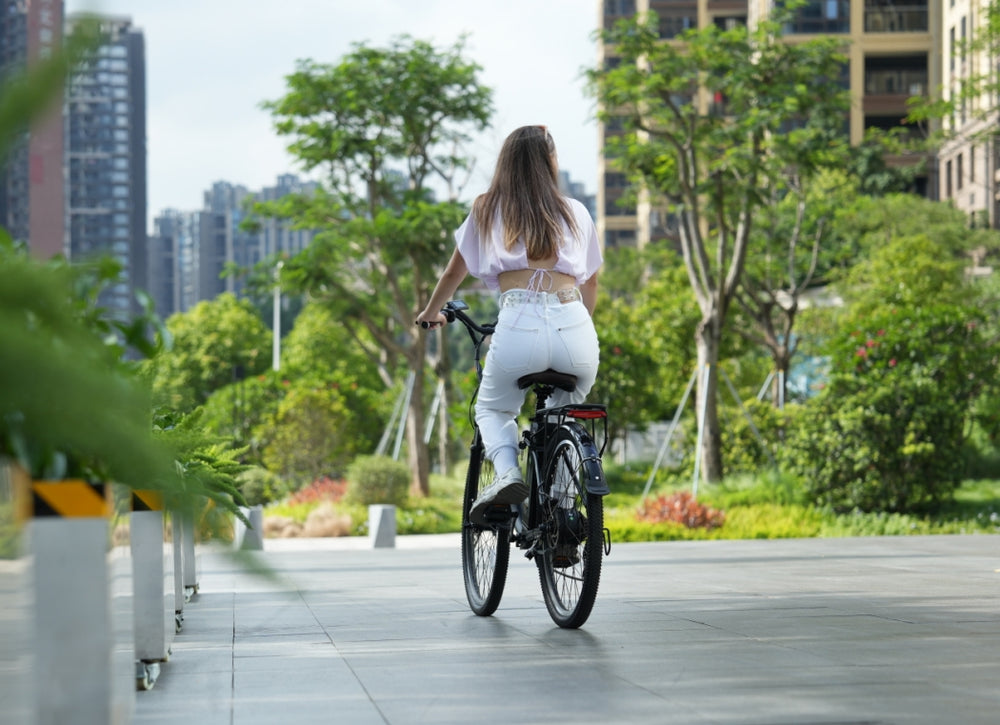
Not every ride needs a rear shock. If most of your miles happen on tarmac, towpaths, or well kept gravel, a hardtail electric mountain bike often makes more sense. Without a rear shock soaking up your pedalling energy, more of the motor's output goes into forward motion instead of compressing a spring, so hardtail and rigid frame e-bikes tend to feel snappier off the line.
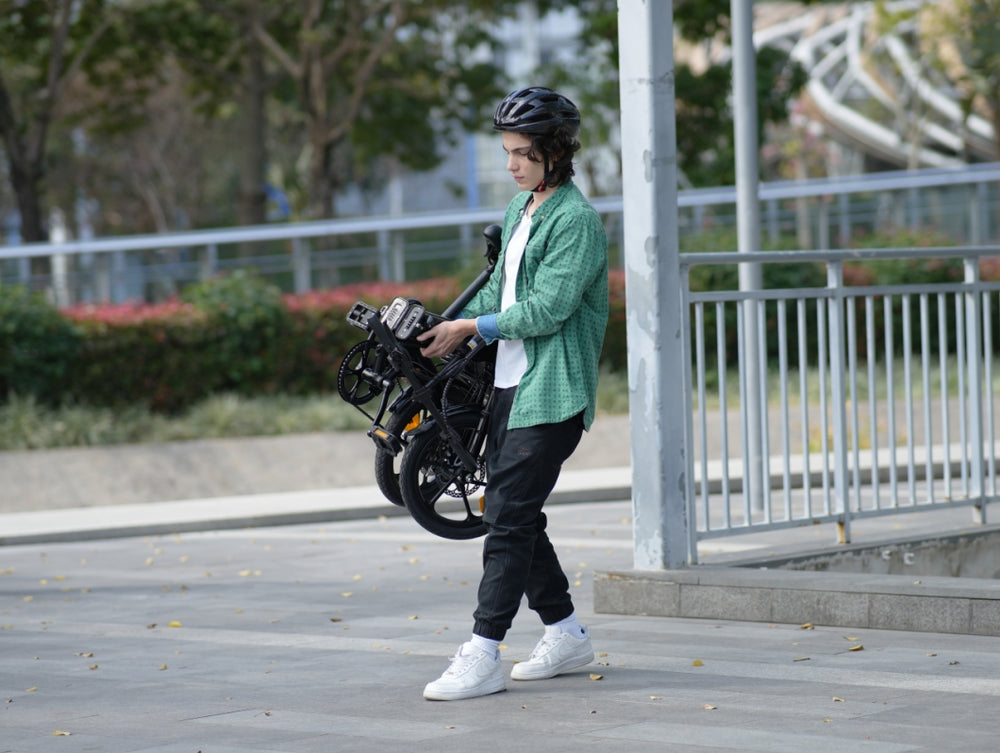
They are lighter too. Removing the rear shock and pivot hardware can shave several kilograms off the total weight, which makes the electric bike easier to lift onto a rack, carry up steps, or manoeuvre through a narrow hallway. For daily riders, that lighter frame also means less strain on the motor and battery over smooth surfaces, which can translate into a longer effective range per charge.
Price is the other big factor. Fewer moving parts means a lower manufacturing cost, and that saving is usually passed on to the buyer. If your rides are mostly flat and paved, spending extra on full suspension is money spent on comfort you may rarely use.
Maintenance and Running Costs: Suspension vs No Suspension on E-Bikes
A rear shock is a sealed unit that needs periodic servicing. Seals wear, oil breaks down, and pivot bearings pick up grit over time, especially if you ride in wet UK conditions through autumn and winter. Left unserviced, a shock can start to feel sluggish or develop play at the pivots, which affects handling.
A hardtail e-bike sidesteps most of that. With no rear shock or pivot bearings to maintain, your servicing list shrinks to the basics that every e-bike shares: chain, brakes, tyres, and battery health. That means fewer parts to replace and, over a few years of ownership, a noticeably lower running cost.
This does not make full suspension a bad investment. It simply means the extra maintenance should be part of your budget from day one, not a surprise a year down the line.
Where isinwheel's Commuter and Trekking E-Bikes Fit This Choice
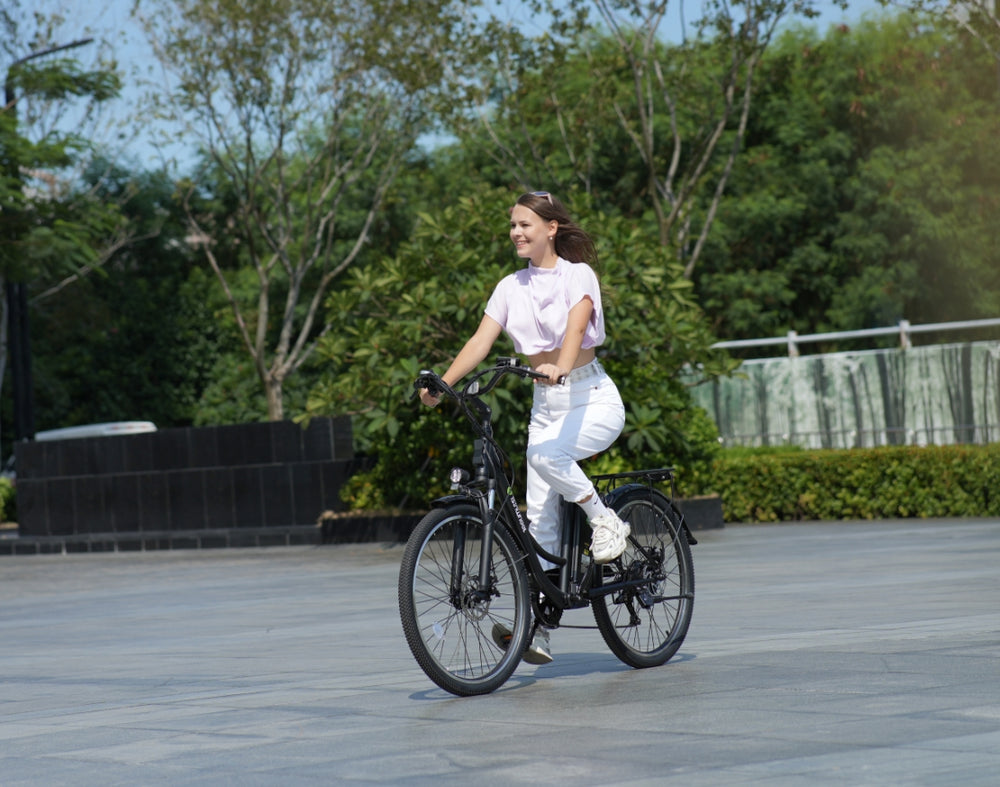
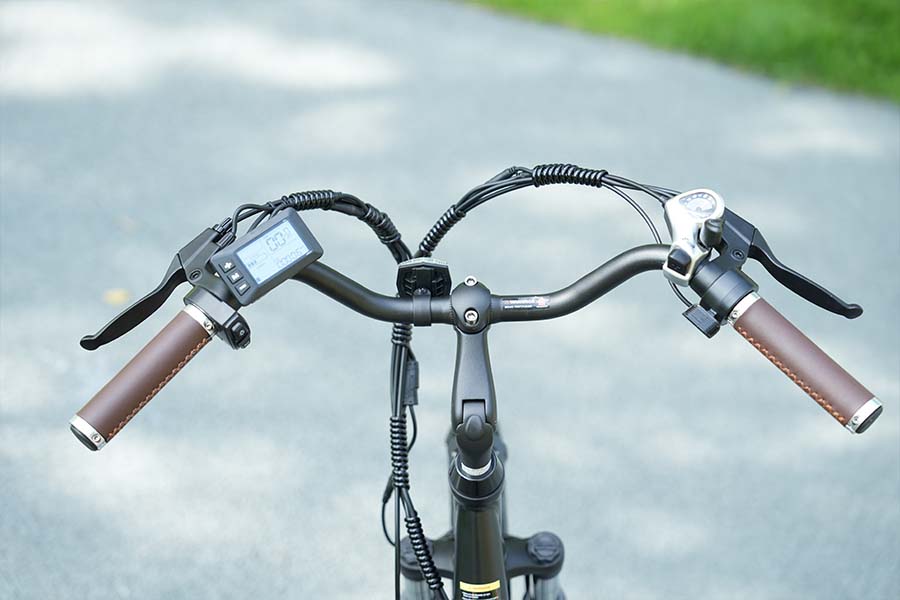
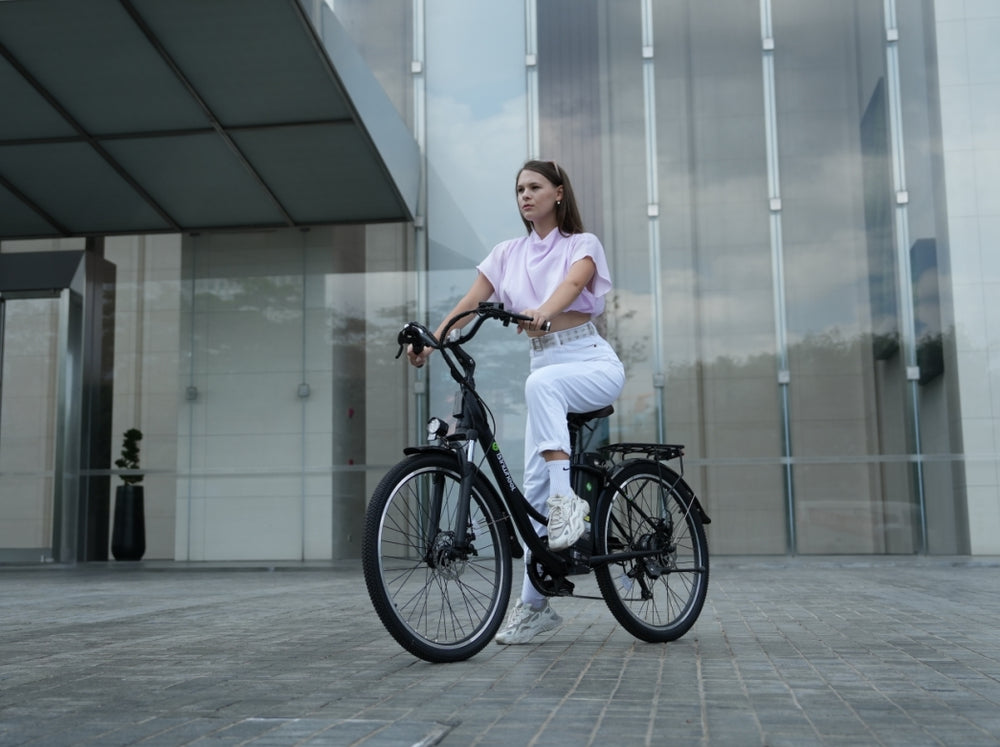
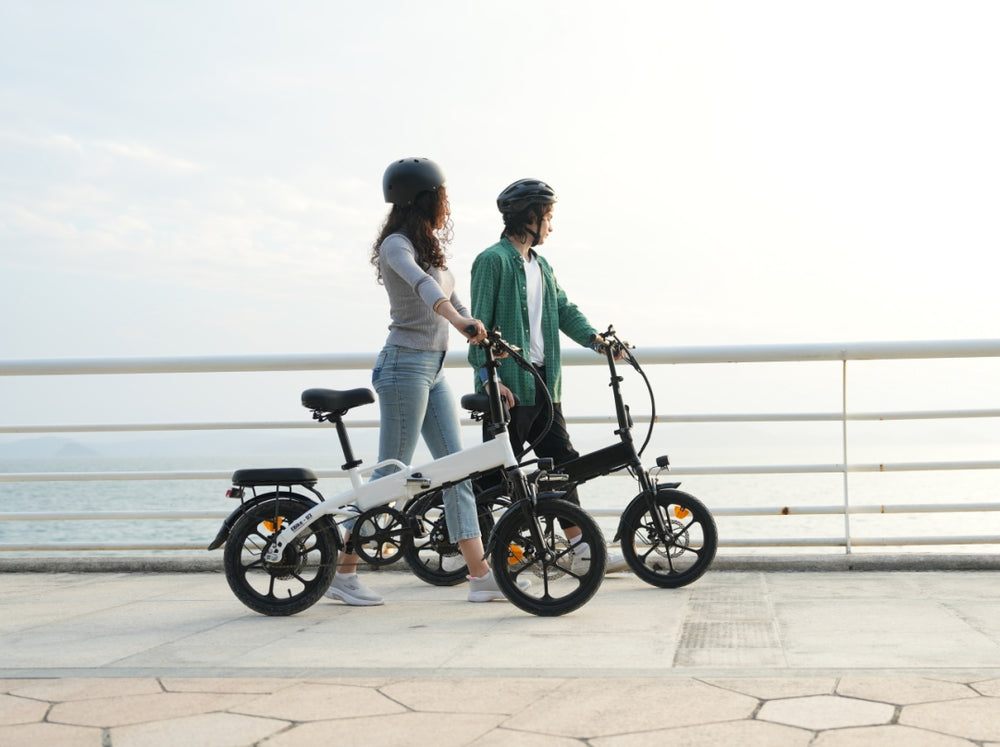
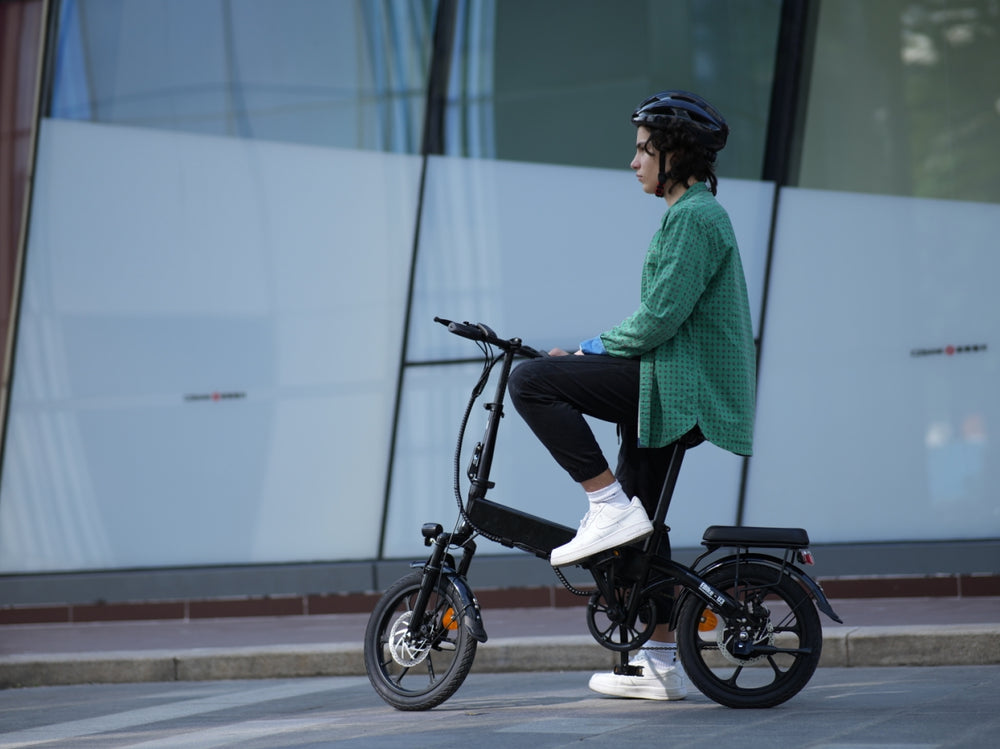
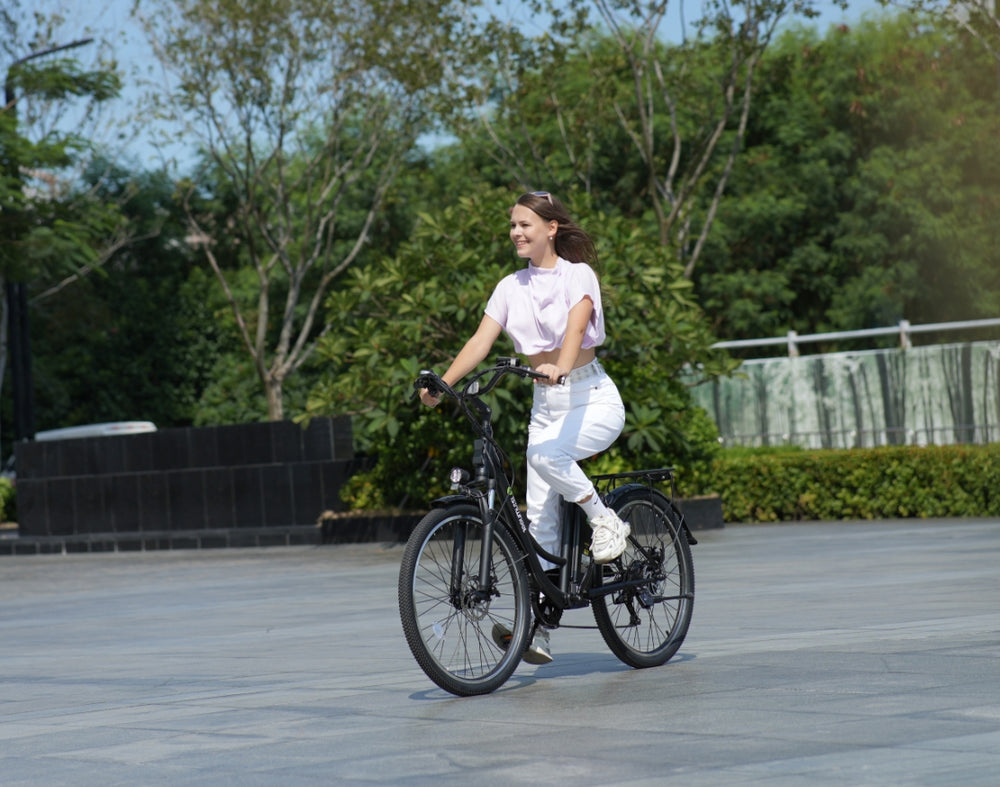
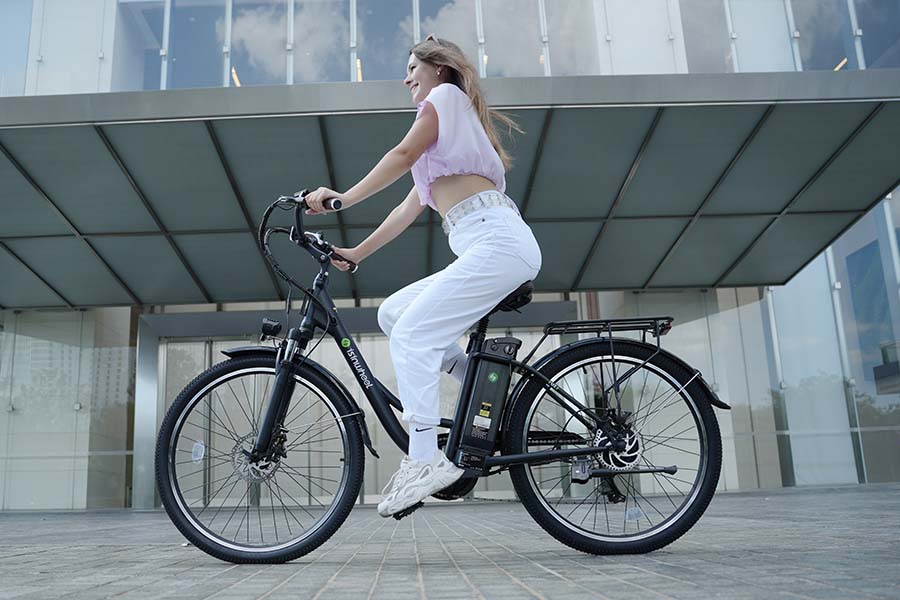
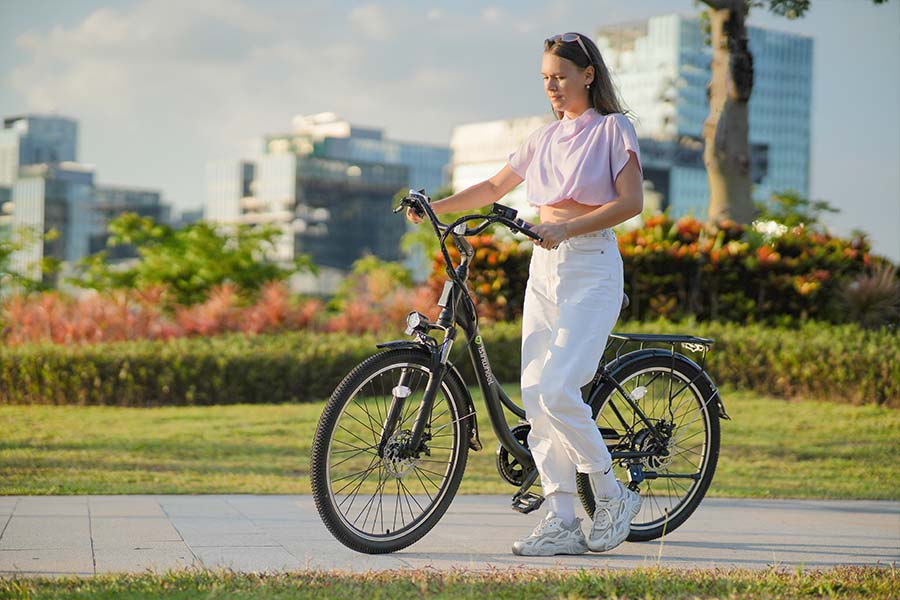
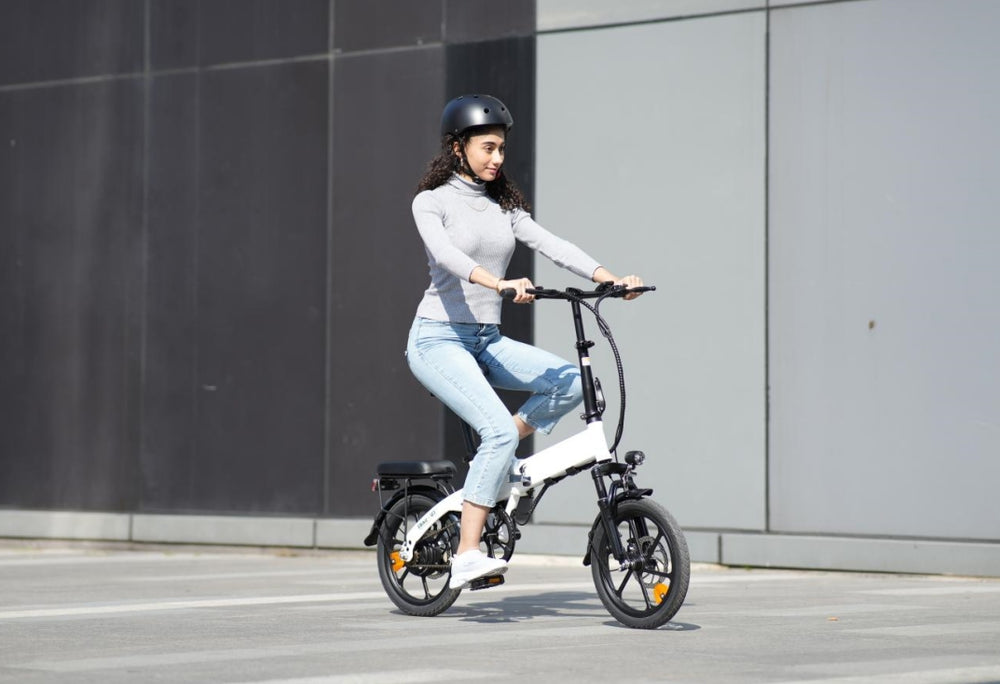
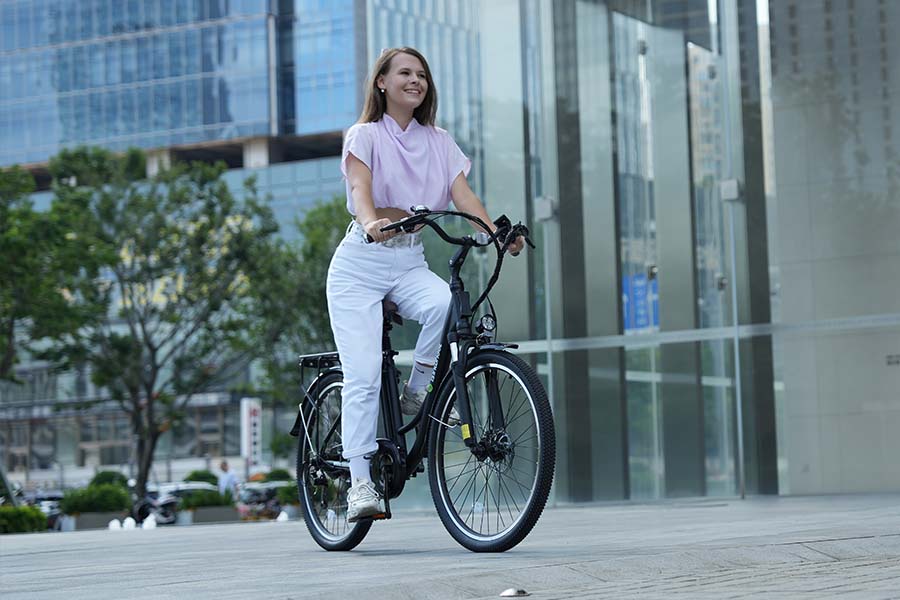
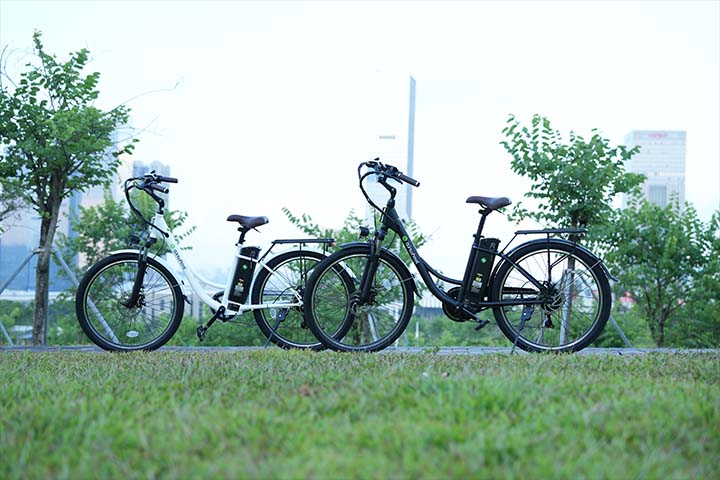
For riders who want a lighter, lower maintenance option, isinwheel's commuter and trekking models skip the rear shock in favour of a front fork or fully rigid frame. That keeps the e-bike efficient on paved routes and easier to store, while still offering pedal assist for longer trips. You can browse the full isinwheel electric bike range to compare battery size, range, and frame style side by side before deciding.
If your riding mixes some light trail use with mostly road and towpath miles, a hardtail model with a front fork strikes a reasonable middle ground. It smooths out potholes and kerbs without adding the weight and cost of a full rear suspension system.
Which Type of E-Bike Suits Your Typical Ride?
Here is a quick way to decide:
- Choose full suspension if you ride technical singletrack, rocky descents, or root strewn woodland trails regularly.
- Choose a hardtail electric mountain bike if most of your riding happens on roads, towpaths, or light gravel and you want lower running costs.
- Choose a fully rigid e-bike if your surfaces are consistently smooth and you want maximum range and minimum upkeep.
Whichever build you land on, matching the electric bike to the terrain you actually ride most often will get you more comfort, more range, and fewer repair bills than chasing the spec sheet alone. That balance of comfort and value is exactly what the isinwheel M50 aims for in the full suspension category.
FAQs
Q1: Do I need a full suspension e-bike for commuting on UK roads?
A: Not usually. Most UK roads and cycle paths are smooth enough that a hardtail or rigid frame e-bike will feel just as comfortable, while weighing less and costing less to maintain.
Q2: Does full suspension reduce an e-bike's battery range?
A: It can. The extra weight from a rear shock and reinforced frame means the motor works slightly harder, which can shave a few miles off your maximum range compared with a hardtail of similar battery size.
Q3: Are hardtail e-bikes cheaper to maintain long-term?
A: Generally yes. Without a rear shock and pivot bearings to service, hardtail e-bikes have fewer wear parts, so routine maintenance tends to cost less over several years of ownership.
Q4: Can a hardtail e-bike still handle rough tracks and gravel?
A: Yes, within reason. A front suspension fork absorbs most of what gravel paths and light trails throw at you. For rockier, more technical terrain, full suspension will still feel more controlled.


















Leave a comment