Spring’s longer days and milder weather make it the perfect time to rethink your routine and try spring city commuting without a car. If traffic, fuel costs, and parking stress wear you down, car-free options like walking, cycling, public transit, and e-bikes offer easier, more affordable ways to get around. Cities are increasingly built for sustainable travel, making it simpler than ever to commute without driving.
Going car-free this spring isn’t just good for the environment — it can lower stress, boost your health, and help you feel more connected to your city. No matter your distance or budget, there’s a practical alternative to fit your commute.
Why Spring Is the Perfect Time to Try Commuting Without a Car
Spring’s mild weather and longer daylight hours make city commuting without a car easier and more comfortable. Walking and cycling become safer and more practical, removing many of the seasonal barriers that discourage active travel during winter or extreme summer heat.
Car-free commuting in spring also supports better health and lower stress. Outdoor movement, fresh air, and natural light can improve mood and energy levels, while avoiding traffic reduces daily frustration. At the same time, rising fuel and parking costs make driving less economical compared to walking, biking, or public transportation.
Reducing short city car trips also helps cut carbon emissions and ease congestion. Spring creates the right conditions to adopt sustainable commuting habits that are healthier, more affordable, and better for the environment.
Best Options for Spring City Commuting Without a Car
Spring creates ideal conditions for city commuting without a car, making it easier to switch to eco-friendly transportation and more sustainable commuting habits. With better weather and longer daylight hours, many alternatives to driving become more practical for daily urban travel. Whether your trip is short or long, flat or hilly, these car-free commute options can help you save money, reduce stress, and lower your carbon footprint.
1. Walking for Short Urban Commutes
Walking is one of the simplest and most cost-effective transportation options for short distances under 2–3 km. It eliminates fuel, parking, and transit costs while helping reduce traffic congestion and emissions. For people living close to work or transit stops, walking can easily replace short car trips and support a car-free lifestyle.
Spring weather makes walking more enjoyable, with comfortable temperatures and more time outdoors. Regular walking also improves heart health, reduces stress, and supports mental well-being. Although it may take longer than other methods and depends on weather conditions, walking remains one of the most accessible and sustainable commuting choices in cities.
2. Cycling to Work in Spring
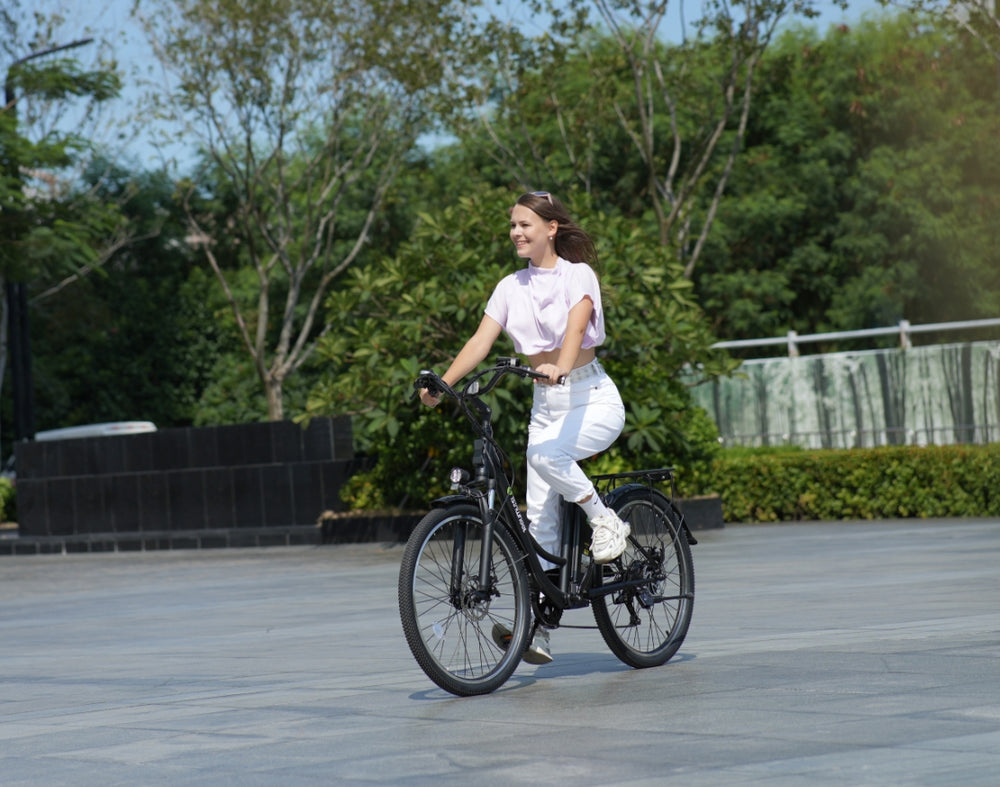
Cycling is a fast and efficient form of urban transportation, often quicker than driving in heavy traffic. As cities expand bike lanes and cycling infrastructure, commuting by bike continues to grow as a popular alternative to driving. It offers low travel costs, zero emissions, and strong fitness benefits.
Spring is one of the best seasons for bike commuting, avoiding extreme cold or heat. With proper safety gear, lights, and rain protection, cycling becomes a reliable daily option. For medium-distance travel, biking provides a balance of speed, affordability, and environmental benefits, making it a top choice for car-free commuting.
3. E-Bikes for Longer or Hilly Routes
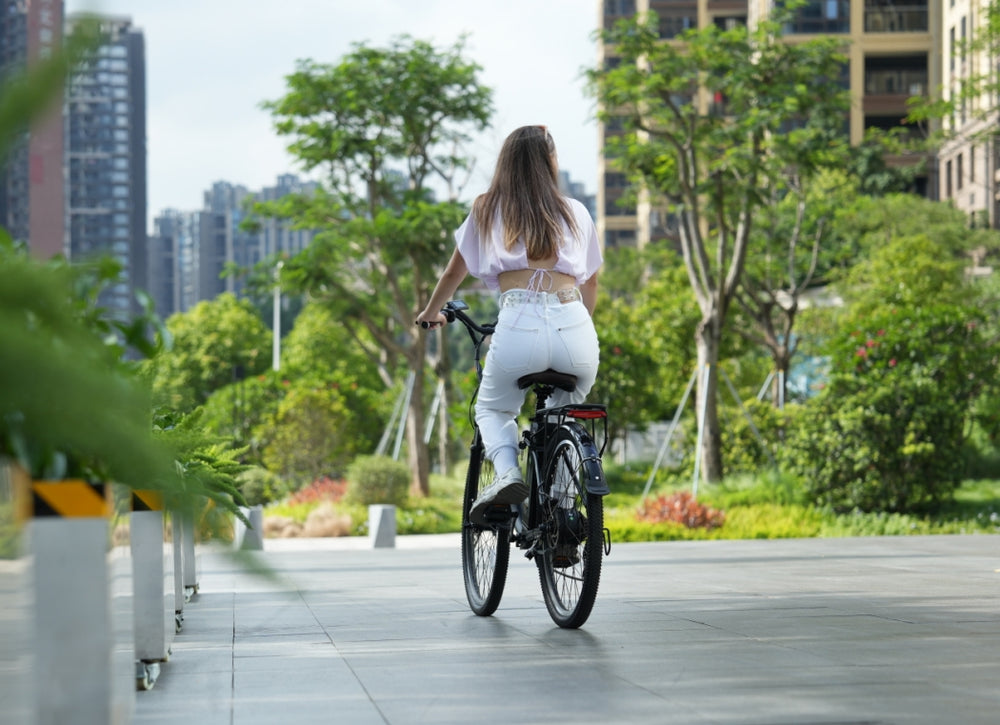
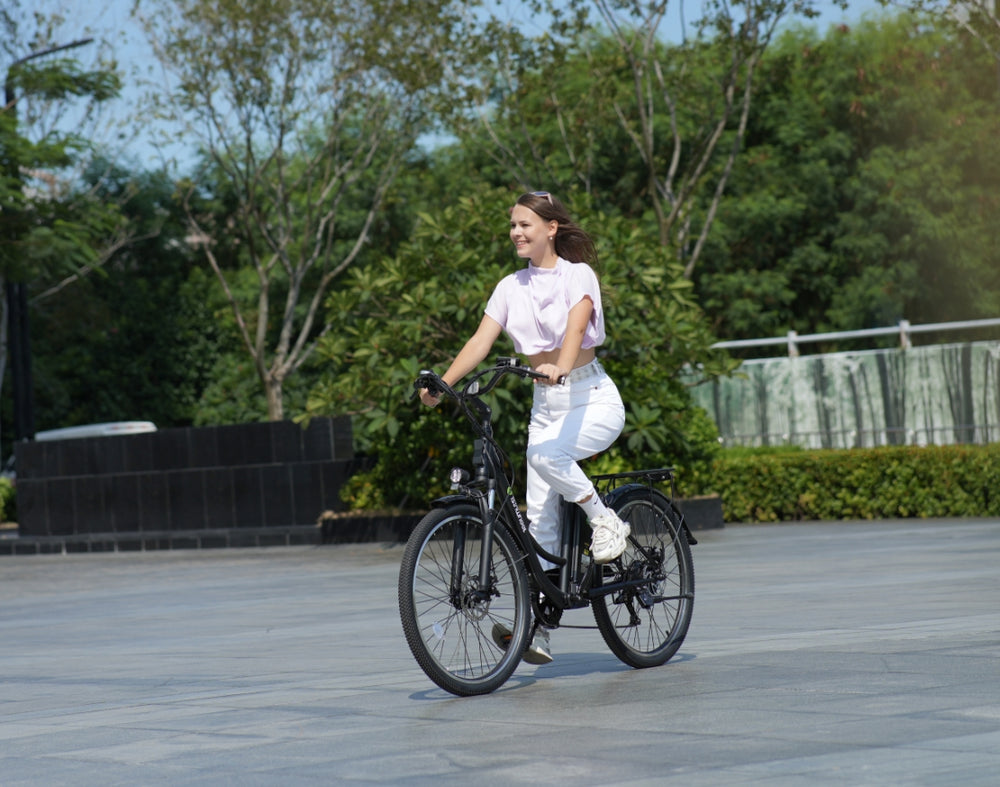
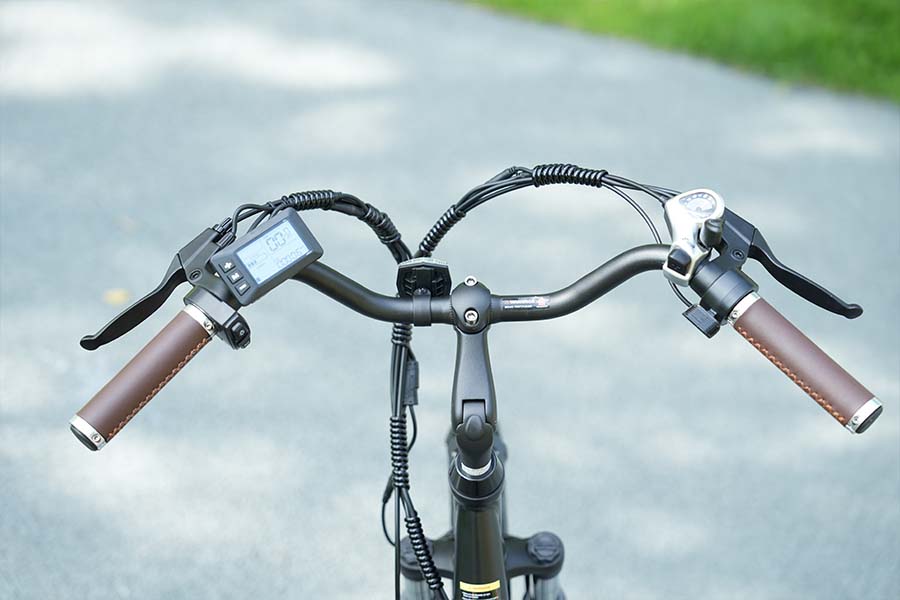
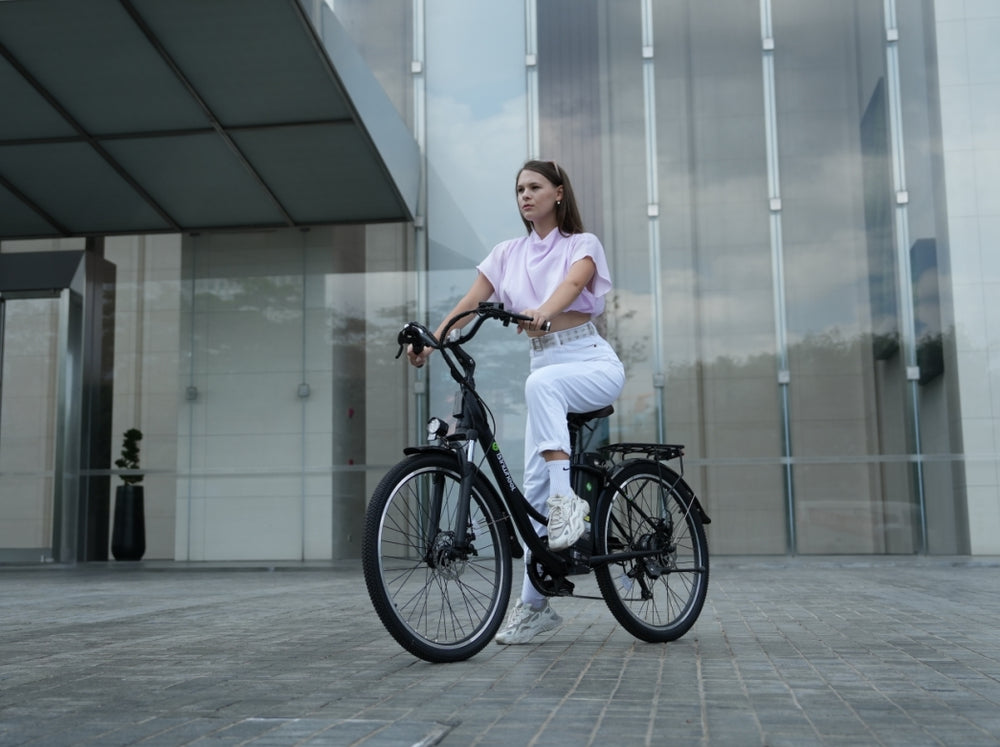
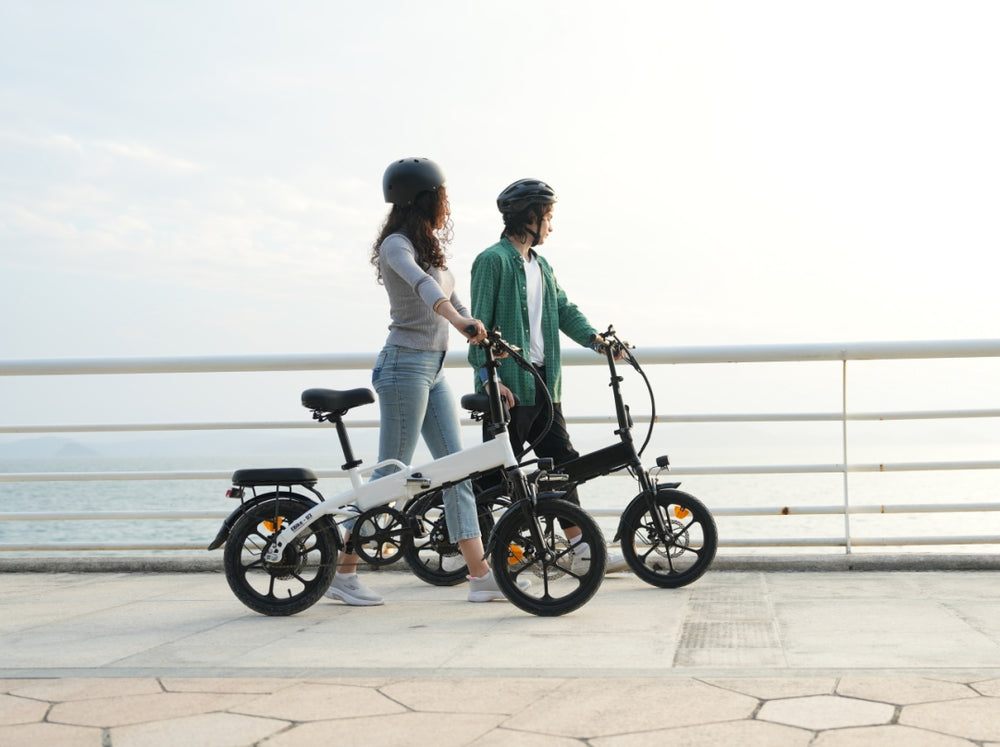
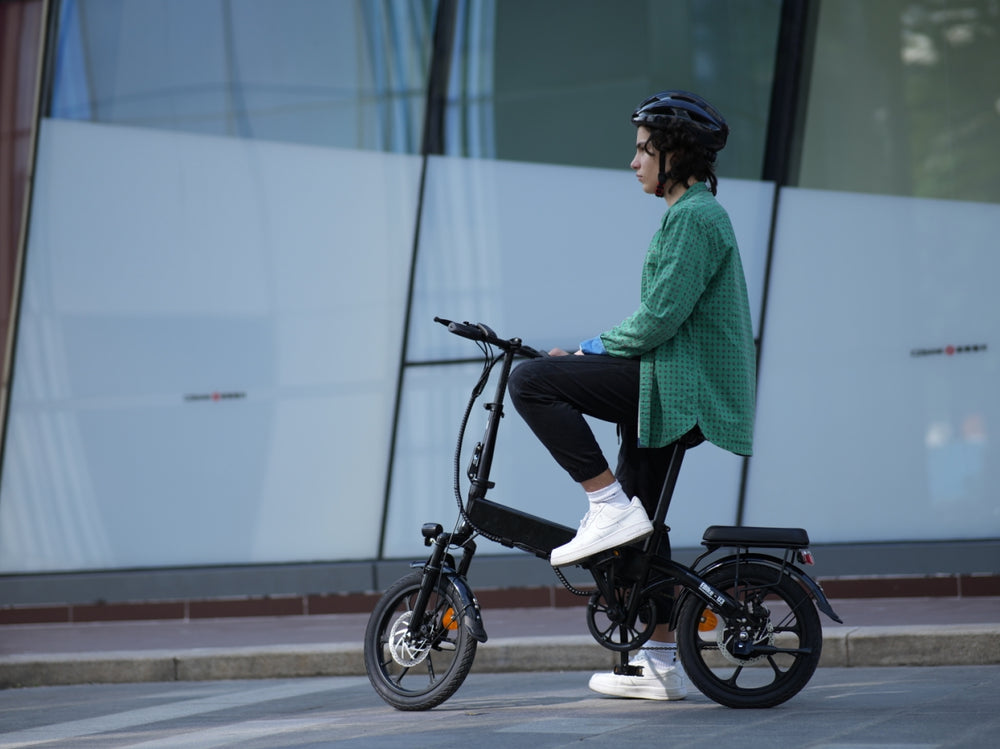
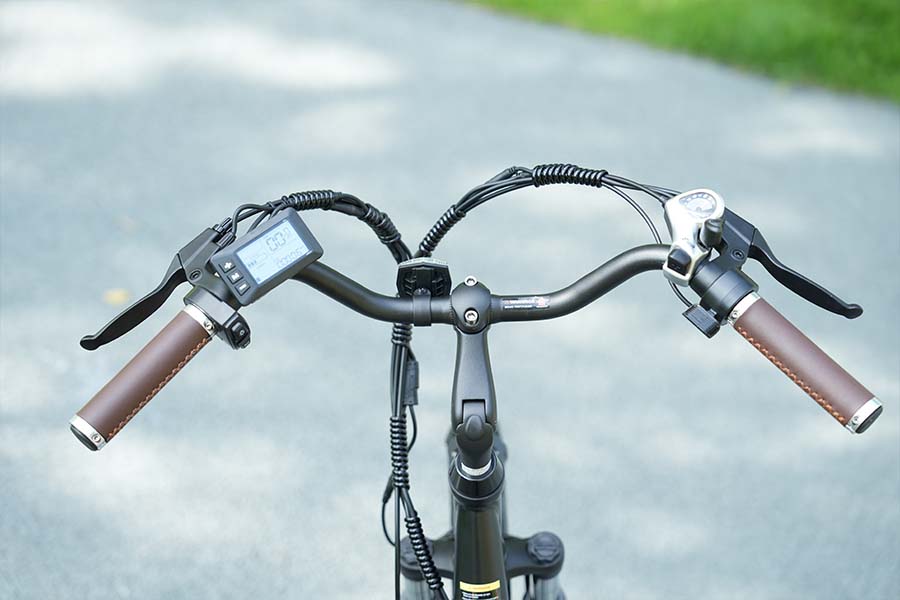
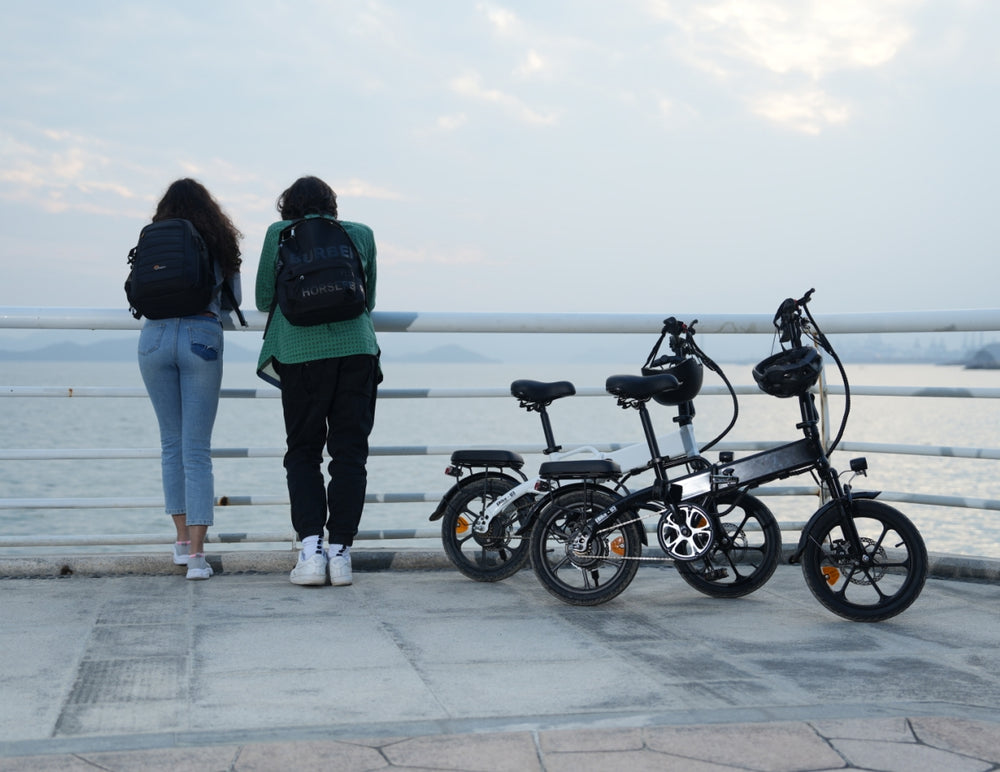
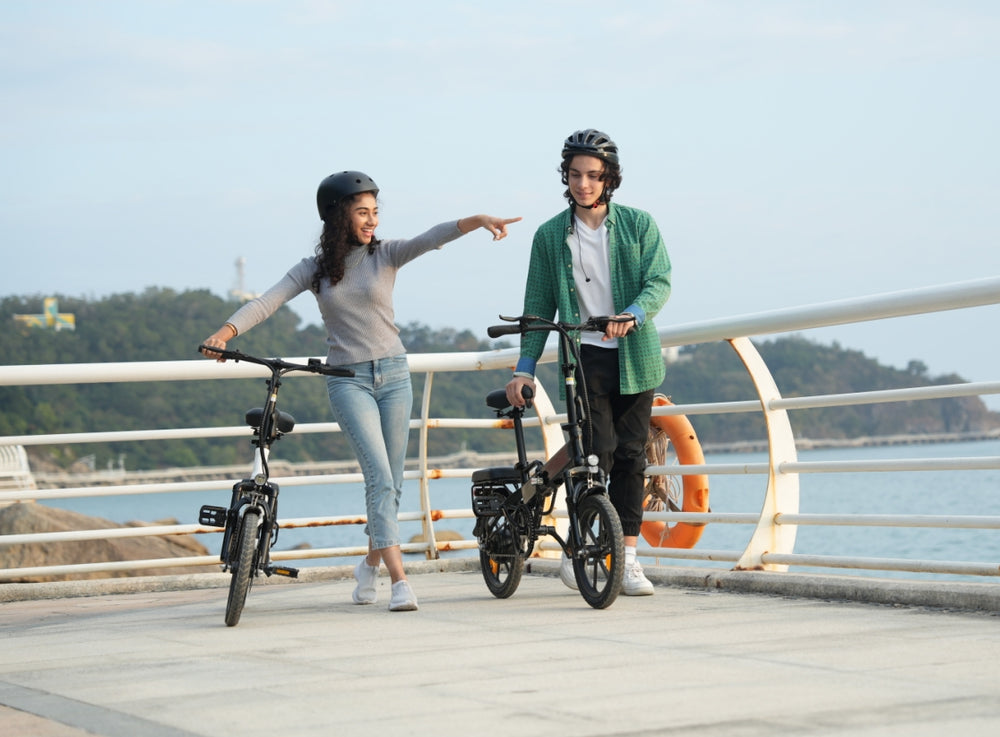
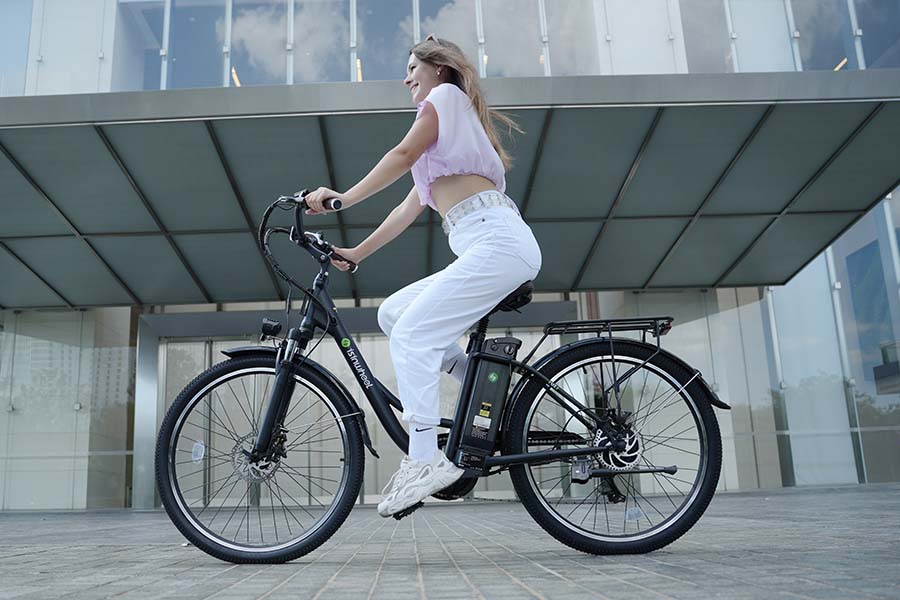
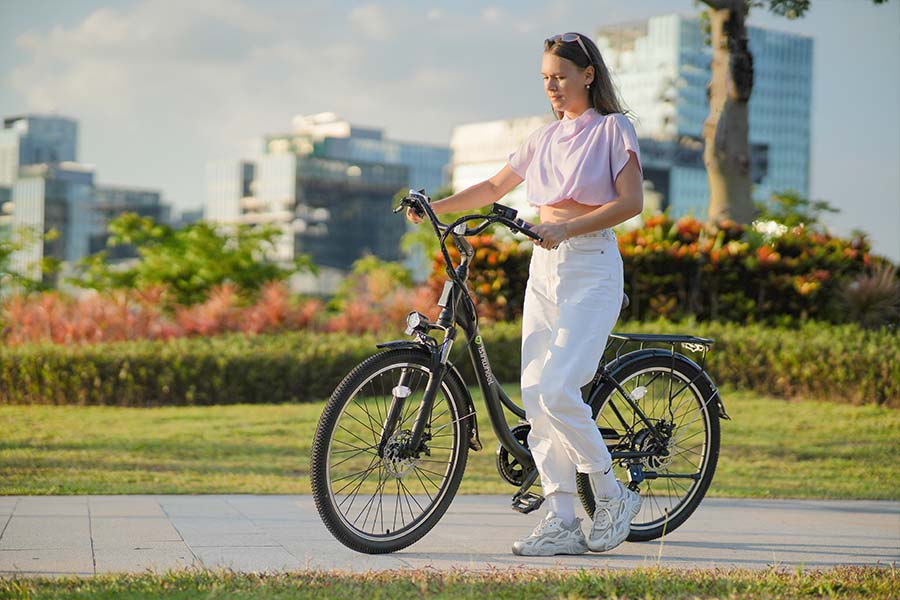
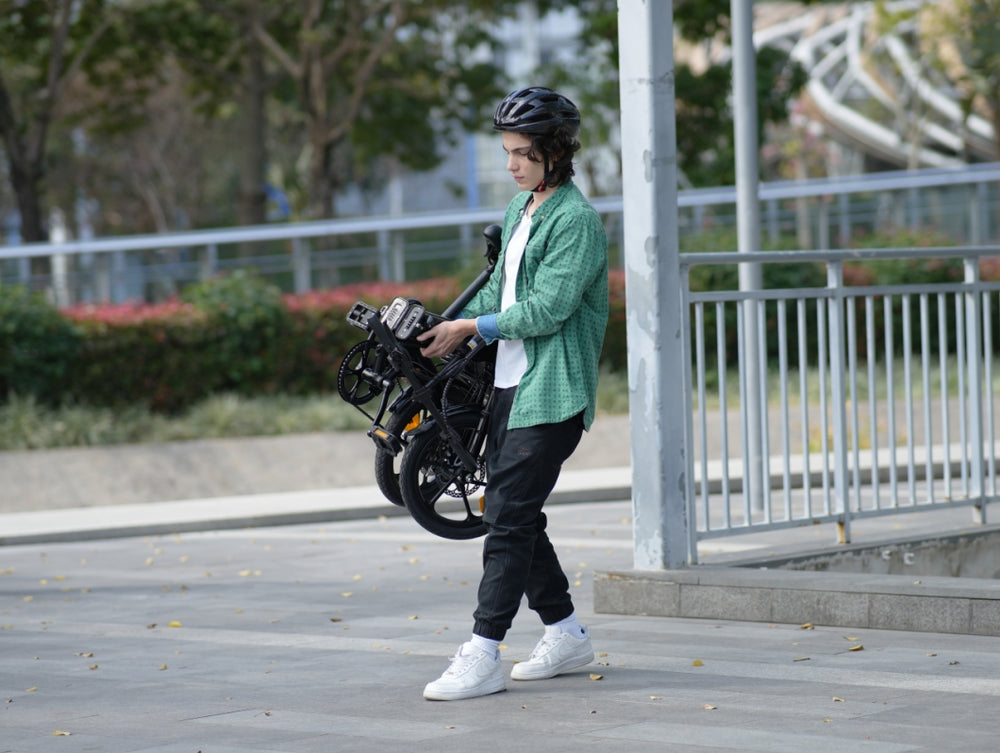
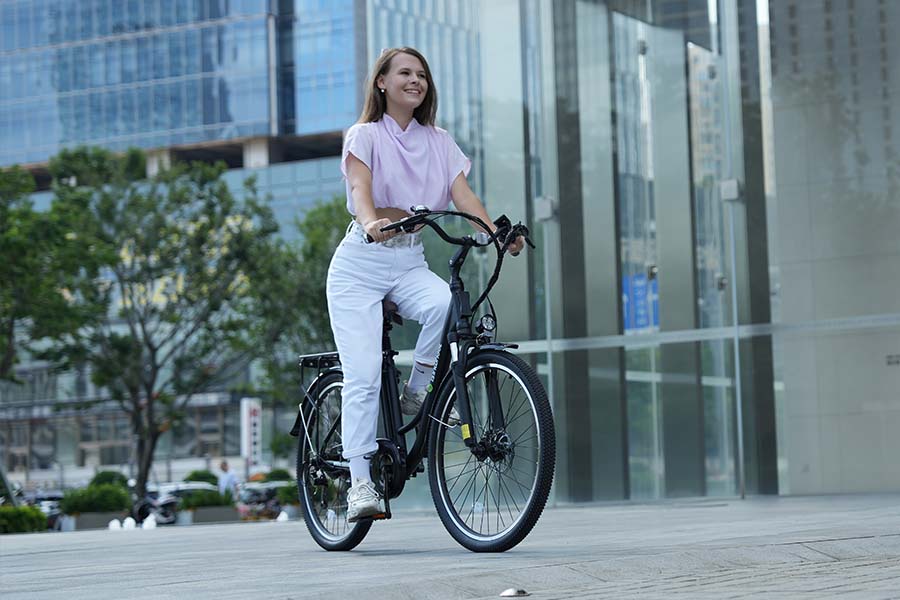
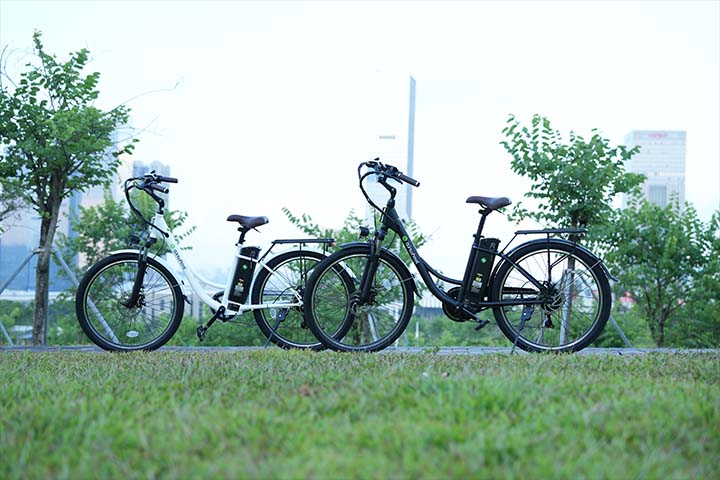
E-bikes are transforming commuting without a car, especially for longer distances and hilly terrain. Pedal assistance makes rides less physically demanding, helping commuters arrive at work with less fatigue. This makes e-bikes ideal for people who want an easier transition into bike commuting.
Although e-bikes require charging and have higher upfront costs than standard bicycles, they remain far cheaper than car ownership. They combine the flexibility of cycling with the convenience of motor assistance, making them one of the fastest-growing sustainable transportation options in cities.
4. Public Transportation in the Spring
Public transportation is one of the most reliable ways to commute without a car in urban areas. Buses, subways, trams, and commuter trains connect residential areas to workplaces efficiently. Choosing public transit reduces fuel consumption, lowers emissions, and helps decrease road congestion.
Spring often brings fewer weather-related disruptions, improving service reliability. Transit apps for route planning and real-time tracking make daily travel easier and more predictable. While peak hours can be crowded, public transportation remains a key pillar of eco-friendly commuting and city transportation options.
5. E-Scooters for Last-Mile Travel
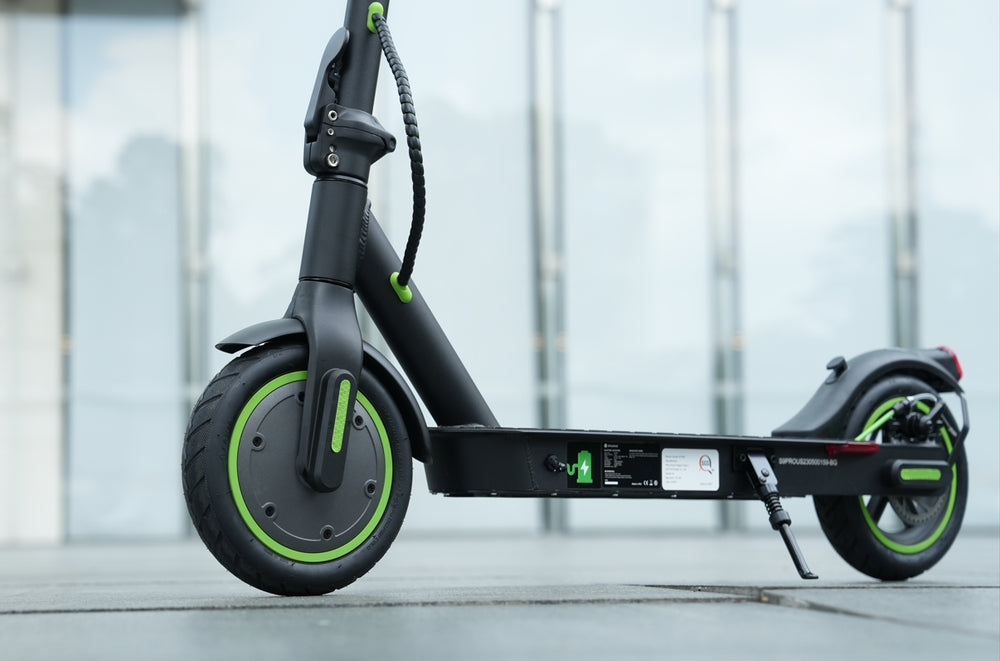
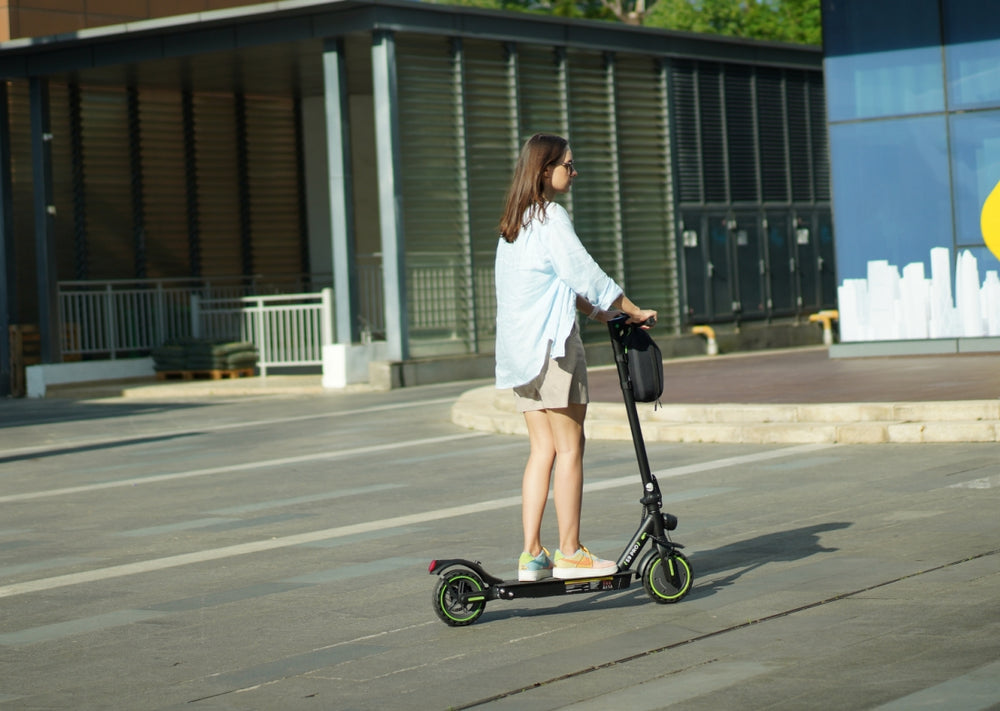
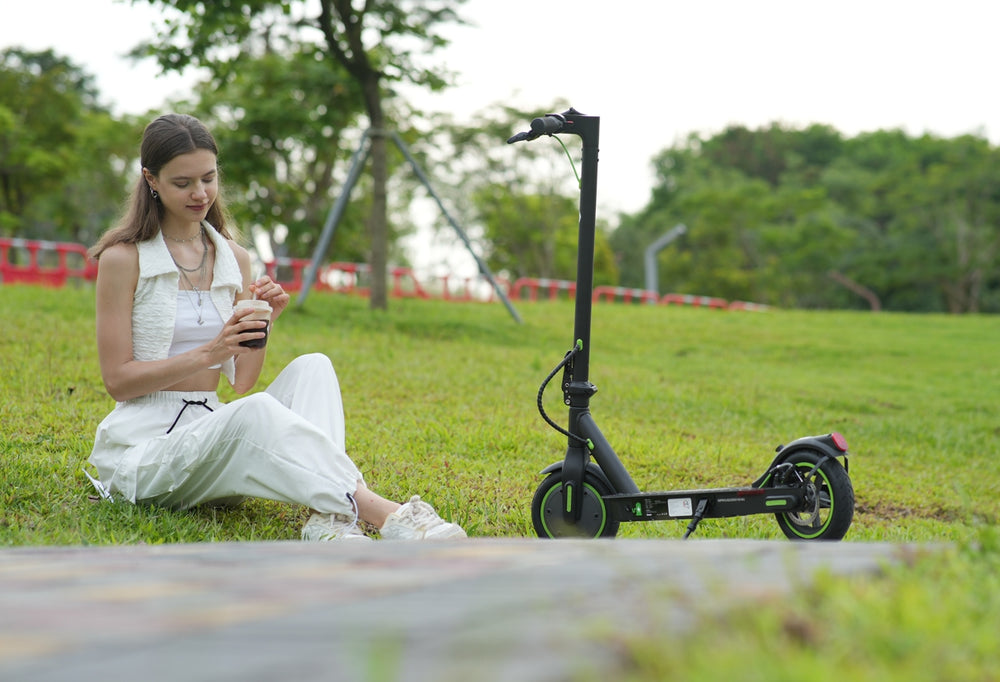
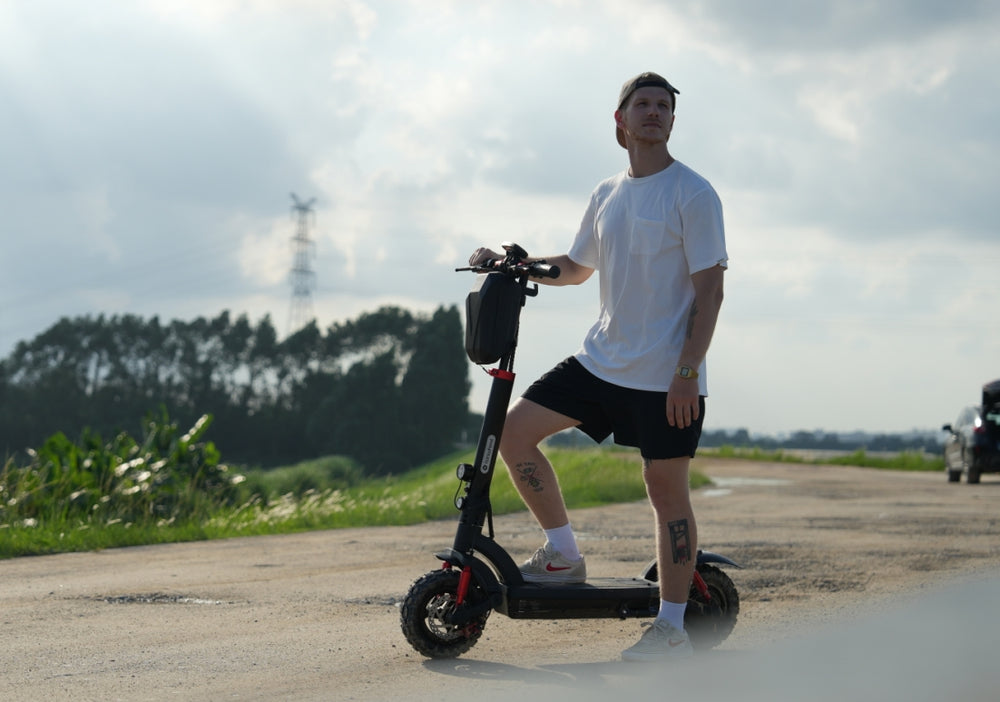
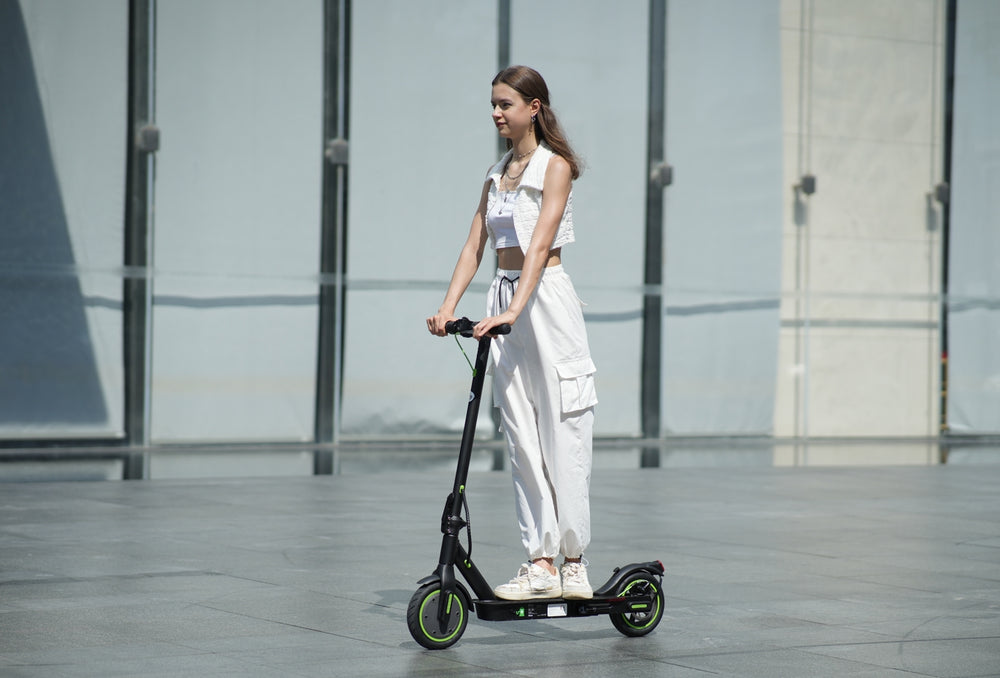
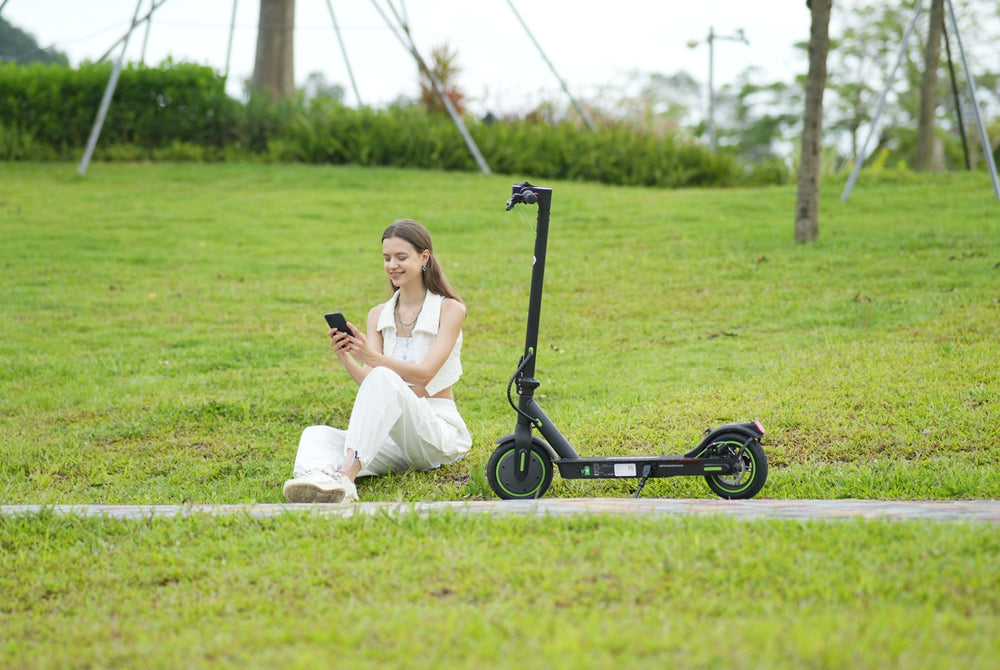
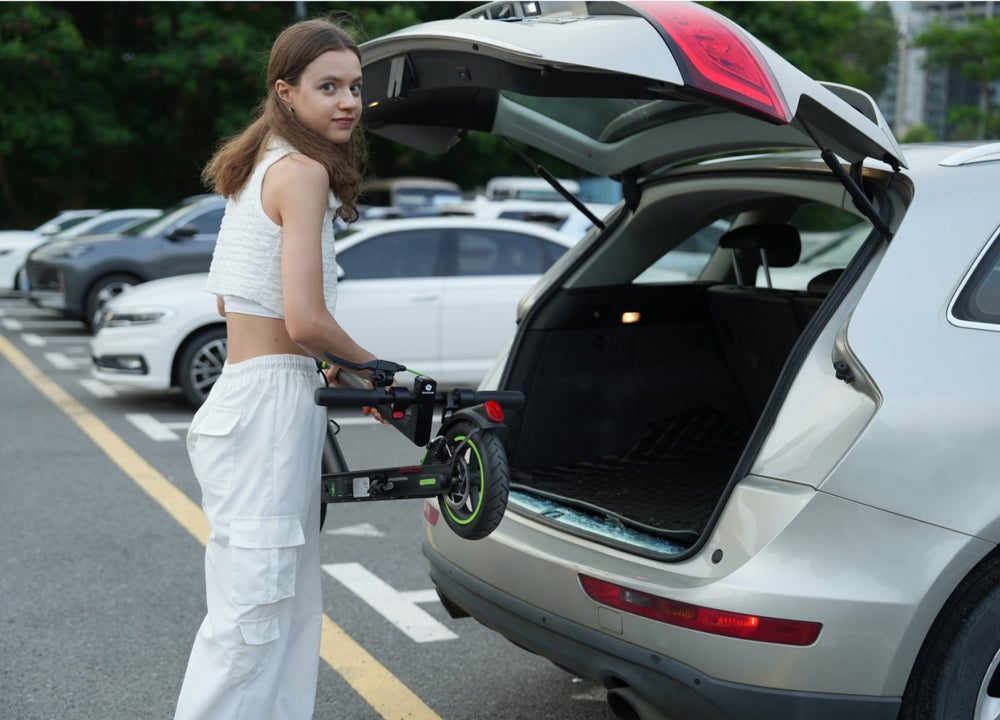
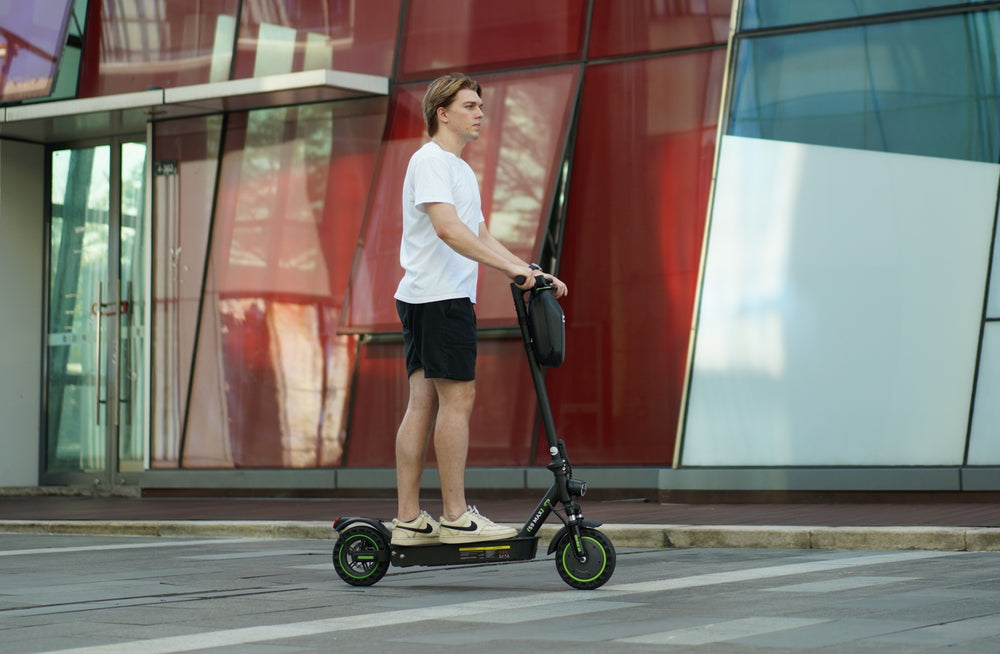
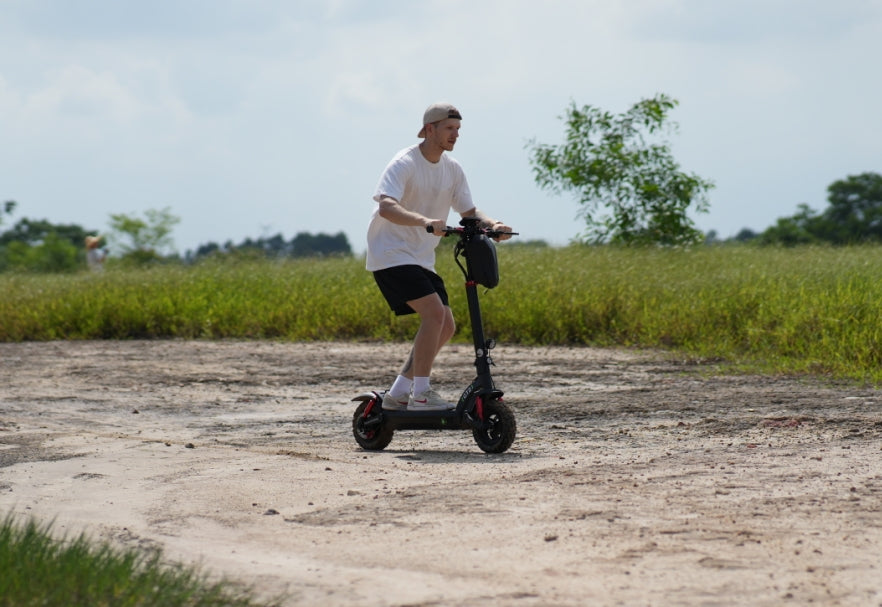
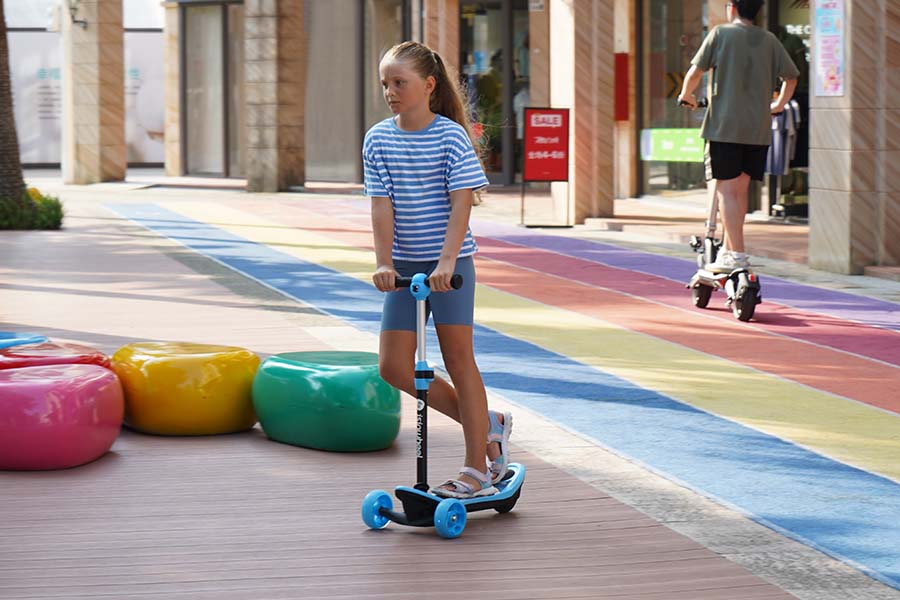
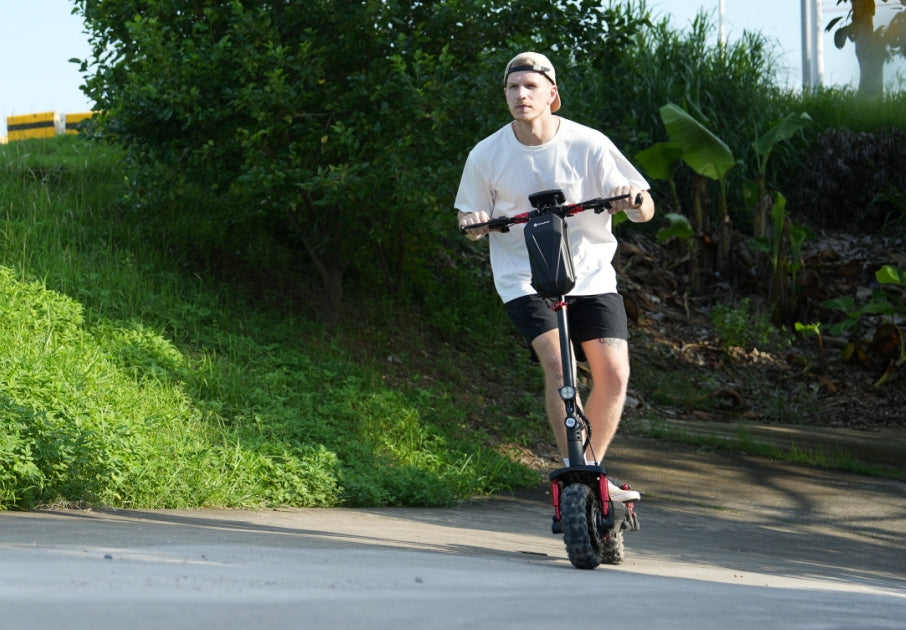
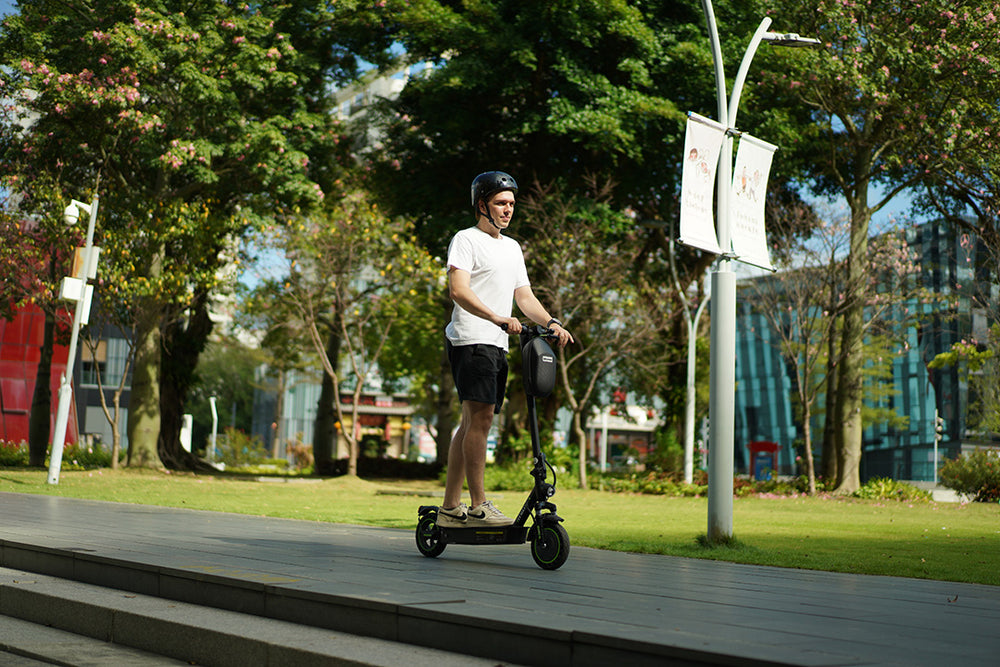
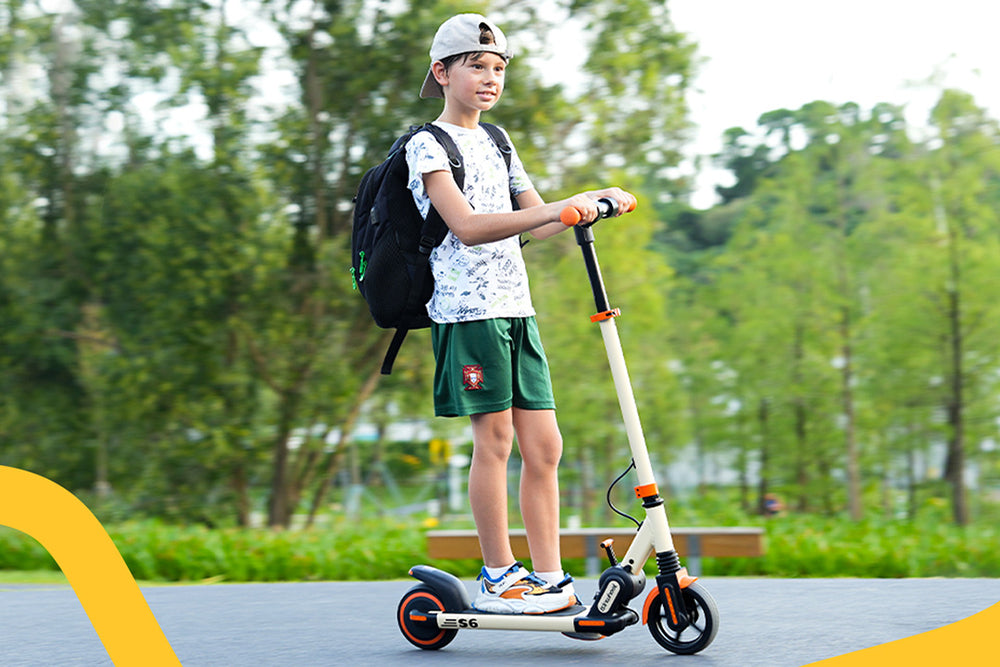
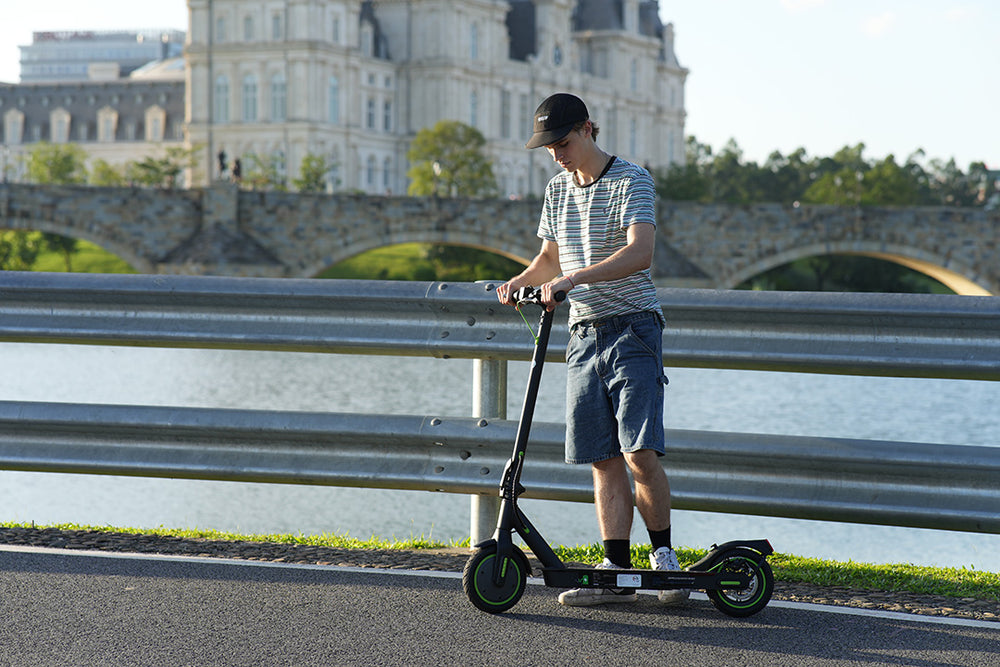
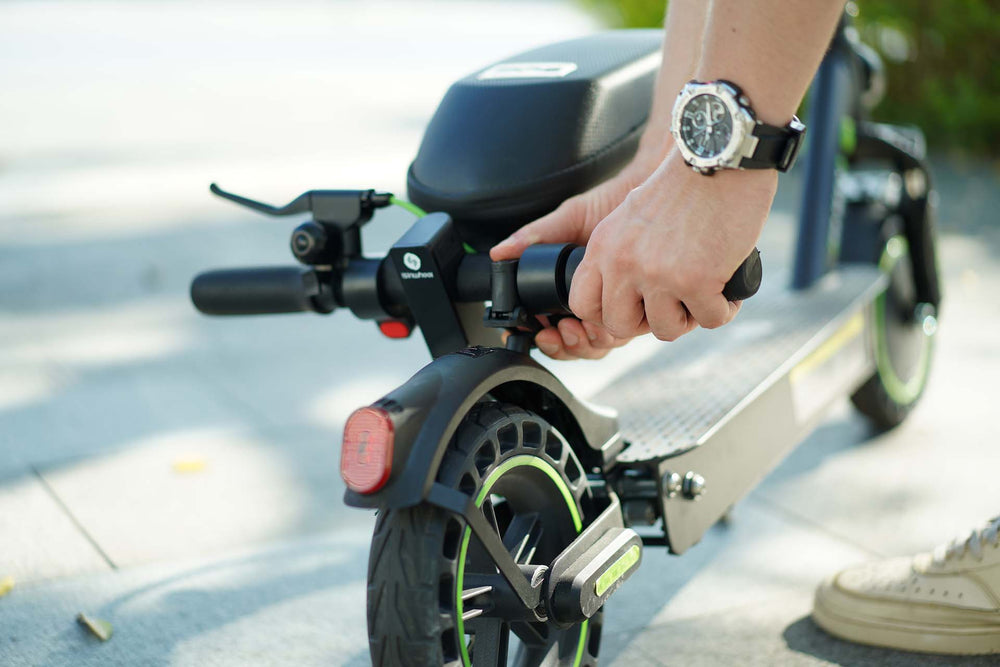
E-scooters are a growing part of urban mobility, offering quick solutions for short city trips and last-mile connections. They are widely available in many cities and can be rented through mobile apps, making them convenient for flexible commuting.
E-scooters work well alongside buses and trains, helping commuters shorten overall travel time. Riders should follow local regulations and prioritize safety, especially in busy areas. For short-distance travel, e-scooters are a practical car-free transportation option that supports low-emission commuting.
6. The Bike and Train Mixed-Mode Commute
Mixed-mode commuting combines two or more transportation methods, such as biking to a train station and walking the final stretch. This approach solves distance challenges and is especially useful for suburban commuters traveling into the city.
By combining personal mobility with public transit, commuters gain flexibility, reduce travel costs, and lower their environmental impact. Mixed-mode travel is one of the most efficient alternatives to owning a car, supporting both convenience and sustainability in daily urban commuting.
How to Choose the Best Car-Free Commute for You
Choosing the right option for commuting without a car depends on your daily routine, distance, and city conditions. Not every transportation method works for everyone, so understanding key factors can help you build a reliable and sustainable commuting plan that fits your lifestyle.
Distance to Work
Distance is one of the most important factors when planning a car-free commute. Short trips under 2–3 km are ideal for walking, while medium distances often work well for cycling. Longer routes may require public transportation, an e-bike, or a mixed-mode commute that combines biking and transit. Matching your commute type to your distance helps balance comfort and travel time.
Time vs. Convenience
Some alternatives to driving may take slightly longer but offer less stress and more productivity. Public transit allows time to read or work, while cycling can help you avoid traffic delays. Consider how much time you are willing to spend commuting and whether convenience, flexibility, or relaxation matters most in your daily routine.
Budget
Transportation costs vary widely. Walking and biking are among the most cost-effective transportation choices, while public transit usually costs less than driving when you factor in fuel, parking, and maintenance. E-bikes or scooters may have upfront costs but still reduce long-term expenses compared to owning a car.
City Infrastructure
Your city’s infrastructure plays a major role in safe and efficient urban commuting. Access to bike lanes, sidewalks, reliable public transit routes, and micromobility services like e-scooters can determine which options are realistic. Areas with strong transit networks and cycling infrastructure make commuting without a car much easier.
Spring Weather Patterns
Spring weather is generally favorable, but rain and temperature changes can still affect your commute. Having flexible options, such as combining biking with transit, can help you adapt. Wearing appropriate gear and checking forecasts makes spring commuting more comfortable and predictable.
Essential Tips for Spring City Commuting Without a Car
A little preparation goes a long way when it comes to spring city commuting without a car. Changing weather, traffic conditions, and daily work needs can affect your routine, but the right strategies make your car-free commute safer, more comfortable, and more reliable.
-
Dress in layers so you can adjust to temperature changes between cool mornings and warmer afternoons without feeling uncomfortable during your commute.
-
Carry a lightweight waterproof jacket or poncho to stay dry during sudden spring rain showers that can make walking or cycling less pleasant.
-
Use navigation and public transit apps like Google Maps or Citymapper to plan efficient routes, avoid delays, and track real-time bus or train arrivals.
-
Check bike-share and e-scooter apps before leaving to see availability nearby, giving you flexible last-mile transportation options.
-
Stick to sidewalks, bike lanes, and well-lit streets to reduce risks and make your urban commute safer, especially in high-traffic areas.
-
Wear bright or reflective clothing and use bike lights to improve visibility for drivers during cloudy days or early morning and evening travel.
-
Have a backup plan for bad weather, such as knowing nearby transit routes or keeping a transit card ready when walking or biking isn’t practical.
-
Use a supportive backpack or bike panniers to distribute weight evenly and avoid back or shoulder strain while carrying work items.
-
Choose waterproof bags or covers to protect electronics, documents, and personal items from unexpected rain.
-
Pack only daily essentials to keep your load lighter, making active commuting easier and less tiring over time.
Benefits of a Car-Free Spring Commute
Choosing spring city commuting without a car can improve your finances, health, and overall well-being. A car-free commute transforms daily travel from a stressful task into a more active, affordable, and environmentally friendly routine.
-
Save money on daily transportation by avoiding fuel, parking fees, insurance, and vehicle maintenance costs that add up quickly in city driving.
-
Reduce commuting stress by skipping traffic congestion and parking hassles, leading to a calmer and more predictable start and end to your day.
-
Build daily physical activity into your routine through walking or cycling, which supports heart health, improves energy levels, and reduces sedentary time.
-
Lower your carbon footprint by replacing short car trips with eco-friendly transportation like biking, walking, or public transit, helping reduce emissions and air pollution.
-
Feel more connected to your city as slower, car-free travel lets you notice neighborhoods, local businesses, parks, and daily life around you.
Together, these benefits make commuting without a car in spring a healthier, more cost-effective, and more sustainable choice for urban living.
Conclusion
Switching to spring city commuting without a car can save money, reduce your carbon footprint, and turn daily travel into a healthier, more enjoyable part of your routine. With better weather and more daylight, spring is the ideal season to test walking, biking, transit, or a mix of options.
You don’t have to stop driving completely — even a few car-free days each week can make a real difference. With simple planning, commuting without a car can be one of the smartest and most sustainable changes you make this season.
FAQs
Is spring a good time to start commuting without a car?
Yes, spring is one of the best seasons to begin commuting without a car. Milder temperatures, longer daylight hours, and fewer extreme weather conditions make walking, cycling, and public transportation more comfortable and reliable. These conditions help you build sustainable commuting habits before summer heat or winter cold create additional challenges.
What’s the cheapest way to commute in a city?
Walking is the most cost-effective option since it requires no fuel, fares, or maintenance. Cycling is another low-cost alternative, with only minimal expenses for a bike and basic gear. Compared to car ownership, which includes fuel, insurance, parking, and repairs, these car-free transportation options can save a significant amount of money over time.
How do I commute without a car if I live far from work?
Longer commutes can be managed through public transportation or a mixed-mode approach, such as biking or scootering to a train or bus stop and completing the rest of the trip by transit. E-bikes are also helpful for covering greater distances with less effort, making them a practical solution for suburban or extended urban routes.
Are e-bikes practical for daily commuting?
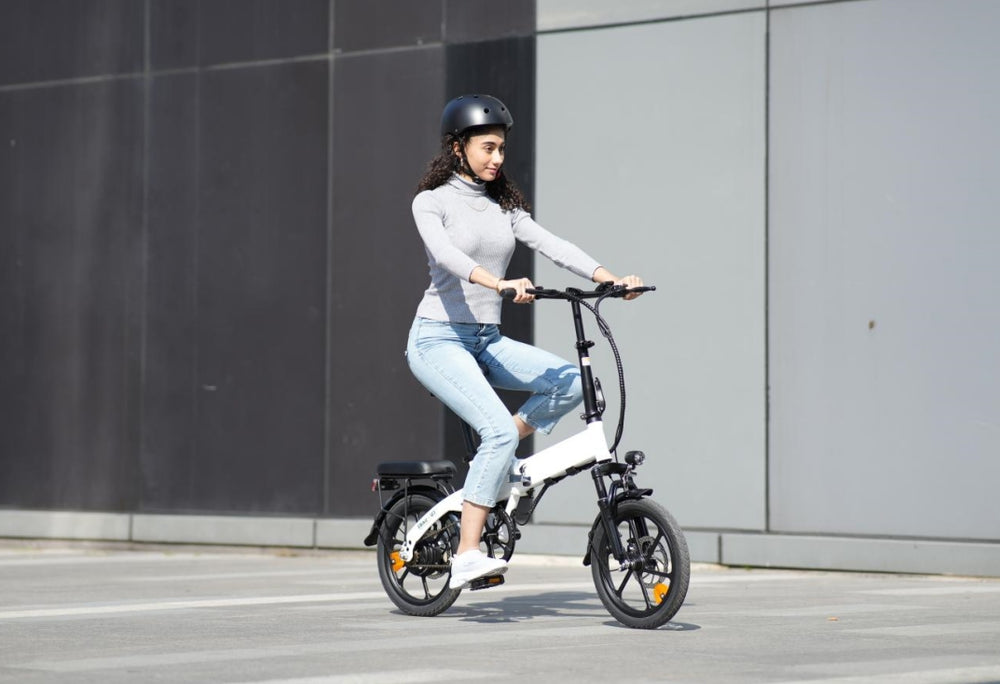
E-bikes are highly practical for daily commuting, especially for longer distances, hilly routes, or riders who want to avoid arriving sweaty. They combine the flexibility of cycling with motor assistance, reducing strain while keeping travel eco-friendly. Many commuters choose reliable options like isinwheel e-bikes and e-scooters to make daily urban travel faster and more convenient without relying on a car.





















Leave a comment