Spring seems like the ideal time to cycle to work in the UK — longer daylight, milder air, and brighter mornings. But it’s also one of the most unpredictable seasons. Sunshine can turn into showers fast, chilly starts become warm rides home, and gusty winds are always waiting.
That’s where smart spring commuting ideas come in. With the right layers, weather-ready gear, and a few practical riding tactics, you can stay dry, comfortable, and confident on every ride — no matter what the forecast gets wrong.
Spring Commuting Clothing Ideas (Layering Is Everything)
Cycling to work in the UK during spring can be unpredictable. One moment it’s sunny and mild, the next a cold drizzle hits. Layering your clothing is the key to staying comfortable, dry, and presentable at work. By combining the right base, mid, and outer layers, you can tackle sudden showers, gusty winds, and fluctuating temperatures without stress.
Start With a Moisture-Wicking Base Layer
A good base layer keeps sweat away from your skin while regulating body temperature. Merino wool is ideal for spring commuting because it controls odour and remains breathable even when damp. Synthetic fabrics are lightweight, quick-drying, and perfect for longer rides. Depending on the morning chill and midday warmth, you can choose short or long sleeves to stay comfortable throughout your commute.
Add a Flexible Mid-Layer
A light mid-layer, such as a thermal cycling jersey or fleece, adds warmth without bulk. The key is flexibility: it should be easy to remove and stash in a backpack or pannier as your body warms during the ride. Heavy jackets or thick sweaters are best avoided, as cycling generates enough heat to keep you warm, and over-insulating can leave you sweaty and uncomfortable.
Never Skip a Packable Waterproof Jacket
Spring showers are common and often unexpected. A true waterproof jacket is essential for staying dry, as “showerproof” jackets may leak during heavier rain. Look for jackets with ventilation zips to prevent overheating and choose a packable design that fits easily into a bag or jersey pocket. Even on sunny mornings, carrying a lightweight waterproof ensures you’re prepared for sudden downpours.
The Most Underrated Item: A Windproof Gilet (Vest)
A windproof gilet is perfect for keeping your core warm during chilly starts without causing overheating once the sun comes out. It is lightweight, packs small, and can be layered over your base or mid-layer. For spring commuting, it is one of the most versatile and practical pieces of clothing you can own.
Spring Legwear Options
Spring weather can be variable, so your legs may need different levels of protection throughout the day. Bib shorts with leg warmers provide adjustable warmth, lightweight tights are ideal for cooler mornings or windy rides, and overshorts worn over padded shorts keep your outfit presentable for the office while still offering cycling comfort.
Don’t Forget Hands & Feet
Your extremities are often the first to feel the cold, so protection is crucial. Light full-finger gloves maintain dexterity while keeping hands warm, thin socks or merino blends help manage moisture, and overshoes protect against wet roads, spray, and puddles. Taking care of hands and feet ensures your entire commute stays comfortable.
Smart Gear Ideas for Spring Bike Commuting
Having the right gear is just as important as clothing when cycling to work in the UK during spring. With unpredictable weather, sudden showers, and changing light conditions, the correct equipment ensures your commute is safe, comfortable, and efficient.
Mudguards Are Essential for UK Spring Roads
Even on dry days, road spray and puddles from early spring showers can leave you and your bike wet and dirty. Full-length mudguards for commuter bikes protect your clothes, shoes, and bike components, reducing wear and tear while keeping you looking presentable at work. High-quality, durable mudguards are a small investment that makes spring bike commuting in the UK far more enjoyable and less messy.
Lights — Stay Visible in Variable Spring Conditions
Spring weather can be unpredictable, with overcast skies, rain showers, and early morning darkness reducing visibility. Using bright front and rear lights ensures you are seen by motorists and other cyclists. Daytime running lights for bikes provide extra safety during sudden showers or fog, while USB-rechargeable lights allow you to charge at work, so you’re always prepared for low-light commuting in the UK.
Waterproof Ways to Carry Work Gear
Carrying your laptop, documents, or change of clothes requires careful planning in spring. Waterproof panniers or bike frame bags are ideal for keeping your items dry while preventing back sweat, which often comes from wearing a backpack. For extra protection, rain covers ensure electronics and papers remain safe even in heavy showers. Investing in proper waterproof storage is crucial for UK spring cycling commutes, keeping you dry, comfortable, and ready for the office.
Eye Protection — Clear Vision in Every Condition
Spring winds, pollen, and road spray can irritate your eyes, especially during longer commutes. Wearing clear or lightly tinted cycling glasses protects your eyes while maintaining visibility in mixed weather conditions. Proper eye protection reduces discomfort and improves safety, allowing you to focus on the road while riding in typical UK spring weather.
Spring Commuting Ideas for Comfort at Work
Arriving at the office feeling fresh after a spring bike commute in the UK can be challenging with unpredictable weather. With the right strategies, clothing, and preparation, you can stay comfortable, avoid sweat, and move seamlessly from your ride to your workday.
How to Avoid Arriving Sweaty
Maintaining a moderate pace during your commute is one of the simplest ways to reduce sweat. Pacing yourself allows your body to generate warmth without overexertion, especially on chilly spring mornings.
Layering strategically is also important. Removing mid-layers or lightweight jackets early in your ride helps prevent overheating, while wearing a windproof vest instead of a heavy jacket keeps your core warm without causing sweat buildup. These adjustments help you arrive at work dry, comfortable, and ready for the day.
Quick Freshen-Up Strategies
Even with careful pacing, some sweat is inevitable on longer rides. Carrying a small towel or facial wipes allows for a quick refresh once you reach work.
Having spare underwear and socks ensures you can change if needed, and a small deodorant kit helps you stay confident and professional. These simple strategies make spring commuting in the UK practical, even when temperatures fluctuate or showers appear unexpectedly.
Office-Friendly Cycling Clothes
Choosing cycling clothes that are comfortable on the bike and suitable for the office makes a huge difference. Opt for clothing with a bike-friendly fit that allows movement while remaining neat for work.
Lightweight, breathable fabrics help regulate temperature and manage moisture, while materials that resist odour keep you feeling fresh even after a brisk ride. Layering appropriately ensures you can adjust to changing weather and stay comfortable throughout your commute.
Riding Tactics for UK Spring Conditions
Spring cycling in the UK can be unpredictable, with gusty winds, sudden showers, and slippery roads. Using the right riding tactics helps you stay safe, maintain control, and arrive at work without unnecessary stress.
Handling Strong Spring Winds
Strong winds are common during UK spring, and they can slow you down or affect stability. Allow extra time for your commute so you don’t feel rushed or pressured to ride faster than is safe. Using easier gears can help you maintain a steady cadence and avoid overexertion, especially when facing headwinds.
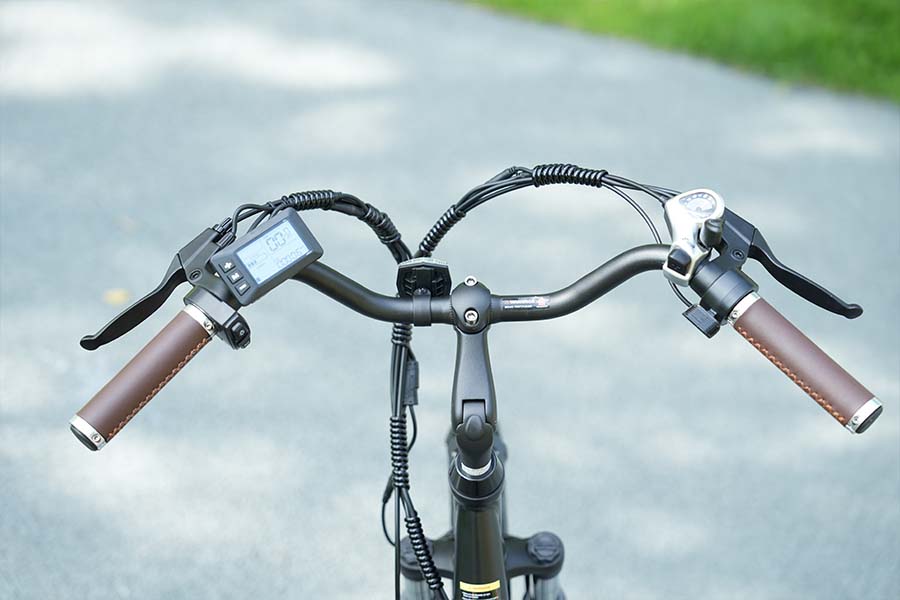
Be aware of crosswinds near buildings, open junctions, or gaps in hedges, as these can suddenly push your bike off line. Riding with extra caution and maintaining a firm, controlled grip on the handlebars improves balance and reduces the risk of accidents.
Wet Road Awareness
Spring often brings wet roads, and painted lines, metal covers, and manhole tops can become extremely slippery. Brake earlier than usual to allow extra stopping distance, and approach corners smoothly rather than sharply turning. Maintaining a consistent speed and avoiding sudden movements helps prevent skidding on damp surfaces.
Be especially careful on leaf-strewn roads or shaded areas, where water may linger longer. Awareness and slow, deliberate riding make wet spring roads much safer for commuters.
Dealing With Sudden Showers
Spring showers can appear without warning, so it’s important to keep a waterproof jacket accessible at all times. Protect electronics, documents, and other valuables in waterproof bags or compartments to avoid damage if you get caught in rain.
Even with careful planning, forecasts aren’t always accurate. Accept that showers may appear unexpectedly and plan your ride accordingly. Being prepared, rather than stressed, ensures your spring commute remains manageable and safe, no matter the weather.
Best Bike Setup for Spring Commuting
Getting your bike set up correctly for spring commuting in the UK makes a noticeable difference to safety, comfort, and reliability. Wetter roads and changeable weather mean your bike needs to be ready for reduced grip, more dirt, and increased wear on components.
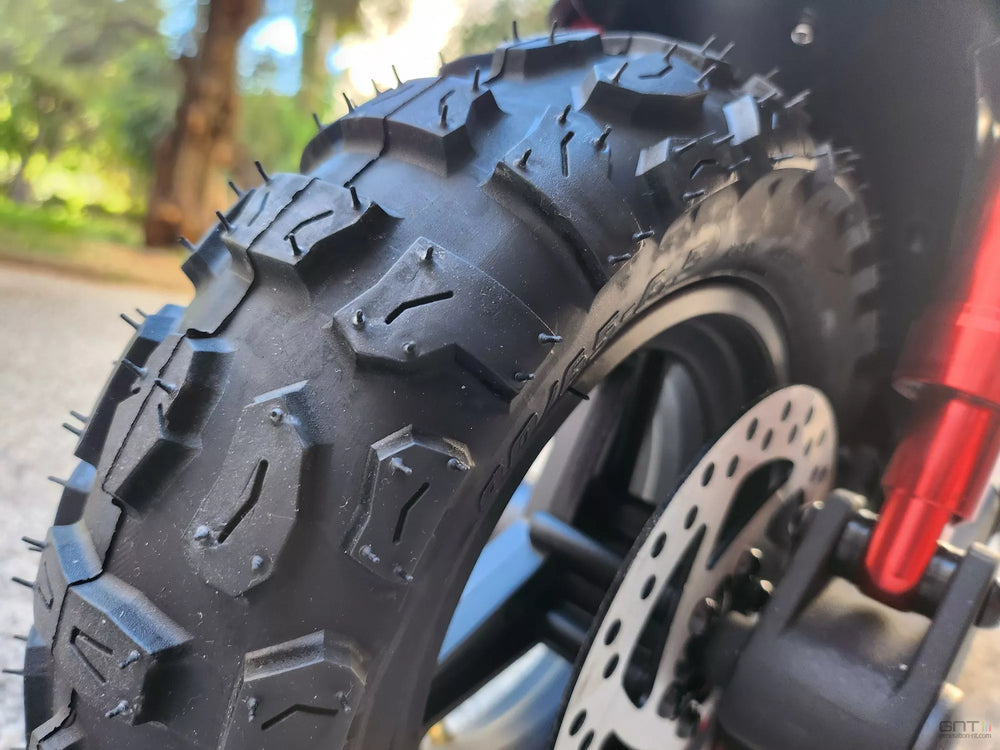
Using slightly wider tyres can improve grip and stability on damp or uneven road surfaces, giving you more confidence when cornering or braking in typical UK spring conditions. Regularly checking your brakes is also important, as wet roads and grit can wear pads down faster and reduce stopping performance.
Spring rain and road spray can quickly wash lubricant from your drivetrain, so cleaning and lubing your chain more frequently helps keep gear shifts smooth and prevents premature wear. Fitting full-length fenders helps protect both you and your bike from spray, while reflective details on your bike improve visibility in low light, showers, or overcast conditions common during spring commutes.
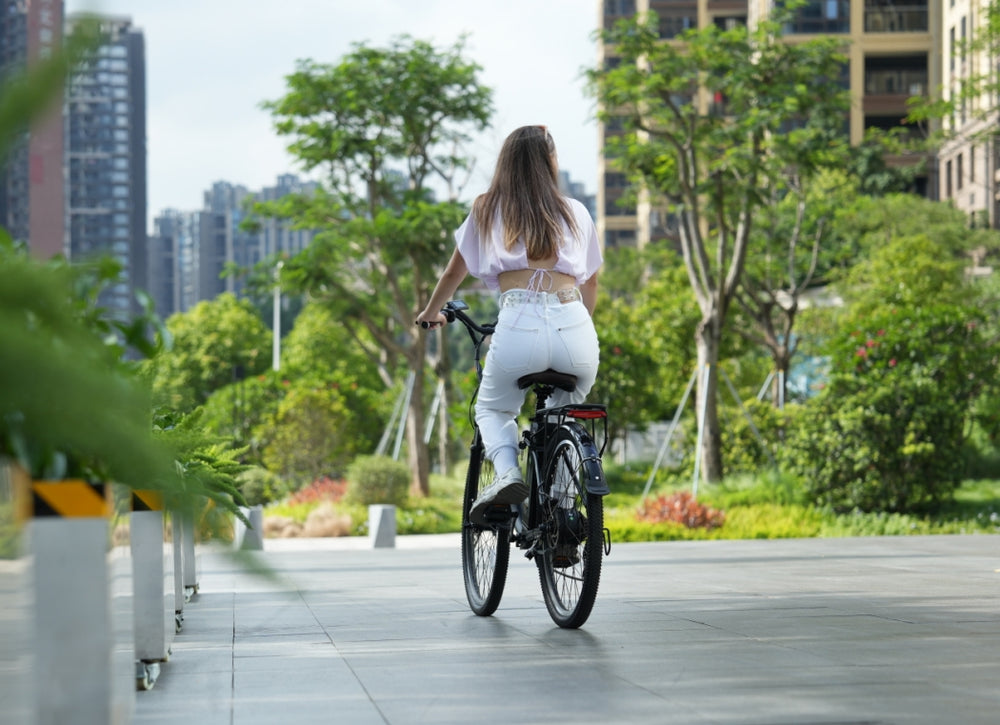
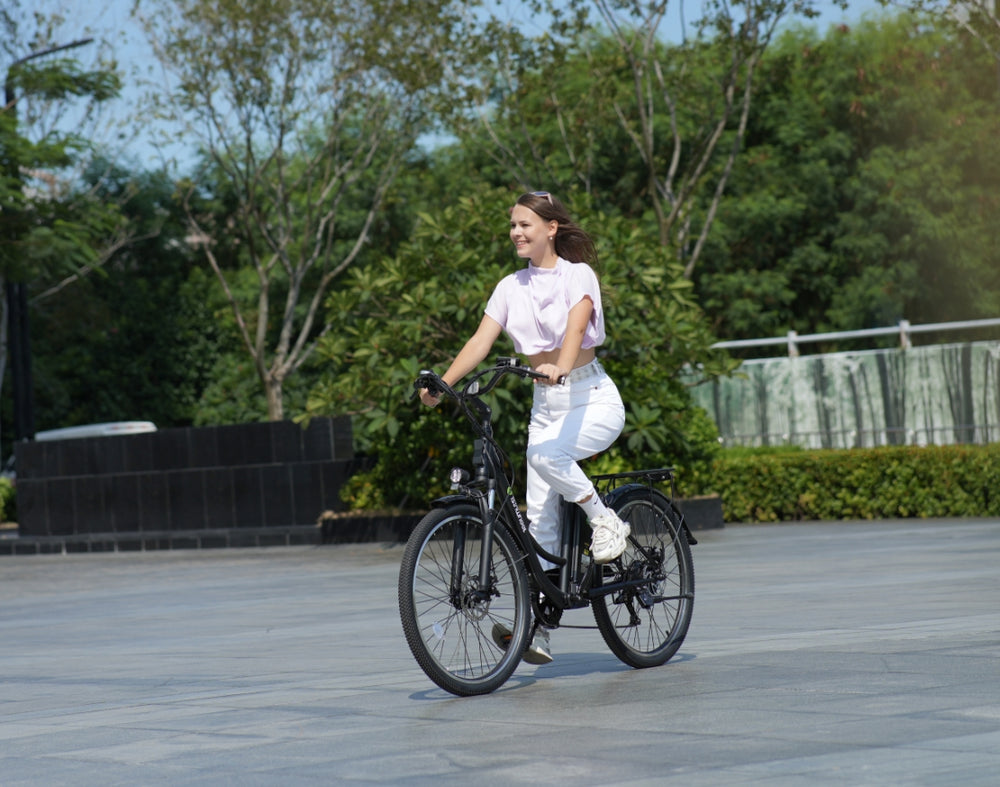
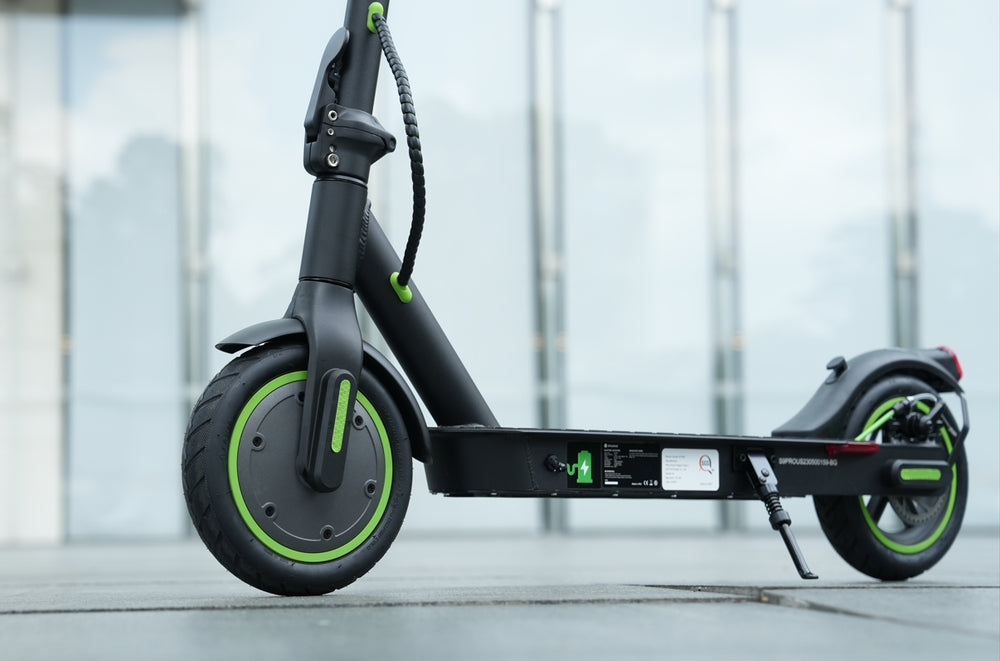
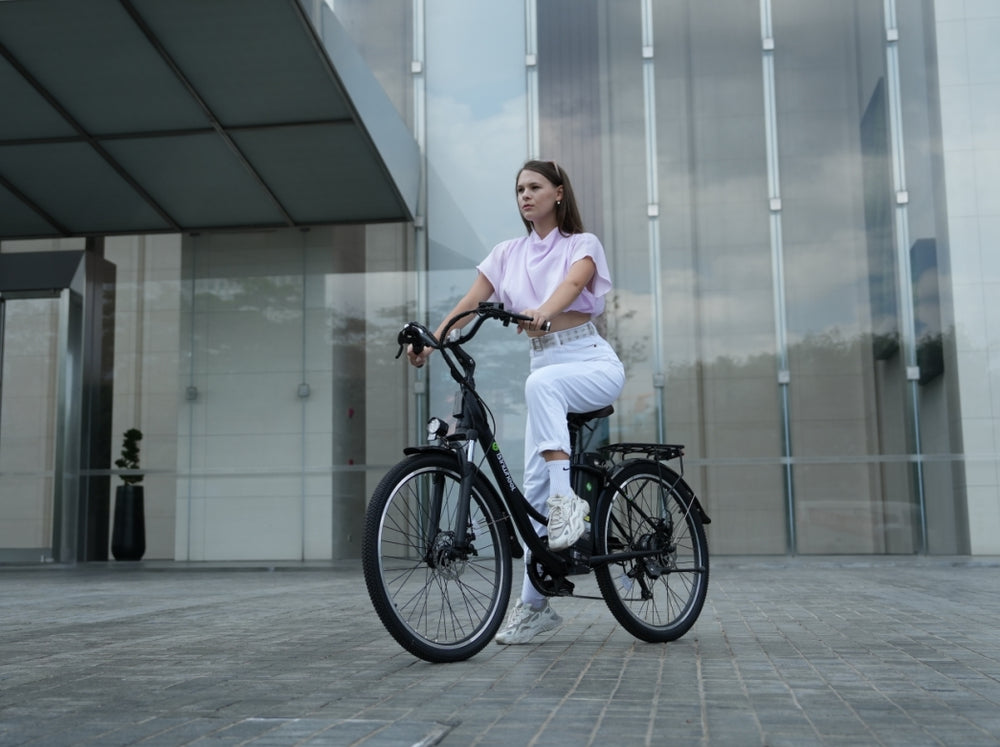
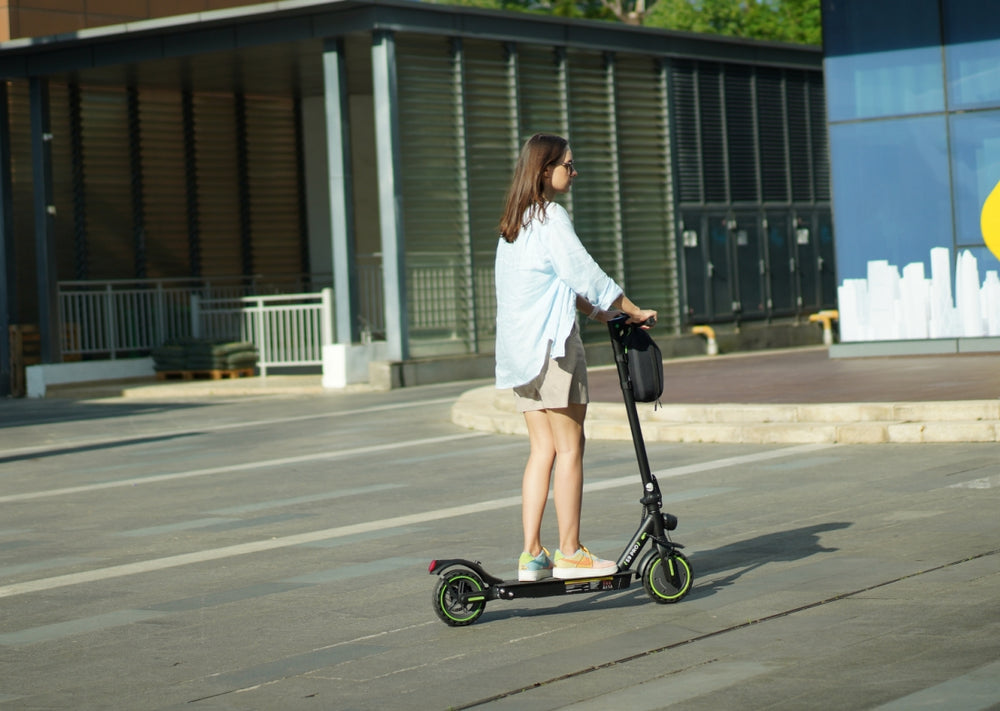
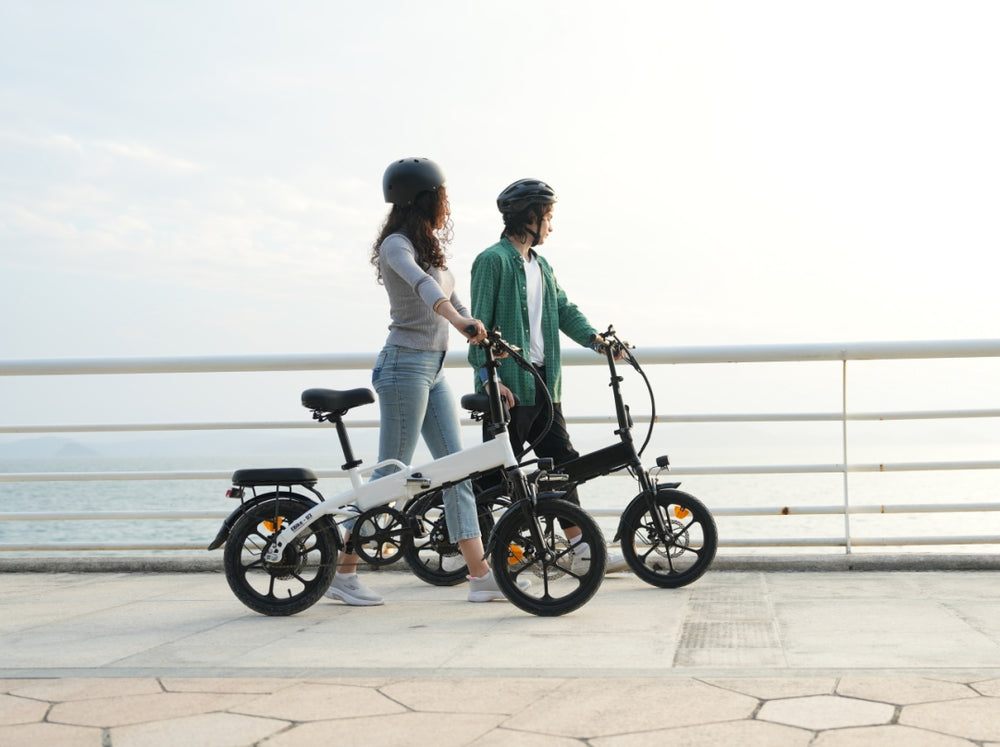
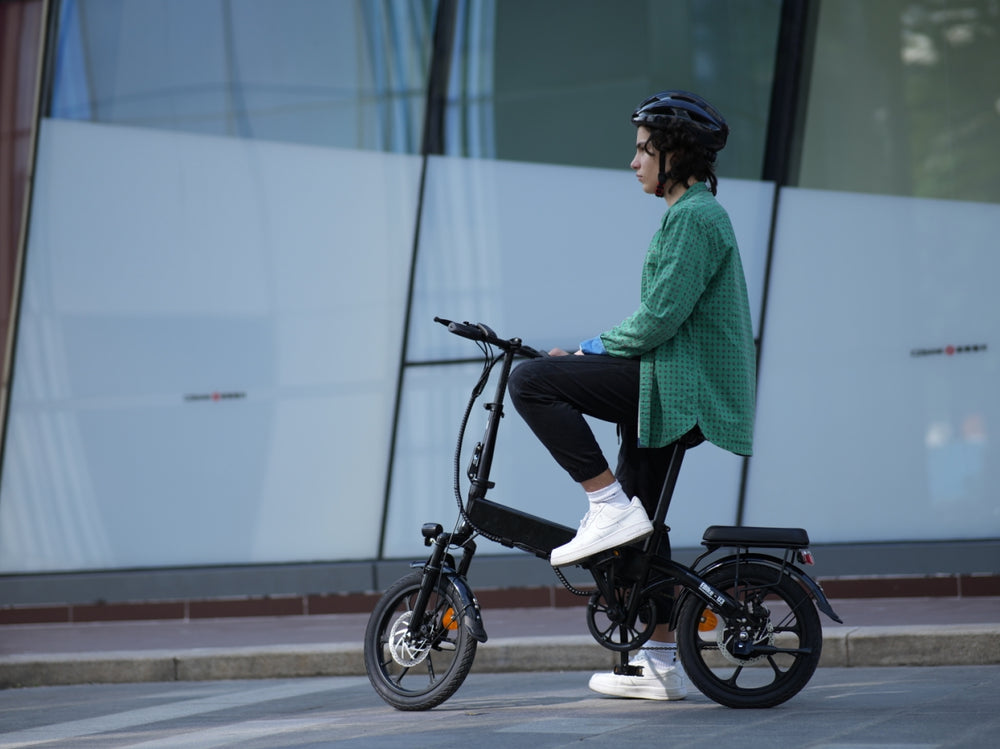
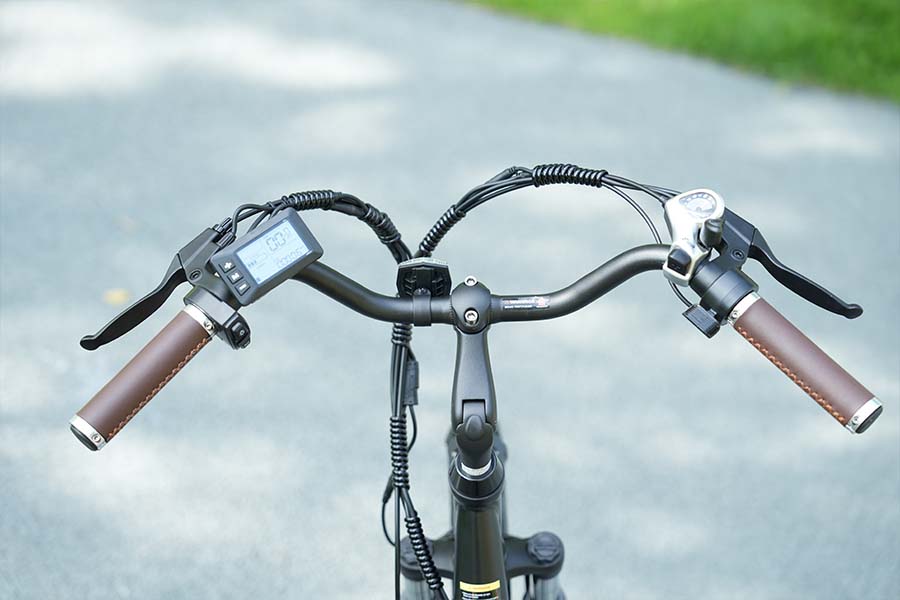
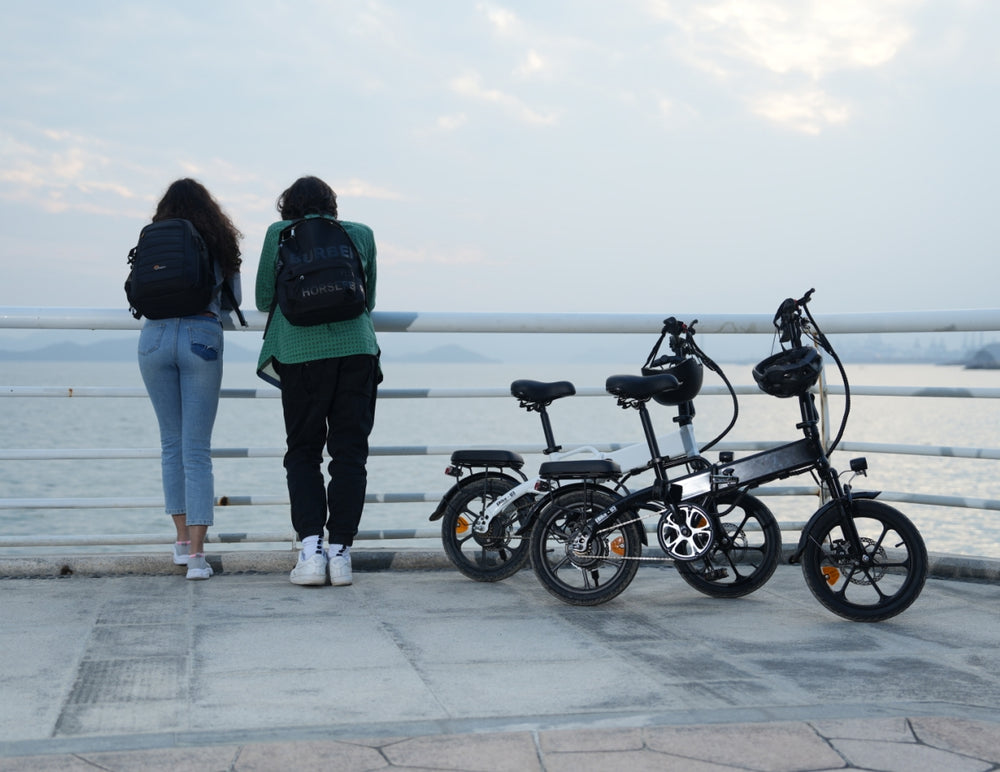
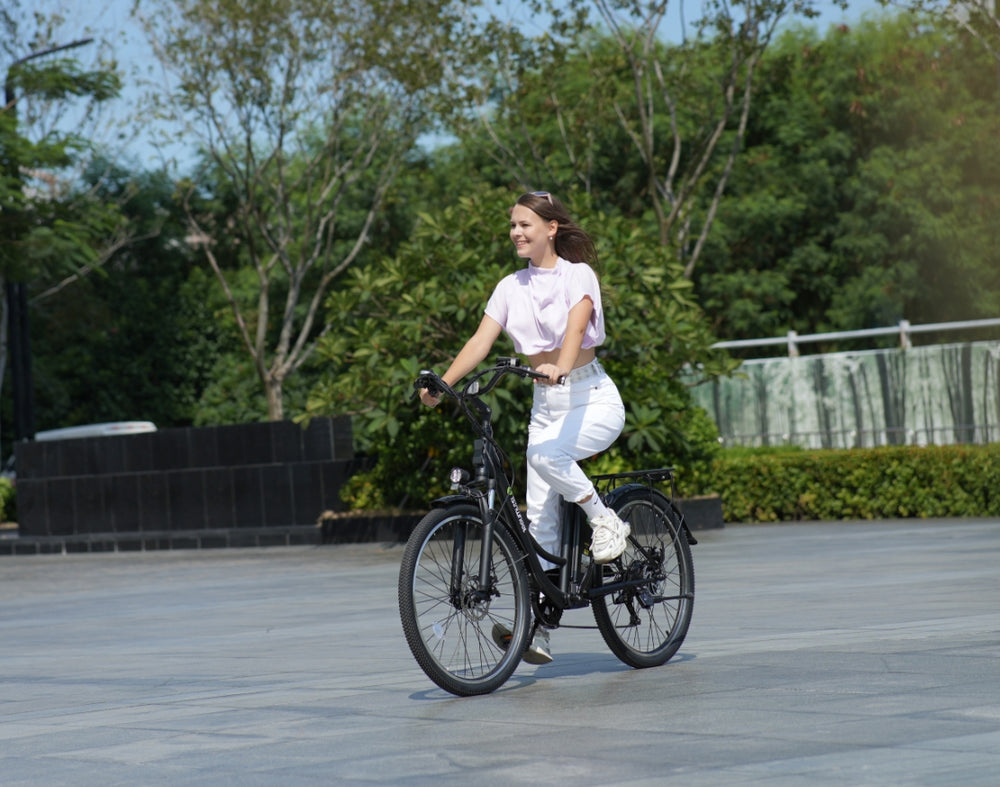
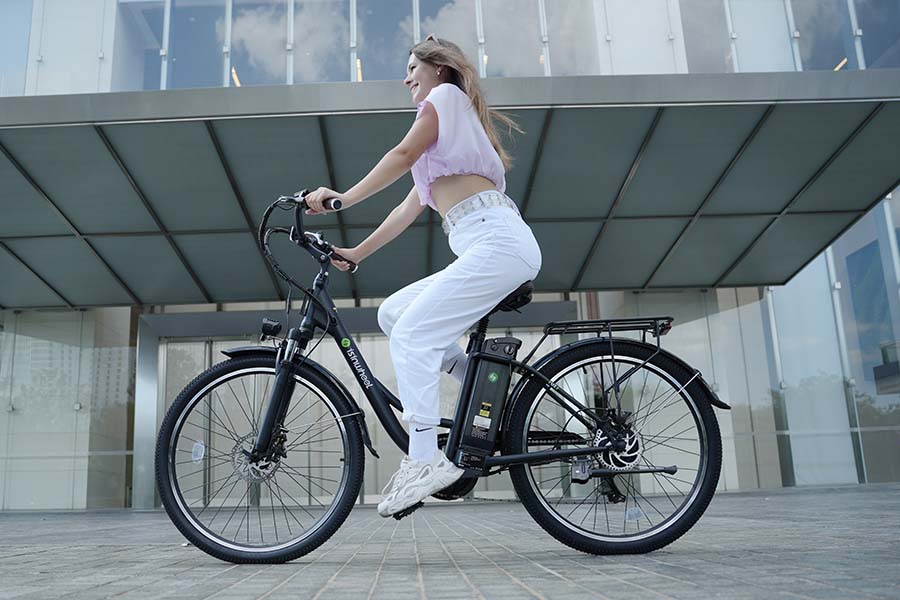
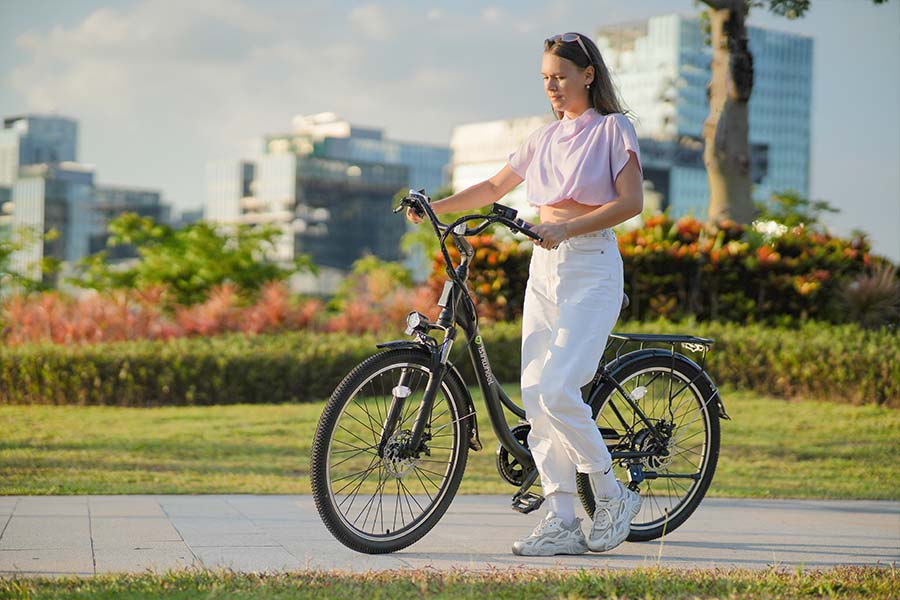
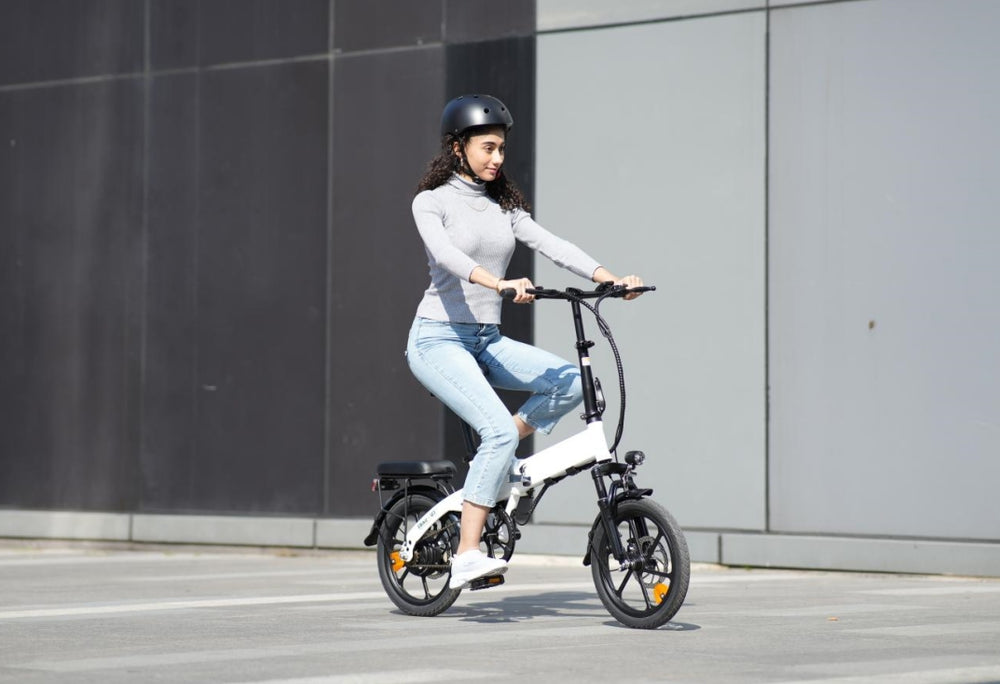
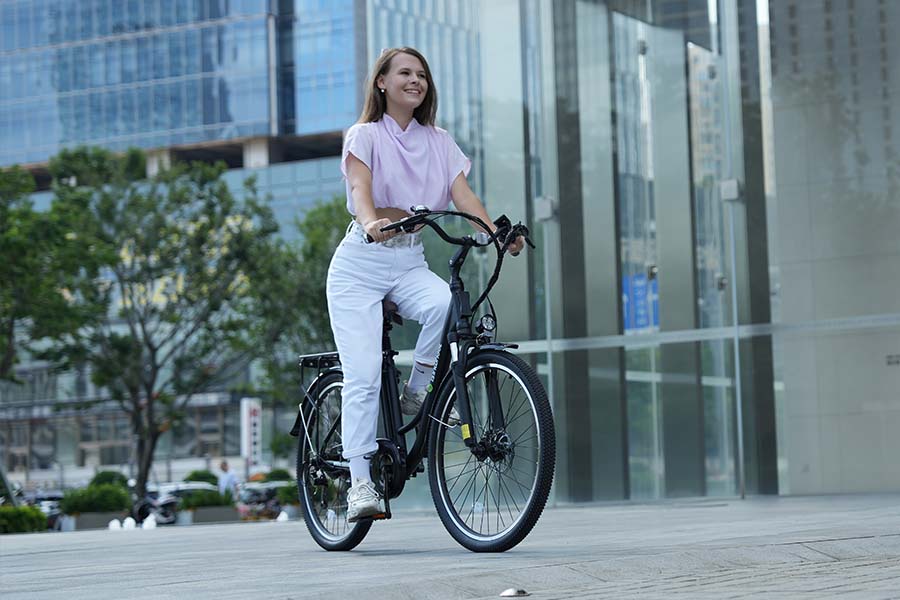
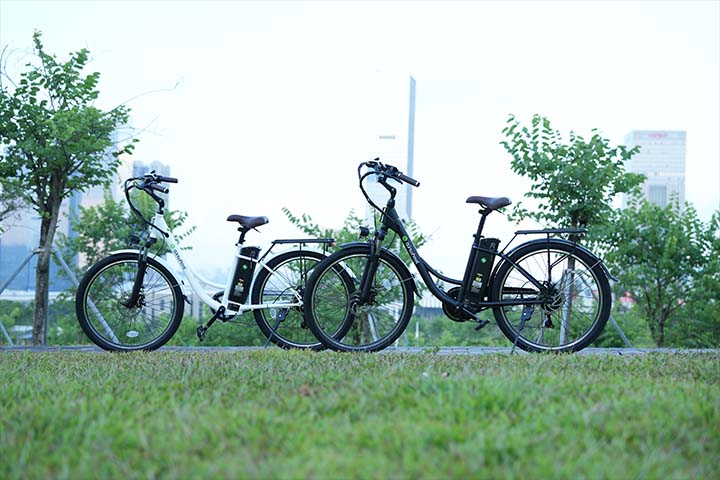
For riders looking to reduce effort and make daily travel more consistent in unpredictable UK spring weather, isinwheel e-bikes provide a reliable and comfortable option. Their mix of motor power, practical range, and commuter-focused designs makes them well suited to hills, headwinds, and longer journeys.
|
Images
|
|
|
|
|
|
|
|
Models
|
U1
|
U2
|
U3
|
M10
|
U4
|
UCity
|
|
Top Speed
|
20 MPH
|
20 MPH
|
18.6 MPH
|
21.7 MPH
|
19 MPH
|
20 MPH
|
|
Peak Power
|
500W
|
500W
|
500W
|
500W
|
500W
|
750W
|
|
Battery
|
36V 7.8Ah
|
36V 13Ah
|
36V 7.8Ah
|
36V 10.4Ah
|
36V 10.4Ah
|
36V 10.4Ah
|
|
Max Range
|
28 miles
|
65 miles
|
35 miles
|
60 miles
|
55 miles
|
55 miles
|
|
Speed (before unlock)
|
10/15/25 km/h
|
6/10/15/20/25 km/h
|
10/15/25 km/h
|
6/10/15/20/25 km/h
|
6/10/15/25 km/h
|
6/10/15/20/25 km/h
|
|
Speed (after unlock)
|
15/25/32 km/h
|
10/15/20/25/32 km/h
|
15/25/30 km/h
|
6/10/15/20/35 km/h
|
15/25/30 km/h
|
10/15/20/25/32 km/h
|
|
Brake System
|
front and rear disc brakes
|
mechanical brake
|
disc brakes
|
mechanical disc brakes
|
dual disc brakes
|
dual disc brakes
|
|
Max Load
|
120 kg
|
120 kg
|
120 kg
|
150 kg
|
120 kg
|
120 kg
|
|
Net Weight
|
23.2 kg
|
27 kg
|
23.3 kg
|
27kg
|
26.5 kg
|
28.4 kg
|
|
Suspension
|
Rear mid shock absorber
|
Front suspension
|
Adjustable front fork + comfort saddle
|
Hydraulic fork
|
Dual
suspension
|
Aluminum front fork
|
|
Max Climb
|
20%
|
37%
|
25%
|
20%
|
20%
|
20%
|
|
Tire Size
|
14×1.95"
|
26×1.95"
|
16×1.75"
|
26×1.95"
|
16×2.15"
|
26×1.95"
|
|
Tire Type
|
Pneumatic
|
Pneumatic
|
Pneumatic
|
Pneumatic
|
Pneumatic
|
Pneumatic
|
|
IP Rating
|
IPX4
|
IP65
|
IPX65
|
IPX5
|
IPX4
|
IPX4
|
|
Removable Battery
|
No
|
Yes
|
No
|
Yes
|
Yes
|
Yes
|
|
Rider Height
|
150–185 cm
|
160–192 cm
|
155–185 cm
|
160–190 cm
|
140–180 cm
|
150–192 cm
|
Conclusion
Spring commuting in the UK isn’t about perfect conditions — it’s about being prepared. A packable waterproof, adaptable clothing, good lights, and smart pacing can make even mixed-weather rides manageable and enjoyable.
Get your routine right now, and you’ll build consistency just as days grow longer and rides get easier. Spring isn’t an obstacle — it’s the perfect season to lock in the cycling habit.
FAQs
What is a reasonable commute to work in the UK?
A reasonable cycling commute in the UK is typically 3 to 8 miles (5–13 km) each way, which takes most riders between 15 and 40 minutes depending on fitness, traffic, and terrain. With an e-bike or good fitness, many commuters comfortably ride 10 miles or more, especially in cities with cycling infrastructure.
What to wear cycle commuting?
Wear breathable, moisture-wicking layers that can adapt to changing conditions. A base layer to manage sweat, a light mid-layer for warmth, and a windproof or waterproof outer layer work well in the UK’s variable weather. Padded shorts or cycling-friendly trousers improve comfort, while gloves, eye protection, and reflective details increase safety.
What to wear for a winter bike commute?
For winter commuting, focus on warm layers and weather protection. Use a thermal base layer, insulating mid-layer, and a waterproof, windproof jacket. Thermal tights, warm gloves, thick socks, and shoe covers help protect extremities, which get cold first. Visibility is also key, so wear reflective clothing and use strong lights.
What is the 75 rule in cycling?
The “75 rule” in cycling is an informal guideline suggesting you ride at about 75% of your maximum effort for endurance and commuting. This pace helps you build fitness and cover distance efficiently without overexerting yourself, reducing sweat and fatigue — ideal for arriving at work feeling fresh rather than exhausted.





























Leave a comment