Spring weather commuting tips for electric scooter riders are especially important in the UK, where damp roads, light rain, and post-winter potholes can affect safety and performance. While the season brings longer days and milder temperatures, it also creates reduced tyre grip, longer braking distances, and fluctuating battery range.
For safe electric scooter commuting in spring, UK riders need to adapt their braking, visibility, and maintenance habits. This guide shares practical tips to help you ride confidently, protect your scooter, and handle unpredictable spring weather conditions with ease.
Why Spring Weather Affects Electric Scooter Commuting in the UK
Spring in the UK brings damp roads, light rain, cooler mornings, and post-winter road damage that directly impacts electric scooter for commuting in spring UK conditions. Wet weather scooter riding reduces tyre grip on asphalt, painted markings, and metal covers, increasing stopping distances and the risk of skidding. Potholes, cracked tarmac, and loose debris can further affect balance and stability, especially on uneven surfaces.
At the same time, colder mornings may reduce battery efficiency and lower real-world range. Busier streets and changing light conditions also require better visibility and smoother braking control. Adapting to these seasonal factors helps ensure safer and more reliable electric scooter commuting in spring UK weather.
10 Essential Spring Weather Commuting Tips for Electric Scooter Riders
Spring weather commuting tips for electric scooter riders are especially important in the UK, where damp roads, light drizzle, potholes, and cooler mornings can all affect safety and performance. Electric scooter commuting in spring UK conditions requires small but important adjustments to braking, speed, visibility, and maintenance.
Use the tips below to ride more safely, extend battery efficiency, and protect your scooter during unpredictable spring weather.
1. Brake Earlier and More Gradually
Wet roads significantly increase stopping distances. In spring conditions, always begin braking earlier than you would on dry pavement. Apply steady, progressive pressure rather than squeezing the brakes suddenly, as abrupt braking can cause loss of traction. Smooth deceleration keeps both wheels stable and reduces the chance of skidding on damp asphalt.
2. Avoid Painted Lines and Metal Covers
Painted road markings, cycle lane symbols, pedestrian crossings, drain covers, and utility plates become extremely slippery when wet. These surfaces offer far less grip than standard tarmac. When possible, adjust your riding line slightly to avoid crossing them — especially when braking or turning. Even experienced riders can lose traction quickly on these surfaces during wet weather scooter riding.
3. Reduce Speed in Corners
Cornering on wet pavement reduces tyre grip, increasing the risk of sliding. Always slow down before entering a turn rather than braking mid-corner. Keep your body relaxed and centred, and avoid sharp steering inputs. Controlled cornering is one of the most important skills for safe electric scooter commuting in spring UK weather.
4. Check Tyre Pressure Weekly
Temperature fluctuations during spring can affect tyre pressure. Incorrect pressure reduces grip, increases braking distance, and affects overall handling. Check your tyre pressure at least once a week and adjust it according to the manufacturer’s recommended range. Properly inflated pneumatic tyres improve traction, comfort, and stability on uneven roads.
5. Choose Pneumatic Tyres for Better Grip
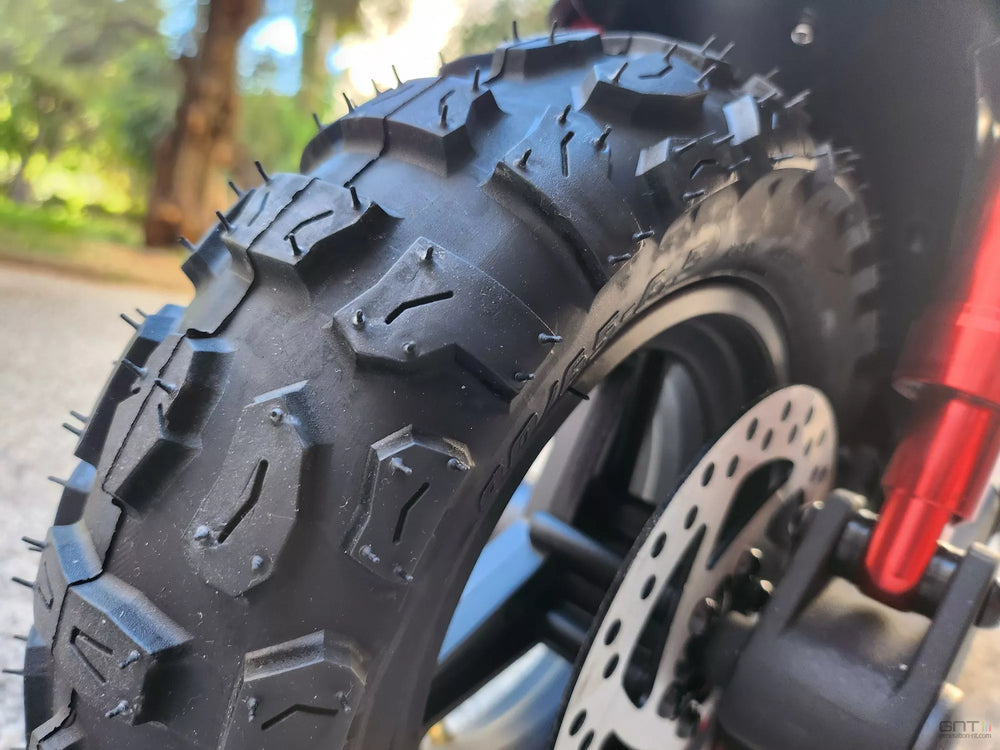
If you regularly commute in damp conditions, pneumatic (air-filled) tyres provide better shock absorption and traction than solid tyres. They conform slightly to the road surface, improving contact and grip on wet pavement. Deeper tread patterns also help disperse surface moisture, making them a safer option for spring electric scooter commuting.
6. Store Your Battery Indoors Overnight
Cool spring mornings can reduce battery efficiency and cause a noticeable drop in real-world range. Storing your scooter or removable battery indoors overnight in a dry, moderate-temperature space helps maintain consistent performance. A warm battery performs more efficiently and supports reliable commuting distances.
7. Increase Following Distance
Wet roads require more reaction time. Maintain a larger gap between you and vehicles, cyclists, or pedestrians ahead. This extra space compensates for longer braking distances and gives you time to respond calmly to sudden stops or unexpected obstacles.
8. Use High-Visibility Clothing
Spring skies in the UK are often overcast, and visibility can drop quickly during light rain. Wearing reflective or bright outer layers makes you more noticeable in traffic and shared lanes. Increased visibility reduces collision risk and improves overall safety during electric scooter commuting in spring UK conditions.
9. Keep Lights On — Even in Daylight
Daytime riding does not guarantee clear visibility. Grey skies, shaded streets, and sudden showers can make riders less visible to others. Keeping your front and rear lights on throughout your commute enhances your presence on the road and helps other road users detect your movement earlier.
10. Clean and Dry Your Scooter After Wet Rides
Rainwater, grit, and road grime can accumulate around braking components and moving parts. After riding in wet conditions, wipe down your scooter, especially around the wheels and brake areas. Regular cleaning prevents corrosion, maintains braking performance, and extends the lifespan of your scooter during the spring season.
Best Electric Scooter Features for Spring Weather Commuting
Choosing the right scooter for electric scooter commuting in spring UK conditions is essential for safety and reliability. Damp roads, light rain, potholes, and cooler temperatures affect tyre grip, braking, battery performance, and overall control. Focusing on water resistance, tyre type, braking, suspension, and realistic battery range ensures safer and smoother wet weather scooter riding.
Water Resistance (IP Rating Explained)
Spring in the UK often brings drizzle, puddles, and road spray. A scooter’s IP rating shows how well it resists water and dust. IP54 handles light rain and splashes, IP55 offers stronger protection, and IP66 provides heavy water resistance. Adequate water resistance protects electronics and keeps your scooter reliable during wet weather scooter riding.
Pneumatic Tyres vs Solid Tyres
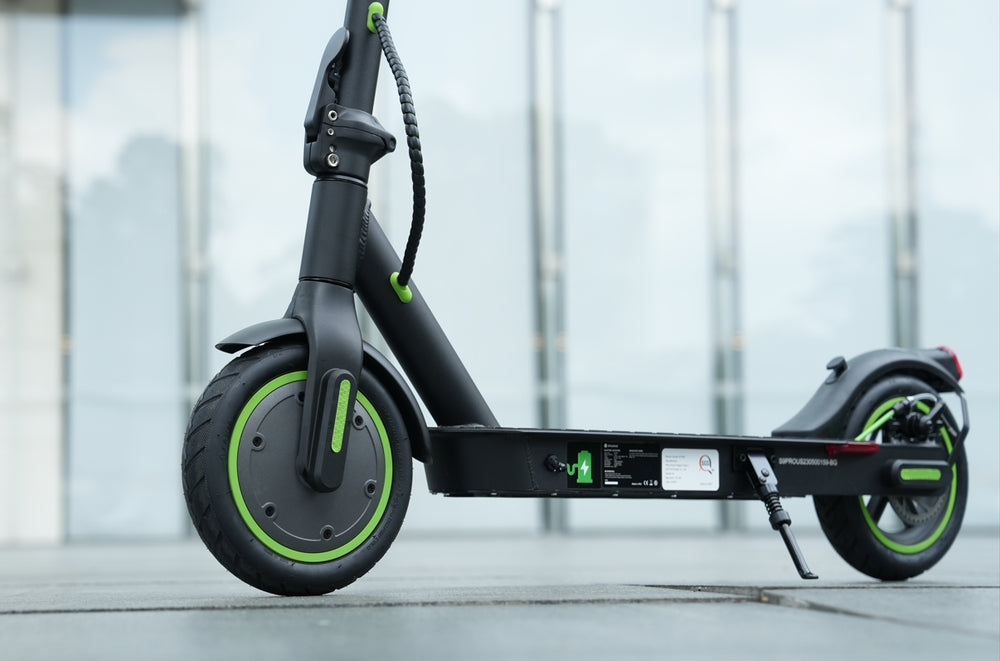
Tyres directly affect traction and comfort. Pneumatic tyres flex with the road, providing better grip on wet pavement and absorbing shocks from potholes. Solid tyres need less maintenance but offer reduced control. For spring electric scooter commuting in the UK, pneumatic tyres with good tread are safer and more stable on damp surfaces.
Reliable Braking Systems
Wet roads increase stopping distances, making dependable brakes essential. Disc brakes offer strong, consistent stopping power, drum brakes are low-maintenance but slightly less responsive, and electronic braking assists deceleration when paired with mechanical brakes. A reliable braking system improves control and safety during spring commuting.
Suspension for Pothole Protection
Post-winter roads often have potholes and cracks. Suspension systems absorb shocks, maintain tyre contact, and improve ride comfort. For UK spring commuting, front or dual suspension enhances stability and makes daily rides smoother over uneven surfaces.
Realistic Battery Range
Advertised battery ranges are often optimistic. Hills, stop-start traffic, rider weight, and cooler mornings can reduce performance. Choosing a scooter with extra range ensures consistent, stress-free commuting in spring UK weather, keeping you confident during daily rides.
This combination of features makes spring weather electric scooter commuting safer, more reliable, and comfortable across UK roads.
What to Wear for Spring Electric Scooter Commuting
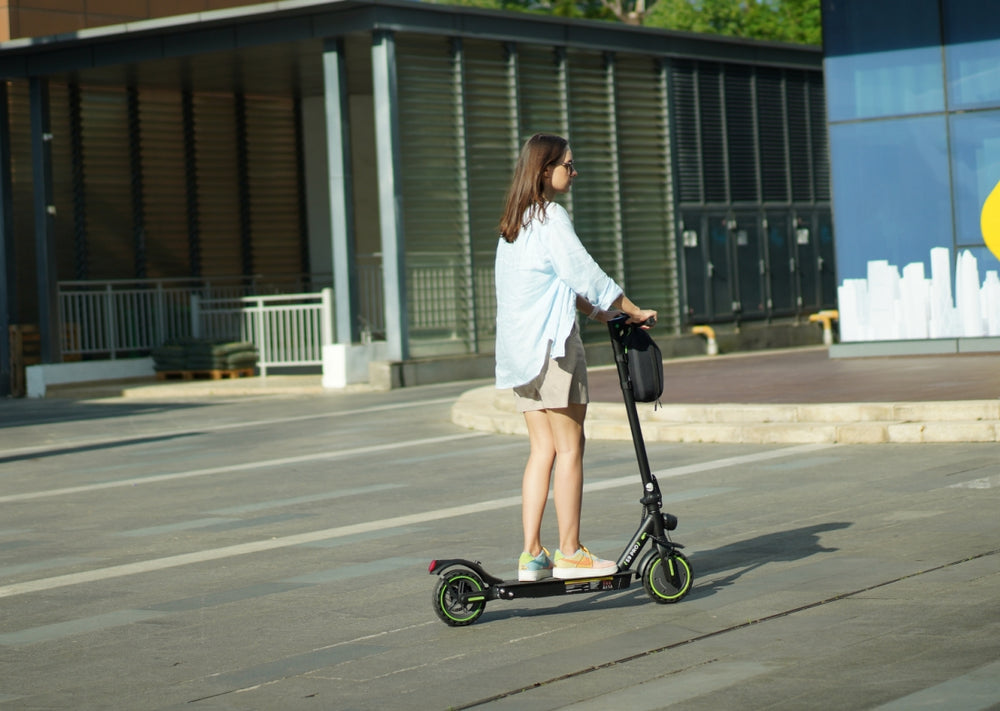
For safe and comfortable electric scooter commuting in spring UK weather, wearing the right gear is essential. Waterproof but breathable jackets keep you dry during drizzle without overheating, while reflective elements improve visibility in low-light conditions.
Gloves provide warmth and maintain a secure grip on cold mornings, and a well-fitted helmet with reflective features enhances safety in busy streets. Combining these layers and protective gear ensures confident, safe, and efficient spring electric scooter commuting.
How to Maintain Your Electric Scooter During Spring
Proper maintenance is essential for safe and reliable electric scooter commuting in spring UK conditions. Regular care protects your scooter from wet roads, potholes, and temperature fluctuations. Here’s a practical spring maintenance guide:
-
Weekly Maintenance Checklist: Inspect tyres, brakes, lights, and folding mechanisms each week. Regular checks help spot wear or issues early, keeping your scooter in optimal condition.
-
Cleaning After Rain: Remove dirt, mud, and moisture from the deck, wheels, and brakes after wet rides. This prevents corrosion and ensures smooth operation during spring electric scooter commuting.
-
Checking Brake Performance: Wet roads can affect stopping power. Regularly test and clean discs, pads, and mechanical components to maintain consistent braking and safety on slippery surfaces.
-
Battery Care in Variable Temperatures: Cold or damp spring mornings can reduce battery efficiency. Store your battery indoors overnight and avoid exposure to extreme conditions to preserve real-world range and battery lifespan.
Following these steps helps keep your scooter safe, reliable, and ready for daily electric scooter commuting in spring UK weather.
Best isinwheel Electric Scooters for Spring Weather Commuting
isinwheel electric scooters are designed for safe and reliable spring weather commuting in the UK. With features like water-resistant electronics, pneumatic tyres for wet roads, strong suspension for potholes, and realistic battery ranges, these scooters are ideal for daily electric scooter commuting in spring UK conditions. They offer a balance of comfort, stability, and performance, making wet weather scooter riding easier and safer.
|
Images
|
|
|
|
|
|
|
|
|
|
|
|
Feature
|
S9 Pro
|
S9 Max
|
S10 MAX
|
GT1
|
M2
|
GT2
|
Landturbo Pro
|
H7 Pro
|
GT4
|
S-Nova Pro
|
|
Motor Power
|
350 W
|
500 W
|
1000 W
|
800 W
|
1000 W
|
1200 W
|
1250 W
|
1000 W
|
2400 W
|
1000 W
|
|
Range
|
30 km
|
40 km
|
60–70 km
|
45 km
|
50 km
|
60 km
|
70 km
|
70 km
|
80 km
|
61 km
|
|
Top Speed
|
30 km/h
|
35 km/h
|
45 km/h
|
45 km/h
|
45 km/h
|
45 km/h
|
50 km/h
|
60 km/h
|
72 km/h
|
45 km/h
|
|
Battery
|
36 V 7.5 Ah
|
36 V 10 Ah
|
54.6 V 15.6 Ah
|
48 V 10 Ah
|
48 V 12.5 Ah
|
48 V 15 Ah
|
48 V 15.6 Ah
|
48 V 18.2 Ah
|
58.8 V 18.2 Ah
|
48 V 13 Ah
|
|
Charging Time
|
3–4 h
|
3–6 h
|
6–7 h
|
4–5 h
|
5–6 h
|
5–7 h
|
6–7 h
|
3–4 h
|
6–7 h
|
5–6 h
|
|
Max Load
|
100 kg
|
120 kg
|
150 kg
|
150 kg
|
200 kg
|
150 kg
|
150 kg
|
150 kg
|
150 kg
|
330 lbs
|
|
Net Weight
|
13.8 kg
|
15.6 kg
|
22.1 kg
|
23.8 kg
|
22 kg
|
22.5 kg
|
27.3 kg
|
46.3 kg
|
33.4 kg
|
27.4 kg
|
|
Suspension
|
Dual
|
Quad
|
Front + Rear
|
Front Fork + Rear
|
Quad
|
Dual
|
Dual Swingarm
|
Oil + Dual Rear Springs
|
Dual Swingarm + Hydraulic
|
Front Swingarm + Rear Dual-Spring
|
|
Tires
|
8.5″ pneumatic
|
10″ pneumatic
|
10″ off-road
|
10″ off-road
|
10″ off-road
|
11″ off-road
|
10″ × 2.75″
|
4″ wide snow tires
|
12″ × 2.75″ Tubeless Off-Road
|
10″ pneumatic
|
|
Brakes
|
EBAS + Disc
|
EBAS + Disc
|
Dual Disc + Elec
|
Dual Disc + Elec
|
Dual Disc + EABS
|
Dual Disc + Elec
|
Dual Disc + EABS
|
Triple (Disc + Elec)
|
Dual Hydraulic Disc Brakes
|
Front & Rear Disc + Hidden Electronic
|
|
IP Rating
|
IP54
|
IP54
|
IP54
|
IPX4
|
IPX4
|
IP54
|
IP54
|
IPX5
|
IP54 (Body), IPX7 (Battery)
|
IP54
|
|
Climbing Ability
|
20 %
|
20 %
|
35 %
|
30 %
|
25 %
|
35 %
|
30 %
|
40 %
|
50 %
|
30 %
|
Conclusion
Spring electric scooter commuting in the UK requires smarter riding, not faster riding. Wet surfaces, cooler mornings, and uneven roads all demand better braking control, proper tyre maintenance, and improved visibility.
By following these spring weather commuting tips for electric scooter riders, you can stay safe, extend battery performance, and enjoy smoother daily journeys throughout the season.























Leave a comment