Spring Riding Guide for Beginners UK
Spring is the perfect season to get back on your bike and enjoy the fresh air, longer daylight, and beautiful blooming landscapes across the UK. If you’re new to cycling—or returning after a winter break—preparing your bike and planning your rides is key to a safe and enjoyable start.
This spring riding guide for beginners in the UK covers everything you need to know: from essential bike maintenance and safety checks to choosing beginner-friendly routes and building stamina. Follow these expert tips, and you’ll be ready to make the most of the UK’s spring cycling season while staying safe, comfortable, and confident on every ride.
Prepare Your Bike for Spring
Getting your bike ready after winter is the first step to enjoying a safe and fun spring cycling season. Even if your bike has been stored indoors, months of dust, grime, and damp UK conditions can affect performance. Taking time to clean, inspect, and maintain your bike helps ensure smoother rides, better reliability, and fewer unexpected repairs as you start cycling more regularly.
Basic Cleaning and Inspection
Winter riding and storage can leave mud, road grit, and moisture on your bike, which may lead to corrosion if ignored. A thorough clean improves performance and extends the life of components. Use mild soapy water, a soft sponge, and a small brush to remove dirt from the frame, wheels, and drivetrain.
After washing, dry the bike with a clean cloth and carefully inspect the frame, rims, and key components for scratches, rust, cracks, or other damage that could affect safety. A clean bike also makes future maintenance quicker and easier.
Check and Inflate Tires
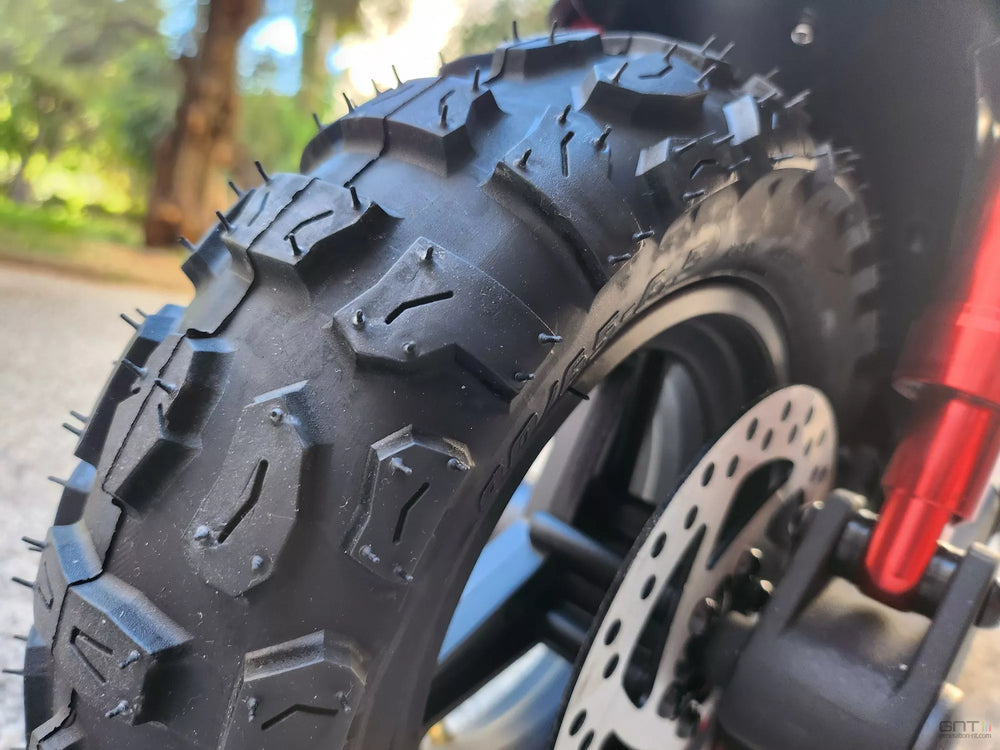
Bike tyres naturally lose air over time, and after winter storage they may also develop flat spots, cracks, or worn tread. Inspect each tyre closely for damage or excessive wear and replace them if they look unsafe. Inflate your tyres to the recommended pressure, typically around 2–3 bar for many road bikes, with adjustments depending on hybrid or commuter models. Using a floor pump with a pressure gauge helps you inflate accurately, which improves grip, comfort, and efficiency while reducing the risk of punctures on UK roads.
Lubricate Your Chain and Drivetrain
A clean, well-lubricated chain is essential for smooth pedalling and protecting your gears. Old oil can thicken over winter and attract dirt, leading to poor shifting and faster wear. Degrease the chain using a cloth or brush to remove built-up grime, then apply a light dry lube or wax that suits drier spring conditions.
While doing this, check the chain for signs of wear or stretching and replace it if necessary to avoid damaging the cassette or chainrings. Proper drivetrain care makes riding feel easier and keeps your bike running quietly.
Brake and Gear Check
Brakes and gears are critical for safety, especially for beginners getting back on the road in spring. Test your brake pads, cables, or hydraulic systems to ensure strong and responsive stopping power, particularly as early spring roads in the UK can still be wet or slippery. Shift through all gears and make sure changes are smooth and accurate, adjusting the derailleurs if needed. Fixing any squeaks, rubbing, or slow gear response before riding helps prevent accidents and gives you more confidence on every journey.
Inspect Accessories
Your safety also depends on the condition of your accessories. Check that your helmet is in good shape and still fits properly, and make sure lights, reflectors, and your bell are working as they should. Early spring often brings changeable light and weather, so reliable lights are important. Carry a pump, spare inner tube, and a basic multitool so you are prepared for minor issues on the road. Having these essentials ready means you can focus on enjoying your ride rather than worrying about unexpected problems.
Essential Gear for Spring Riding
Using the right spring cycling gear in the UK helps beginners stay comfortable, safe, and confident as conditions change. With cooler mornings, mild afternoons, and the chance of rain, the right setup makes every ride more enjoyable and less tiring.
Clothing for Variable UK Weather
Layering is key for spring cycling. Start with a breathable, moisture-wicking base layer to keep sweat off your skin. Add a light mid-layer for warmth, and finish with a windproof or waterproof outer layer you can remove if temperatures rise. This system helps you stay comfortable throughout the ride.
A lightweight waterproof cycling jacket is a must in the UK, where showers can arrive unexpectedly. A packable jacket protects you from rain and road spray without adding bulk.
Cycling gloves keep your hands warm on chilly mornings and improve control on the handlebars. Proper cycling socks help keep feet dry and reduce rubbing. Clothing with reflective details or bright colours increases visibility in traffic and low-light conditions, which is important for safety.
Bike Setup for Comfort
A correct bike fit is one of the most important beginner cycling tips. Adjust your saddle height so your knee has a slight bend at the bottom of each pedal stroke. This improves pedalling efficiency and reduces strain on joints.
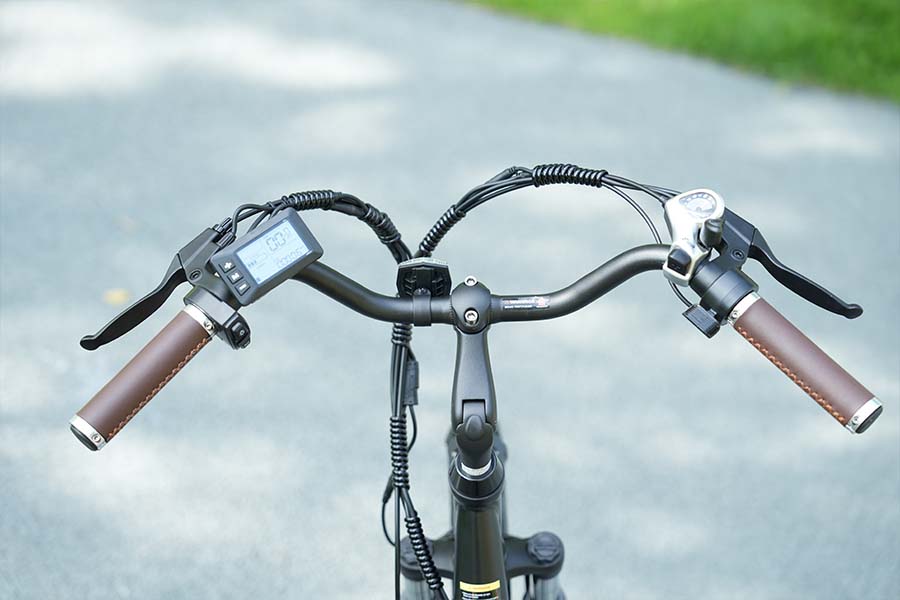
Position the handlebars so your back, neck, and shoulders feel relaxed rather than stretched or hunched. Comfortable posture allows you to ride longer without discomfort. Even small adjustments can make a noticeable difference.
Padded cycling shorts are highly recommended, especially for new riders. They reduce pressure and friction, making longer spring rides much more comfortable as your body adapts.
Optional Equipment
Mudguards or fenders are very useful for spring cycling in the UK, as roads often stay wet even after rain. They help keep water, grit, and mud off your clothes and bike components.
Cycling sunglasses protect your eyes from sunlight, wind, insects, and spring pollen. Clear vision improves both comfort and safety. While these items are optional, they can make riding in changeable spring conditions far more pleasant.
Plan Your First Rides
Planning your early outings carefully is an important part of any spring riding guide for beginners in the UK. Starting at the right level builds confidence, improves fitness safely, and helps you enjoy cycling rather than feeling exhausted or overwhelmed.
Start Small and Gradually Increase Distance
When returning to cycling or starting for the first time, it’s best to keep your pace comfortable and steady. Riding too fast or too far early on can lead to fatigue, sore muscles, and loss of motivation. Focus on being able to talk while riding, which is a good sign you’re not overexerting yourself.
Beginner-friendly distances usually range between 5 and 15 miles, depending on your fitness level and terrain. Flat routes are ideal at first, allowing your body to adapt. As your stamina improves, gradually increase distance or add gentle hills to build strength and endurance.
Choose Safe Routes in the UK
Selecting the right routes makes a big difference to your confidence and safety. Look for quiet roads, dedicated bike lanes, parks, canal paths, or traffic-free trails where you can ride without heavy traffic. These environments are less stressful and help you focus on handling your bike and enjoying the ride.
Route-planning apps like Komoot and Strava are useful for finding popular UK cycling routes suited to beginners. They show elevation, distance, and surface type, helping you avoid overly challenging terrain.
Ride With Friends or Groups
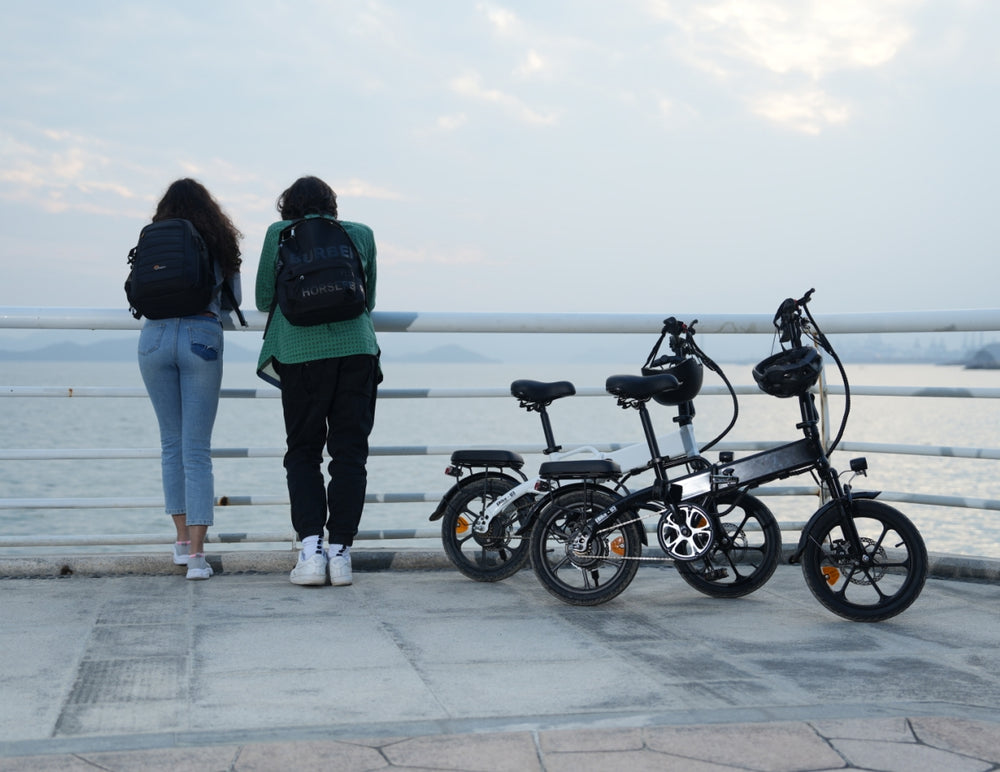
Cycling with others can make your first rides more enjoyable and motivating. Friends or local cycling groups provide encouragement, help you keep a steady pace, and make you feel more confident on the road. Riding with others can also improve safety, as drivers are more likely to notice a group.
The social side of cycling helps build a regular habit. Planning rides with others gives you something to look forward to and makes it easier to stay consistent as you develop your skills and fitness.
Spring Cycling Safety Tips
Staying safe on the road is essential for enjoying spring cycling, especially for beginners building confidence. Paying attention to visibility, road conditions, traffic rules, and your own physical needs will help you ride more safely and comfortably.
-
Wear a helmet and high-visibility clothing – A properly fitted helmet helps protect your head in case of a fall. Bright or reflective clothing makes you more visible to drivers, especially in low light, cloudy weather, or busy traffic.
-
Watch out for slippery surfaces and road hazards – Spring roads can be unpredictable, with wet leaves, mud, painted road markings, and puddles reducing grip. Potholes are also common after winter, so look ahead and steer smoothly to avoid sudden movements into traffic.
-
Follow the UK Highway Code for cyclists – Use clear hand signals, obey traffic lights and signs, and ride in a predictable position on the road. Understanding the rules improves your safety and helps you interact confidently with other road users.
-
Stay hydrated and fuelled – Even in cool weather, you lose fluids while cycling. Carry water on every ride and bring a small snack, such as a banana or energy bar, for longer trips to maintain energy and concentration.
Choose the Right isinwheel E-Bike for Your Spring Rides
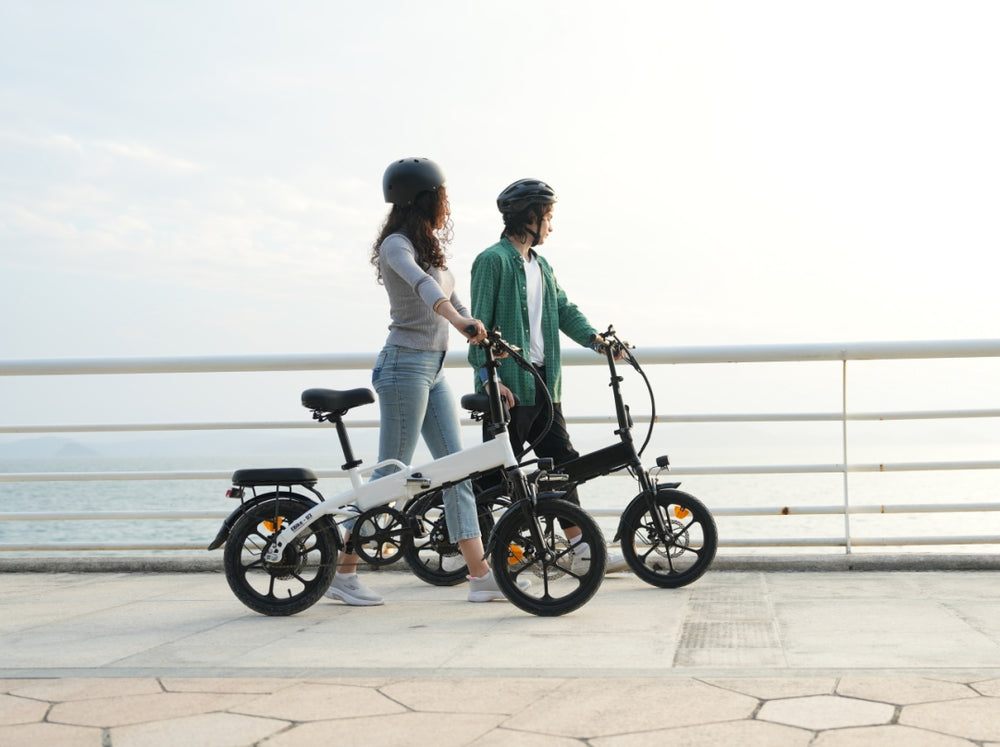
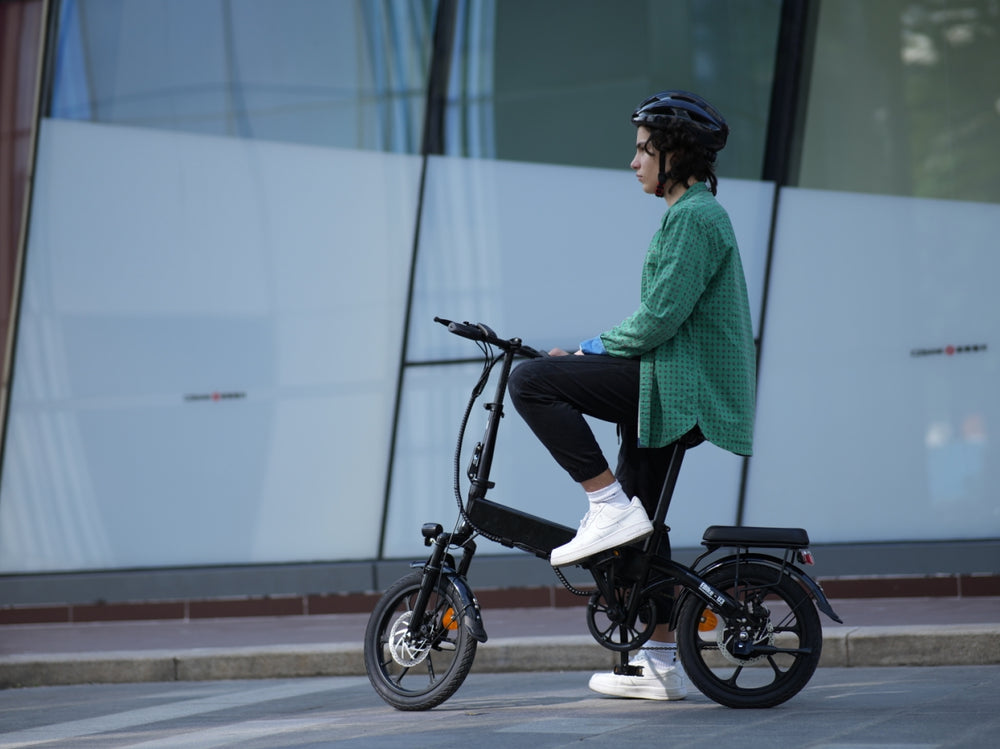
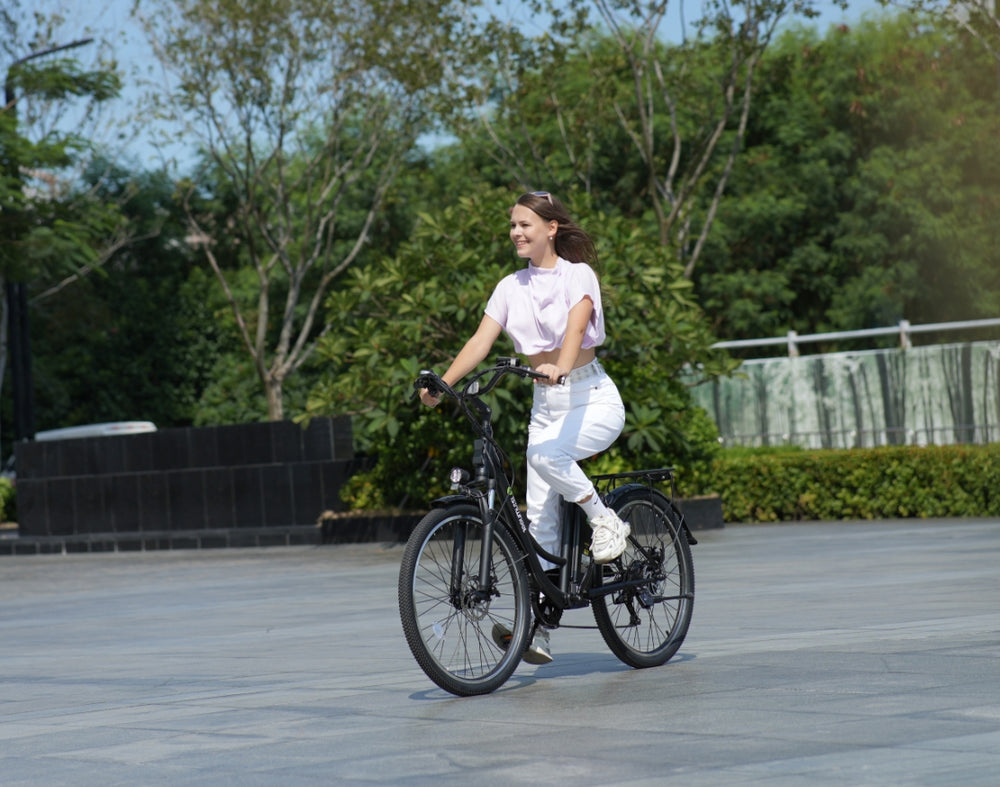
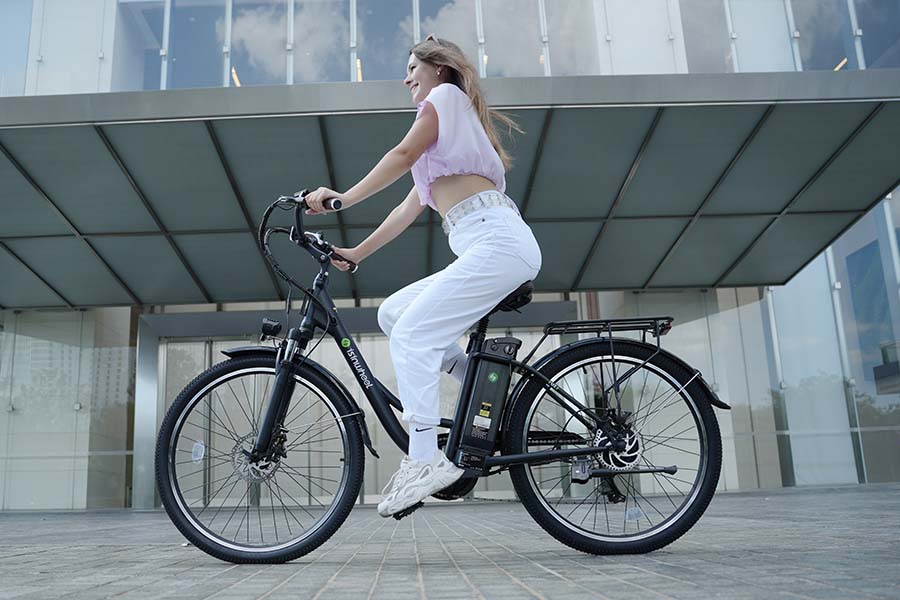
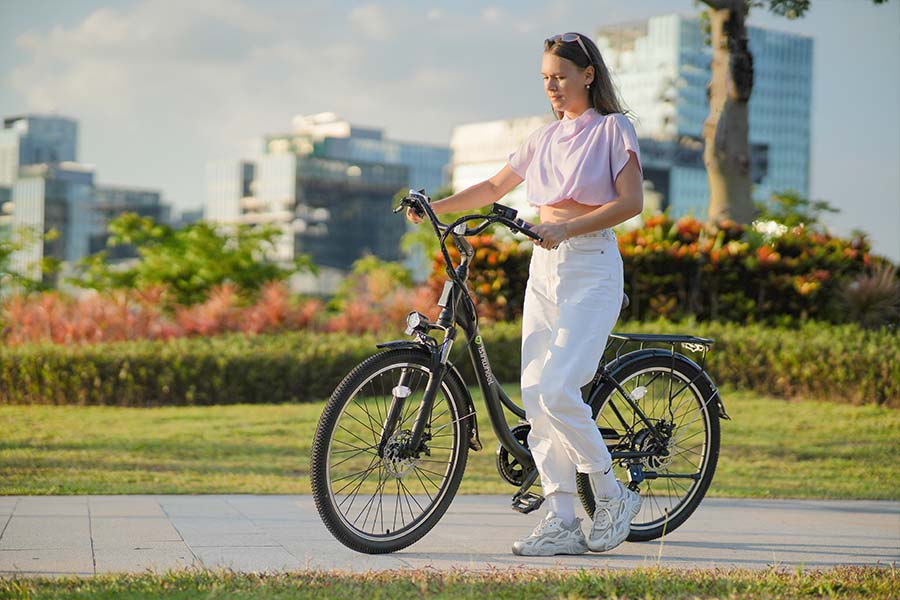
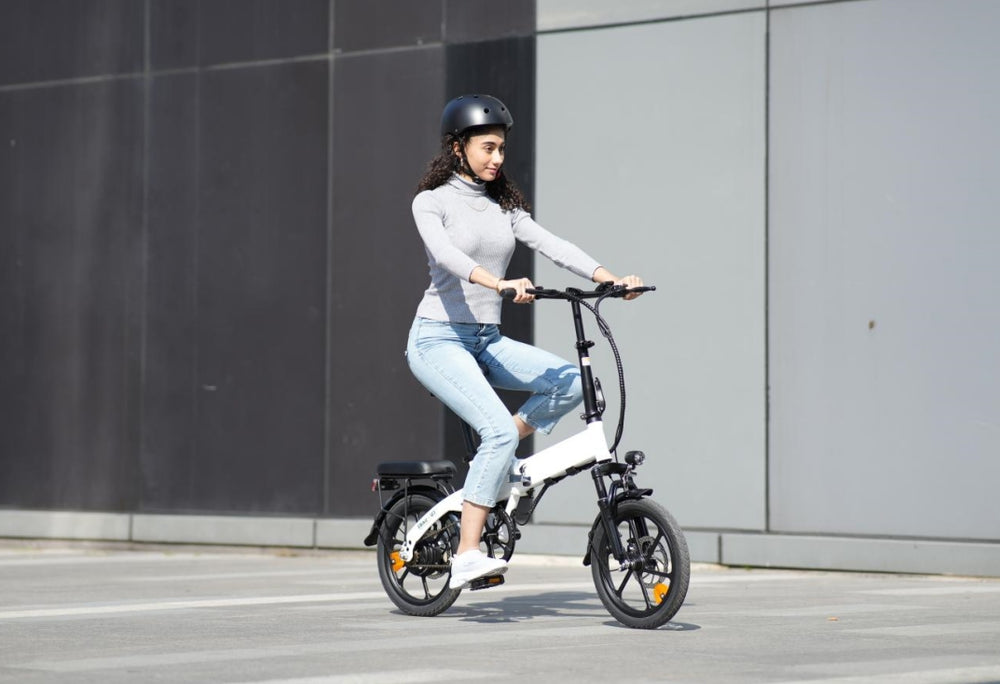
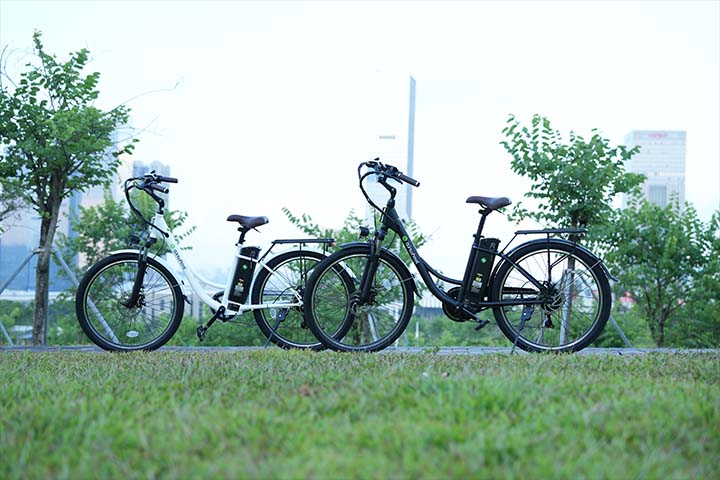
Finding the right bike is an important part of any spring riding guide for beginners UK, and an e-bike can make those first rides more comfortable and less intimidating. isinwheel offers a range of models suited to different rider heights, distances, and terrain, helping beginners enjoy longer rides with less effort while still building fitness.
|
Images
|
|
|
|
|
|
|
|
Models
|
U1
|
U2
|
U3
|
M10
|
U4
|
UCity
|
|
Top Speed
|
20 MPH
|
20 MPH
|
18.6 MPH
|
21.7 MPH
|
19 MPH
|
20 MPH
|
|
Peak Power
|
500W
|
500W
|
500W
|
500W
|
500W
|
750W
|
|
Battery
|
36V 7.8Ah
|
36V 13Ah
|
36V 7.8Ah
|
36V 10.4Ah
|
36V 10.4Ah
|
36V 10.4Ah
|
|
Max Range
|
28 miles
|
65 miles
|
35 miles
|
60 miles
|
55 miles
|
55 miles
|
|
Speed (before unlock)
|
10/15/25 km/h
|
6/10/15/20/25 km/h
|
10/15/25 km/h
|
6/10/15/20/25 km/h
|
6/10/15/25 km/h
|
6/10/15/20/25 km/h
|
|
Speed (after unlock)
|
15/25/32 km/h
|
10/15/20/25/32 km/h
|
15/25/30 km/h
|
6/10/15/20/35 km/h
|
15/25/30 km/h
|
10/15/20/25/32 km/h
|
|
Brake System
|
front and rear disc brakes
|
mechanical brake
|
disc brakes
|
mechanical disc brakes
|
dual disc brakes
|
dual disc brakes
|
|
Max Load
|
120 kg
|
120 kg
|
120 kg
|
150 kg
|
120 kg
|
120 kg
|
|
Net Weight
|
23.2 kg
|
27 kg
|
23.3 kg
|
27kg
|
26.5 kg
|
28.4 kg
|
|
Suspension
|
Rear mid shock absorber
|
Front suspension
|
Adjustable front fork + comfort saddle
|
Hydraulic fork
|
Dual
suspension
|
Aluminum front fork
|
|
Max Climb
|
20%
|
37%
|
25%
|
20%
|
20%
|
20%
|
|
Tire Size
|
14×1.95"
|
26×1.95"
|
16×1.75"
|
26×1.95"
|
16×2.15"
|
26×1.95"
|
|
Tire Type
|
Pneumatic
|
Pneumatic
|
Pneumatic
|
Pneumatic
|
Pneumatic
|
Pneumatic
|
|
IP Rating
|
IPX4
|
IP65
|
IPX65
|
IPX5
|
IPX4
|
IPX4
|
|
Removable Battery
|
No
|
Yes
|
No
|
Yes
|
Yes
|
Yes
|
|
Rider Height
|
150–185 cm
|
160–192 cm
|
155–185 cm
|
160–190 cm
|
140–180 cm
|
150–192 cm
|
Conclusion
Cycling in spring is the perfect way to stay active, explore the UK countryside, and enjoy the season’s vibrant scenery. By following this spring riding guide for beginners in the UK, you can prepare your bike, check your gear, and start with safe, manageable rides that build confidence and enjoyment.
Remember, consistent practice, proper maintenance, and smart route planning will make your spring cycling experience safe, fun, and rewarding. So get ready, hop on your bike, and make this spring your best riding season yet!




























Leave a comment