Spring might seem like the perfect season to bike to work, but for city riders it’s the most unpredictable time of year. Cold mornings, warm afternoons, gusty streets, and sudden rain showers can make a simple commute feel complicated fast.
That’s why these spring cycling tips for urban commuters focus on smart layering, adaptable clothing, and a few key essentials. With the right approach, you can stay dry, comfortable, and work-ready — no matter what the weather does between home and the office.
Why Spring Cycling Is Different for Urban Commuters
Urban spring bike commuting is more demanding than other seasons because conditions can change fast — sometimes within the same day. Temperature swings during commute hours mean riders often face cold mornings and much warmer rides home, making smart layering essential.
City streets also create strong wind between buildings, which can make mild days feel colder. Add in stop-and-go riding at traffic lights and intersections, and sweat builds up quickly — followed by rapid cooling when you stop.
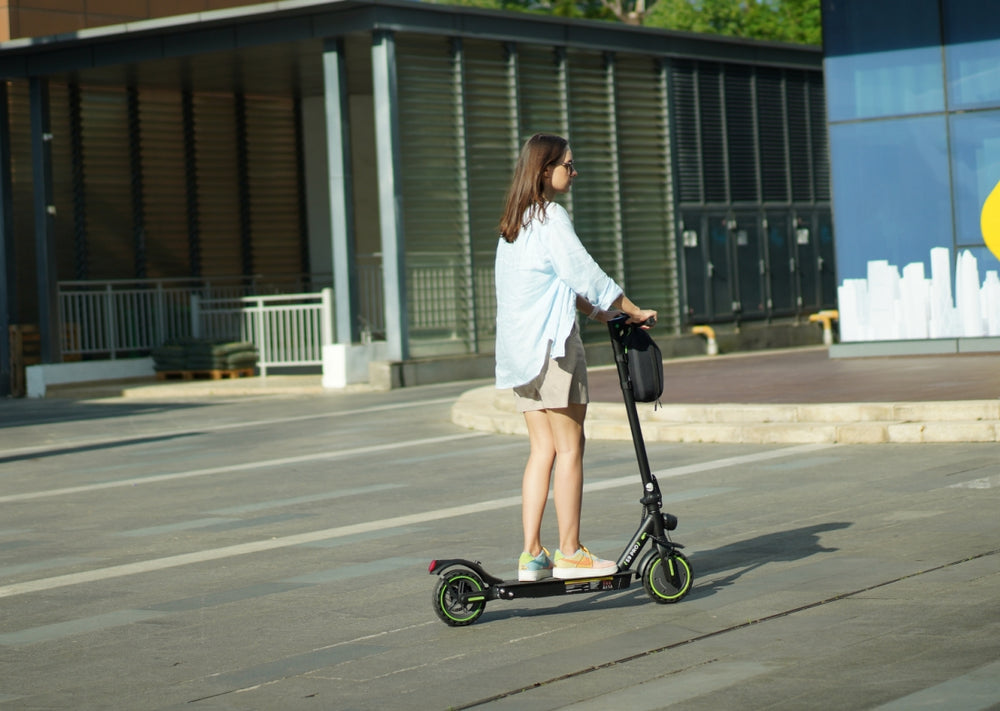
Urban cyclists also have the added pressure of needing to arrive at work looking presentable, so clothing has to balance performance with everyday style. On top of that, spring typically brings frequent rain showers, making lightweight waterproof gear a key part of any commuter setup.
The #1 Rule of Spring Cycling for Urban Commuters — Layering
Among all spring cycling tips for urban commuters, layering is the most important. Spring weather in the city is highly unpredictable, with cold mornings, warmer afternoons, gusty streets, and sudden rain showers all happening in a single commute day. A well-planned layering system allows riders to regulate body temperature, manage sweat, and stay comfortable without resorting to heavy winter clothing that quickly becomes too warm.
Base Layer Tips for Spring Urban Cycling
A reliable spring cycling base layer forms the foundation of comfort during urban bike commuting in spring. Its primary role is moisture management, pulling sweat away from the skin so you don’t feel damp and chilled when you stop at traffic lights or reduce effort. This becomes especially important in city riding, where frequent stops can cause rapid cooling.
A commuting base layer made from merino wool is a strong option for office riders because it is breathable, regulates temperature well, and naturally resists odors, which is helpful when shower facilities are limited. Synthetic base layers, on the other hand, dry more quickly and are better suited to commuters who ride at higher intensity or sweat more. Short-sleeve base layers work well on mild days or for harder efforts, while long-sleeve versions provide added warmth for cool spring mornings.
Mid-Layer Tips for City Bike Commutes
For riders wondering what to wear cycling in spring city conditions, the mid-layer provides adaptable warmth between the base and outer layers. This piece helps trap body heat without causing overheating and is particularly useful when temperatures sit between winter cold and summer warmth.
Light sweaters, hoodies, or long-sleeve tops are effective choices, as long as they allow freedom of movement for stop-and-go riding. Breathability remains important to prevent excess sweat build-up. Urban commuters, whether riding a traditional bike or an electric commuter bike, benefit most from mid-layers that resemble normal everyday clothing, making it easy to transition from the bike to the office or errands without needing a full outfit change.
Outer Layer Tips: Wind & Rain Protection
A dependable spring cycling jacket for commuting protects against wind and rain, the two most common challenges of spring riding. A lightweight, packable rain shell is ideal because it can be carried daily without taking up much space. Windproof materials are essential for early morning rides and breezy streets between buildings, where airflow can make temperatures feel much colder.
Water-resistant or waterproof fabrics help keep riders dry during unexpected showers, while reflective details improve visibility in traffic-heavy urban environments. The jacket should also be easy to remove and store once you warm up, allowing you to adapt quickly as conditions change. Using this three-layer approach ensures urban commuters can handle variable spring weather while staying dry, comfortable, and work-ready.
What to Wear for Spring Cycling Based on Temperature
Choosing the right outfit for the temperature is one of the most practical spring cycling tips for urban commuters. Since conditions often change between morning and evening, your clothing should be flexible and easy to adjust.
-
Cold Morning Commute
A long-sleeve base layer wicks moisture and keeps your core warm, while a light mid-layer adds insulation. A windproof jacket protects against chilly air and gusty streets, and lightweight gloves improve comfort and control.
-
Mild Spring Ride
A breathable base layer is usually enough once you warm up. Pair it with a light mid-layer or vest for adaptable warmth that won’t cause overheating during stop-and-go city riding.
-
Warm Afternoon Return
A short-sleeve top keeps you cool on the ride home. Still, carry a packable rain or wind shell, as spring weather can change quickly.
Dressing this way helps urban commuters stay comfortable, dry, and prepared for shifting spring conditions.
Spring Cycling Tips for Urban Commuter Bottoms
Choosing the right lower-body clothing is an important part of practical spring cycling tips for urban commuters. The goal is to balance comfort on the bike with a look that still works off it, especially for riders heading to work or meetings.
-
Stretch jeans or travel pants
Flexible fabrics allow a full range of motion while pedaling and feel comfortable during stop-and-go city riding. Travel-style trousers designed for movement are especially useful for daily urban bike commuting in spring.
-
Avoid wide-leg trousers
Loose or flared legs can get caught in the chain or bike components, creating both a safety risk and potential damage to your clothing.
-
Choose quick-drying fabrics
Spring commutes often involve light rain or sweat build-up. Materials that dry fast help you stay comfortable and avoid sitting in damp clothing at work.
-
Opt for darker colors
Dark trousers hide road spray, dust, and grime that are common on wet city streets, keeping your outfit looking cleaner throughout the day.
-
Use padded liners for longer commutes
For extended rides, wearing padded undershorts beneath your cycling pants for commuting adds saddle comfort without the look of traditional cycling shorts, making them a practical option for urban riders.
Footwear Tips for Spring Urban Cycling
The right shoes for bike commuting in spring can make a noticeable difference in comfort, control, and how prepared you feel for changing weather. Urban riders need footwear that works both on the pedals and once they step off the bike.
-
Sneakers with good grip for flat pedals
Shoes with firm soles and textured tread help your feet stay planted on the pedals, especially on wet days. Lightweight sneakers also keep your ride comfortable without restricting movement.
-
Casual clipless options
For riders using clipless pedals, urban-style cycling shoes offer better pedaling efficiency while still looking normal enough for office or everyday wear.
-
Waterproof shoe covers for rain
Spring showers can appear suddenly, and wet shoes quickly lead to discomfort. Waterproof covers designed for commuting help keep feet dry during short city rides.
-
Dry feet mean a warmer commute
Even mild temperatures can feel cold when your feet are wet. Keeping footwear dry improves overall comfort and makes daily spring cycling more manageable for urban commuters.
Essential Gear to Carry for Spring Bike Commuting
Having the right equipment is a critical part of spring bike commuting essentials for urban riders. Spring weather is unpredictable, and carrying adaptable gear ensures you stay dry, comfortable, and ready for any city cycling scenario.
A packable rain jacket is a must for sudden spring showers, keeping you dry without adding bulk. Waterproof shoe covers protect your feet from wet roads, which is essential for staying warm and maintaining comfort on chilly mornings. Lightweight gloves help block wind while still allowing flexibility and ventilation during effort. Sunglasses shield your eyes from debris, wind, and the low-angle spring sun, improving both safety and comfort.
For commuters heading to the office, carrying a spare shirt or top ensures you arrive presentable after your ride. A waterproof bag or backpack cover protects laptops, documents, and personal items from rain, making your commute stress-free.
By including these items in your setup, you cover all the key spring bike commuting essentials, making urban cycling in spring safer, more comfortable, and fully prepared for sudden weather changes.
How Urban Commuters Can Stay Dry Without Overheating
Managing moisture and temperature is essential for spring bike commuting in urban environments. Stop-and-go traffic and unpredictable spring weather can quickly leave you sweaty or chilled.
Start your ride slightly cool, allowing your body to warm up naturally. Use jacket vents and zippers to control airflow without fully removing layers, and remove layers early as you heat up. Avoid winter-weight gear, which traps heat and moisture, leaving you uncomfortable.
These strategies help urban commuters stay dry, comfortable, and in control during every spring bike commute.
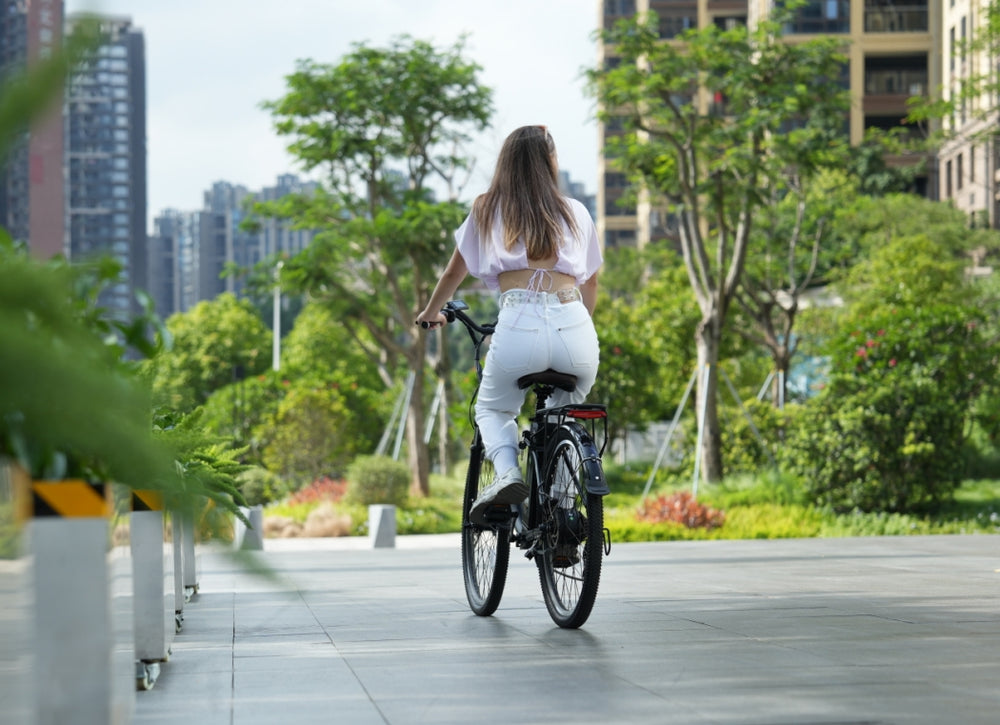
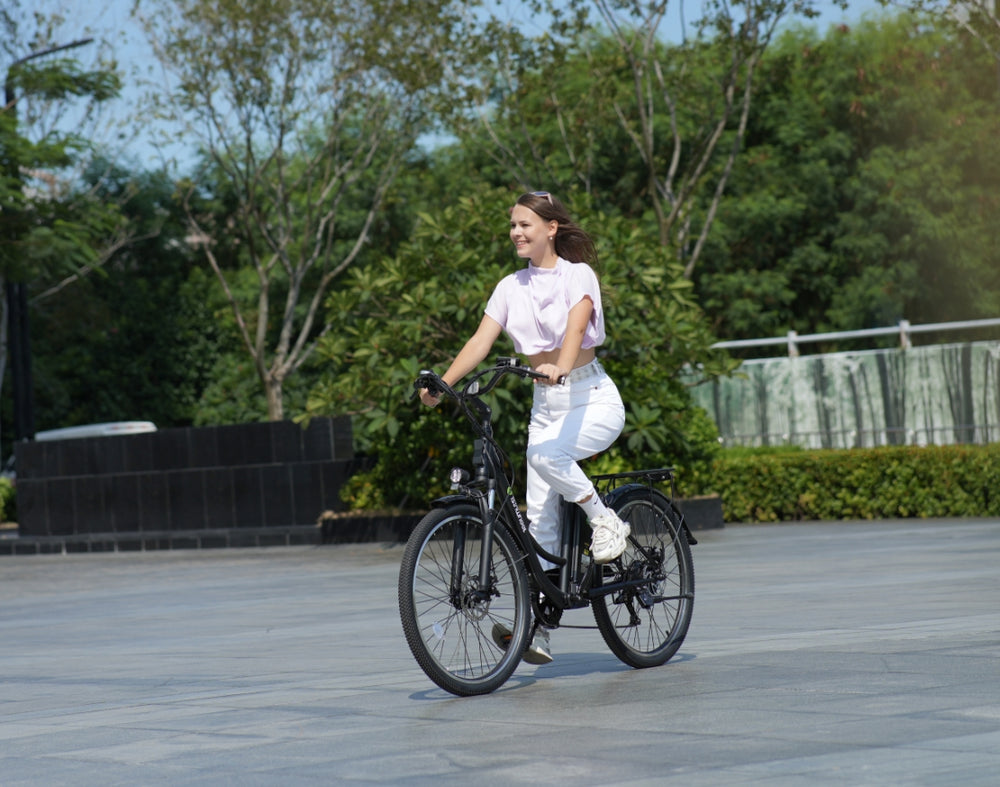
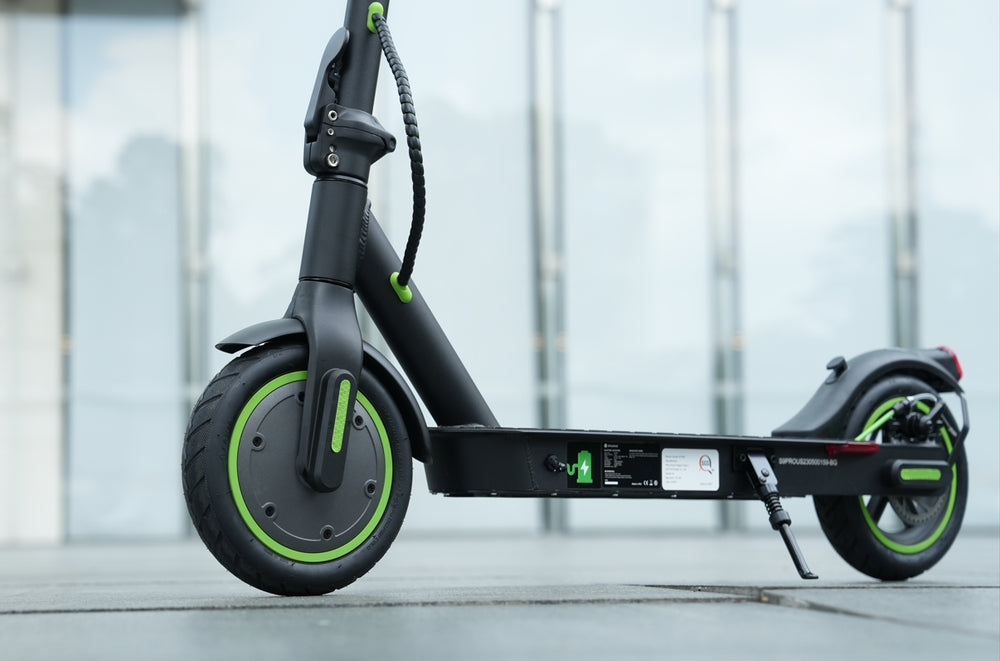
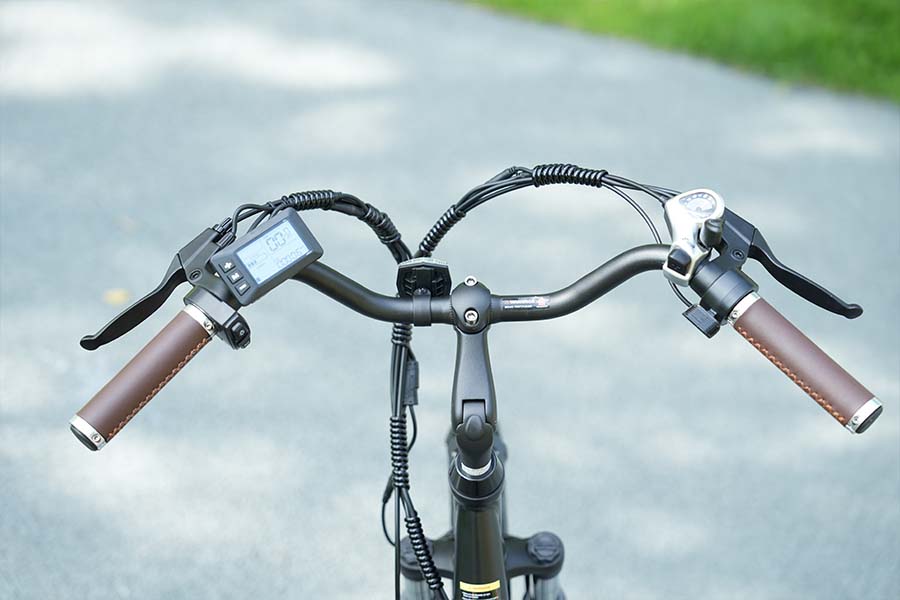
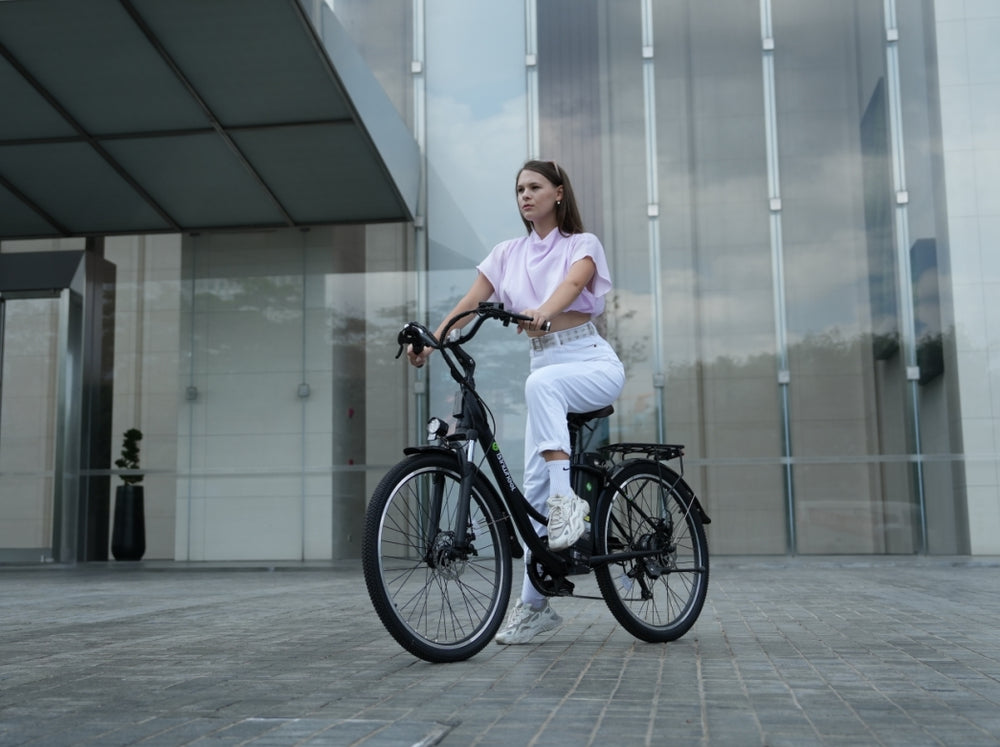
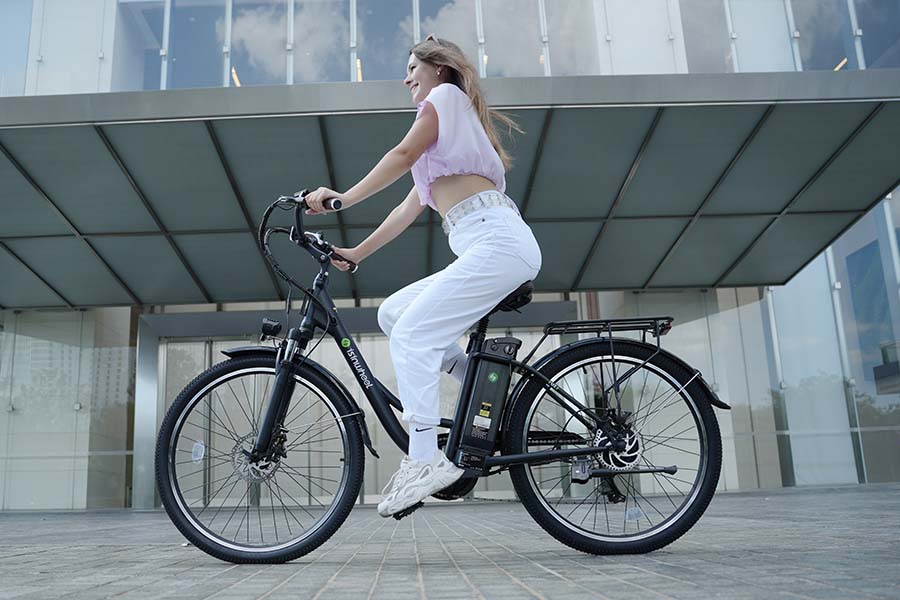
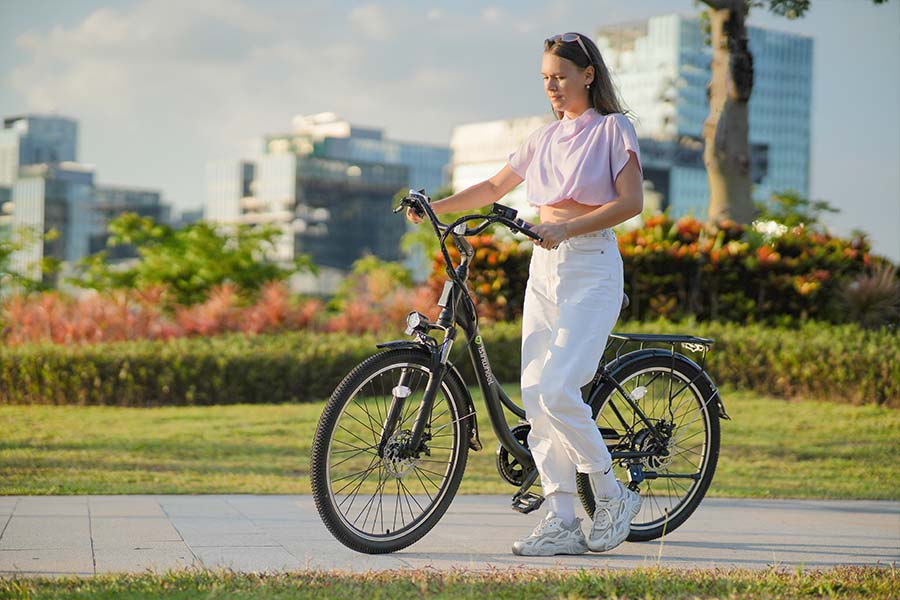
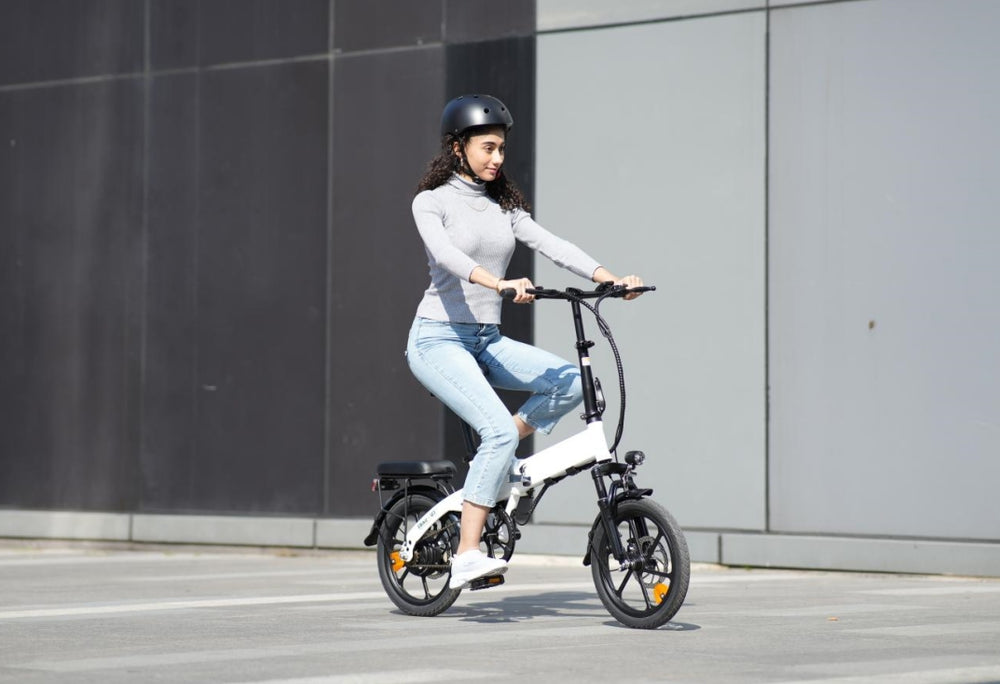
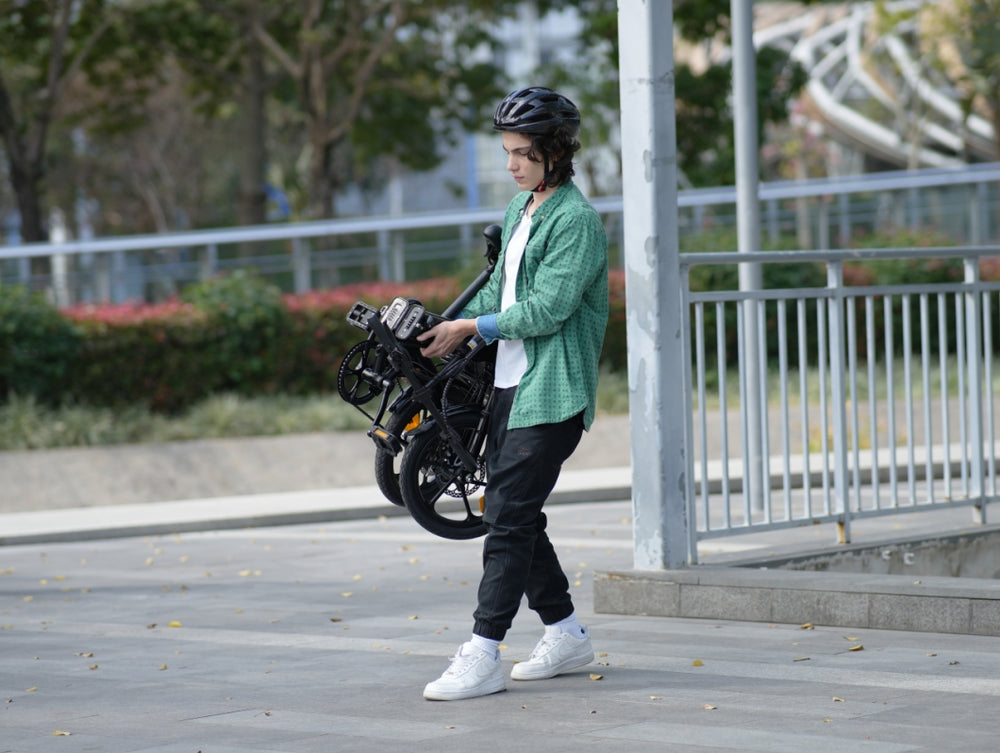
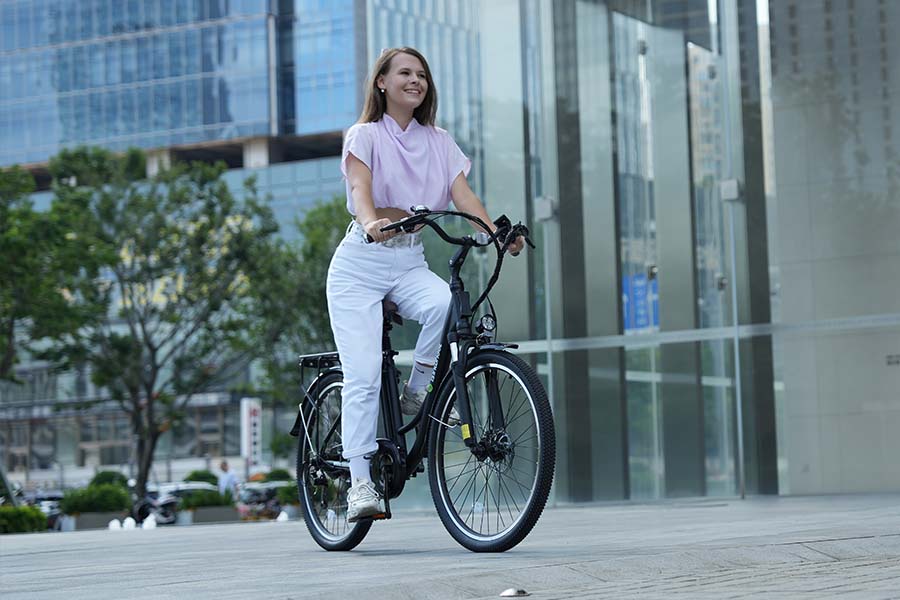
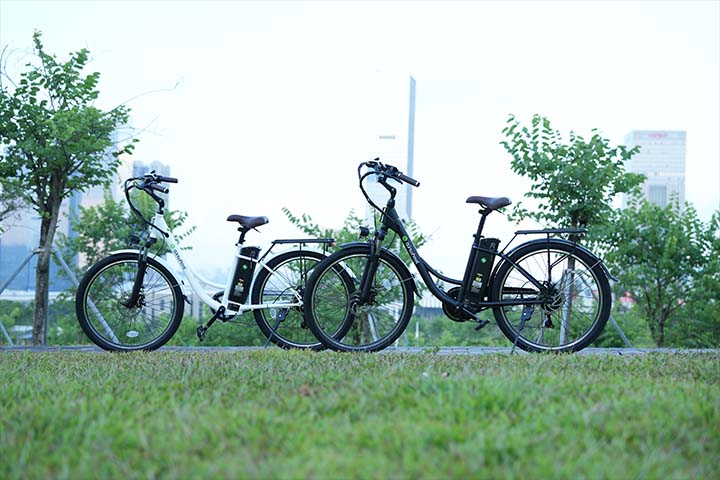
For urban commuters looking to combine speed, comfort, and efficiency, isinwheel e-bikes offer an ideal solution for spring city rides. Lightweight, powerful, and designed for everyday commuting, these e-bikes make navigating unpredictable spring weather easier while keeping you stylish and sweat-free.
|
Images
|
|
|
|
|
|
|
|
Models
|
U1
|
U2
|
U3
|
M10
|
U4
|
UCity
|
|
Top Speed
|
20 MPH
|
20 MPH
|
18.6 MPH
|
21.7 MPH
|
19 MPH
|
20 MPH
|
|
Peak Power
|
500W
|
500W
|
500W
|
500W
|
500W
|
750W
|
|
Battery
|
36V 7.8Ah
|
36V 13Ah
|
36V 7.8Ah
|
36V 10.4Ah
|
36V 10.4Ah
|
36V 10.4Ah
|
|
Max Range
|
28 miles
|
65 miles
|
35 miles
|
60 miles
|
55 miles
|
55 miles
|
|
Speed (before unlock)
|
10/15/25 km/h
|
6/10/15/20/25 km/h
|
10/15/25 km/h
|
6/10/15/20/25 km/h
|
6/10/15/25 km/h
|
6/10/15/20/25 km/h
|
|
Speed (after unlock)
|
15/25/32 km/h
|
10/15/20/25/32 km/h
|
15/25/30 km/h
|
6/10/15/20/35 km/h
|
15/25/30 km/h
|
10/15/20/25/32 km/h
|
|
Brake System
|
front and rear disc brakes
|
mechanical brake
|
disc brakes
|
mechanical disc brakes
|
dual disc brakes
|
dual disc brakes
|
|
Max Load
|
120 kg
|
120 kg
|
120 kg
|
150 kg
|
120 kg
|
120 kg
|
|
Net Weight
|
23.2 kg
|
27 kg
|
23.3 kg
|
27kg
|
26.5 kg
|
28.4 kg
|
|
Suspension
|
Rear mid shock absorber
|
Front suspension
|
Adjustable front fork + comfort saddle
|
Hydraulic fork
|
Dual
suspension
|
Aluminum front fork
|
|
Max Climb
|
20%
|
37%
|
25%
|
20%
|
20%
|
20%
|
|
Tire Size
|
14×1.95"
|
26×1.95"
|
16×1.75"
|
26×1.95"
|
16×2.15"
|
26×1.95"
|
|
Tire Type
|
Pneumatic
|
Pneumatic
|
Pneumatic
|
Pneumatic
|
Pneumatic
|
Pneumatic
|
|
IP Rating
|
IPX4
|
IP65
|
IPX65
|
IPX5
|
IPX4
|
IPX4
|
|
Removable Battery
|
No
|
Yes
|
No
|
Yes
|
Yes
|
Yes
|
|
Rider Height
|
150–185 cm
|
160–192 cm
|
155–185 cm
|
160–190 cm
|
140–180 cm
|
150–192 cm
|
Conclusion
Successful spring commuting isn’t about wearing more — it’s about wearing smarter. Breathable layers, light wind and rain protection, and versatile clothing make it easier to handle shifting conditions in the city.
Follow these spring cycling tips for urban commuters, and unpredictable weather becomes manageable, your rides stay comfortable, and cycling to work remains a routine you actually enjoy.




















Leave a comment