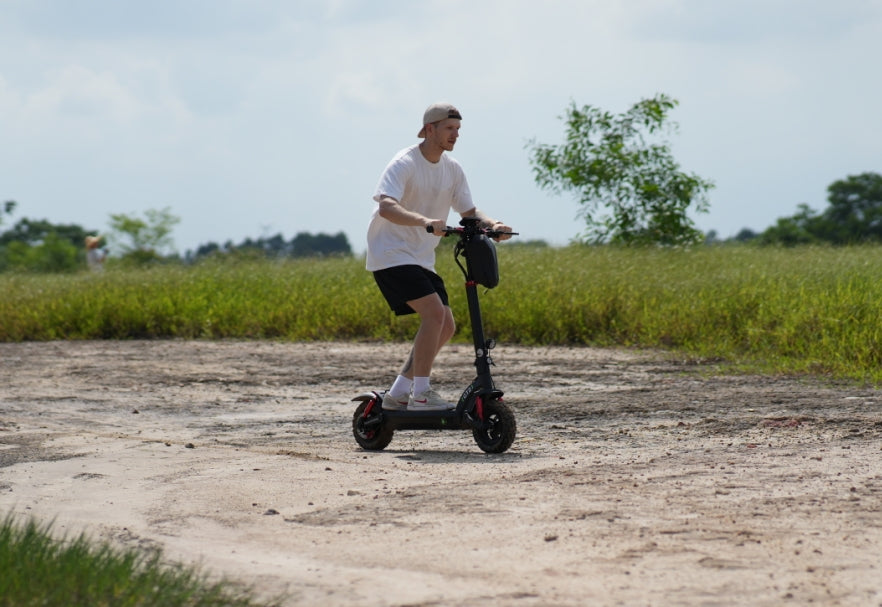
A two wheeler electric scooter is often treated as the less stable option next to three and four wheel designs, yet that assumption rarely holds up once you look at how these vehicles actually behave in motion. Two wheels are the format most riders picture first, and for good reason: they lean, turn and balance the way a bicycle does, giving confident riders sharper control on loose ground and tight paths. Multi wheel scooters solve a different problem, standing upright without rider input, which suits some situations well.
This article looks at why two wheels remain the preferred choice for most adult riders, where the GT1 and GT4 ranges fit into that picture, and when a three or four wheel model genuinely makes more sense.
Two Wheeler Electric Scooter: The Case for Simplicity
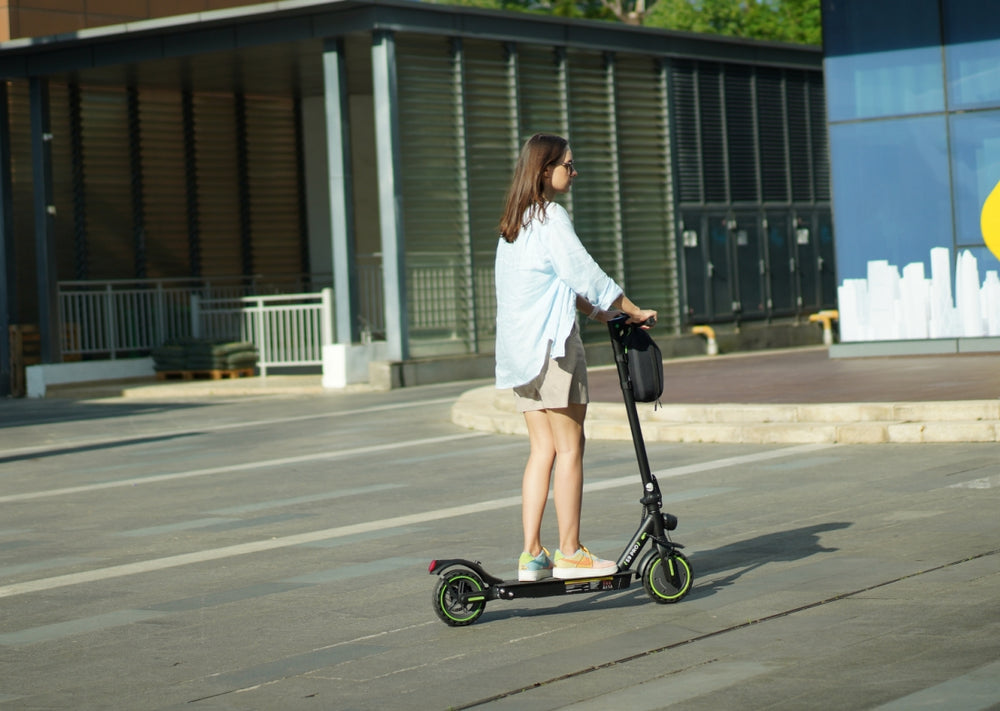
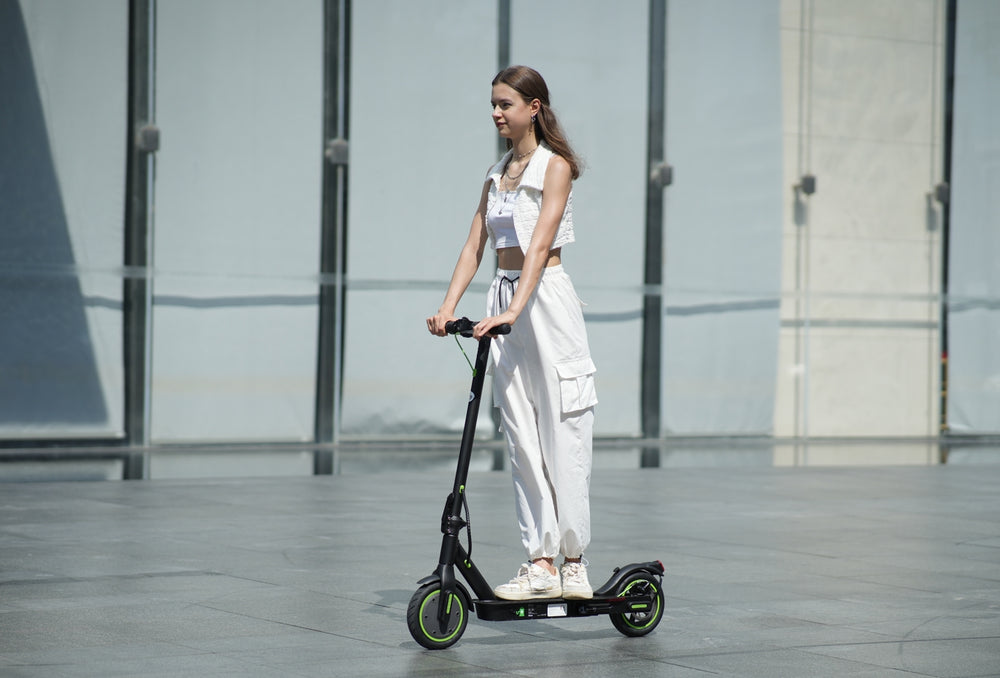
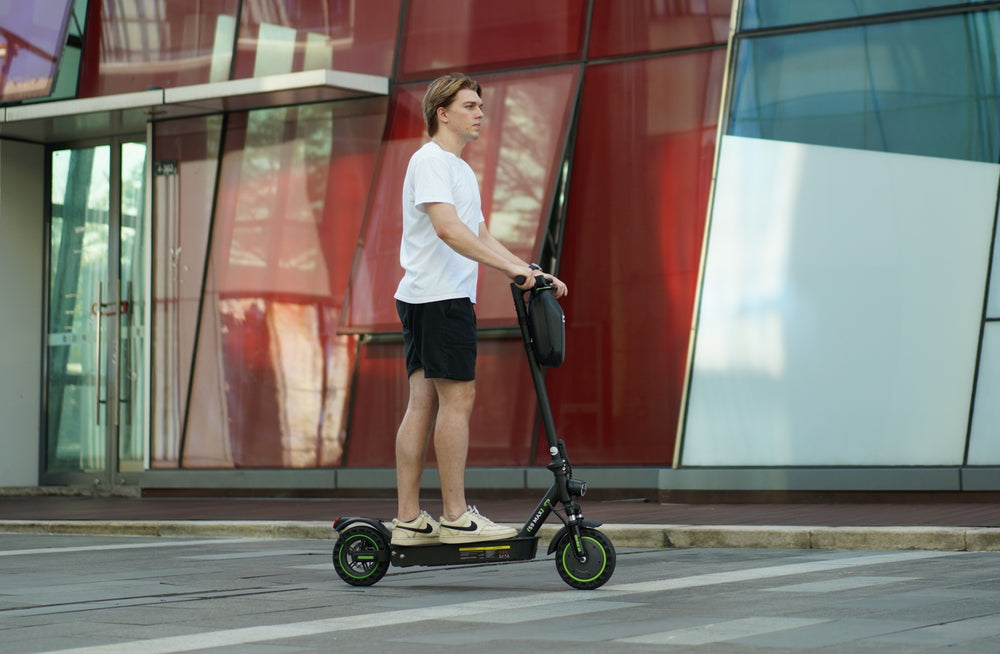
A two wheeler electric scooter keeps the mechanics of riding simple. There is one line of contact at the front and one at the back, so the rider steers, leans and balances the same way they would on a bicycle or a traditional kick scooter. That familiarity matters. Most adults already carry the muscle memory for two wheel balance from years of cycling, so a 2 wheel electric scooter for adults tends to feel intuitive within the first few minutes, not the first few weeks.
Fewer wheels also means fewer contact points that can catch on uneven ground, roots or loose stones. A three or four wheel frame has to coordinate several points of contact across a surface that is rarely flat, which can work against stability rather than for it. Two wheels track a single line and simply follow the terrain in front of them. Simplicity extends to weight and maintenance too: one less axle to service, one less set of bearings to wear, and a narrower frame that is easier to manoeuvre through gates and tight trail sections.
Stability Compared With Three and Four Wheel Designs
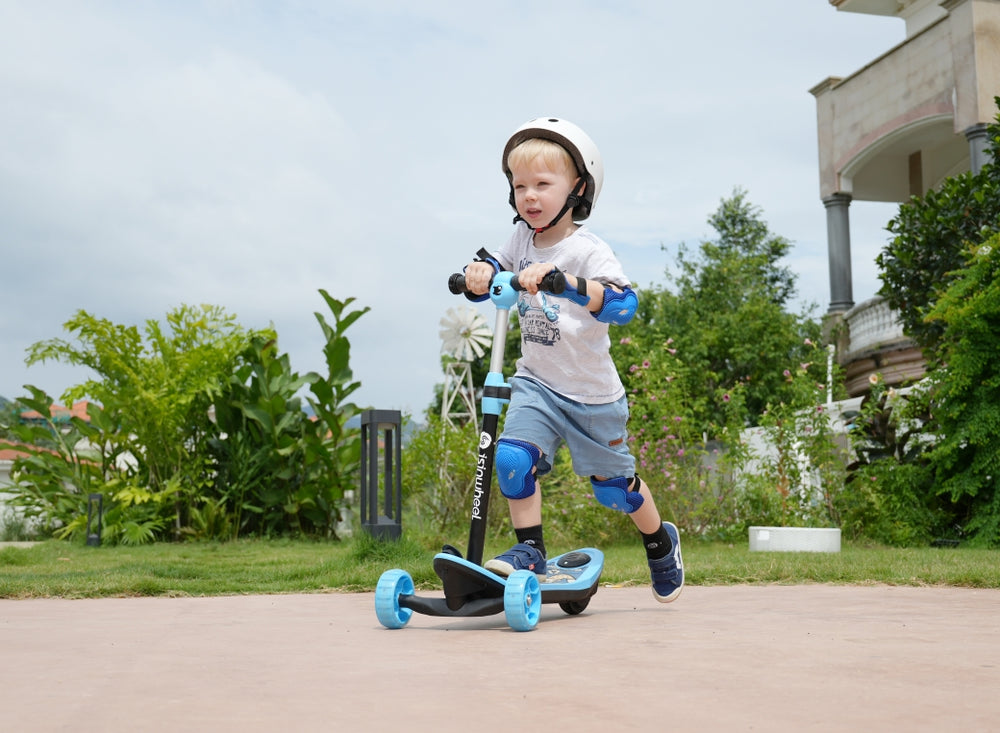
The idea that more wheels automatically means more stability is the biggest myth in this category. A 3 wheel electric scooter uk buyer might expect rock solid balance, but three wheel designs actually introduce a new problem: cornering. Because the frame cannot lean into a turn the way a two wheel scooter does, a three wheel electric scooter uk model can feel twitchy or even tip sideways when cornering at speed, particularly on cambered or uneven ground.
Four wheel designs solve the cornering issue by widening the stance further, and a 4 wheel electric scooter all terrain model does offer genuine advantages for hauling cargo or riding at very low speed. But that wide stance comes at a cost: reduced ground clearance between the wheels, a wider turning circle, and a frame that struggles on narrow trails or tight gates. A four wheel electric scooter for adults is closer to a small vehicle than an e-scooter, which suits some riders but works against the agility that draws most people to electric scooters in the first place.
Two wheels lean with the rider instead of fighting them, distributing weight naturally through a turn the way a bicycle does. That lean is what keeps a two wheel scooter planted through direction changes rather than skating sideways.
How isinwheel GT4 Wide Tyres Improve Two Wheel Grip
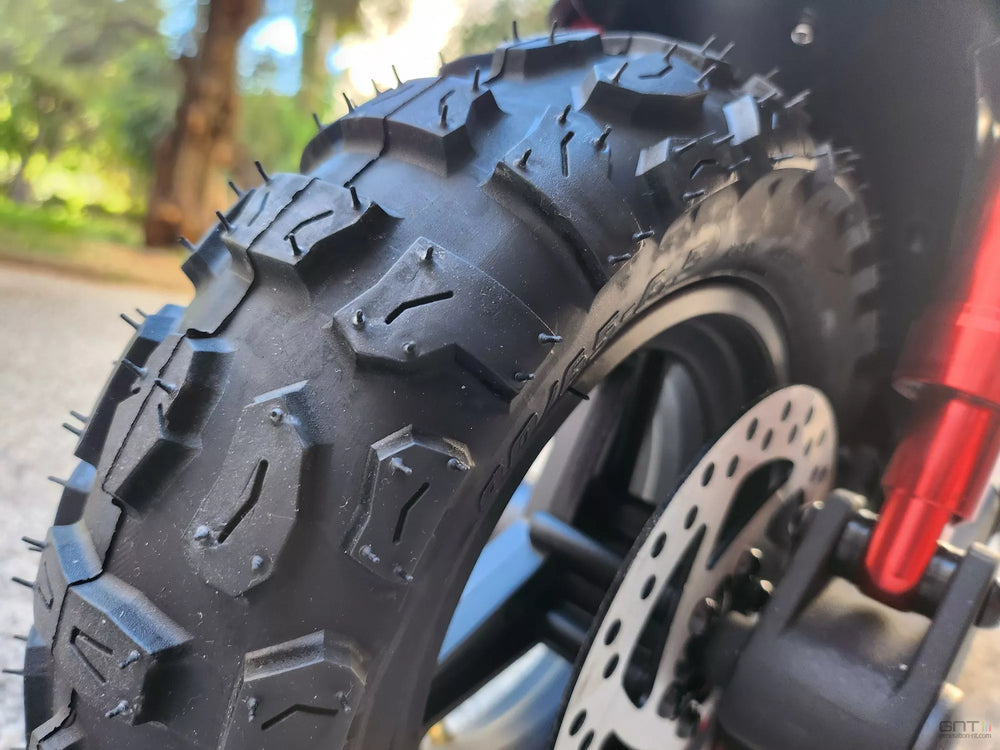
Grip is where two wheel scooters earn back any stability they are assumed to lose. Wider, deeper tread tyres do more for traction than a third or fourth wheel ever could, because grip depends on the tyre surface meeting the ground, not on how many wheels are present.
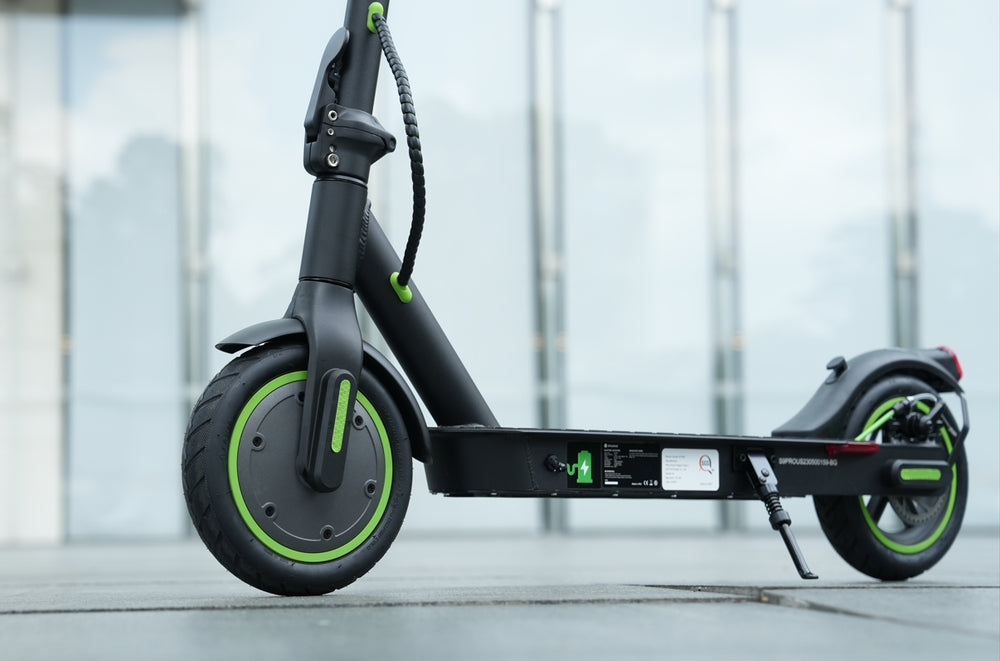
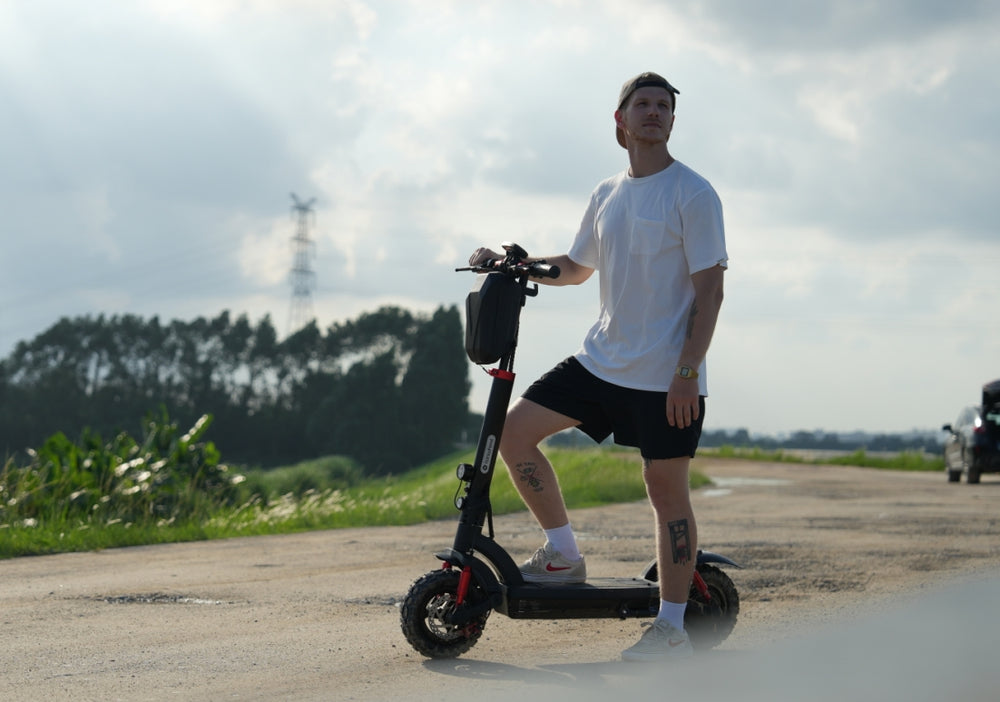
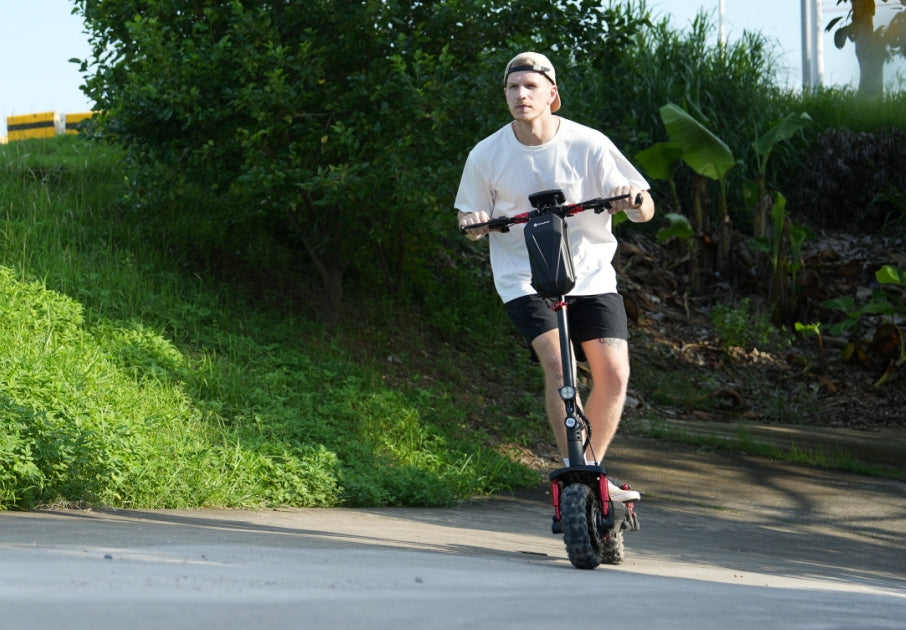
The isinwheel GT4 Dual Motor Electric Scooter demonstrates this well. Its 12 inch by 2.75 inch tubeless off road tyres are noticeably wider than the 10 inch tyres found on smaller two wheel models, spreading contact across a larger footprint and improving grip on gravel, mud and loose dirt. That wider footprint works alongside dual swingarm suspension front and rear, which keeps both tyres pressed against the ground over bumps rather than bouncing free of it. Front and rear hydraulic disc brakes then convert that grip into controlled stopping, rather than a skid.
Tyre width and suspension travel do more for confidence on loose or uneven ground than adding extra wheels ever does. A scooter that keeps both tyres planted through the terrain in front of it delivers stability where it counts.
Folding and Storage Advantages
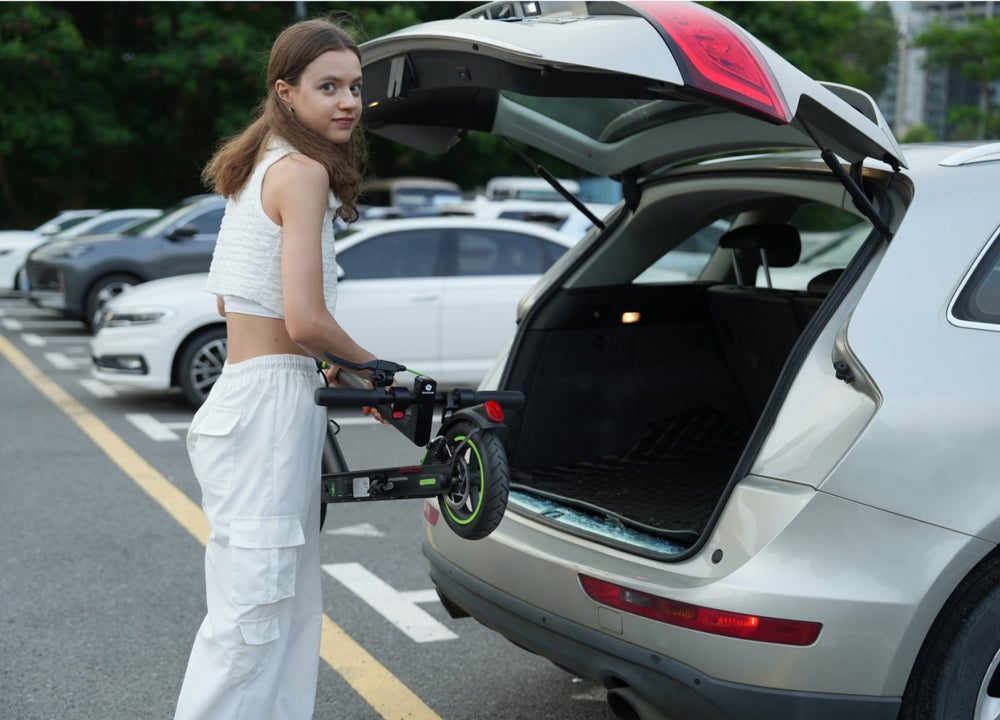
Wheel count has a direct effect on how a scooter folds and where it lives once you are done riding. Two wheel scooters fold along a single hinge point, collapsing into a slim profile that fits into a car boot, a hallway cupboard or against a wall without eating up floor space. Three and four wheel designs need to fold two or three axles instead of one, which usually means a bulkier folded shape and a heavier lift.
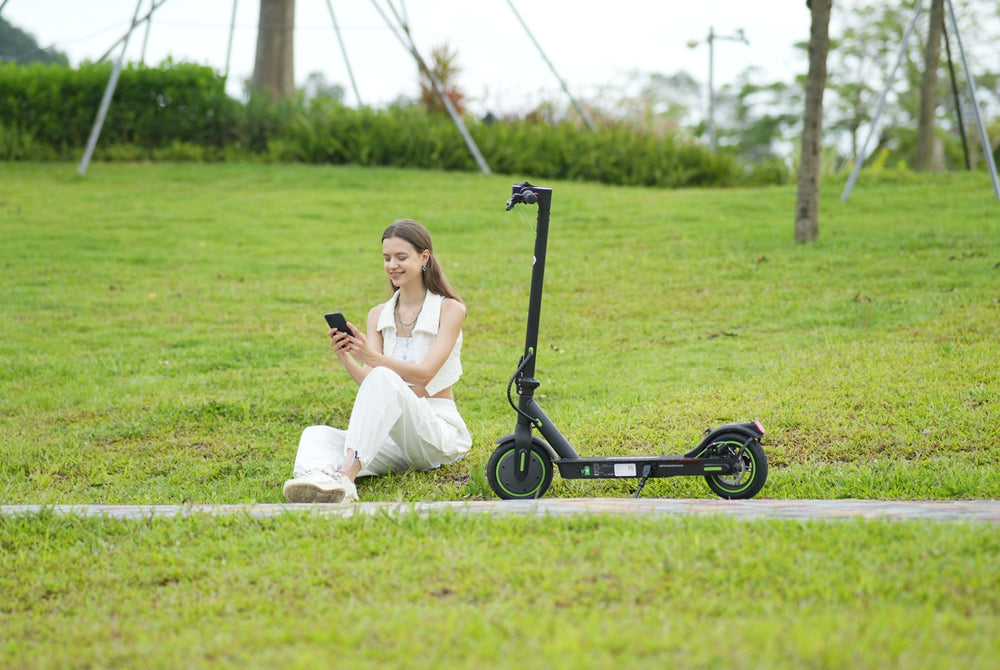
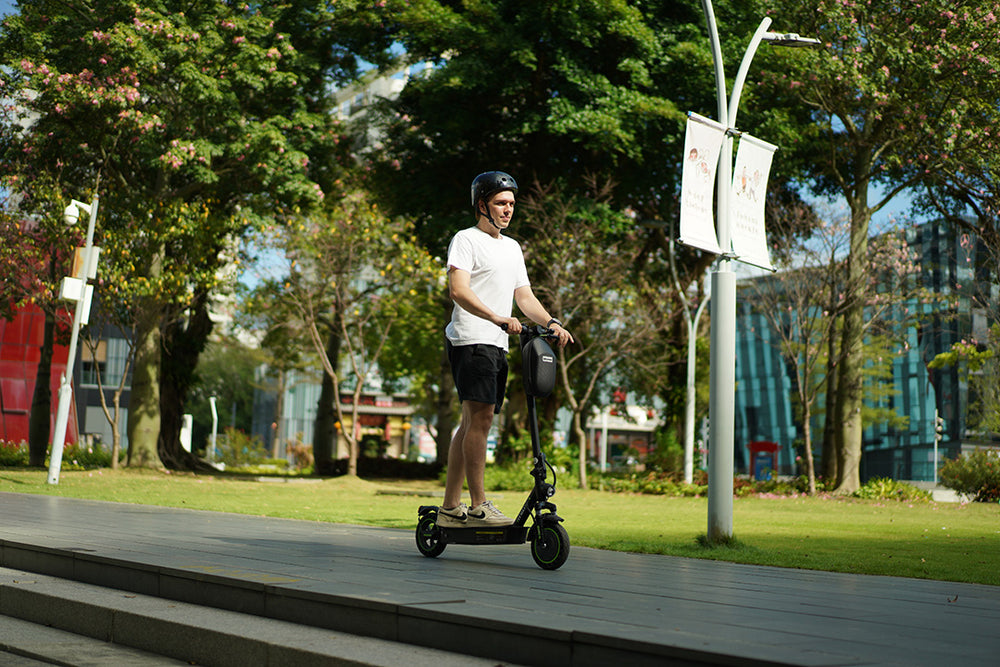
The isinwheel GT1 Off Road Electric Scooter shows how compact a two wheel frame can be, folding down in seconds with a dual locking mechanism while staying light enough to carry up a flight of stairs. That combination of light weight and a small folded footprint is difficult to match once a third or fourth wheel and its axle are added to the frame.
When a Multi Wheel Scooter Might Suit You Better
None of this means three and four wheel scooters are the wrong choice for everyone. Riders who need to stand still without putting a foot down, such as those with limited balance or confidence, often do better on a three or four wheel frame that stays upright on its own. Heavier loads, cargo runs and very low speed manoeuvring also favour the wider stance of a 4 wheel electric scooter all terrain design.
A two wheeler electric scooter asks the rider to hold balance actively, which most people pick up quickly but which some riders would rather avoid altogether. If that describes you, a three or four wheel model is a reasonable trade of agility for reassurance.
For everyone else, particularly riders who want speed, easy folding and confident handling on trails, two wheels remain the format worth defaulting to. The isinwheel GT1 Dual Motor Off Road Electric Scooter and the GT4 Dual Motor Electric Scooter both show what a two wheel frame can do once tyre width, suspension and braking are dialled in properly.
FAQs
Is a two wheeler electric scooter less stable than a three wheel model?
Not in practice. Three wheel e-scooters cannot lean into corners the way two wheel e-scooters can, which often makes them feel less secure at speed or on cambered ground. Two wheels lean and track naturally through turns, which is why most adult riders find them more stable once moving.
Are two wheel electric scooters easier to fold and store?
Yes. A two wheel electric scooter folds around a single hinge and stays lighter overall, since there is no extra axle to collapse. That makes it easier to carry, store indoors and fit into a small boot compared with three or four wheel designs.
Do two wheel electric scooters handle off road terrain well?
Yes, provided the tyres and suspension are built for it. Wide off road tyres, such as the 12 inch tubeless tyres on the GT4, combined with dual suspension, give two wheel e-scooters strong grip and shock absorption across gravel, mud and uneven trails.
Are two wheel e-scooters harder to learn on than three wheel models?
Most adults pick up two wheel balance quickly, since it mirrors riding a bicycle. Three wheel models remove the need to balance at a standstill, which can suit less confident riders, but two wheel e-scooters are rarely difficult to learn once moving.
Do two wheel electric scooters weigh less than multi wheel designs?
Generally yes. Removing an extra wheel, axle and section of frame reduces overall weight, which is one reason two wheel e-scooters such as the GT1 range fold smaller and carry more easily than three or four wheel alternatives.



















Leave a comment