Imagine you are on your usual morning commute when your electric scooter suddenly slows down or stops, displaying an unfamiliar icon or error code. This is safe mode, a built in protection system designed to prevent damage to the battery, motor, or controller. Understanding what triggers safe mode can help you avoid costly repairs and keep your e-scooter running smoothly.
This guide explains the common causes, how to interpret error codes, and the maintenance steps you can take to prevent future interruptions.
Understanding the Electric Scooter Safe Mode Function
The primary purpose of a safety mode or safe mode feature is to act as a digital shield for your personal transport vehicle. Much like a modern computer or a car, your adult e scooter relies on an electronic control unit to monitor real time performance metrics. If the temperature spikes, the voltage drops too low, or a sensor detects abnormal electrical resistance, the system restricts performance to prevent catastrophic failures.
For riders navigating urban environments or rugged trails, this mechanism offers peace of mind. It ensures that a minor system fluctuation does not escalate into a broken motor or a completely ruined battery pack. By instantly limiting the top speed or shutting down power entirely, the vehicle guarantees both rider safety and structural longevity. This structural framework ensures that minor issues are identified long before they develop into expensive repair bills.
Primary Causes for Safe Mode Activation in Adult E Scooters
Internal Battery Faults and Voltage Drops
The battery pack is the life force of your electric personal vehicle and one of its most sensitive components. Low charge levels, sudden voltage drops, or unbalanced cells can trigger a protective state and limit performance.
Prolonged high speeds increase battery strain, and if cells cannot maintain stable voltage, the battery management system may activate a shutdown. Loose or corroded wiring connections can also cause voltage fluctuations, leading the controller to detect a potential electrical fault.
Overheating of the Motor or the Electronic Controller
High speeds require more electrical power, which creates heat. Motor or controller overheating can trigger safe mode, especially during long rides, steep climbs, or hot weather. To protect internal components, the system reduces power or shuts down until temperatures return to normal.
Continuous full throttle use can push electronic parts beyond safe limits. Built in thermal sensors monitor heat levels and activate a cooldown phase when temperatures become too high.
Wiring Damage and Faulty Electrical Connections
Damaged wiring or loose connections can trigger safe mode by disrupting communication between the scooter's key components. Over time, wires may wear out, connectors can corrode, or moisture can seep inside after riding through heavy rain or deep puddles. When the controller detects an electrical fault, it limits power to help protect the system until the issue is resolved.
Controller Glitches and Firmware Failures
The electronic control unit acts as the brain of your personal micro mobility machine. Internal defects, outdated firmware, or software bugs can trigger safe mode if the controller detects conflicting data or experiences a system crash. Software issues may also occur after improper firmware updates or third party modifications. Keeping the original factory software helps minimize unexpected electronic lockouts.
Mechanical Faults and Sensory Mishaps
Mechanical issues and faulty sensors can also trigger safe mode. Modern scooters use sensors to monitor speed, tilt, and braking. If a sensor detects abnormal data, such as the brake appearing to be engaged while you accelerate, the system may cut power for safety. Likewise, dragging brake calipers or other mechanical resistance can overwork the motor, leading to overheating and a protective shutdown.
How to Successfully Diagnose and Reset Your Electric Personal Vehicle
If your scooter enters safe mode, a few simple checks can help you identify the problem before seeking repairs.
- Check the error code. Most electric scooters display an error code on the screen when a fault is detected. If your model supports a mobile app, you may also be able to view detailed diagnostics through Bluetooth.
- Use the official app. Many brands provide an app that shows real time error codes, battery status, and other system information, making it easier to pinpoint the issue.
- Test the battery. If the battery is not holding a charge, use a voltmeter or compatible charger to check its voltage. Low voltage or a faulty cell can trigger safe mode.
- Inspect the wiring. Look for loose connectors, damaged wires, or signs of corrosion. Even a small wiring issue can affect the controller, motor, or brakes.
- Check for overheating. If the scooter suddenly loses power after a long ride or climbing hills, let it cool down. An overheated motor or controller can temporarily activate safe mode to prevent damage.
Choosing a Highly Reliable and Adequately Equipped E Scooter Model
Investing in a high quality electric personal vehicle with an advanced battery management system helps minimize unexpected shutdowns. Reliable models are built to handle thermal stress, heavy loads, and different riding conditions.
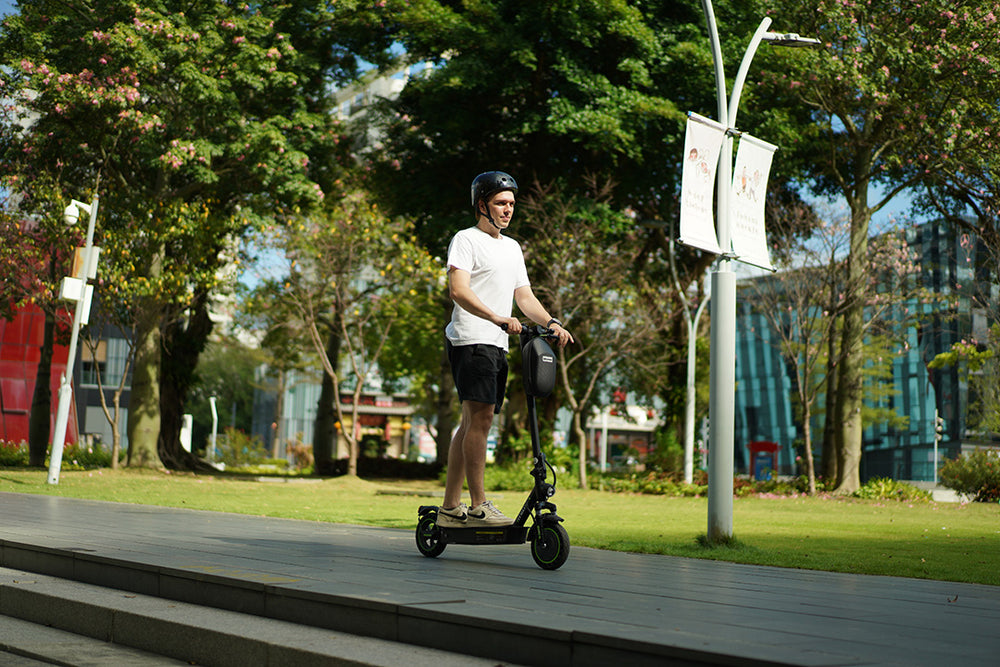
For riders who enjoy challenging terrain, the isinwheel GT2 800W Off Road Electric Scooter is an excellent choice. It combines strong performance, durable construction, and smart safety features. Its 800W brushless hub motor handles steep inclines efficiently, while the dual suspension system reduces vibrations that could damage internal components.
Premium models use built in electronic management systems to monitor key functions, improving reliability, range, and overall lifespan. This combination of durability and intelligent protection makes them ideal for commuters and outdoor riders.
Tips to Prevent Safety Mode Activation
Regular care and responsible riding can help reduce the chances of your e-scooter entering safe mode. These simple habits keep the battery, motor, and other components in good condition.
Perform Regular Maintenance
Clean your e-scooter regularly to remove dirt, dust, and moisture that can affect its performance. Check the brakes, tire pressure, and loose screws, and lubricate moving parts when needed to keep everything running smoothly.
Take Care of the Battery
Inspect the battery and its connectors for signs of damage or corrosion. Charge the e-scooter in a cool, dry place, avoid letting the battery drain completely, and always use the manufacturer recommended charger.
Ride Within the E-Scooter's Limits
Avoid overloading your e-scooter or pushing it beyond its capabilities. Frequent hard acceleration, sudden braking, and steep hill climbs can strain the motor and battery, increasing the risk of overheating or system faults.
Use Compatible Parts
If you need to replace parts, choose original or manufacturer approved components. Using incompatible batteries, controllers, or other parts can cause communication errors and trigger the scooter's safety system.
Finding Lasting Peace of Mind on Your Journeys
Using an electric personal transport vehicle makes daily travel more efficient and enjoyable. While sudden shutdowns can be frustrating, these safety systems are designed to protect you and your investment by constantly monitoring performance.
Choosing reliable models like the isinwheel S9MAX Adult E Scooter for city rides or isinwheel GT2 for a heavy duty option for trails ensures better durability and performance. With proper care, responsible riding, and regular diagnostics, your scooter can deliver smooth and reliable operation for years. Explore more options on our main store platform to find the right companion for your journeys.
FAQs
Q: Why does my electric scooter turn off completely when I am riding up a steep hill?
This situation usually occurs due to thermal protection or low voltage cutoffs. Climbing steep inclines forces the motor to draw immense current from the battery pack, which creates rapid heat buildup inside the electronic controller and the hub motor casing. If the temperature exceeds safe factory limits, the sensors trigger safe mode to prevent the internal components from melting. It can also happen if the heavy power demand causes a temporary battery voltage drop below the minimum required operating threshold.
Q: Can I manually bypass the safety mode on my adult e scooter to get home faster?
Bypassing or disabling the factory safe mode settings is highly discouraged and dangerous. The safety system is a vital protective shield designed to prevent catastrophic hardware failures, battery fires, or permanent motor damage. Attempting to force the vehicle to run while an active error code is present can destroy the internal electronics completely and will immediately void your official manufacturer warranty protection.
Q: How long should I wait for my personal vehicle to cool down after a safety shutdown?
It is generally recommended to allow the vehicle to rest for at least thirty to forty five minutes in a shaded, well ventilated area. This duration gives the internal aluminum heat sinks, controller circuit boards, and motor hub windings sufficient time to radiate away the trapped thermal energy and return to safe, ambient operating temperatures. Once the components are cool, a standard power cycle should reset the system and clear the protective mode.












































Leave a comment