












Best Electric Scooter for Spring Commuting UK (Complete 2026 Guide)
Spring is one of the best seasons for electric scooter commuting in the UK, but it brings damp roads, potholes, and changing temperatures. That means your scooter needs good wet-weather grip, reliable braking, realistic battery range, and everyday portability — not just high speed.
The best electric scooter for spring commuting in the UK is one built for mixed weather and real-life travel, whether you’re heading to work, campus, or the station. This guide helps you choose the right scooter type for comfort, safety, and daily practicality.
Why Spring Changes What You Need in a Commuter Electric Scooter
Spring commuting in the UK creates different demands on an electric scooter compared with drier seasons. Damp roads from light rain and morning moisture reduce tyre grip, leading to longer braking distances and making control and braking reliability more important than top speed. At the same time, many streets still show post-winter wear, including potholes, rough tarmac, and loose debris, so scooters built for stability and comfort handle daily travel more safely.
Cooler spring mornings can also reduce battery efficiency, which affects the real-world range of an electric scooter during your commute. As daylight hours increase, roads and cycle lanes become busier with cyclists, pedestrians, and vehicles, making visibility, lighting, and predictable handling key features for safer spring electric scooter commuting in the UK.
Key Features to Look for in a Spring Commuter Scooter
Water Resistance (IP Rating)
For spring electric scooter commuting in the UK, water resistance is essential. Unpredictable drizzle, wet roads, and puddle splashes can damage poorly protected electronics. IP ratings such as IP54, IP55, and IP66 indicate how well a scooter resists water and dust. Lower ratings can handle light rain, while higher ratings offer stronger protection from road spray and standing water. Choosing a commuter scooter with a solid IP rating reduces the risk of electrical faults and improves long-term reliability in damp UK spring conditions.
Tyres That Handle Wet Pavement
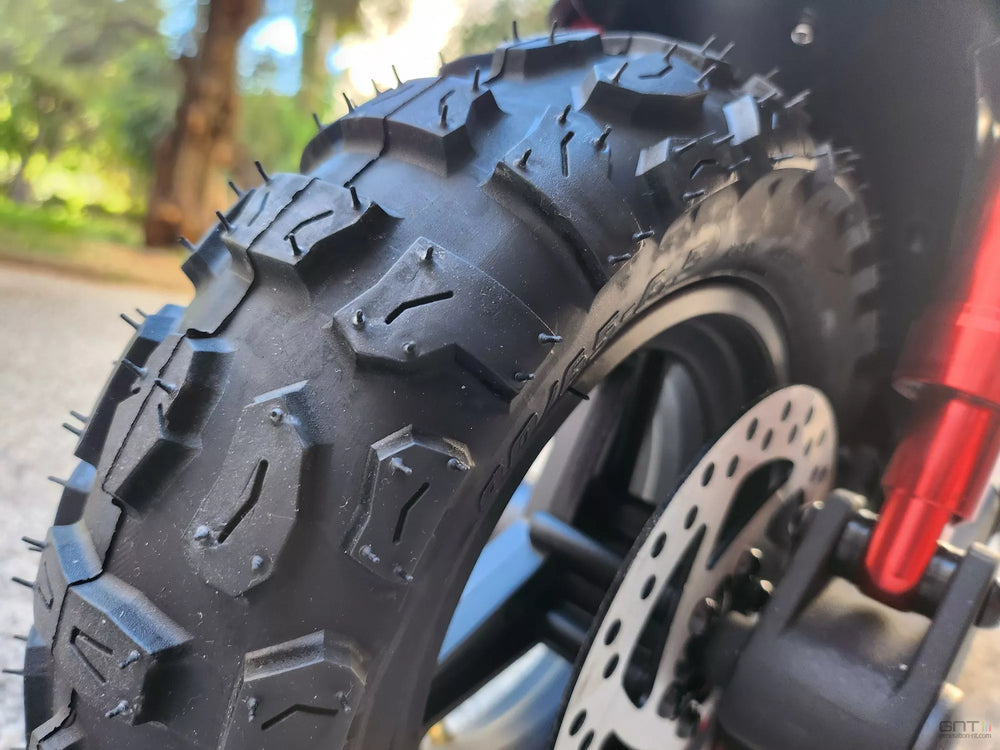
Tyre type directly affects safety when riding an electric scooter in wet weather. Pneumatic (air-filled) tyres offer better grip, shock absorption, and braking control compared to solid tyres. Tread patterns also improve traction on slick surfaces like cycle lanes and smooth asphalt. Small, hard tyres are more likely to slip in spring, especially on painted road markings or metal covers, making proper tyre choice a key factor for safe commuting.
Realistic Range for UK Commutes
When choosing the best electric scooter for commuting, real-world battery range matters more than advertised figures. Manufacturer claims are often based on ideal conditions, while UK commuting involves hills, stops, and variable temperatures. Cold spring mornings can reduce battery efficiency, meaning your scooter may travel fewer miles per charge. Selecting a model with extra range headroom ensures consistent daily travel without range anxiety.
Weight & Portability
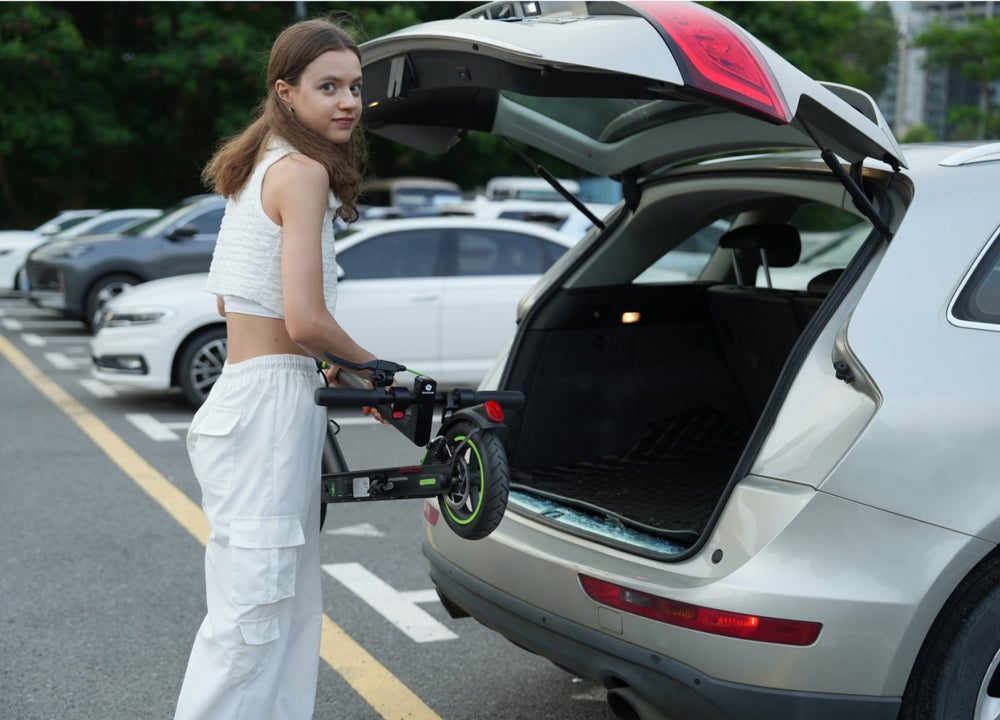
Portability is crucial for commuters who use trains, buses, or need to carry a scooter into offices or flats. A practical commuter electric scooter should be light enough to carry comfortably and compact when folded. Folding speed, handle placement, and overall size affect how easily the scooter fits into tight storage spaces and crowded public transport environments.
Suspension for Rough Roads
Spring roads often reveal the damage left behind by winter, including potholes and uneven surfaces. Suspension systems help absorb shocks, improving ride comfort and control during daily commutes. However, added suspension can increase weight, so riders must balance comfort with portability based on their route conditions.
Braking System
A dependable braking system is one of the most important safety features for spring electric scooter commuting. Drum brakes, disc brakes, and regenerative braking systems all provide stopping power, but overall reliability and consistency matter most. Wet roads increase stopping distances, making strong and predictable brakes essential for urban commuting.
Lighting & Visibility
Changing light conditions are common during spring in the UK. Overcast skies and early evening rides make bright front and rear lights essential for visibility. Side visibility is also important at junctions and in traffic. Good lighting improves safety and confidence when commuting in mixed weather and busy urban environments.
isinwheel Electric Scooters for Commuting: High-Performance Options for UK Riders
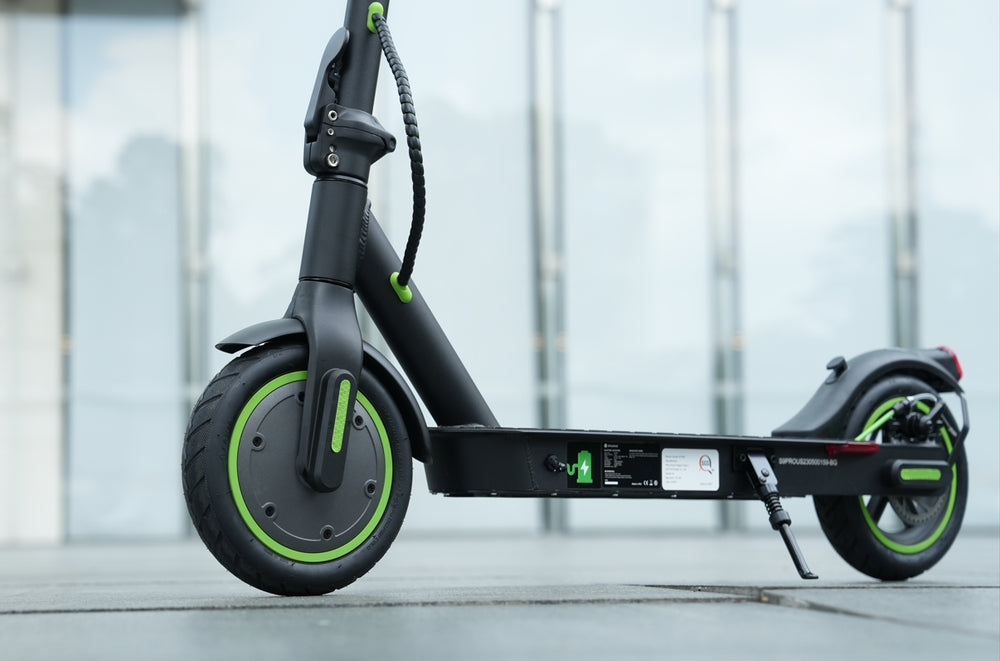
isinwheel electric scooters cover everything from lightweight city commuters to high-power, long-range performance models, making the range suitable for different riding styles and distances. Many models include commuter-focused features like suspension, pneumatic tyres, and water resistance that support safer and more comfortable riding in changing spring conditions.
|
Images |
||||
|
Feature |
||||
|
Motor Power |
350 W |
500 W |
1000 W |
1000 W |
|
Range |
30 km |
40 km |
60–70 km |
61 km |
|
Top Speed |
30 km/h |
35 km/h |
45 km/h |
45 km/h |
|
Battery |
36 V 7.5 Ah |
36 V 10 Ah |
54.6 V 15.6 Ah |
48 V 13 Ah |
|
Charging Time |
3–4 h |
3–6 h |
6–7 h |
5–6 h |
|
Max Load |
100 kg |
120 kg |
150 kg |
330 lbs |
|
Net Weight |
13.8 kg |
15.6 kg |
22.1 kg |
27.4 kg |
|
Suspension |
Dual |
Quad |
Front + Rear |
Front Swingarm + Rear Dual-Spring |
|
Tires |
8.5″ pneumatic |
10″ pneumatic |
10″ off-road |
10″ pneumatic |
|
Brakes |
EBAS + Disc |
EBAS + Disc |
Dual Disc + Elec |
Front & Rear Disc + Hidden Electronic |
|
IP Rating |
IP54 |
IP54 |
IP54 |
IP54 |
|
Climbing Ability |
20 % |
20 % |
35 % |
30 % |
Best Electric Scooter Types for Spring Commuting UK
Spring commuting conditions vary, so the best electric scooter depends on your distance, road surface, and daily routine. These scooter types match the most common UK commuter needs during mixed-weather months.
Lightweight Portable Scooter
Lightweight portable scooters are ideal for short city commutes and riders who combine their journey with public transport. Usually under 15 kg, they fold quickly and fit easily into offices, classrooms, or train luggage spaces. Many use solid or semi-solid tyres to reduce maintenance, making them perfect for smooth urban roads, though less comfortable on rougher post-winter surfaces. These scooters prioritize convenience and portability over extended range or heavy-duty suspension.
All-Weather Mid-Range Commuter Scooter (Best Overall Choice)
All-weather mid-range scooters are the most versatile option for spring commuting in the UK, offering the best balance between comfort, safety, and portability. They typically feature 10-inch pneumatic tyres for better grip on wet roads, IP-rated water resistance to handle drizzle and splashes, and front or dual suspension to smooth out potholes and uneven surfaces. This type of scooter works well for daily commutes between 5 and 12 miles, making it suitable for the majority of urban and suburban riders facing variable spring conditions.
Long-Range Commuter Scooter
Long-range commuter scooters are designed for riders covering longer distances, such as suburban commuters or those who travel extensively between home and work. Equipped with larger batteries, strong frames, and wider decks, these scooters ensure comfort and stability over extended rides. They minimize the need for frequent charging while maintaining consistent performance, making them ideal for those who prioritize endurance and reliability during longer spring journeys.
High-Stability Scooter for Heavier Riders
High-stability scooters are built to accommodate heavier riders and provide enhanced control and balance. With higher weight capacities, wider handlebars, and tubeless tyres, these scooters offer a more secure and confident ride, even on uneven or wet spring roads. Their sturdy construction ensures stability and durability, making them suitable for riders who value safety and comfort over ultra-light portability.
Seated Commuter Scooter
Seated commuter scooters are perfect for long daily rides, reducing leg fatigue and allowing a more relaxed riding posture. Larger wheels and removable batteries improve stability and convenience, while the seated design provides comfort over extended distances. This type is ideal for commuters who cover long routes or prefer a more comfortable alternative to standing scooters during their spring journeys.
Best Scooter Type Based on Your Commute
Choosing the right scooter depends on your commute style and distance. Here’s a guide to match your travel needs with the ideal scooter type:
-
2–5 miles in the city – Lightweight Portable Scooter
Perfect for short urban trips, these scooters are easy to fold and carry, making storage at work or school simple. They prioritize convenience and portability over long-range performance. -
Train + Scooter – Ultra-Foldable Scooter
Designed for commuters combining public transport and scooting, these scooters fold compactly and are lightweight, allowing effortless carrying on trains and buses without sacrificing urban ride quality. -
Riding in frequent drizzle – All-Weather Commuter Scooter
Built for wet and unpredictable spring conditions, these scooters feature pneumatic tyres for grip, IP-rated water resistance, and suspension to handle slippery or uneven roads safely. -
10–20 mile commute – Long-Range Scooter
Ideal for suburban or longer-distance commutes, these scooters come with large batteries, stable frames, and wide decks to ensure comfort and reliability over extended rides without frequent charging. -
Heavier rider – High-Stability Scooter
Designed for riders needing extra balance, these scooters have higher weight capacity, wider handlebars, and tubeless tyres to provide secure and confident rides on rough or wet spring roads.
Spring Riding Tips for Electric Scooter Commuters
Spring weather in the UK brings wet roads, lingering potholes, and unpredictable conditions that can affect your daily ride. Following simple safety and maintenance tips ensures a smoother, safer, and more enjoyable commute throughout the season.
-
Brake earlier on wet roads – Wet surfaces increase stopping distances, so allow extra space and brake gradually to maintain control and avoid slipping.
-
Avoid painted road markings – Painted lines and crossings can become extremely slippery when wet. Steer around them whenever possible to reduce the risk of skidding.
-
Keep battery indoors overnight – Cold or damp spring nights can affect battery performance. Storing the battery in a dry, warm place helps maintain range and longevity.
-
Use mudguards – Protect yourself and your scooter from puddles, splashes, and road grime by installing front and rear mudguards for cleaner and safer rides.
-
Wear high-visibility layers – Overcast skies and early evening commutes reduce visibility. Bright or reflective clothing ensures you are seen by other road users, improving safety.
Conclusion
Finding the best electric scooter for spring commuting in the UK comes down to practicality over performance. Wet surfaces demand strong brakes and grippy tyres. Post-winter roads make suspension and stability more valuable. Cooler mornings mean real-world battery range matters more than advertised numbers. And if your commute involves stairs or public transport, weight and folding design are key.
Choose a scooter that feels stable, weather-ready, and easy to live with every day. When your ride handles drizzle, rough patches, and daily distance without stress, commuting becomes smoother, more reliable, and far more enjoyable.
The Latest Posts


Explore isinwheel products
City E Scooter | Off-Road Scooter
Fastest Scooter | Kids Scooters








Leave a comment