












Electric Road Bike Guide: Best Bikes, How They Work & How to Choose
An electric road bike keeps the speed and feel of a traditional road bike but adds smooth pedal assist to help you climb hills, ride farther, and hold your pace with less fatigue. Today’s models are lightweight, sleek, and built for performance, often using carbon frames, drop bars, and narrow tires.
If you want to extend your range, tackle tougher routes, or make long rides more manageable, this guide covers the best electric road bikes, how they work, and how to choose the right one.
What Is an Electric Road Bike?
An electric road bike (or e-road bike) blends the speed and efficiency of a traditional road bike with a lightweight pedal-assist motor. The assist supports your effort, helping you climb hills, ride farther, and maintain pace while still feeling like a true road bike.
These bikes use drop-bar road geometry for an efficient riding position and are built with lightweight frames, often carbon fiber, for responsive handling. Tire widths typically fall in the 28–40c range, balancing speed on pavement with added comfort. The motor and battery are discreetly integrated, keeping the bike sleek and performance-focused — designed for distance, climbing, and speed rather than casual cruising.
Electric Road Bike vs Other E-Bike Types
|
Bike Type |
Riding Position |
Tires |
Best For |
|
Electric Road Bike |
Performance / endurance |
28–40c |
Fast pavement riding |
|
More relaxed |
35–50c |
Mixed terrain riding |
|
|
Upright |
40c+ |
Comfort and commuting |
Best Electric Road Bikes Right Now
Below is a comparison of some of the best electric road bikes right now, highlighting their key specs, performance, and features. From top speed and motor power to battery capacity, range, suspension, and rider fit, this table makes it easy to see which e-road bike suits your riding style and needs.
|
Images |
|||||
|
Models |
|||||
|
Top Speed |
20 MPH |
20 MPH |
18.6 MPH |
19 MPH |
20 MPH |
|
Peak Power |
500W |
500W |
500W |
500W |
750W |
|
Battery |
36V 7.8Ah |
36V 13Ah |
36V 7.8Ah |
36V 10.4Ah |
36V 10.4Ah |
|
Max Range |
28 miles |
65 miles |
35 miles |
55 miles |
55 miles |
|
Speed (before unlock) |
10/15/25 km/h |
6/10/15/20/25 km/h |
10/15/25 km/h |
6/10/15/25 km/h |
6/10/15/20/25 km/h |
|
Speed (after unlock) |
15/25/32 km/h |
10/15/20/25/32 km/h |
15/25/30 km/h |
15/25/30 km/h |
10/15/20/25/32 km/h |
|
Brake System |
front and rear disc brakes |
mechanical brake |
disc brakes |
dual disc brakes |
dual disc brakes |
|
Max Load |
120 kg |
120 kg |
120 kg |
120 kg |
120 kg |
|
Net Weight |
23.2 kg |
27 kg |
23.3 kg |
26.5 kg |
28.4 kg |
|
Suspension |
Rear mid shock absorber |
Front suspension |
Adjustable front fork + comfort saddle |
Dual |
Aluminum front fork |
|
Max Climb |
20% |
37% |
25% |
20% |
20% |
|
Tire Size |
14×1.95" |
26×1.95" |
16×1.75" |
16×2.15" |
26×1.95" |
|
Tire Type |
Pneumatic |
Pneumatic |
Pneumatic |
Pneumatic |
Pneumatic |
|
IP Rating |
IPX4 |
IP65 |
IPX65 |
IPX4 |
IPX4 |
|
Removable Battery |
No |
Yes |
No |
Yes |
Yes |
|
Rider Height |
150–185 cm |
160–192 cm |
155–185 cm |
140–180 cm |
150–192 cm |
Electric Road Bike Motors Explained
Choosing the right electric road bike motor is key when selecting an e-road bike. Motor type impacts power delivery, ride feel, climbing performance, and efficiency. Knowing the differences between hub vs mid-drive motors and torque vs cadence sensors helps you find the best bike for your riding style.
Rear Hub Motors for Electric Road Bikes
Rear hub motors are a common choice for lightweight electric road bikes because they are compact, quiet, and deliver smooth assistance. These motors sit inside the rear wheel hub, preserving the bike’s traditional geometry and handling. This makes them ideal for riders who want an e-road bike that rides like a conventional road bike but gives a subtle boost when needed.
Rear hub motors are also popular on stealth-style electric road bikes, where the motor is integrated discreetly and does not alter the frame’s aesthetics. While they offer slightly lower torque than mid-drive systems, hub motors provide low-maintenance, reliable pedal assistance for flat roads, moderate climbs, and casual long-distance rides.
Mid-Drive Motors for Electric Road Bikes
Mid-drive motors are mounted at the bottom bracket and work through the bike’s gears, delivering higher torque and more natural power. This makes them perfect for electric road bikes designed for climbing, long rides, or performance-oriented cycling.
Because mid-drive motors leverage the bike’s drivetrain, the pedal-assist feels smooth, responsive, and similar to a traditional road-bike ride. These motors provide efficient power delivery across varying terrain and are often used on high-end e-road bikes or e-gravel bikes where performance and handling are critical.
Torque Sensor vs Cadence Sensor in E-Road Bikes
Electric road bikes use sensors to determine how the motor applies power. A torque sensor measures the pressure you put on the pedals and adjusts motor assistance proportionally, giving a natural, road-bike-like feel. This makes torque-sensor bikes ideal for riders who want precise, responsive electric assistance on climbs and long rides.
A cadence sensor, by contrast, activates the motor whenever the pedals are moving. While simpler, this system provides a less dynamic ride, giving consistent assistance regardless of your pedaling effort. Cadence sensors are commonly found on entry-level or value electric road bikes, where ease of use and affordability are priorities.
How Far Can an Electric Road Bike Go?
One of the key factors when choosing an electric road bike is its range — how far you can ride on a single charge. Range depends on several factors, including battery size (250Wh vs 350Wh+), the assist level you use, rider weight, terrain, and even wind or tire width. Climbing hills or riding into headwinds consumes more power, while lower assist levels extend your ride.
Typical ranges for e-road bikes vary by usage: light assist on flat roads can deliver 50–80 miles, while mixed terrain and moderate assist usually provide 35–60 miles. For endurance riders or long-distance cyclists, many models offer range extenders, allowing you to push even farther without stopping to recharge.
Weight — Why It Matters on an Electric Road Bike
The weight of an electric road bike plays a big role in how it handles and feels on the road. Most e-road bikes weigh between 24–32 lbs, with lighter models feeling closer to a traditional road bike.
A lightweight electric road bike is easier to handle, climb hills, and accelerate, especially when using minimal pedal assist. Reducing weight also improves overall ride quality, giving a more responsive and natural cycling experience.
Who Should Buy an Electric Road Bike?
An electric road bike is ideal for a variety of riders, not just casual cyclists. Here’s who benefits most:
-
Cyclists tackling long climbs: E-road bikes provide extra torque and smooth pedal-assist, making steep hills easier and helping maintain speed without exhausting yourself.
-
Riders increasing distance or endurance: With motor assistance, you can ride farther and longer, perfect for training, touring, or exploring new routes.
-
Older cyclists staying with group rides: Electric assistance helps maintain pace with faster friends or club rides, without compromising your energy or safety.
-
Recovery or injury comeback riders: E-road bikes allow gentle support while keeping legs active, ideal for rehabilitation or returning to cycling after a break.
-
Fast commuters: For riders who want to arrive quickly and sweat less, electric road bikes make daily commuting faster and more efficient, even on hilly routes.
What to Look for When Buying an Electric Road Bike
Choosing the right Isinwheel electric road bike is essential to maximize performance, comfort, and efficiency. Understanding the key components and features ensures you get a bike that suits your riding style, whether you’re tackling steep climbs, long-distance rides, or fast-paced road sessions. Here’s what to consider when selecting your e-road bike:
Motor Type & Torque
The motor is the heart of any electric road bike, dictating how power is delivered and how naturally the bike responds to your pedaling. Isinwheel road bikes offer both mid-drive and rear hub motors. Mid-drive motors provide higher torque and work through the bike’s gears, giving a natural, responsive feel—ideal for climbing hills or keeping pace on long rides.
Rear hub motors are lightweight, quiet, and preserve traditional road-bike handling, making them perfect for riders who want a smooth, low-maintenance ride without sacrificing speed.
Battery Capacity
Battery size directly influences the range of your Isinwheel road bike. Larger batteries allow for longer rides and reduce the need for frequent charging, while smaller batteries keep the bike lightweight and agile. Some Isinwheel models also offer range extender options, which are perfect for endurance rides or multi-day trips, letting riders cover more miles without worrying about power.
Weight
Weight affects handling, acceleration, and overall ride feel. Lightweight Isinwheel road bikes, typically ranging from 24–32 lbs, feel closer to a traditional road bike, providing better control and responsiveness. Lighter bikes are especially beneficial when pedaling without heavy assist, helping maintain speed and efficiency while reducing fatigue on long rides.
Tire Clearance
Tire width impacts comfort, stability, and versatility. Isinwheel e-road bikes accommodate a range of tires, from 28–32c for high-speed pavement riding to 35–40c for rough roads or light gravel paths. This flexibility allows riders to fine-tune their setup for speed, endurance, or mixed-terrain adventures, all while keeping handling precise and safe.
Frame Geometry
Frame design affects comfort, control, and riding efficiency. Isinwheel offers race-oriented geometries for aggressive, speed-focused riding, as well as endurance geometries designed to provide stability and comfort on long-distance rides. Choosing the right geometry ensures your bike feels natural, reduces fatigue, and improves performance over varied terrain.
Drivetrain Quality
A smooth, reliable drivetrain ensures seamless gear changes and responsive performance. Isinwheel road bikes use high-quality components that provide durability, precision, and efficiency. This is especially important for riders tackling mixed terrain or long rides, where consistent shifting can make the difference between a smooth ride and unnecessary strain.
Brake Performance
Effective braking is crucial for safety and control, particularly at higher speeds or on steep descents. Isinwheel electric road bikes feature hydraulic disc brakes for consistent stopping power in all conditions, while some models offer lighter mechanical options for easy maintenance without compromising performance. Strong brakes improve confidence, especially when riding fast or on variable terrain.
Display & Control Layout
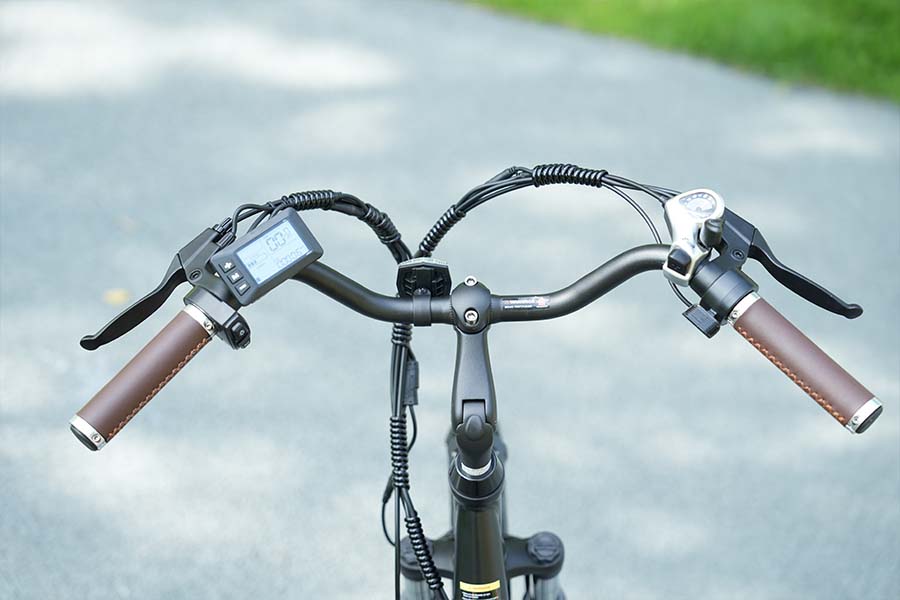
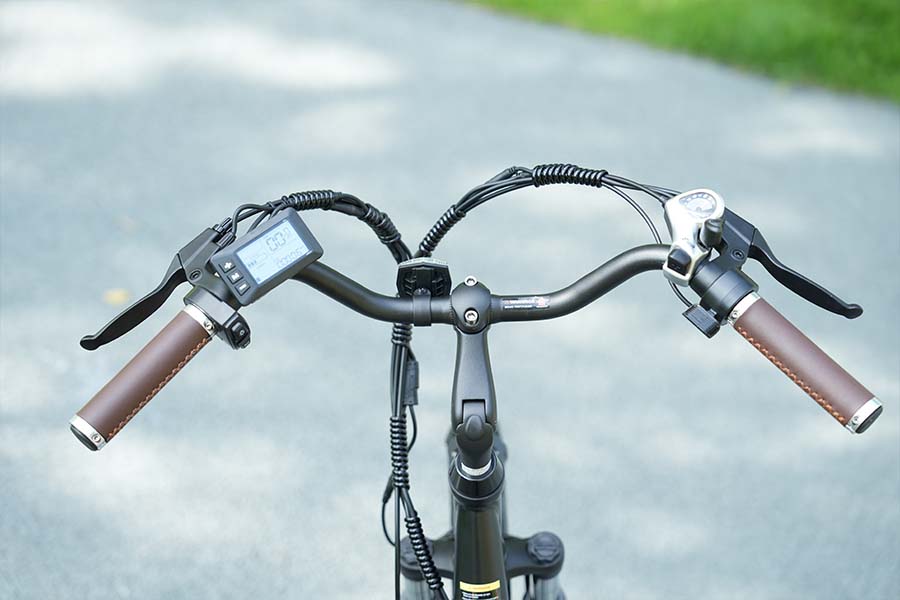
The display and control system on an e-road bike determines how easily you can adjust settings on the go. isinwheel road bikes feature intuitive, easy-to-read displays with strategically placed controls, allowing you to manage pedal-assist levels and monitor battery and speed without losing focus. A well-designed interface ensures a smoother, safer, and more enjoyable riding experience.
Conclusion
Electric road bikes don’t change road cycling — they expand it. You still get fast handling and efficiency, just with extra support when the ride gets long or the climbs get steep.
Choose based on fit, weight, motor style, battery size, and tire clearance. The right bike will help you ride more, go farther, and enjoy every mile with more confidence and less burnout.
The Latest Posts


Explore isinwheel products
City E Scooter | Off-Road Scooter
Fastest Scooter | Kids Scooters










Leave a comment