Understanding electric scooter UK law is essential if you want to ride without risking a fine. The rules can be confusing, mainly because private electric scooters and rental e-scooters sit under two very different sets of rules.
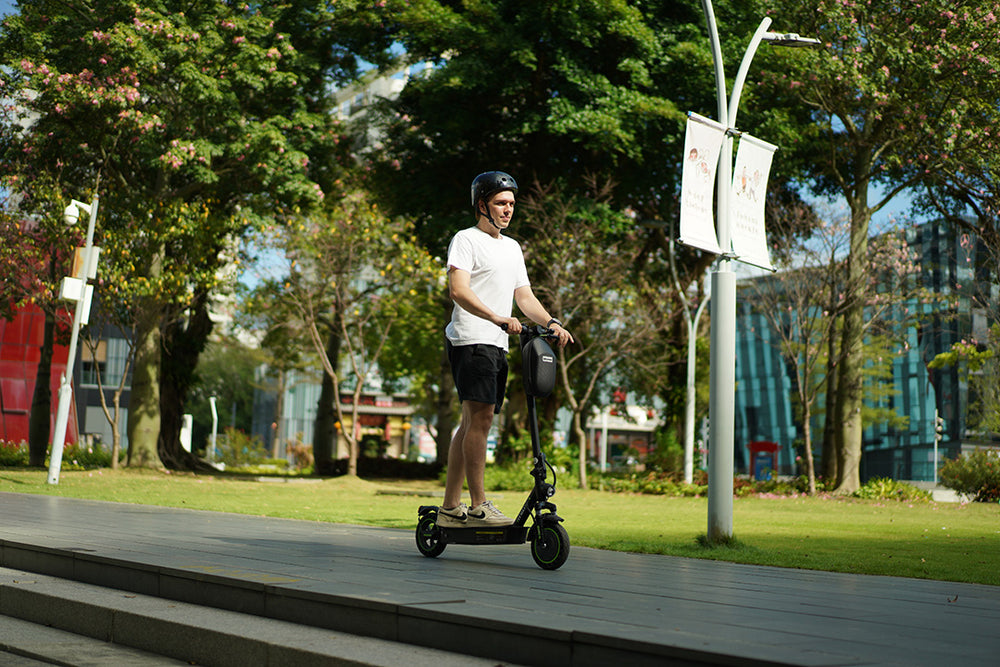
Privately owned electric scooters are still not allowed on public roads, pavements, or cycle lanes, and riding one there can lead to a fine or penalty points. Rental e-scooters, on the other hand, are permitted in officially approved trial areas across England. If you own a UK electric scooter, or you are thinking about buying one, knowing where the legal line sits helps you stay safe.
This guide covers the current electric scooter UK law, the most recent electric scooter UK law change, the penalties for getting it wrong, and where government plans currently stand.
Are Electric Scooters Legal in the UK?
Electric scooters, or e-scooters, are a familiar sight across England, yet their legal status still catches riders off guard. Here is what actually matters:
-
Ownership: buying and owning an electric scooter is completely legal in the UK.
-
Public Use: riding a privately owned e-scooter on a public road, pavement, park, or any other public space is against the law.
-
Trials and Rentals: approved rental e-scooters can be ridden on roads and in cycle lanes within official trial areas, but never on the pavement.
-
Safety Concerns: rising numbers of e-scooter related collisions have pushed authorities to tighten enforcement and safety messaging.
-
Legal Consequences: illegal use can lead to a fine, penalty points, or having the e-scooter taken away.
These rules exist to keep pavements and roads safe for everyone who uses them. Staying informed is the easiest way to avoid an expensive mistake.
Electric Scooter UK Law: Current Legal Status

Whether an electric scooter is legal to ride in public depends almost entirely on whether it is privately owned or rented through a government trial.
Private Electric Scooters
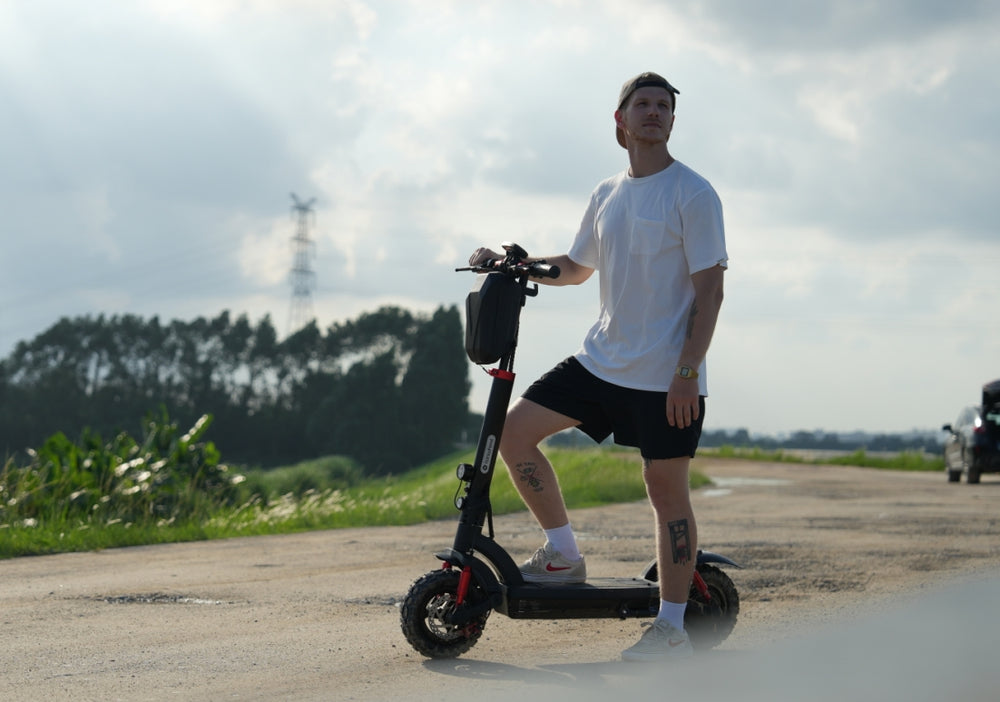
A privately owned electric scooter cannot legally be ridden on a public road, pavement, or cycle lane. The only lawful place to use one is on private land, with the landowner's permission.
Under the Road Traffic Act 1988, electric scooters are classed as motor vehicles, so they technically need insurance and registration. No scheme currently exists that lets a privately owned e-scooter meet either requirement, so riding one in public, even briefly, can lead to a fine or the e-scooter being seized.
Rental Electric Scooters
Rental e-scooters operate under separate rules set out by the Department for Transport. To hire and ride one, you need a full or provisional UK driving licence with category Q entitlement, covering most car, motorcycle, and moped licence holders, and the rental operator provides third party insurance as part of the hire.
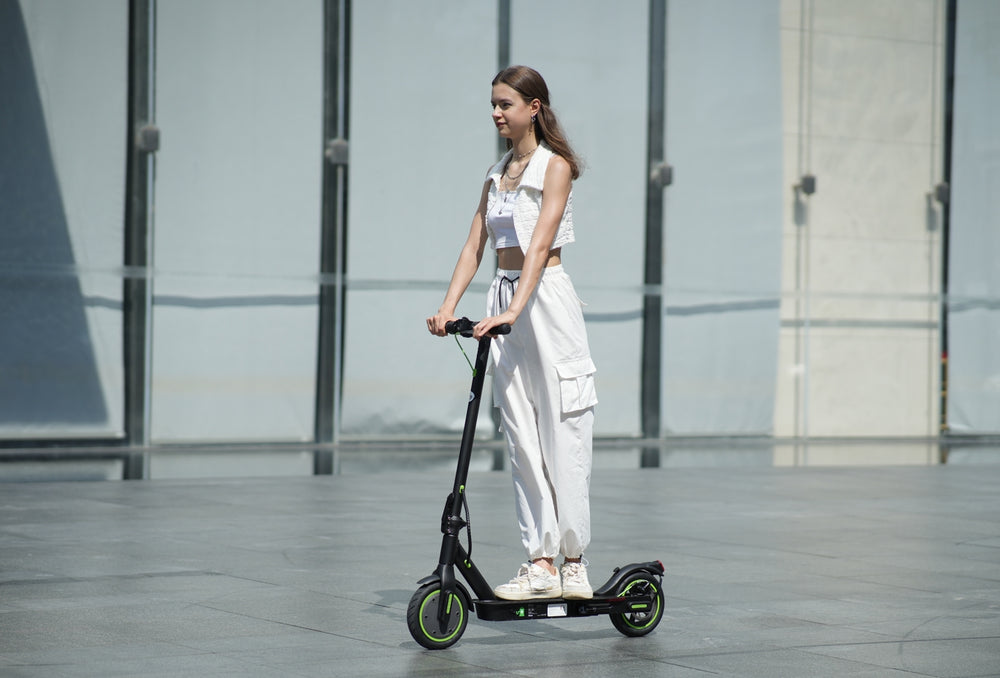
You can ride a rental e-scooter on the road, except motorways, and in cycle lanes within an approved trial area, but never on the pavement. The maximum speed is capped at 15.5mph, with some trial areas setting a lower limit. For a more clear answer, you can also read our guide on whether you need an e-scooter license when riding an electric scooter.
Electric Scooter UK Law Change: Enforcement and Penalties

Penalties for Illegal Use
Riding a privately owned e-scooter on a public road or pavement without authorisation can result in:
-
Fines up to £300 for riding without insurance.
-
Six penalty points added to your driving licence, if you hold one.
-
Seizure of the e-scooter by the police.
-
Court prosecution in more serious cases, which can bring unlimited fines or a driving ban.
Enforcement Measures
Police forces and local councils enforce electric scooter UK law through a seize first approach in many areas, regular patrols in locations known for frequent e-scooter use, and ongoing public awareness campaigns explaining where riders can and cannot ride.
Electric Scooter UK Law Change: Government Trials and Future Legislation

This is where things have actually moved. The Department for Transport has repeatedly extended the rental e-scooter trials, most recently pushing the end date to 31 May 2028, and trial areas continue to change. Brighton and Hove, Cornwall, and Plymouth recently joined the scheme, while the Newcastle trial came to an end.
A separate development is the E-scooters (Review and Awareness) Bill, introduced in Parliament in February 2026. Rather than legalising private e-scooters outright, this Private Member's Bill asks the government to formally review existing legislation and raise public awareness of the current rules, a response to widespread confusion about what is allowed.
A second national evaluation of the trials is also due and is expected to help shape future legislation. So far, no bill legalising private e-scooters for public roads has passed. Treat any headline suggesting otherwise as a proposal, not a confirmed change, and check official guidance before you ride.
Safety Considerations and Public Concerns
E-scooters continue to spark real debate about road and pavement safety. Recorded incidents involving e-scooters have risen alongside their popularity, raising fair questions about rider skill and how comfortably e-scooters share space with people on foot.
-
Pedestrians worried about sharing pavements with faster moving e-scooters, particularly in busy areas.
-
Calls for riders to properly learn how to control their e-scooter before heading out.
-
Requests for dedicated lanes that separate e-scooters from pedestrians and cars.
Opinion on e-scooters is genuinely split, between those who see them as a practical, low emission way to get from A to B and those who worry about the risks in shared spaces. Clearer rules and consistent enforcement help address both sides.
E-Scooters Compared to Other Personal Light Electric Vehicles
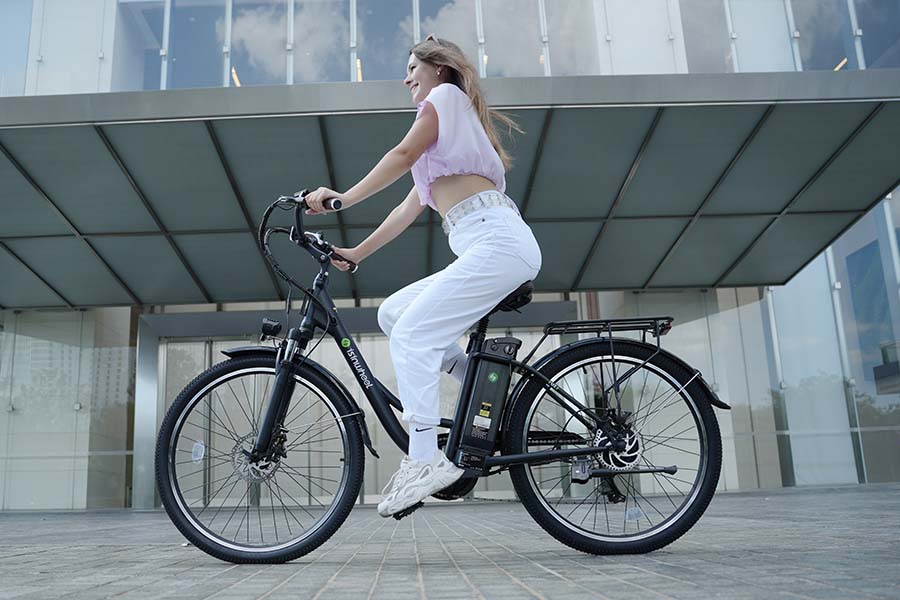
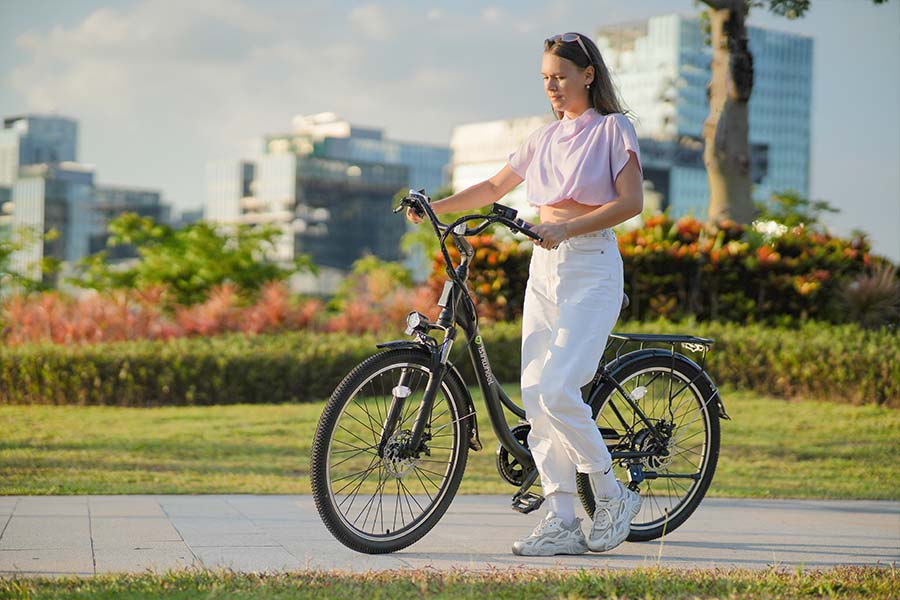
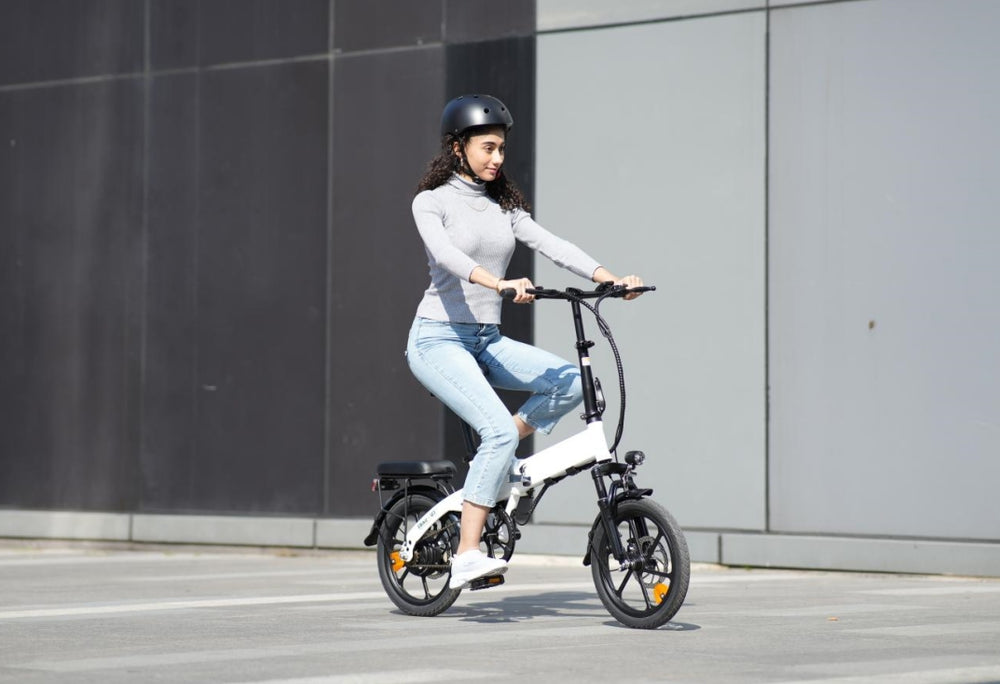
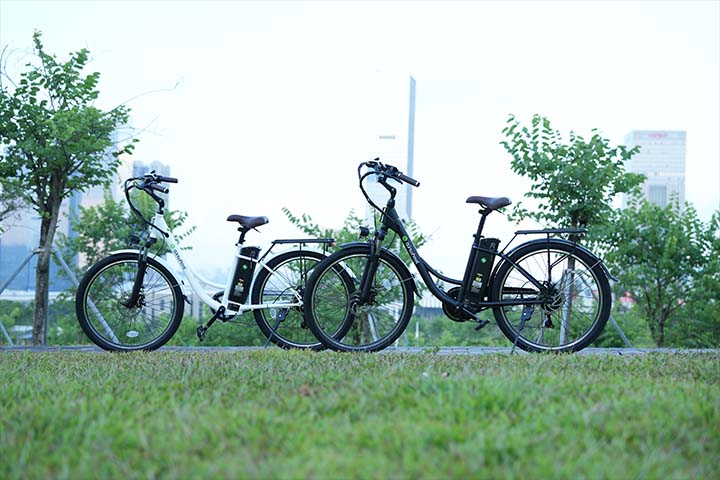
Electric scooters and electric bikes are both popular personal light electric vehicles, but they sit in different legal categories.
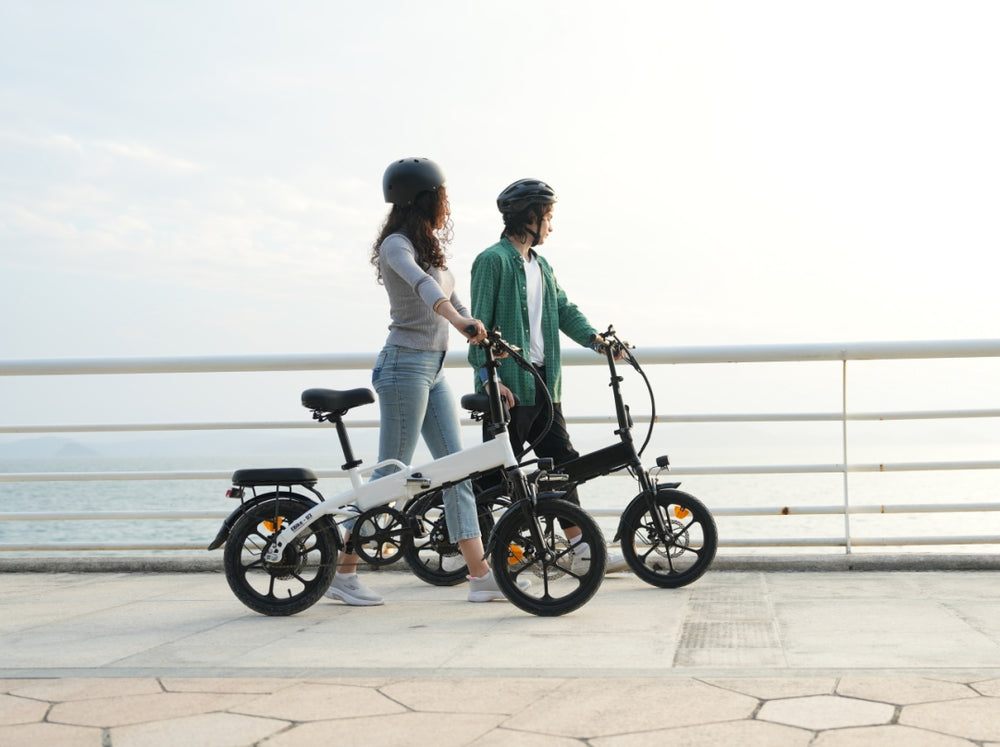
E-Bikes vs E-Scooters
-
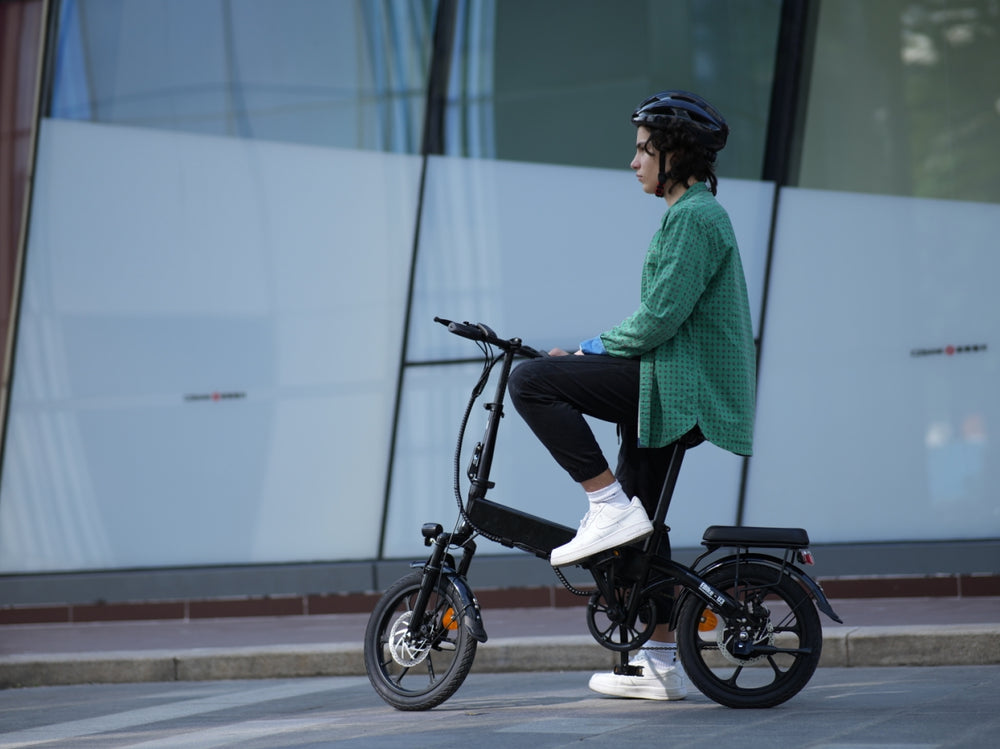
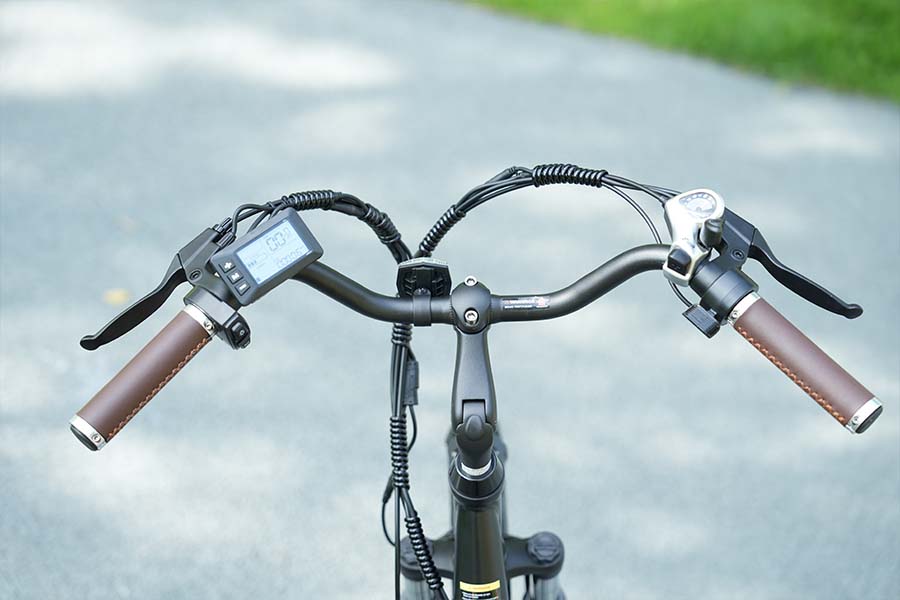
Legal status: a compliant electric bike is treated like an ordinary bicycle and can be ridden on roads and cycle lanes. An electric scooter is classed as a motor vehicle and stays illegal on public roads outside an approved rental trial.
-
Functionality: most electric bikes have pedals, so you can keep riding even if the battery runs low. Electric scooters rely entirely on battery power, which makes range more of a factor to plan around.
-
Practicality: electric bikes suit longer distances and rougher terrain, while electric scooters are compact, lightweight, and easy to fold away for shorter trips.
If your goal is a fully legal way to ride on public roads today, a compliant electric bike is currently the more straightforward option.
Final Thoughts on Electric Scooter UK Law
Electric scooter UK law has not fundamentally changed. Private e-scooters remain restricted to private land, while rental e-scooters offer a genuinely legal way to ride in approved trial areas. What has changed is the scope of the trials and the growing pressure on government to clarify the rules for good. Staying on the right side of the law protects you from fines, penalty points, and having your e-scooter taken away, so keep an eye on official updates.
Explore our off road electric scooter range for private land use, our Class 2 electric bikes for legal road riding, or read the isinwheel UK e-scooter usage notice for a plain English summary.
Electric Scooters You May Also Like
Frequently Asked Questions
Where Can I Ride an Electric Scooter in the UK?
You can legally ride a rental e-scooter on public roads and in cycle lanes within an approved trial area. A privately owned electric scooter can only be ridden on private land with the landowner's permission. Riding one on a public road, pavement, or cycle path remains illegal.
Are Electric Scooters Illegal in the UK?
Not entirely. Owning an electric scooter is legal, and riding a rental e-scooter in an approved trial area is legal too. What is illegal is riding a privately owned electric scooter on public roads, pavements, or cycle lanes.
Do I Need a Driving Licence for an Electric Scooter in the UK?
Yes, for rental e-scooters. You need a full or provisional UK driving licence with category Q entitlement, and there is no separate test to pass. Privately owned electric scooters are not permitted on public roads regardless of licence status.
What Are the Penalties for Illegal Electric Scooter Use?
A fine of up to £300, six penalty points, and seizure of the e-scooter, with more serious cases going to court for higher fines or a driving ban. See the Penalties section above for the full breakdown.
































Leave a comment