













How to Lower a Bike Seat: Step-by-Step Guide
Adjusting your bike seat height is one of the simplest changes you can make for comfort, efficient pedaling, and preventing knee or back pain. If your saddle sits too high or too low, it throws off your riding posture and slows you down over a long ride.
If you have ever wondered how to lower a bike seat safely, or how to lower the seat on a bike without damaging the post, this step by step guide walks you through the full process, from loosening the clamp to fine tuning the angle for a smooth, comfortable ride.
Step by Step Guide: How to Lower a Bike Seat

Lowering your e bike seat correctly protects your joints and keeps your pedaling motion smooth. Here is exactly how to reduce bike seat height in six manageable steps.
1. Loosen the Seat Post
Start by checking the clamp type. Most quick release levers open by hand, while road and mountain bikes often use a bolted clamp that needs an Allen key. Knowing which one you have tells you whether you need a tool at all.
For a quick release lever, simply open it and loosen the nut slightly so the post can slide. For a bolted clamp, use the correct Allen key, usually 4 to 6 mm, and turn it counterclockwise until the post moves freely. Hold the saddle steady while you loosen it so the post does not drop suddenly, and never force a seized clamp. A little penetrating oil and a few minutes of soaking will usually free it up.
2. Slide the Seat to the Desired Height
Lower the saddle gradually, about 1 to 2 cm at a time. A good target is a slight knee bend of roughly 25 degrees at the bottom of the pedal stroke, when the crank points straight down. This gives you comfort and solid power transfer without straining your joints.
For a quick starting estimate, measure your pubic bone height while standing, then subtract about 10 to 10.5 cm to find a rough saddle height from the bottom bracket to the top of the seat. Treat this as a starting point only and fine tune it on the bike. Always check the minimum insertion mark on the post afterward. Never lower the seat below that line, since it risks frame damage or a sudden post failure.
3. Align the Saddle and Check Fore Aft Position
Rotate the saddle so it points straight ahead, then check the fore aft position. Put one pedal at the 3 o'clock position and drop an imaginary vertical line from the front of your knee. That line should land on the pedal spindle. This keeps your knees tracking properly and prevents forward or backward strain.
If your knee sits too far forward, slide the saddle back a little. If it sits too far behind, move it forward. Make small adjustments of 5 to 10 mm at a time, then recheck while pedaling slowly on a trainer or while walking the bike. While you are at it, confirm the saddle is centered on the rails, since an off center seat causes uneven hip or sit bone pressure over time.
4. Secure the Seat Firmly
Close the quick release lever firmly, and expect solid resistance about halfway through the motion. For bolted clamps, tighten to the torque your manufacturer recommends, often 5 to 8 Nm for alloy parts, using a torque wrench if you have one.
Avoid overtightening, especially on carbon posts or frames, since too much torque can crack the material. If you are unsure, check your bike or seat post manual, or ask a local shop for a quick torque check. Once tightened, grab the saddle and try to twist or pull it. There should be no movement at all.
5. Test the Adjustment with a Short Ride
Take a short 5 to 10 minute ride on flat, smooth ground. Pay attention to your knee bend, hip stability, and how smoothly you pedal. Front of knee pain usually means the saddle is too low, while back of knee pain points to a seat that is still too high.
Test both standing and seated pedaling, and wear the shoes or pedals you normally ride in, since footwear changes your leg extension slightly. Small tweaks often solve most discomfort, so keep adjusting and retesting until pedaling feels natural and your joints feel relaxed.
6. Fine Tune the Saddle Angle and Position
Set the saddle level as your baseline, since most riders do best with a near horizontal seat. If you feel pressure in sensitive areas, tilt the nose down by no more than 2 to 3 degrees. If your weight slides forward while riding, tilt it up slightly instead. Test each small change on a short ride before making another adjustment.
After any angle change, recheck your height and fore aft alignment, since tilting the saddle can shift how your legs extend. Pay attention over a few rides. Ongoing fatigue or numbness usually means more fine tuning is needed. If you ride often or cover long distances, a professional bike fit is worth the investment to dial in your height, reach, and overall ergonomics.
Why Proper Bike Seat Height Matters
The right bike seat height supports smoother, more efficient pedaling and reduces fatigue on longer rides. A saddle that sits too high or too low places unnecessary strain on your knees, hips, and lower back, and it is one of the most common causes of cycling knee pain. Getting the height right helps you move naturally and ride more comfortably, whether you are commuting a few miles or heading out for a weekend ride.
When to Visit a Bike Shop
Even after lowering and fine tuning your seat, professional help is sometimes the smarter route. If you still feel discomfort despite correctly adjusting height, angle, and fore aft position, a shop technician can often spot subtle issues that are hard to catch at home.
Riders with high performance or carbon fiber frames should also lean toward professional support, since these bikes often need torque specific tightening to avoid damage or voided warranties. And if you ride regularly, a full professional bike fit measures your body, flexibility, and riding style to optimize height, reach, and fore aft position for long term comfort and injury prevention.
Explore isinwheel Electric Bikes for Comfort and Performance
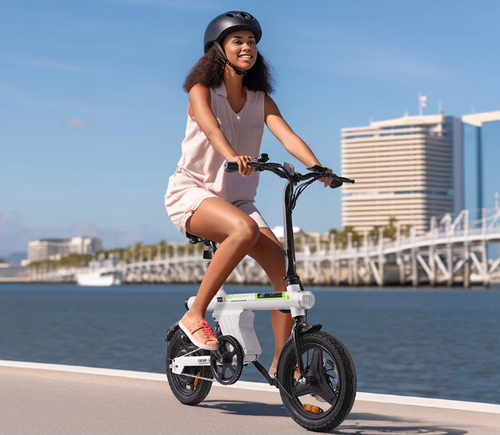
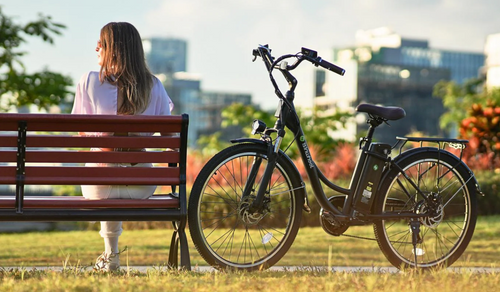
If you are ready to upgrade, isinwheel electric bikes combine adjustable saddles with pedal assist power for a genuinely comfortable ride. The lineup includes practical picks for daily journeys as well as hybrid electric bikes built for mixed terrain. Here are three current models worth a look.
|
Images |
 |
 |
 |
|
Model |
|||
|
Peak Power |
500W |
500W |
750W |
|
Battery |
280Wh |
375Wh |
720Wh Samsung |
|
Max Range |
28 miles |
55 miles |
93 miles |
|
Foldable |
Yes |
Yes |
No |
|
Tyre Size |
14 x 1.95" |
16 x 2.15" |
27.5 x 2.4" |
Maximum range figures come from controlled test conditions, so your real world range will vary with rider weight, terrain, and riding mode.
Riders who want an easy step through frame and a compact folding build should look at the isinwheel U1, while those who need more range from a foldable bike can compare the isinwheel U4. For the longest distance on a single charge, the isinwheel Dremax is worth exploring. You can also browse the full range of commuter electric bikes to compare models side by side.
FAQs
How do I lower the seat height on a bike?
Loosen the seat post clamp using a quick release lever or an Allen key, slide the saddle down to your preferred height, then retighten the clamp securely. Aim for a slight bend in your knee at the bottom of the pedal stroke for the best balance of comfort and power.
How do I lower a bike seat without a wrench or Allen key?
If your bike uses a quick release clamp, you can lower the seat by hand, simply open the lever, adjust the height, and close it again. If your bike requires an Allen key or wrench and you do not have one, it is best to get the correct tool rather than force the post, which can damage the clamp or frame.
What if my bike seat is too high?
A seat that sits too high can cause knee pain, hip rocking, and reduced control. Lower the saddle in small increments until your legs extend comfortably without overreaching. Getting the height right improves pedaling power and overall comfort.
Can I reduce bike seat height permanently?
Yes. You can reduce bike seat height by lowering the seat post, or by having a professional shorten an overly long post if needed. Always keep the post above the minimum insertion line so your bike stays safe and structurally sound.
The Latest Posts


Explore isinwheel products
City E Scooter | Off-Road Scooter
Fastest Scooter | Kids Scooters







Leave a comment