Knowing how to turn on your electric scooter light is one of the simplest things you can do to stay visible after dark. Whether you are riding on private land at dusk or testing your electric scooter before a weekend outing, a working headlight and taillight make it easier for others to see you and for you to see the path ahead.
This guide covers how to turn on electric scooter light step by step, from powering on the scooter to activating the headlight and rear light, checking that everything works, and fixing common problems. It also explains the current UK rules for private electric scooters, so you understand where you can use yours legally.
Understand Your Electric Scooter Light System
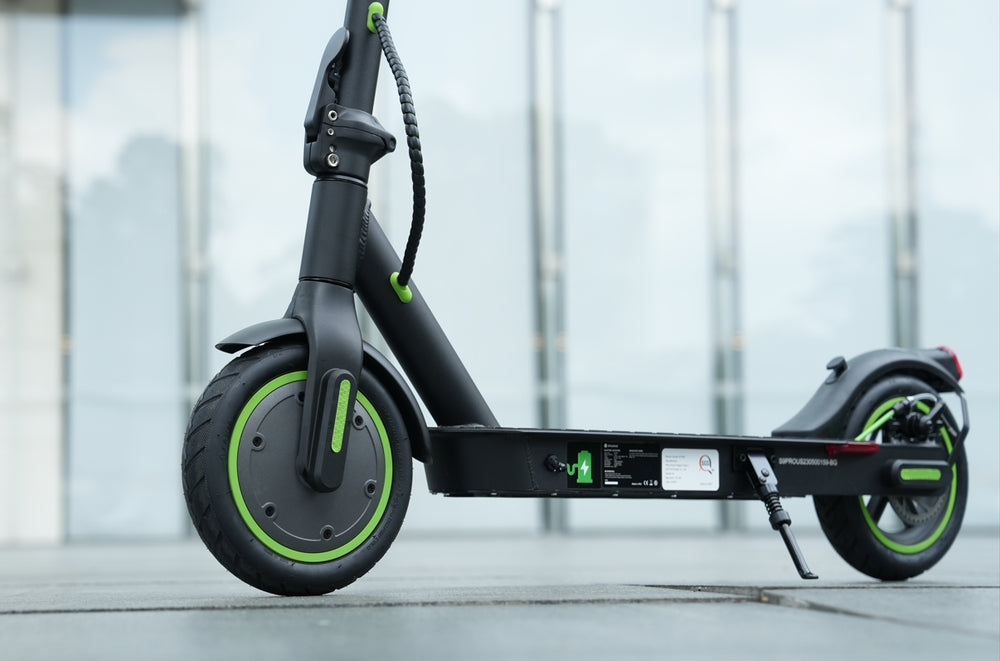
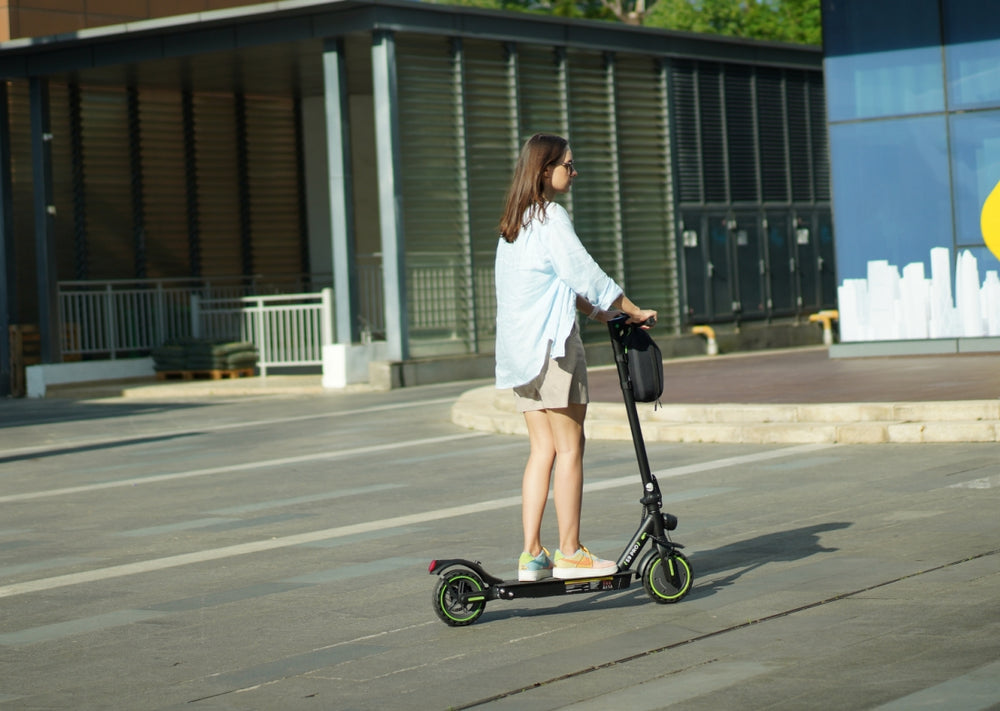
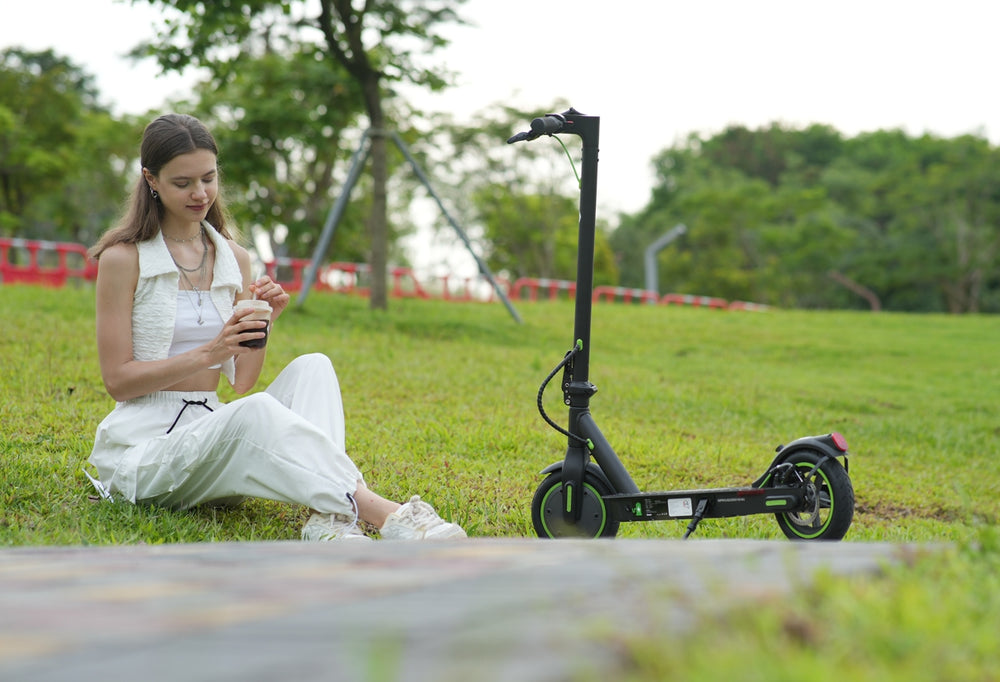
Before you try to turn on the light on an electric scooter, it helps to know what you are working with. Most electric scooters, including isinwheel models, come with a front headlight, a rear taillight, and on some models, deck or wheel ambient lighting. Controls vary by brand and model, so a quick look at your own scooter before you set off will save you time later.
Locate the Light Switch and Check the Manual
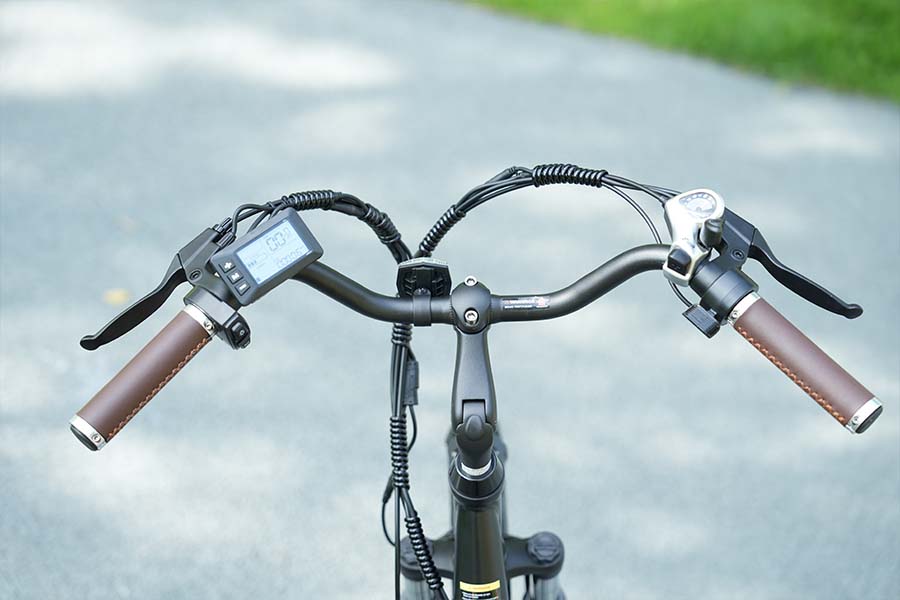
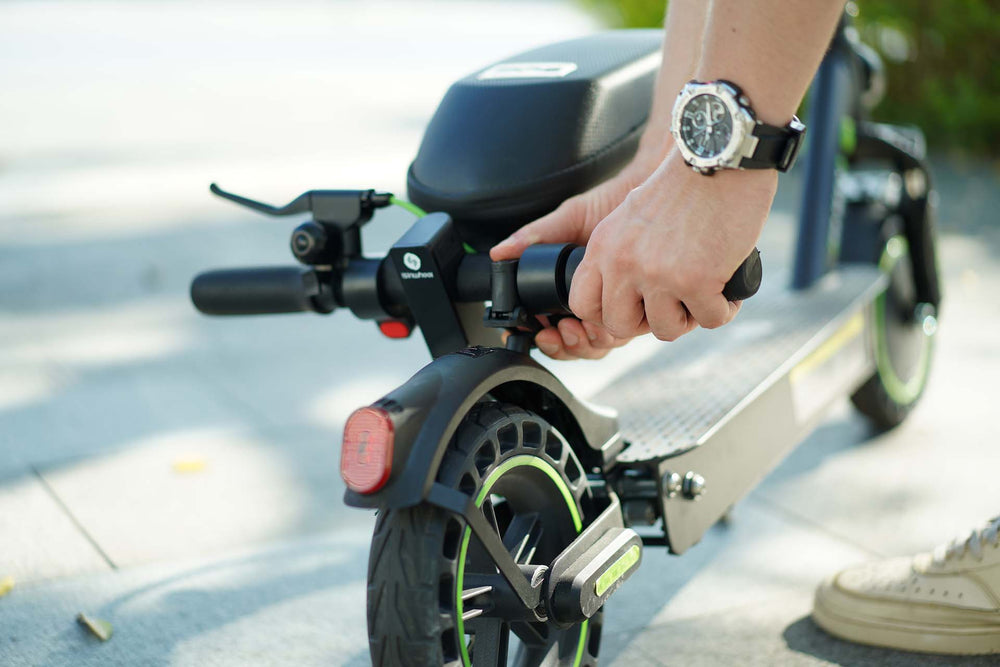
Most electric scooters have a dedicated switch or button for lights, on the handlebars, console, or stem. Some models use separate controls for the headlight and taillight, while others activate both with a single button. Since functions such as adjustable brightness or automatic light modes vary by model, it is worth reading the manufacturer's manual once, so you know your scooter's exact switch positions and features.
How to Turn On Your Electric Scooter Before Activating the Lights
Before you can turn on the electric scooter light, the scooter itself needs to be switched on. Most electric scooters require power before the lights can function, so starting your scooter correctly is the first step toward proper visibility.
Find the Power Button and Press to Start
The power button is usually on the handlebar console or near the base of the scooter, marked with a circle and vertical line, the standard power symbol. Most electric scooters need a one to three second press and hold to power on, since a quick tap alone will not activate the system. Holding the button briefly lets the display, throttle, brakes, and lights initialise properly.
Read the Display Indicators
Once powered on, check the display panel for battery level, speed mode, and the headlight icon. If a warning or low battery alert appears, deal with it before turning on the lights, since a low battery can reduce light output right when you need it most.
How to Turn On the Electric Scooter Headlight and Taillight
After the scooter is powered on, the next step is learning how to turn on lights on your electric scooter. Properly working lights matter most during early morning rides, evening rides, or any low-light conditions.
Find the Light Button and Turn On Front and Rear Lights
Most electric scooters feature a light switch, either a sliding switch, a dedicated button, or part of the console controls, usually on the handlebars for compact and portable electric scooters. Confirm both the headlight and taillight are active before you set off, since some models control them separately while others turn both on together. A quick visual check before every ride helps you catch a light that has not switched on.
Adjust Brightness if Your Model Allows It
Some electric scooters include adjustable brightness settings. Raise the intensity for darker conditions and lower it in well-lit areas, which keeps you visible while helping preserve battery life over a longer ride.
Test Your Electric Scooter Light Before You Ride
Before heading out, always test your electric scooter light to confirm it is working properly. Walk around the scooter to check that both the headlight and taillight are bright and steady, not flickering. Then glance at the dashboard, since most electric scooters show a light icon when the headlight or taillight is active. Confirming this indicator before every ride helps you spot warnings early and confirms your scooter is visible to anyone nearby.
Electric Scooter Lighting Across isinwheel Models
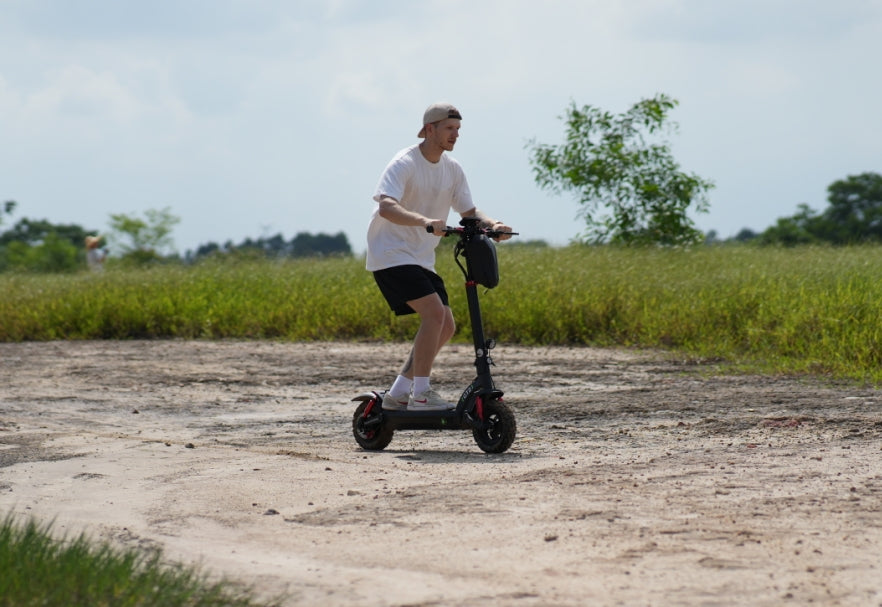
Lighting setups differ across the isinwheel range. Compact options such as the isinwheel S9 Series electric scooter include a front headlight and rear brake light suited to short, everyday trips. Off-road focused models such as the isinwheel GT2 off-road electric scooter add a stronger headlight beam for uneven terrain, while seated options like the isinwheel H7Pro electric scooter pair front and rear lighting with additional reflective detailing. For extra visibility beyond the scooter itself, an LED cycling helmet is a useful add-on. Specifications change as models are updated, so always check the individual product page for current lighting features before you buy.
Safety Tips for Riding With Electric Scooter Lights
Lights are essential, but pairing them with good riding habits keeps you fully protected. Wear reflective clothing in addition to your scooter lights, stay out of blind spots and keep a safe distance from vehicles or other riders, and slow down with earlier braking on wet or slippery surfaces, since rain and fog reduce both traction and visibility. Always check the rules that apply to where you are riding, as private electric scooters are treated differently from rental schemes under UK law.
Troubleshooting: Electric Scooter Light Won't Turn On
Even reliable electric scooters can run into light problems occasionally. If the lights will not turn on at all, check the battery charge first, confirm the scooter is switched on, and inspect the light switch and wiring for loose connections, since most startup issues come down to something simple. If the headlight looks dim or flickers, recharge the battery fully, check the bulb for damage, and confirm every connection is secure. If neither fix works, check your manual or contact customer support for model-specific guidance.
UK Rules for Electric Scooter Lights and Riding
As of 2026, privately owned electric scooters remain illegal to ride on UK public roads, pavements, and cycle lanes. They can legally be used on private land with the landowner's permission. The only electric scooters permitted on public roads are rental models operated within official government trial areas. This applies regardless of a scooter's lights, speed, or specifications.
Because most private riding happens on private land, often in low light around dusk or early morning, a working headlight and taillight remain just as important for your own safety and awareness of your surroundings. For the full, current picture of where and how you can use a private electric scooter, see isinwheel's UK E-Scooter Usage Notice.
FAQs
How do I turn on my electric scooter light?
Power on the scooter first, then locate the light switch, usually on the handlebars or built into the display console. Press or toggle the switch to activate the light, and check visually that it has come on before you ride.
How do I turn on the headlight on an electric scooter?
After switching on the scooter, find the dedicated light button or switch. Some electric scooters let you control the headlight and taillight separately, while others turn both on together. Confirm both lights are working before you set off.
Why won't my electric scooter light turn on?
Check the battery charge, confirm the scooter is powered on, and inspect the light switch and wiring for loose connections. If the problem continues, consult your manual or contact customer support.
Do all electric scooters have lights?
Most modern electric scooters, including isinwheel models, come with a front headlight and rear taillight as standard, and some also include adjustable brightness. Always check the specific product page to confirm what is included.
Can I ride an electric scooter with lights on UK roads?
Having working lights does not change the legal status of a private electric scooter. As of 2026, private electric scooters cannot legally be ridden on UK public roads, pavements, or cycle lanes. They are limited to private land with permission, while rental electric scooters remain the only option approved for public roads within official trial areas.



















Leave a comment