If you own or plan to buy a road legal electric scooter in the UK 2026 is a year worth paying attention to. Honestly the rules around e scooters have been shifting for a while now and things are still evolving. Whether you're commuting across London cutting through Birmingham or simply looking for a smarter way to get around, understanding what makes an electric scooter legal to ride in the UK is genuinely important.
This guide covers the current legal landscape what to look for in a compliant scooter and how isinwheel models like the isinwheel GT4 Dual Motor E-Scooter and the GT1 fit into the picture.
The UK legal situation around privately-owned e-scooters is, for some reason, still a bit of a grey area. Under current legislation, privately-owned electric scooters cannot be legally ridden on public roads, pavements, or cycle lanes. That rule hasn't changed. What has changed is the level of public and government attention around it.
Rental e-scooters, operated through approved government trial schemes in cities like London, Manchester, and Liverpool, remain the only legal option for riding on public roads outside of private land. These trial schemes have been running since 2020 and are regularly reviewed by the Department for Transport.
The part that catches many riders off guard: even a powerful, well-equipped scooter purchased from a reputable brand cannot legally be ridden on UK public roads unless it forms part of an approved rental scheme. On private land, however, you are free to ride any scooter you own, provided you have the landowner's permission.
Legislation to formalise privately-owned e-scooter use on public roads has been discussed in Parliament, and many riders are hopeful that clearer rules will arrive in the near future. Until they do, it is worth staying informed.
Road-Legal vs Non-Road-Legal: What Actually Differs?
Not all electric scooters are equal. A road-legal electric scooter is built to meet specific safety, lighting, and performance standards. In practice, this means things like front and rear lights, reflectors, a functioning horn, quality brakes, and robust build materials.
A scooter that ticks these boxes is the one you'd want if and when UK law opens up for private riders — or if you're riding through an approved trial scheme. On the other hand, a basic consumer model picked up cheaply online may lack the build quality, lighting compliance, or braking performance to ride safely at speed.
The weird thing is that many UK buyers are already choosing compliant, well-built scooters in anticipation of legislative change. That instinct makes a lot of sense. Investing in a scooter that meets safety standards from the outset means you're ready to ride legally the moment the law catches up.
isinwheel GT4 and GT1: Built for Compliant, Safe Riding
isinwheel has built a strong reputation in the UK for combining real performance with solid build quality. Two models stand out for riders who want a scooter that is genuinely ready for legal riding.
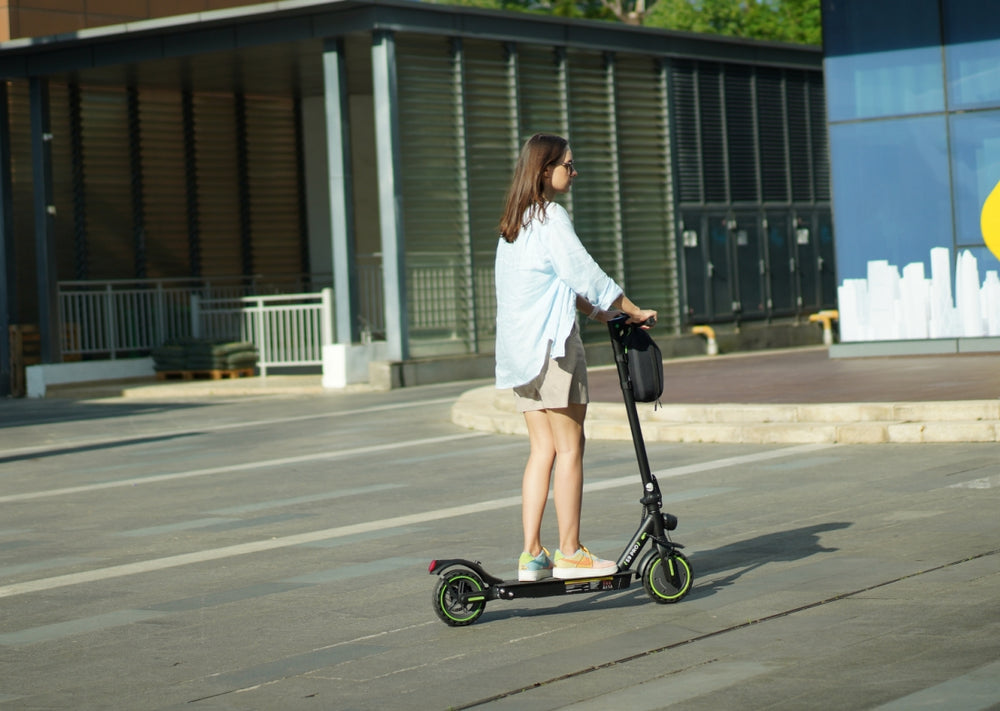
The isinwheel GT4 dual motor electric scooter is the go anywhere model in the range built for riders who want serious performance on private land and mixed terrain.
It uses a dual motor system producing 2400W peak power which gives it strong acceleration and enough torque for steep hills and rougher surfaces. It can reach up to 45 mph off road use only and offers a range of up to 50 miles depending on terrain and riding style.
Plus it connects to the isinwheel app so you can monitor battery life, adjust speed modes and keep tabs on your ride data, the kind of feature that makes a real difference for regular use.
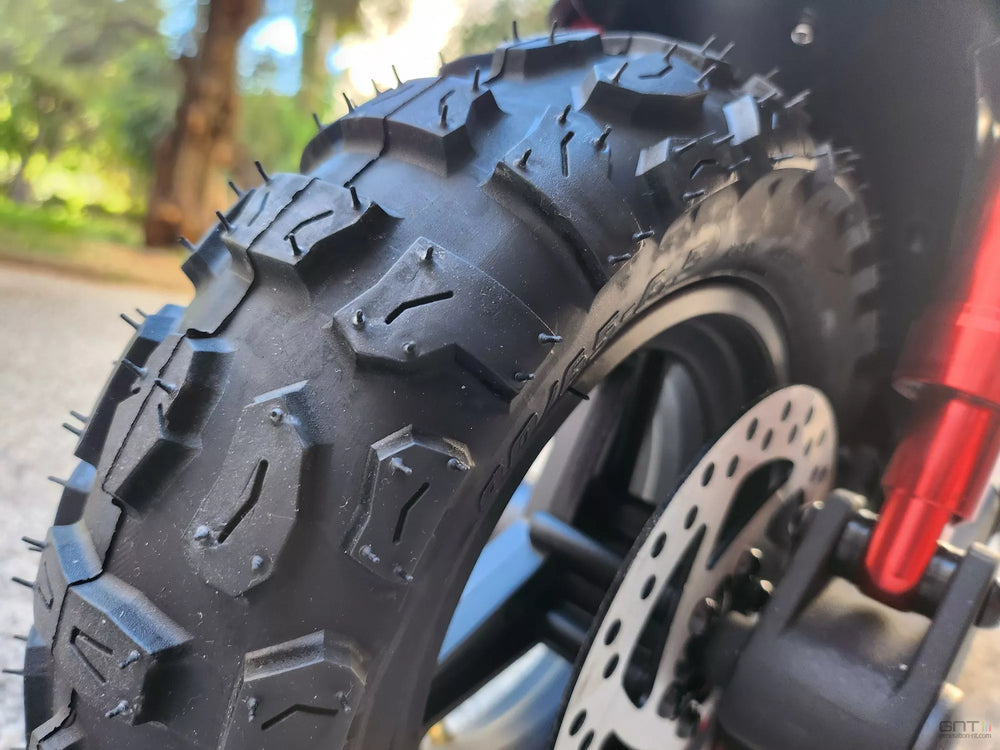
The isinwheel GT1 Off-Road Electric Scooter sits at the more adventurous end of the range. Powered by an 800W brushless motor it handles slopes up to 30 percent and reaches speeds up to 28mph. The 48V 10Ah battery supports a range of around 28 miles and the 10 inch air filled tyres paired with front and rear suspension make it genuinely comfortable on mixed terrain. At 419 pounds it's a capable choice for riders who want more versatility without going premium.
Both models come with the documentation needed to support insurance subscriptions including compliance paperwork and proof of purchase. That matters because if UK law does shift you want to be ready.
Safety Kit, Insurance, and Where You Can Ride
Even if you are riding on private land, it is worth thinking about safety equipment and coverage. A few things worth considering:
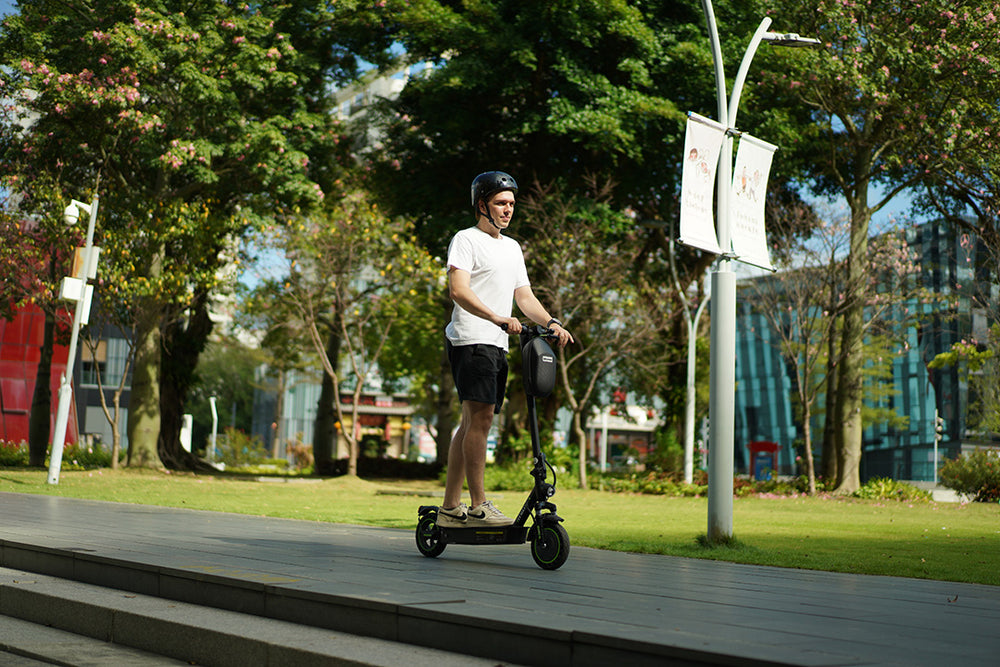
A helmet is the obvious one. Not legally required on private land, but the part that annoyed many in the e-scooter community is that serious head injuries still happen at low speeds. Worth wearing, full stop.
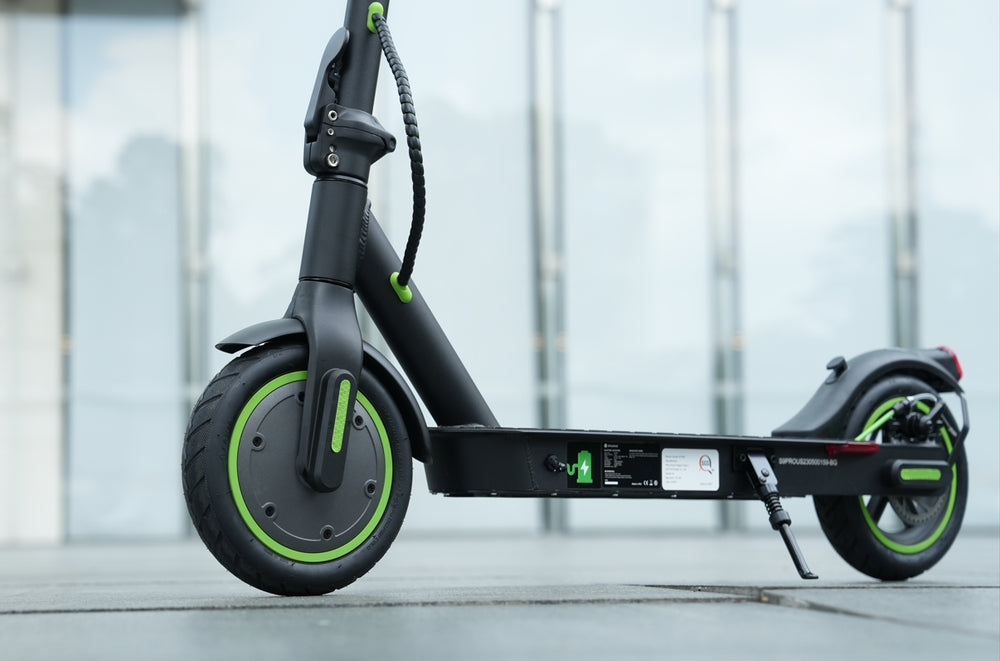
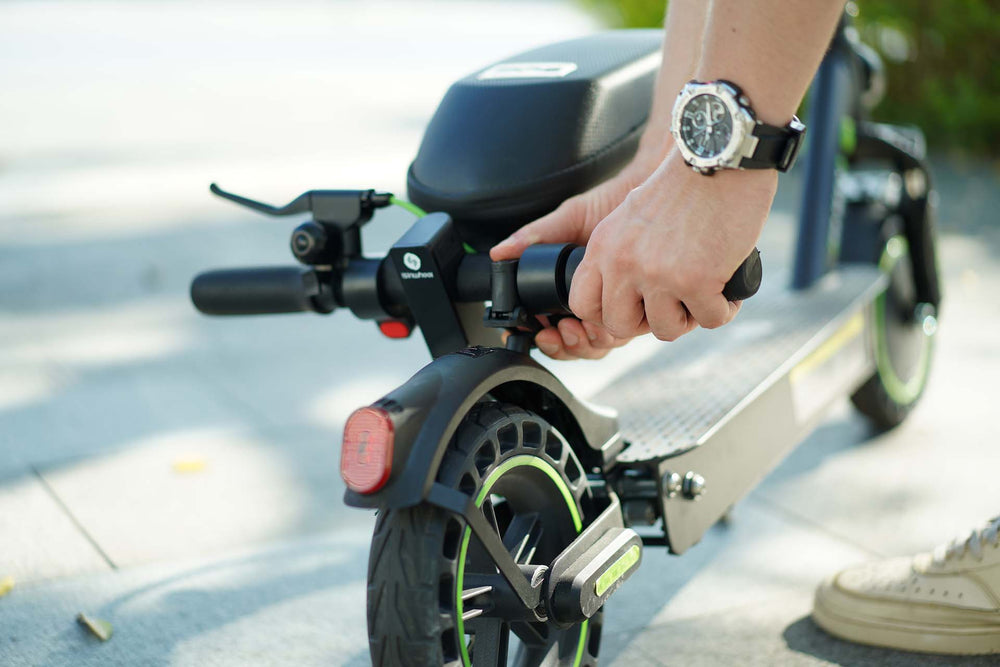
Reflective gear and lights. isinwheel GT4 comes with an integrated front headlight and rear tail and brake light system, designed to improve visibility and help riders stay clearly seen in low light conditions.
Insurance. While not a legal requirement for private land use, some home insurance policies can be extended to cover e-scooters. A dedicated e-scooter policy is a smarter option. Look for civil liability cover at minimum.
As for where you can ride: public roads and pavements remain off-limits for privately-owned scooters. Approved rental scheme areas, private estates, and large private sites with permission are your realistic options for now. Always check with local councils if you're unsure about specific locations.
Why Choosing the Right Scooter Matters Now
On top of the legal picture the practical case for buying a well built compliant scooter is straightforward. Models that cut corners on braking lighting or frame materials are not just legally questionable, they are genuinely less safe to ride.
isinwheel ships from a Birmingham warehouse with delivery across England typically within one to two business days. That kind of UK based support makes a difference when you have questions about your model, need spare parts or want to understand the latest guidance.
If you are serious about e scooter riding in the UK whether for commuting leisure or just preparing for the day private scooters are legalised on public roads starting with a scooter that already meets safety standards is the sensible move. Browse the full range at isinwheel.co.uk.
Conclusion
The UK electric scooter landscape in 2026 is clearer in some ways and still evolving in others. Privately owned scooters remain legally restricted to private land, but the quality of available models and the appetite for legislative change continues to grow.
isinwheel models like the isinwheel GT4 Dual Motor E-Scooter and the GT1 off road electric scooter are designed with performance safety and compliance in mind. Whether you are riding on private land today or preparing for the day public road use opens up, choosing a well built scooter from a trusted UK brand is a sound investment.
Frequently Asked Questions
Q1: Does the isinwheel GT4 come with compliance documents in the UK?
Yes. The isinwheel GT4 is supplied with a certificate of conformity and CE documentation. In the UK, these documents are typically used to demonstrate product safety compliance and may be required by insurers or requested in certain enforcement or liability situations, even though private e scooter use on public roads is currently restricted.
Q2: Do you need a driving licence for a road legal scooter in the UK?
At present, privately owned electric scooters are not legal to use on public roads in the UK outside of government approved rental trials, so a driving licence requirement does not formally apply to private ownership use on public highways. However, if legislation changes in future, licence requirements are expected to be similar to mopeds, potentially including a provisional licence and minimum age restrictions.
Q3: Can you ride on the road with an e scooter in the UK?
Outside of rental trial schemes, privately owned e scooters cannot currently be ridden on public roads, pavements, or cycle lanes. They are only legal to use on private land with the landowner’s permission. If UK law changes, road use is expected to come with restrictions similar to low speed urban roads and cycle infrastructure, but this is not yet confirmed.
Q4: What insurance do I need for an e scooter in the UK?
There is no standard legal requirement for insurance for privately owned e-scooters used on public roads because they are not currently legal for road use. However, some insurers may offer specialist personal liability or equipment cover for use on private land, and this is becoming more common as the market develops.
Q5: Do new 2026 rules affect scooters already purchased?
There is no confirmed UK 2026 regulation that legalises or standardises private e scooter road use nationwide. However, if future legislation is introduced, it is expected to apply to all scooters in use at that time, meaning older models may need to meet updated safety or equipment standards. Riders should keep an eye on UK Department for Transport updates and ensure their scooter remains safe and compliant for any permitted use.






























Leave a comment