












Can You Ride an Electric Scooter in Light Rain? A Complete Guide
Wondering can you ride an electric scooter in light rain safely? Most scooters with proper water resistance can handle light drizzle, but rain affects traction, visibility, and electronics. This guide covers safety tips, IP ratings, riding techniques, and maintenance to keep you and your scooter safe.
Can You Ride an Electric Scooter in Light Rain?
Yes, you can ride an electric scooter in light rain, but it depends on your scooter’s water resistance. Most scooters are water-resistant, not waterproof. For example, an IP54-rated scooter can handle light rain and small splashes safely.
Even so, rain brings risks: slippery roads, reduced traction, and possible electrical issues if water enters the battery or motor. Always check your scooter’s rating, ride cautiously, and avoid puddles to stay safe.
Understanding Electric Scooter Water Resistance
What is an IP Rating?
An IP (Ingress Protection) rating shows how well an electric scooter resists dust and water. For rain, the second digit matters:
-
IPX4: Can handle light rain and splashes
-
IPX5+: Suitable for moderate rain or stronger splashes
Knowing your scooter’s IP rating helps you decide when it’s safe to ride in wet conditions.
Tip: Always check your scooter’s IP rating before riding in wet weather.
Risks of Riding Electric Scooters in Light Rain
Riding an electric scooter in light rain is possible, but it carries several important risks that every rider should understand. Wet roads can affect safety, scooter performance, and long-term durability, even during a short ride.
Reduced Traction
Light rain makes roads slippery, especially on painted lines, metal surfaces, or smooth pavement. Electric scooters, with their small wheels and smooth tires, are more likely to skid when braking or turning, which can increase stopping distances and make it easier to lose balance. Riding slowly, braking gently, and avoiding sharp turns can help maintain control on wet surfaces.
Reduced Visibility
Rain can significantly reduce visibility for both riders and other road users. Drivers may have difficulty seeing a scooter in wet or low-light conditions, increasing the risk of collisions. Using bright front and rear lights, wearing reflective clothing or accessories, and wearing a helmet with a visor can help you stay visible and safe in rainy conditions.
Electrical and Mechanical Damage
Even water-resistant scooters are not completely waterproof. Light rain can allow water to enter sensitive components like the battery, motor, or wiring, potentially causing short circuits. Metal parts can corrode over time, and essential components such as bearings and wiring may degrade, reducing the scooter’s lifespan. To prevent damage, avoid deep puddles and dry your scooter thoroughly after every wet ride.
Warranty Considerations
Most electric scooter warranties do not cover water damage, even for models with water-resistant designs. Frequent riding in wet conditions may void your warranty if electrical or mechanical issues arise, which can result in expensive repairs that are not reimbursed.
Tips for Riding Electric Scooters in Light Rain
Riding an electric scooter in light rain can be done safely if you follow the right precautions. Understanding how to protect yourself and your scooter is essential for a smooth, risk-free ride.
Slow Down and Ride Smoothly
When riding in wet conditions, reducing your speed is critical. Sudden acceleration or hard braking on slippery roads can cause skidding or loss of control. Smooth, steady riding allows better balance and more reaction time, minimizing the risk of accidents in light rain.
Check Your Tires for Wet Conditions
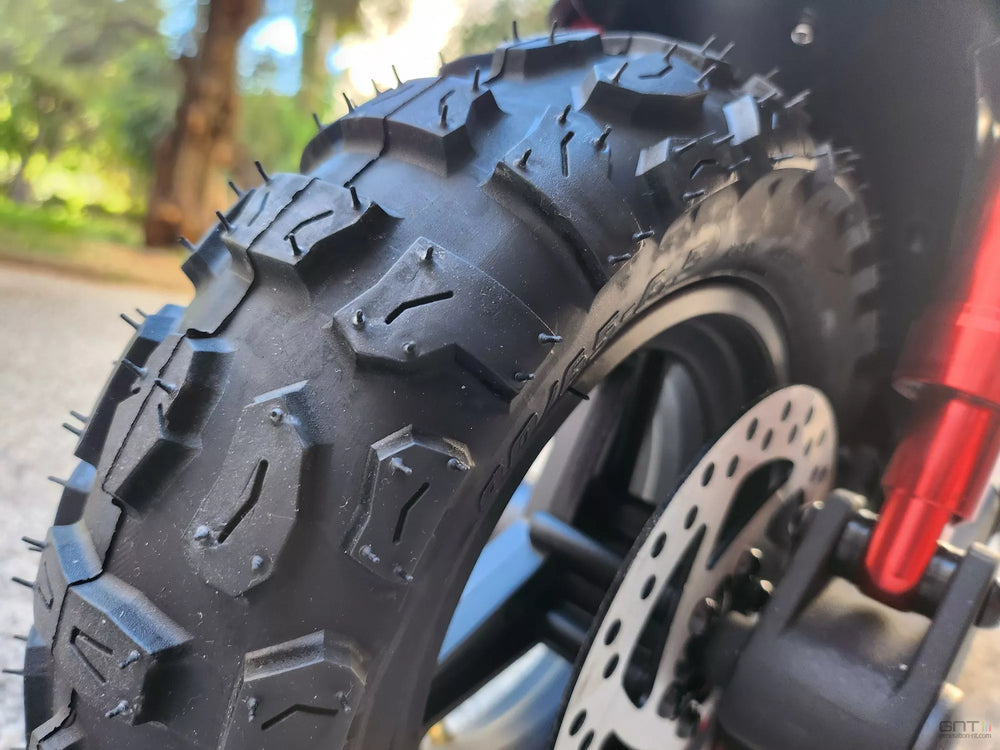
Tires are the most important factor for traction on wet roads. Air-filled tires provide better grip compared to solid tires, helping prevent slips on smooth or painted surfaces. Always inspect your tires for sufficient tread and proper pressure before riding in light rain.
Wear Waterproof Protective Gear
Staying dry improves comfort and focus. A waterproof jacket, gloves, and shoes protect your body from rain, while a waterproof cover for your backpack keeps electronics and essentials safe. Proper gear reduces distractions and helps maintain safe handling in wet conditions.
Use Scooter Covers for Sensitive Components
Even scooters with good water resistance can benefit from extra protection. Covers for the display, battery ports, and wiring prevent water from entering sensitive areas, reducing the risk of electrical damage and prolonging your scooter’s lifespan.
Avoid Puddles and Standing Water
Puddles can hide potholes, debris, or uneven surfaces that can damage your scooter or cause accidents. Ride around puddles whenever possible to protect your scooter’s motor, battery, and frame while maintaining balance on wet roads.
Enhance Visibility in Rainy Conditions
Rain reduces visibility for both riders and drivers. Wearing reflective clothing and using bright scooter lights ensures you are visible to others. A full-face helmet with a visor can keep rain out of your eyes, improving vision and overall safety while riding in light rain.
Protecting Your Electric Scooter From Rain Damage
Even light rain can affect your electric scooter over time. Taking the right precautions helps protect its components and extend its lifespan.
-
Drying After Use: Always wipe down your scooter after riding in rain. Remove the battery if it’s removable and store both the scooter and battery in a dry, well-ventilated area to prevent corrosion or short circuits.
-
Lubrication: After exposure to moisture, lubricate bearings, folding joints, and other moving parts. This helps prevent rust and ensures smooth operation. Avoid over-lubricating, as excess grease can attract dirt.
-
Optional Waterproofing Modifications: For extra protection, consider using silicone seals on seams, installing fenders, or adding motor protection. Be aware that these modifications can void your warranty if done incorrectly, so proceed carefully or consult a professional.
Charging Your Electric Scooter After Light Rain
Never charge your electric scooter immediately after riding in light rain. Even small amounts of moisture in the battery or charging port can cause short circuits, battery damage, or other electrical problems. Charging a wet scooter increases the risk of permanent damage and can also create safety hazards.
To protect your scooter, allow it to dry completely for 24 to 48 hours before charging. Store it in a warm, dry area with good ventilation, and remove the battery if possible to speed up the drying process. Following this precaution ensures the longevity of your battery and keeps your scooter safe to use.
When You Should Avoid Riding in the Rain
Even water-resistant scooters are not safe in heavy rain, thunderstorms, or on flooded streets. Wet roads reduce traction and increase the risk of slipping or losing control.
Low visibility in rain or mist makes it harder for drivers to see you, raising the chances of collisions. Lights and reflective gear help but don’t eliminate the risk.
Prolonged exposure to water can damage the battery, motor, and wiring, even on high-rated scooters. In such conditions, it’s safer to wait for the weather to improve or use alternative transportation.
Ride Confidently in Light Rain with isinwheel Electric Scooters
isinwheel electric scooters are built for light rain, with water-resistant IP54+ designs, durable batteries, and reliable motors. Ride safely and comfortably, whether commuting or enjoying a weekend trip.
Compare the top isinwheel electric scooters for safe rides in light rain, with IP ratings, motor power, range, and top speed.
|
Images |
||||||||||
|
Feature |
||||||||||
|
Motor Power |
350 W |
500 W |
1000 W |
800 W |
1000 W |
1200 W |
1250 W |
1000 W |
2400 W |
1000 W |
|
Range |
30 km |
40 km |
60–70 km |
45 km |
50 km |
60 km |
70 km |
70 km |
80 km |
61 km |
|
Top Speed |
30 km/h |
35 km/h |
45 km/h |
45 km/h |
45 km/h |
45 km/h |
50 km/h |
60 km/h |
72 km/h |
45 km/h |
|
Battery |
36 V 7.5 Ah |
36 V 10 Ah |
54.6 V 15.6 Ah |
48 V 10 Ah |
48 V 12.5 Ah |
48 V 15 Ah |
48 V 15.6 Ah |
48 V 18.2 Ah |
58.8 V 18.2 Ah |
48 V 13 Ah |
|
Charging Time |
3–4 h |
3–6 h |
6–7 h |
4–5 h |
5–6 h |
5–7 h |
6–7 h |
3–4 h |
6–7 h |
5–6 h |
|
Max Load |
100 kg |
120 kg |
150 kg |
150 kg |
200 kg |
150 kg |
150 kg |
150 kg |
150 kg |
330 lbs |
|
Net Weight |
13.8 kg |
15.6 kg |
22.1 kg |
23.8 kg |
22 kg |
22.5 kg |
27.3 kg |
46.3 kg |
33.4 kg |
27.4 kg |
|
Suspension |
Dual |
Quad |
Front + Rear |
Front Fork + Rear |
Quad |
Dual |
Dual Swingarm |
Oil + Dual Rear Springs |
Dual Swingarm + Hydraulic |
Front Swingarm + Rear Dual-Spring |
|
Tires |
8.5″ pneumatic |
10″ pneumatic |
10″ off-road |
10″ off-road |
10″ off-road |
11″ off-road |
10″ × 2.75″ |
4″ wide snow tires |
12″ × 2.75″ Tubeless Off-Road |
10″ pneumatic |
|
Brakes |
EBAS + Disc |
EBAS + Disc |
Dual Disc + Elec |
Dual Disc + Elec |
Dual Disc + EABS |
Dual Disc + Elec |
Dual Disc + EABS |
Triple (Disc + Elec) |
Dual Hydraulic Disc Brakes |
Front & Rear Disc + Hidden Electronic |
|
IP Rating |
IP54 |
IP54 |
IP54 |
IPX4 |
IPX4 |
IP54 |
IP54 |
IPX5 |
IP54 (Body), IPX7 (Battery) |
IP54 |
|
Climbing Ability |
20 % |
20 % |
35 % |
30 % |
25 % |
35 % |
30 % |
40 % |
50 % |
30 % |
Conclusion
Riding an electric scooter in light rain is possible when approached with preparation and caution. By following safety guidelines, understanding your scooter’s water resistance, and using appropriate protective gear, you can minimize risks such as reduced traction, low visibility, and potential electrical issues.
It is advisable to avoid heavy rain, flooded areas, or prolonged exposure to wet conditions. Performing regular maintenance, including drying and lubricating key components after a wet ride, helps preserve your scooter’s performance and longevity. Responsible riding in light rain ensures both your safety and the durability of your electric scooter.
FAQs
Is the isinwheel scooter waterproof?
No electric scooter, including isinwheel models, is completely waterproof. However, many isinwheel scooters have IP54 or higher water resistance ratings, which makes them safe for short rides in light rain or occasional splashes. Prolonged exposure to heavy rain or submersion should be avoided to prevent damage to the motor, battery, and electrical components.
What happens if an electric scooter gets wet?
If an electric scooter gets wet, water can enter sensitive components like the battery, motor, or wiring. This may cause short circuits, corrosion, or permanent damage. To prevent issues, power off the scooter immediately, remove the battery if possible, dry it thoroughly, and wait 24–48 hours before charging or using it again.
Can an IPX5 scooter survive rain?
Yes, an IPX5-rated scooter can handle water jets and moderate rainfall without damage. This makes it suitable for riding in light to moderate rain, but it is not designed for prolonged exposure or deep puddles. Always follow the manufacturer’s recommendations for water exposure to ensure safety and maintain warranty coverage.
Which electric scooter is best for rain?
The best electric scooters for rain are those with high water-resistance ratings (IP54 or higher), durable batteries, and sealed electrical components. isinwheel scooters are highly recommended because they combine water resistance with reliable motors, stable tires, and safety-focused designs, making them ideal for commuting or short rides in wet conditions.
The Latest Posts


Explore isinwheel products
City E Scooter | Off-Road Scooter
Fastest Scooter | Kids Scooters







Leave a comment