Riding an electric scooter in the rain is something almost every new rider wonders about, and for good reason. While a light drizzle might not seem like a big deal, wet roads can bring challenges that go beyond a slippery surface. From reduced grip and visibility to potential water damage, riding in rainy conditions can affect both your safety and your scooter’s performance.
Whether you’re commuting through rainy British streets or planning a weekend off road ride, it helps to know what your scooter can actually handle before heading out. In this guide, we’ll walk you through everything you need to know, including IP ratings, the real limits of water resistance, how isinwheel models perform in wet conditions, simple maintenance tips, and the gear that can help you stay safe and comfortable when the weather takes a turn.
IP Ratings and Waterproofing Standards: Decoding Your isinwheel Spec Sheet
Every electric scooter that claims to be water-resistant carries an IP (Ingress Protection) rating. This two-digit code, defined by international standard IEC 60529, tells you exactly how resistant a device is to solid particles and liquids.
The first digit covers dust protection (0 to 6). The second digit, the one that matters for rain, covers water protection, running from 0 (no protection) to 9K (high-pressure jet washing). For electric scooters, the most common ratings you will encounter are:
-
IPX4: Protected against water splashes from any direction
-
IP54: Dust-protected AND splash-resistant
-
IP65: Fully dust-tight AND low-pressure water jet resistant
-
IP67: Dust-tight AND submersion up to 1 metre
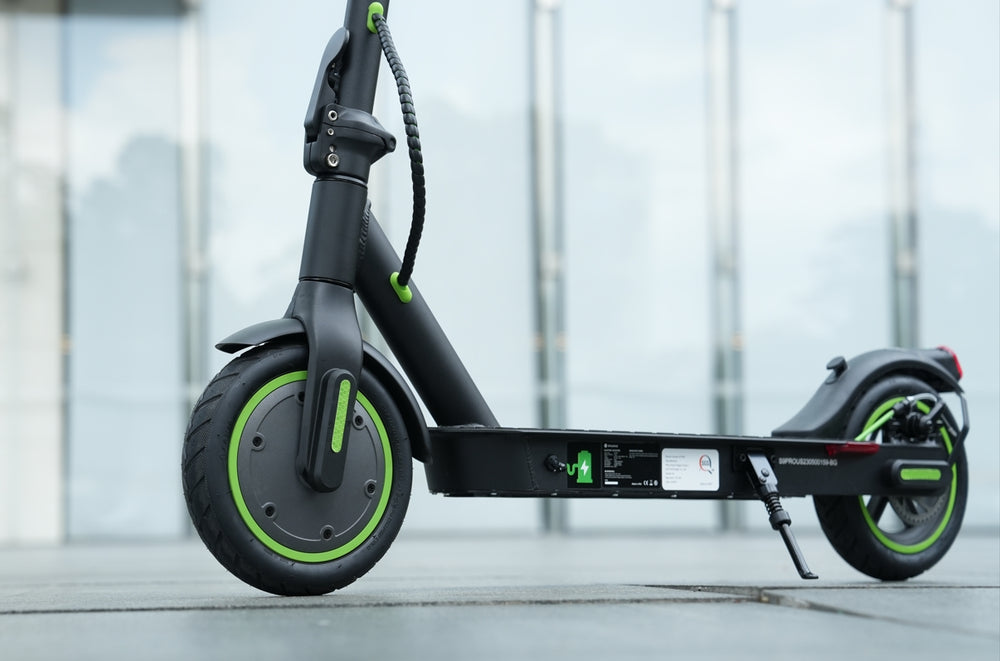
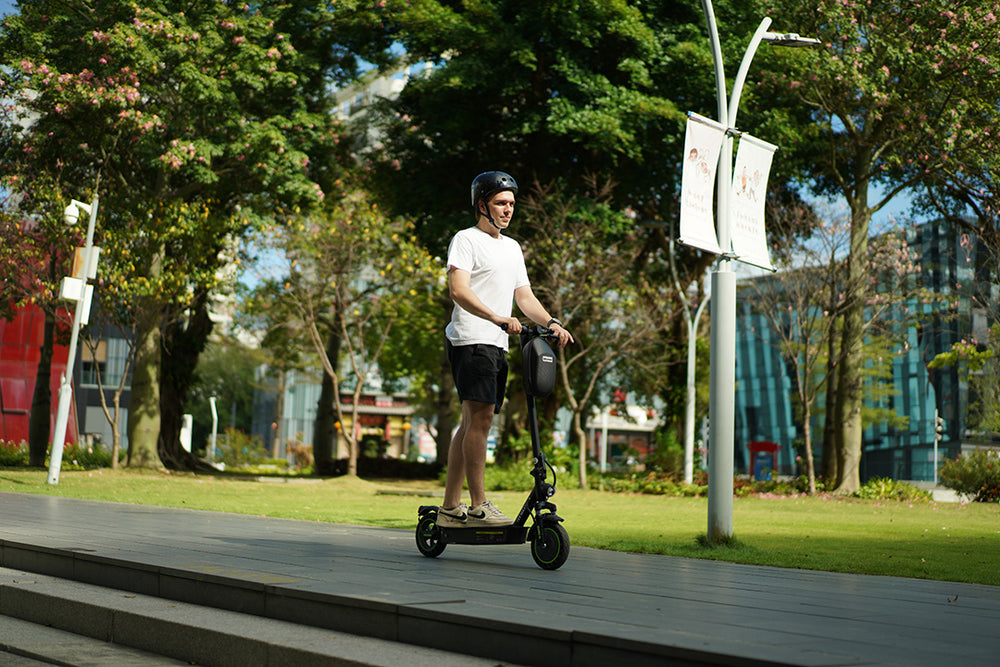
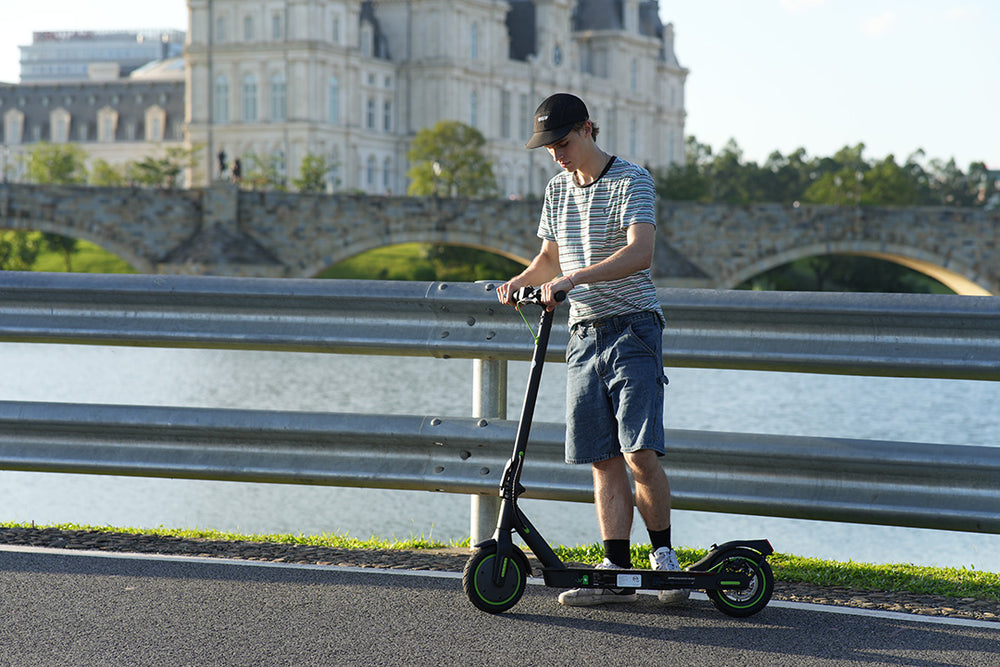
The isinwheel GT4 adult electric scooter carries an IP54 rating, meaning it benefits from both dust protection and splash resistance under normal riding conditions. The isinwheel GT1 Off-Road electric scooter is rated IPX4, covering rain splashes from any direction.
Understanding your IP rating is the first step to knowing what your scooter can and cannot handle. An IP54 electric scooter offers meaningfully stronger all-round protection than IPX4, a difference worth knowing before you ride out into a British winter.
What Really Happens When You Ride in the Rain Without Protection
Riding an electric scooter in the rain without proper awareness of its limits is not just uncomfortable, it can be genuinely damaging. Here is what actually happens at the component level when water finds its way in.
Battery and Electronics
Water ingress into the battery compartment or controller board can cause short circuits, permanent cell damage, and in extreme cases, thermal runaway. Most scooter electronics are coated, but sustained water exposure degrades that coating over time.
Motor
Hub motors are relatively sealed, but water mixed with road grit acts as an abrasive and accelerates bearing wear. Riding regularly through standing water, something common on UK roads after heavy rain, accelerates this process significantly.
Braking Performance
This is the most immediately dangerous factor. Wet disc brakes take longer to bite. On a scooter capable of 70 km/h like the isinwheel GT4 dual motor electric scooter, reduced braking performance in wet conditions can dramatically increase stopping distance. Always reduce your speed in the rain, regardless of your scooter's IP rating.
Connectors and Charging Port
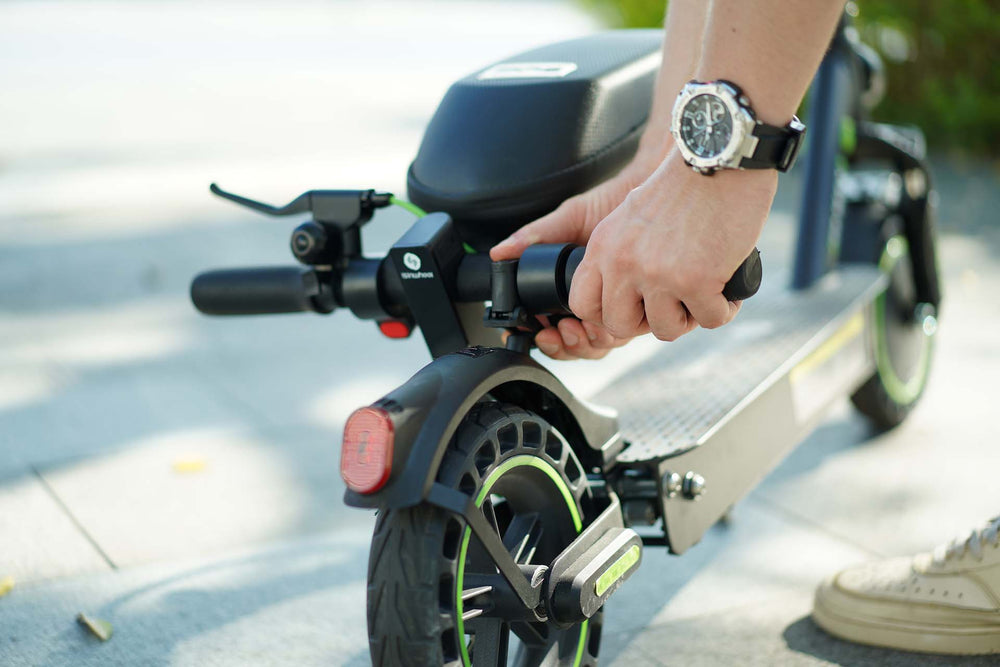
The charging port is typically one of the least-protected components. Never charge your scooter immediately after heavy rain exposure without first allowing it to dry thoroughly, at least 30 minutes in a dry environment.
isinwheel GT4 and GT1: Water Resistance Tested in Real Conditions
Both models are built to handle wet weather, making them reliable options for riding an electric scooter in rain. Here is how they compare in wet conditions:
isinwheel GT4 Waterproof All-Terrain Electric Scooter
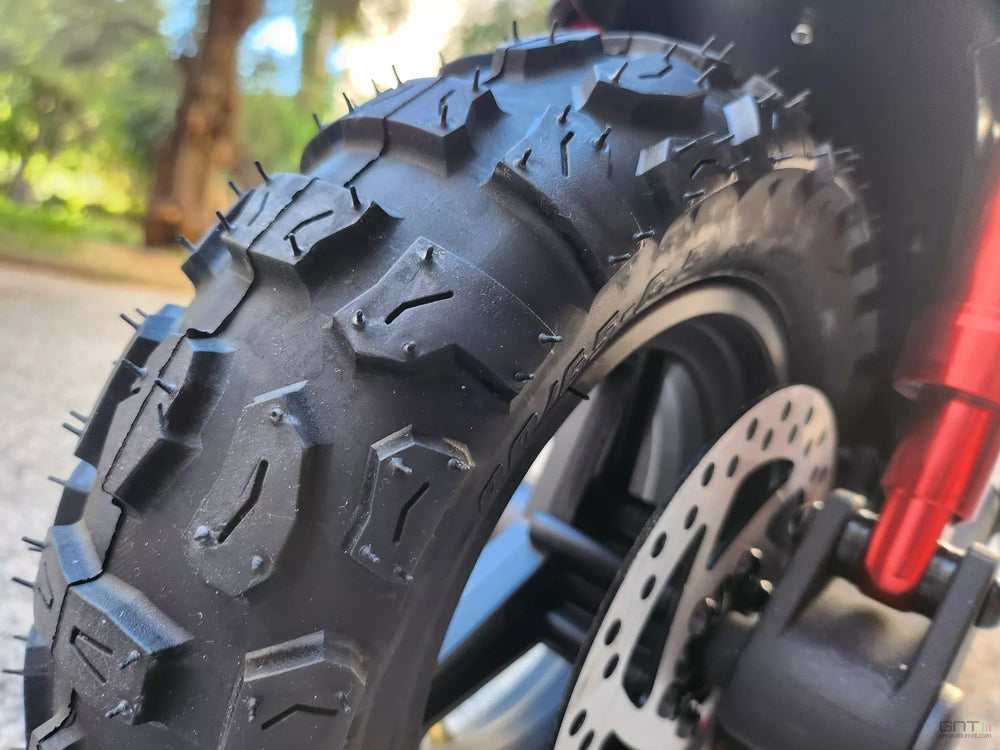
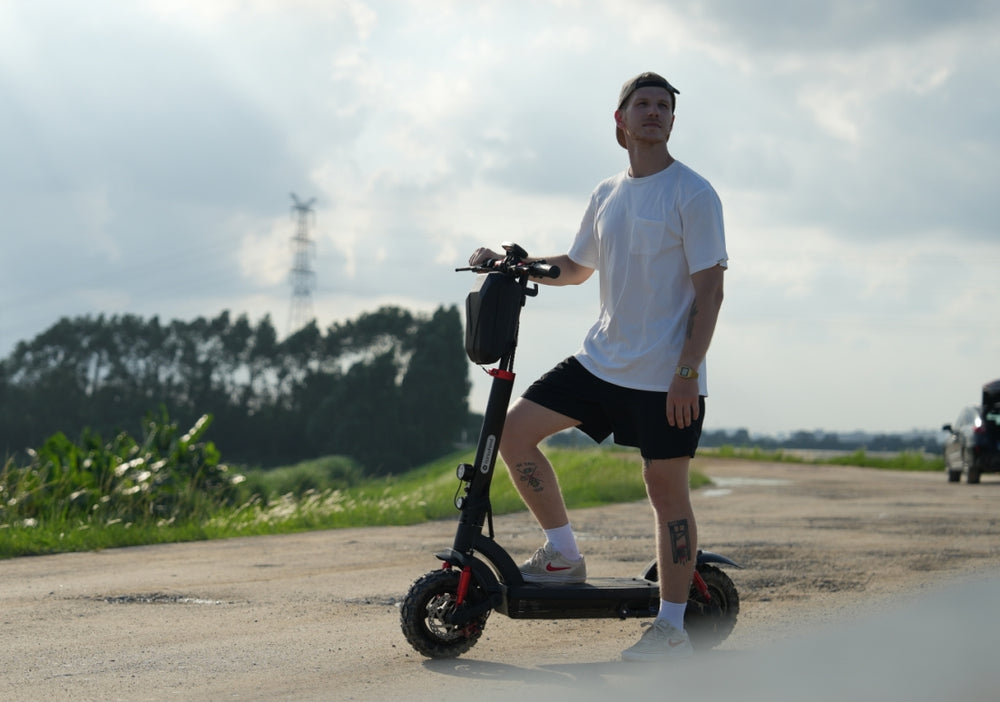
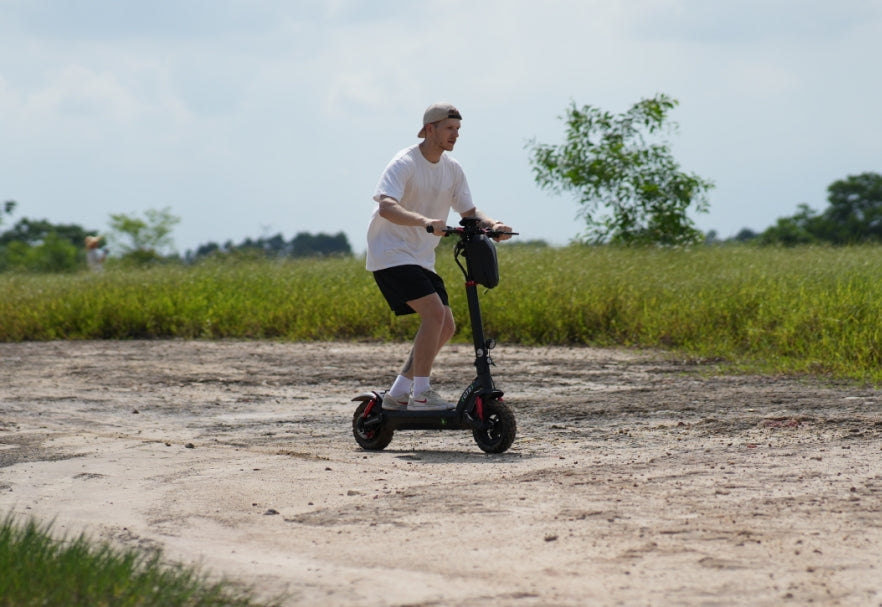
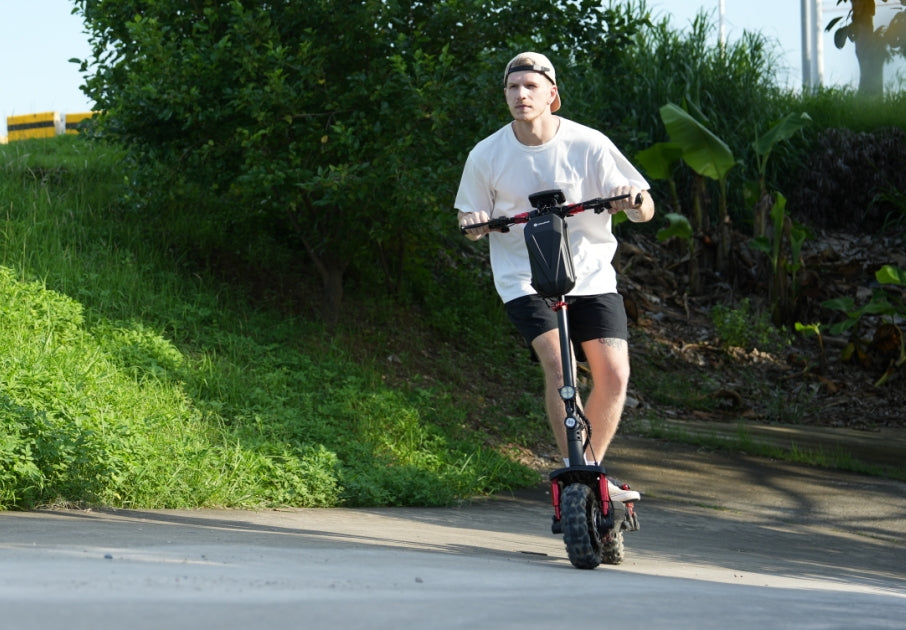
The isinwheel GT4 all-terrain adult electric scooter brings serious hardware to wet-weather riding. Its 2,400W dual motor, 12-inch pneumatic tyres, and dual hydraulic disc brakes deliver confident grip and stopping power on wet terrain. Rated IP54, it handles light to moderate rain and wet forest tracks without issue. Cap your speed at 40 km/h in the rain and stay within the IP54 envelope.
isinwheel GT1 Compact IPX4 Electric Scooter for Daily Commutes
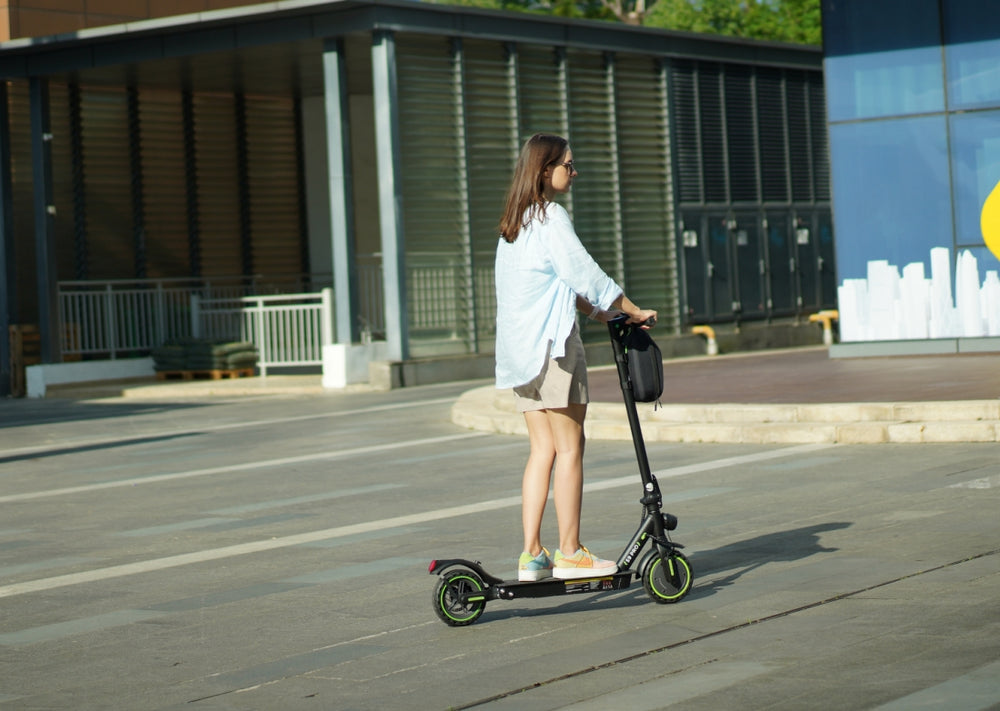
The isinwheel GT1 commuter electric scooter is the urban-focused option, lighter at 25.3 kg, powered by an 800W motor, and topped at 45 km/h. Its IPX4 rating and 10-inch tyres handle city rain, puddles, and wet bike lanes comfortably. With a 48V 10Ah battery and disc plus electronic braking, it is a dependable waterproof electric scooter for everyday UK riders. Keep speed below 30 km/h on wet urban roads.
Before and After the Rain: The Perfect Maintenance Protocol for Your Scooter
A proper maintenance routine is what separates a scooter that lasts years from one that degrades rapidly. Rain is the most common source of long-term damage, even on waterproof models.
Before You Ride in the Rain
-
Check that all cable connectors are fully seated and the charging port is sealed
-
Inspect tyre pressure, wet traction improves slightly with slightly lower pressure
-
Apply a light coat of silicone spray to exposed metal joints and the folding mechanism
-
Confirm your brakes are adjusted, wet braking requires full pad contact
After Riding in the Rain
-
Dry the scooter with a clean cloth before storing, focus on the deck, charging port and brake calipers
-
Leave the scooter in a ventilated space for at least 1 hour before charging
-
Check the display and power button for moisture, press gently to verify normal function
-
Inspect brake cables and hydraulic lines for water intrusion
-
Lubricate the folding latch and any exposed pivot points with a PTFE-based lubricant
Following this routine after each wet ride dramatically extends the life of your isinwheel electric scooter and keeps you riding safely through the UK's unpredictable weather.
Rain Accessories to Stay Dry with Your isinwheel
The right accessories transform a wet commute from an ordeal into a non-event. Here is what actually makes a difference:
For the Rider
-
Waterproof cycling jacket, not just a raincoat, but one that allows full arm movement for steering
-
Waterproof gloves, essential for grip and warmth; cold hands reduce reaction time significantly
-
Full-face or visor helmet, even light rain at 30 km/h feels unpleasant on exposed skin
-
Waterproof overshoes or boots, wet feet are both uncomfortable and a safety distraction
For the Scooter
-
Mudguard extension kit, reduces spray onto the deck and your back wheel
-
Handlebar bag with rain cover, keeps your phone dry and accessible
-
Silicone port covers, protect the charging port during rides in sustained rain
-
LED visibility strips, critical for being seen in low-visibility wet weather
Combining the right rider gear with a waterproof electric scooter like the isinwheel GT4 adult electric scooter means you are genuinely all-weather capable, not just technically water-resistant.
Conclusion
Riding an electric scooter in the rain is absolutely manageable with the right knowledge and gear. Respect your IP rating, follow the maintenance protocol, and equip yourself properly. Your isinwheel will perform safely whatever the weather.
Whether you choose the isinwheel GT4 waterproof all-terrain adult electric scooter or the agile isinwheel GT1 commuter electric scooter for urban commutes, both deliver proven water resistance and all-weather reliability, making them a great choice for UK riders who refuse to let the weather decide.
FAQs
Q1: What is the exact IP rating of the isinwheel GT4 and what does it cover?
The isinwheel GT4 adult electric scooter carries an IP54 rating. This means it is both dust-protected and resistant to water splashes from any direction under normal riding conditions. It is not rated for submersion or direct water jet exposure. Riding in light to moderate rain is well within this rating; riding through deep puddles or heavy storms is not recommended.
Q2: Can you wash your isinwheel with a low-pressure water jet?
No. The IP54 and IPX4 ratings cover splashes and rain, not directed water jets, even at low pressure. Use a damp cloth to clean your scooter. Avoid directing water at the charging port, motor vents, or display unit.
Q3: Is the onboard electronics protected against water splashes?
Yes, within each model's rated limits. The controller board, battery management system, and display are designed to withstand splash-level water exposure. However, sustained water exposure or water ingress through worn seals can cause damage over time. The maintenance protocol above helps prevent this.
Q4: Does the isinwheel warranty cover rain-related damage in the UK?
Standard warranties generally cover manufacturing defects, not damage resulting from use outside the specified IP rating. Damage from submersion or riding in conditions beyond your scooter's rated limits would typically not be covered. Riding within the rated conditions and following the maintenance protocol protects both your scooter and your warranty.
Q5: What protective gear do you recommend for riding in wet weather in the UK?
Prioritise a waterproof jacket with mobility, waterproof gloves for grip and warmth, a helmet with a visor, and waterproof footwear. For visibility in low-light British conditions, add a high-visibility vest or LED safety strip. Proper rider gear is as important as scooter waterproofing, since wet conditions reduce braking distances and visibility for other road users significantly.

















Leave a comment