Knowing how to change an electric scooter tyre is one of those skills that genuinely saves you time and money. The short answer: remove the wheel, take off the old tyre, fit the new one correctly for its type (inner tube, solid, or tubeless), then reattach and test. Simple in theory, though each tyre type has its own steps.
Whether you’ve picked up a puncture on the way to work or your tread is just worn down, the method varies depending on which type of tyre your e-scooter uses. Get it right and you’ll be back on the road quickly. Get it wrong and you risk an unsafe ride. So let’s go through it properly.
What Are the Different Types of Electric Scooter Tyres?
Before you start, you need to know what you’re working with. There are three main tyre types, and each one handles differently during installation.
Inner Tube (Pneumatic) Tyres
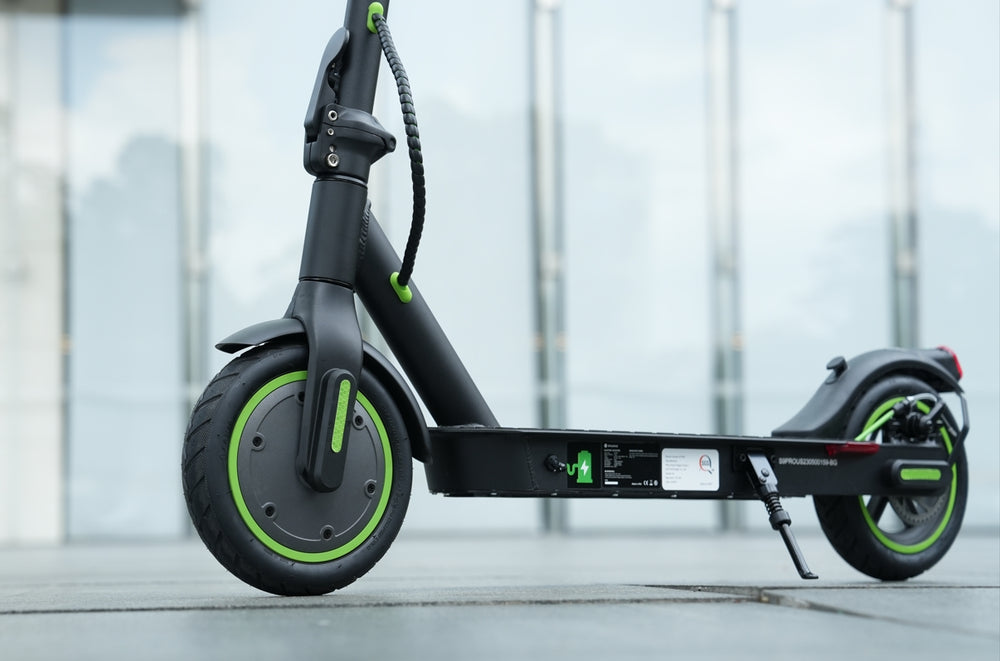
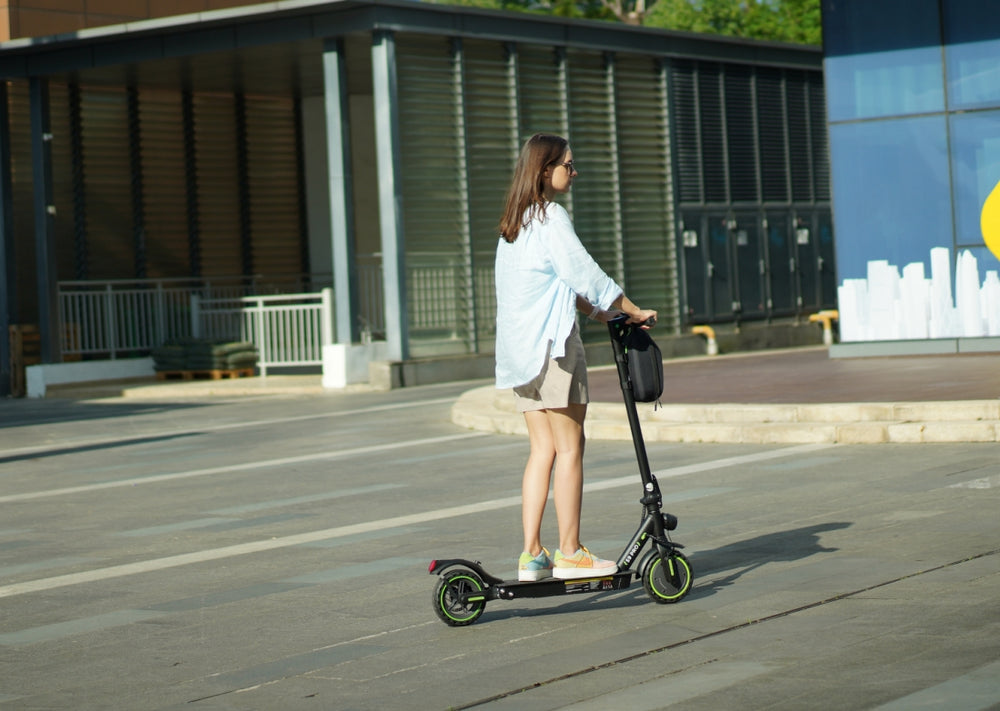
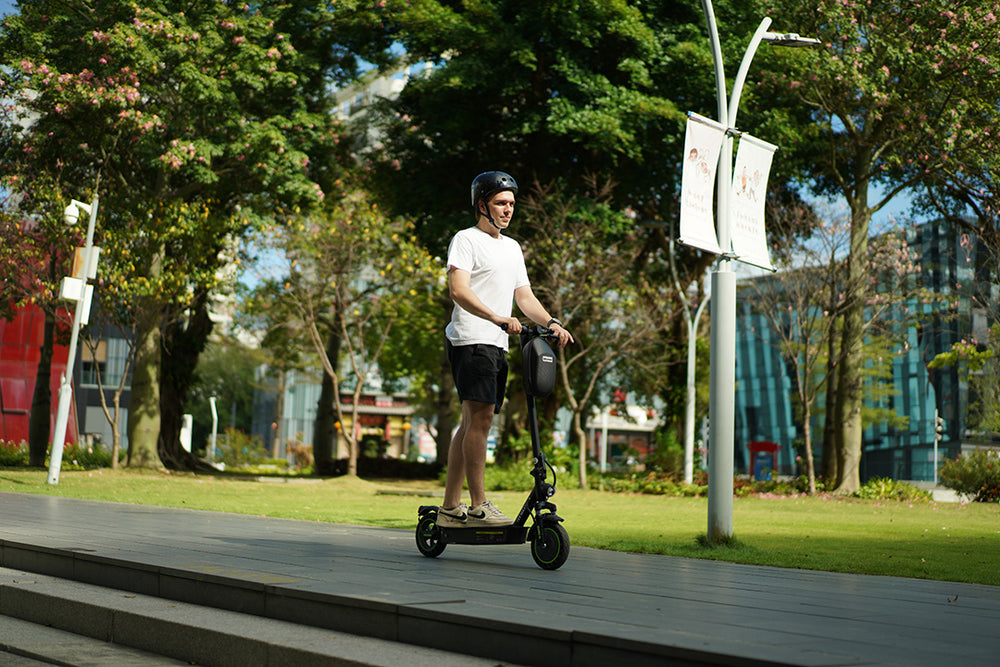
These are inflatable tyres with an inner tube inside. They absorb road vibration really well, which makes everyday riding noticeably more comfortable. The downside is that they can puncture. You’ll need to check the pressure regularly and carry out more maintenance than with other tyre types. The isinwheel S9 Portable Electric Scooter uses pneumatic tyres, which is part of why it’s such a smooth option for daily commuting.
Solid (Puncture-Proof) Tyres
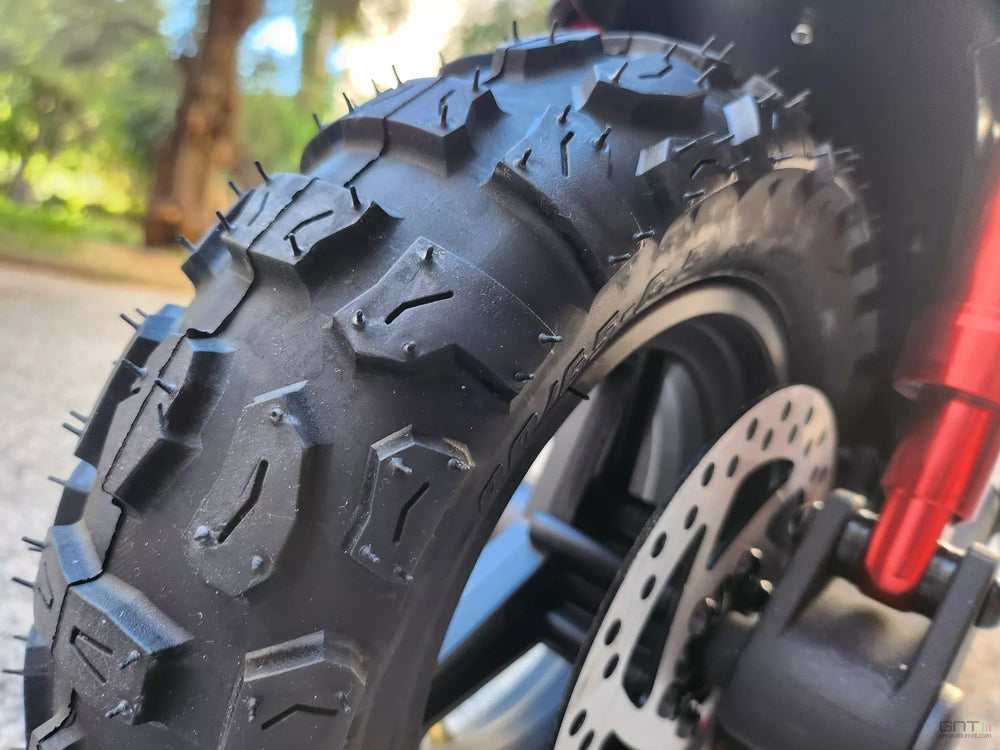
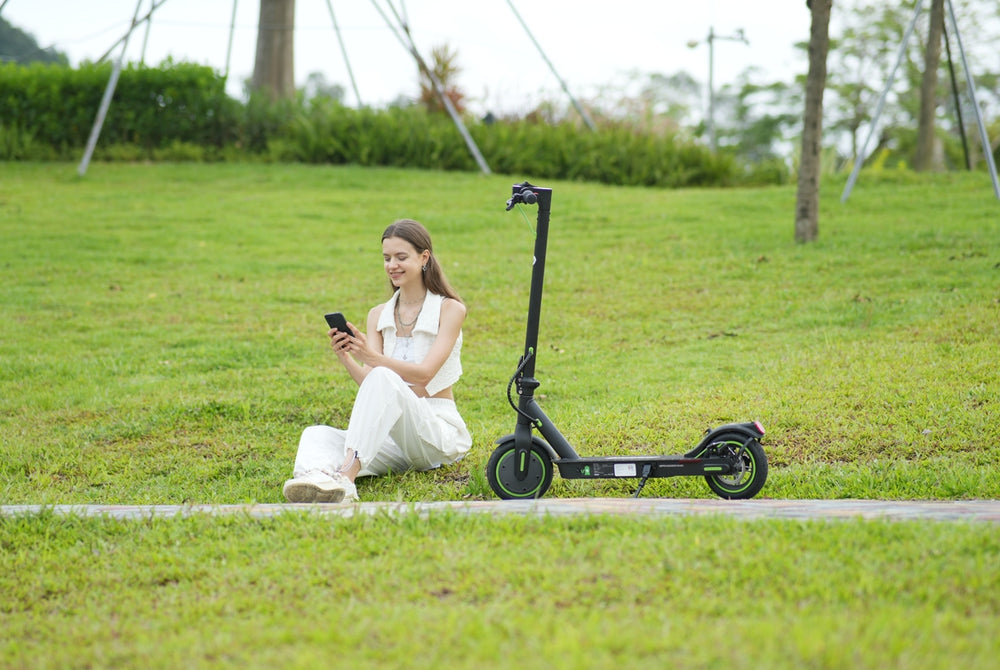
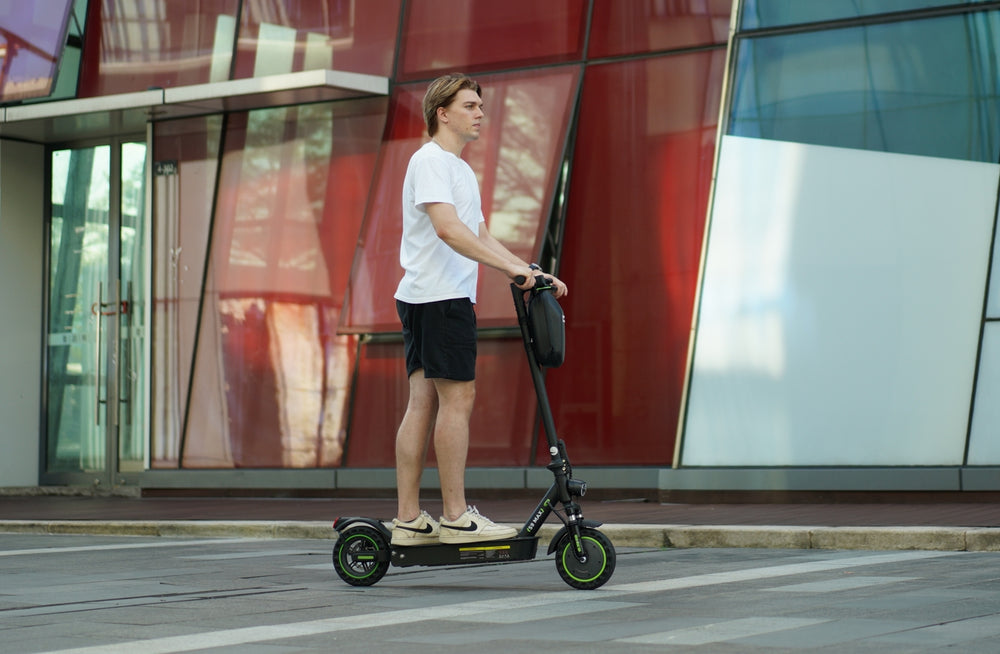
Solid tyres have no inner tube, so punctures simply aren’t a concern. That makes them brilliant for low-maintenance use. The trade-off is comfort: they don’t absorb bumps as well, and grip on wet surfaces can be slightly reduced. For riders who want reliability above all else, though, they’re a solid choice. The isinwheel S9Max Adult E-Scooter comes fitted with solid tyres, giving it that puncture-proof durability alongside its 500W motor.
Tubeless Tyres
Tubeless tyres sit between the two. Mounted directly on the rim without an inner tube, they offer better puncture resistance than pneumatic tyres while keeping some flexibility for comfort. Installation is more technical and usually requires a compressor. Some higher-specification scooters use tubeless setups for riders who want the best of both worlds.
Tools and Accessories You’ll Need To Change an E-Scooter Tyre
-
Allen keys and open-ended spanners — for removing wheels and any mudguard fixings.
-
Tyre levers (designed for scooters or bicycles) — make removing a tight tyre much less of a struggle.
-
A pump or compressor with a pressure gauge — for reinflating to the correct PSI after fitting.
-
A replacement inner tube or spare tyre — make sure it matches your wheel size.
-
A little lubricant (such as soapy water or silicone spray) — helps ease the tyre onto the rim.
-
A basin of hot water — especially useful when fitting a solid tyre, as the heat softens the rubber.
-
Cable ties, pliers, gloves, and a small pot for screws — handy extras that make the job easier and help keep small parts organised.
-
Keep everything nearby before removing the wheel — having your tools ready beforehand makes the process smoother.
How to Change an Inner Tube Tyre on an Electric Scooter
Pneumatic tyres are the most common type you’ll encounter, particularly on commuter e-scooters. Here’s the step-by-step process.
1. Remove the Wheel
Undo the nuts or bolts holding the wheel in place. If your scooter has a motor in the wheel hub, disconnect the motor cable carefully before pulling the wheel free. It’s worth photographing the setup before disassembly so you know exactly where everything goes when reassembling.
2. Deflate the Tyre
Press the valve core to release all the air. A fully deflated tyre is far easier to work with and reduces the risk of damaging the inner tube during removal.
3. Remove the Old Tyre
Push one side of the tyre bead towards the centre of the rim to loosen it, then use tyre levers to work the first half off. Once that side is free, pull out the inner tube, then remove the second bead completely.
4. Fit the New Tyre
Check the inside of the tyre and the rim for any sharp objects before fitting. Slightly inflate the new inner tube so it holds its shape, then lubricate the tyre bead with a little soapy water. Mount one bead onto the rim, feed the valve through its hole, position the inner tube carefully, and then work the second bead on without pinching the tube.
5. Inflate and Refit
Inflate gradually to the manufacturer’s recommended pressure. Check the tyre is centred on the rim and that there are no air leaks. Reattach the wheel, tighten everything up, and confirm the brakes are working and the wheel spins freely before you ride.
How to Change a Solid (Puncture-Proof) Tyre on an Electric Scooter
Solid tyres are tougher to remove and fit than pneumatic ones. Patience is the key here.
1. Remove the Wheel
Start by removing the wheel using Allen keys or spanners. If your e-scooter has a hub motor wheel, disconnect the motor cable carefully to avoid damaging the wiring. Keep screws and fixings in a small container so they’re easy to find when reassembling the e-scooter.
2. Remove the Old Solid Tyre
You can cut through the old solid tyre in sections to make removal easier. Use a lever and cable ties to gradually work it off the rim without forcing it. Take your time: rushing this step can damage the rim.
3. Fit the New Solid Tyre
Soak the new tyre in warm water or use a hairdryer on it briefly to make the rubber more pliable. Apply soapy water or silicone spray to both the rim and tyre bead. Use cable ties to hold the tyre in place as you work it around the rim, then remove them once it’s fully seated.
4. Refit and Test
Reattach the wheel and tighten all fixings securely to the recommended torque. Check the wheel alignment and ensure nothing rubs against the frame or brakes. Finish with a short test ride to make sure there’s no wobble, vibration, or unusual noise.
How to Change a Tubeless Tyre on an Electric Scooter
Tubeless tyres require a bit more technical know-how, but the process is manageable if you follow the steps carefully.
1. Remove the Wheel
Remove the axle, brake caliper, or drum brake depending on your scooter’s design. Note the position of any spacers and the direction of wheel rotation so reassembly is straightforward.
2. Break the Bead and Remove the Tyre
Deflate fully, then break the bead away from the rim. Use tyre levers and a little lubricant to ease it off without scratching the rim surface.
3. Fit the New Tubeless Tyre
Clean the rim thoroughly and check the valve and rim tape are in good condition. Mount one bead, add tyre sealant if needed, then work the second bead on carefully. Make sure the tyre is centred before inflating.
4. Inflate and Check for Leaks
Use a compressor to seat the beads firmly. Listen for the characteristic ‘pop’ as each bead sets. Check for any leaks, refit the wheel, and test before riding.
Practical Maintenance Tips to Keep Your Tyres in Good Condition
Honestly, the best way to avoid a roadside tyre change is to keep on top of basic maintenance. A few habits make a real difference.
-
Keep tyre pressure correct. An underinflated tyre increases puncture risk and puts extra strain on the motor. Overinflation leads to an uncomfortable ride and uneven wear. Check the pressure before each ride with an accurate gauge.
-
Inspect tread regularly. Look for cracks, bald patches, or cuts. Worn tread reduces grip, particularly on wet British roads, so replace tyres before they become a safety issue.
-
Watch the road surface. Avoid glass, gravel, and sharp kerb edges where you can. Adjusting your speed and line on rougher surfaces protects the tyres and extends their life noticeably.
-
Carry a basic repair kit. A spare inner tube, tyre levers, a portable pump, and cable ties will get you out of most situations if something goes wrong mid-ride. The part that annoyed me most the first time I had a puncture was realising I had nothing useful with me.
-
Rotate front and rear tyres periodically to even out wear. Observe the manufacturer’s torque settings when refitting wheels, and take new tyres through a gentle break-in period before pushing them hard.
FAQs
How do I change the tyre on my electric scooter?
Start by removing the wheel from the scooter, then take off the old tyre using the appropriate method for its type: inner tube, solid, or tubeless. Fit the new tyre, ensure it is correctly seated and inflated to the pressure specified in your scooter’s manual, then reattach the wheel and confirm everything is secure before riding.
Is it possible to change just one tyre?
Yes. You can replace a single tyre without touching the other one, provided the replacement matches the size and type of your existing tyre. Just make sure the wheel is correctly reassembled and balanced once you’re done.
Can I change an electric scooter tyre myself?
Yes, with the right tools and by following the correct steps for your tyre type. Inner tube and solid tyre changes are well within reach for most riders. Tubeless tyres are more involved and may benefit from professional assistance if you’re not confident, but they’re manageable with a compressor and some care. Always check that the tyre is properly seated and inflated to the recommended pressure before your first ride after any tyre change.







































Leave a comment