Getting an error code on your electric scooter is one of those moments that stops you in your tracks. It is confusing, sometimes a little alarming, but most of the time it is not as serious as it looks. Electric scooter error codes are simply your scooter's way of flagging an issue before it turns into something bigger.
Whether you ride your isinwheel electric scooter around the block or take it out for a longer session on private land, understanding how to clear an error code on an electric scooter saves time, money and unnecessary worry. This guide covers the most common fault codes, what they mean, and how to sort them out, including the E1 and E5 codes that trip up the most riders.
How to Identify Error Codes on an Electric Scooter
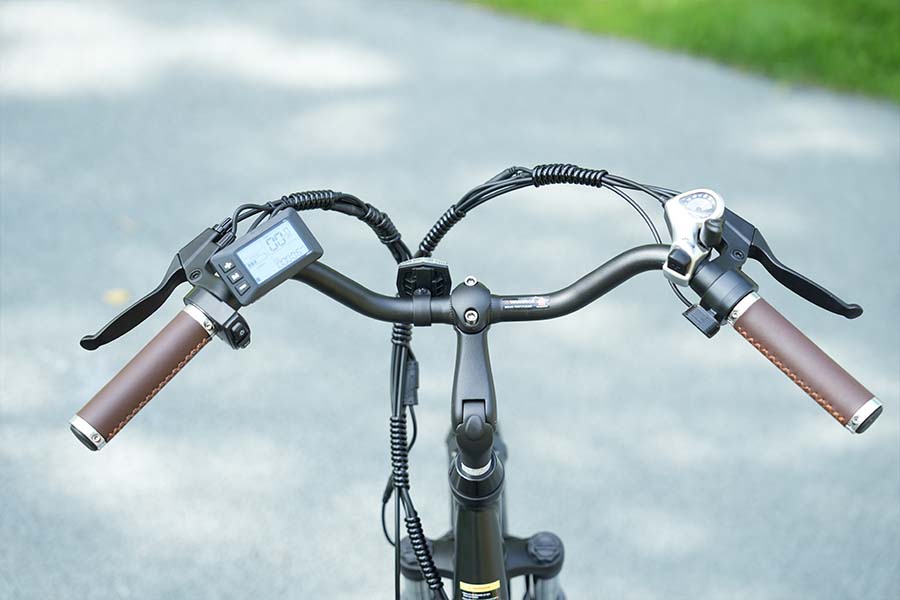
Most modern electric scooters display error codes directly on the handlebar screen as a short string of letters and numbers. Some models also beep in patterns matched to a specific fault, though those are hard to decode without the manual, so the screen is usually your clearest starting point.
The first thing to do when a code appears is check your owner's manual. Every manufacturer uses slightly different codes, and isinwheel electric scooters are no exception, so a code that means one thing on another brand's scooter can mean something else here. Once you know which component it points to, you are already halfway to fixing it.
Common Electric Scooter Error Codes and What They Mean
The table below covers the fault codes you are most likely to see on an electric scooter, along with a quick fix to try for each one.
|
Error Code
|
Meaning
|
Quick Fix
|
|
E1
|
Throttle fault
|
Check the throttle connector
|
|
E2
|
Brake lever or sensor fault
|
Inspect brake lever and cable
|
|
E3
|
Motor or motor cable fault
|
Check for loose motor cables
|
|
E4
|
Controller communication fault
|
Reset the scooter and check cables
|
|
E5
|
Battery or battery cable fault
|
Charge the battery, inspect cables
|
|
E6
|
Display or communication fault
|
Restart the scooter, check display cables
|
|
E7
|
Hall sensor fault
|
Inspect motor sensor connections
|
|
E8
|
Overcurrent protection triggered
|
Reduce load, avoid steep gradients
|
|
E9
|
Undervoltage protection triggered
|
Charge the battery fully
|
|
E10
|
Temperature sensor fault
|
Let the scooter cool before riding
|
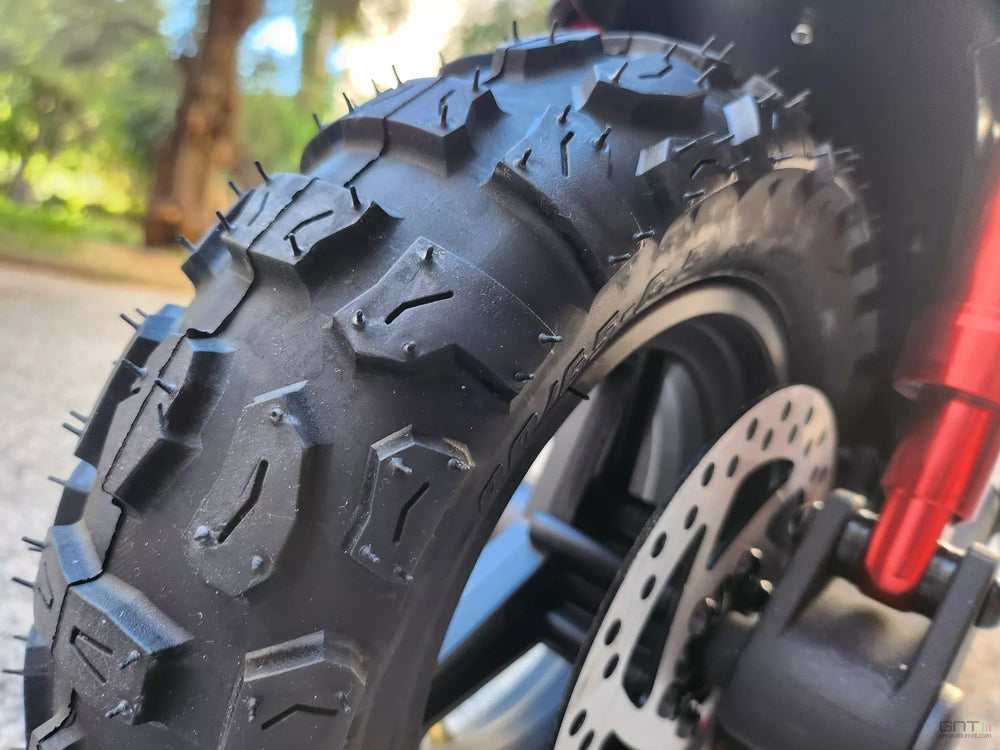
One point worth flagging early: tyre pressure is not one of the ten fault categories above, but it still matters. Underinflated tyres force the motor to work harder, which strains the throttle and can trigger overcurrent codes such as E8. Checking E1 tyre pressure alongside the throttle connector is good diagnostic practice, even though low pressure is rarely the direct cause of E1.
isinwheel Electric Scooter Error Codes Explained
These codes apply directly to isinwheel electric scooters, though small variations exist between ranges, so check your manual if anything looks different. Most faults can be resolved without professional help. Here is what each code means and what to try first.
-
E1 (Throttle Fault): Check that the throttle connector is properly seated. Press the handlebar connection firmly, and reconnect it if you have recently checked tyre pressure or done other handlebar work.
-
E2 (Brake Fault): Inspect the brake lever and cable for damage or a stuck lever. Confirm the lever moves freely and shows no fraying.
-
E3 (Motor Fault): Loose motor cables are the most common cause. Power off, check all motor connectors are firmly attached, then restart.
-
E4 (Controller Fault): Turn the scooter off, wait 30 seconds, then switch it back on. If the code persists, reconnect the main cable harness beneath the deck.
-
E5 (Battery Fault): Charge the battery fully and check the cable connection. If E5 returns after a full charge, the battery may need professional inspection.
-
E6 (Display Fault): Restart the scooter and check the display cable at the base of the stem. This usually clears on its own after a reboot.
-
E7 (Hall Sensor Fault): Check the sensor connector near the motor hub. If the connection looks clean and the fault remains, book a technician visit.
-
E8 (Overcurrent Protection): The motor is drawing too much current, typically from extra weight, a steep gradient, or underinflated tyres. Reduce the load and try flatter ground.
-
E9 (Undervoltage Protection): The battery charge is critically low. Charge it fully before riding, and avoid regularly draining it below 20 percent.
-
E10 (Temperature Fault): The scooter has overheated. Leave it somewhere cool and shaded for 15 to 20 minutes before restarting.
How to Clear an Error Code on an Electric Scooter: Step by Step
Once you have identified the code, here is how to actually clear it.
-
Step 1, turn it off and back on. Hold the power button until the display goes dark, wait 30 seconds, then restart. This clears more faults than you would expect.
-
Step 2, check all connections. Inspect every cable connector for loose fittings or corrosion. Vibration and moisture can work connectors loose over time.
-
Step 3, disconnect the battery. If a restart alone does not clear the code, disconnect the battery for two to five minutes to perform a full reset, then reconnect and see whether the code reappears.
-
Step 4, inspect the relevant component. Based on the error code, visually check the corresponding part for damage, exposed wiring, corrosion or debris.
-
Step 5, test ride on private land. Take a short, cautious ride somewhere you are legally permitted to ride, such as your own driveway or another private area with the owner's consent. If the code returns straight away, the issue needs professional attention.
How to Fix an E5 Error on an Electric Scooter
E5 is one of the codes isinwheel owners search for most. Start with a full battery charge, since a partial charge is the biggest cause of a false reading. Still showing? Check that the battery cable connector under the deck is fully seated. If E5 keeps returning after both checks, treat it as a battery health issue and have it looked at by a technician rather than continuing to ride on it.
Why You Should Never Ignore an Electric Scooter Error Code
A small fault can snowball quickly if left unaddressed. An E5 battery warning ignored over time can permanently shorten battery life, and an E3 motor fault ridden through repeatedly risks more serious internal damage.
Water ingress is a common cause of recurring fault codes in the UK, especially after riding in rain. Water resistance ratings vary by isinwheel model, and many current models sit around IP54 or IPX4, handling splashes and light rain without being fully waterproof. For a closer look at what your model can handle, see our guide to riding an electric scooter in the rain. A completely flat battery left uncharged for weeks can also develop permanent capacity loss that no reset will fix, so topping up regularly and storing your scooter properly goes a long way.
When to Take Your Electric Scooter to a Professional
Some faults go beyond a simple reset. If you have followed the steps above and the code returns within minutes of riding, contact a qualified technician, especially for E3 (motor faults) and E7 (Hall sensor faults), which often point to internal component issues.
For model specific fault codes and repair videos, the GT2 troubleshooting guid is a good next stop. For UK owners, the isinwheel support centre is the best starting point, and a professional diagnosis early on is almost always cheaper than letting a fault worsen.
Prevention Tips: Keeping Error Codes to a Minimum
Most recurring error codes come down to basic maintenance. Check tyre pressure every couple of weeks, since low pressure adds load to the motor and can trigger overcurrent faults such as E8. Wipe down connectors with a dry cloth after wet rides, and store your scooter indoors and away from extreme cold, which can permanently affect battery capacity. If a part needs replacing rather than resetting, isinwheel's find parts by model page covers connectors, cables and controllers for most current ranges. Reading your error code as soon as it appears, rather than hoping it goes away, is the single most useful habit to build.
FAQs
How do I reset an electric scooter in the UK?
Power it off completely and wait 30 seconds before turning it back on. If the fault persists, disconnect the battery for two to five minutes for a full reset. Test ride only on private land with the owner's consent, since privately owned electric scooters are not currently permitted on UK public roads, pavements or cycle lanes.
Why is my electric scooter displaying an error code?
Your scooter shows an error code when its onboard system detects an issue with a component, whether that is the battery, motor, brakes, throttle or a sensor. The fix is often simple, such as reconnecting a loose cable or fully charging a depleted battery. If the code reappears repeatedly after clearing, have the scooter inspected by a technician.
What does E5 mean on an isinwheel electric scooter, and how do I fix it?
Error code E5 on an isinwheel electric scooter indicates a battery or battery cable fault. Charge the battery fully, then check the cable connector is firmly secured. If E5 keeps appearing after both checks, the battery may need professional inspection or replacement.
Does tyre pressure affect the E1 error code on an electric scooter?
Not directly. E1 usually points to a throttle connection or communication issue rather than the tyres. That said, underinflated tyres make the motor work harder, which can trigger overcurrent codes like E8 and is sometimes confused with E1 online. Checking tyre pressure alongside the throttle connector is good practice, even though it is rarely the direct cause of E1 itself.


























Leave a comment